
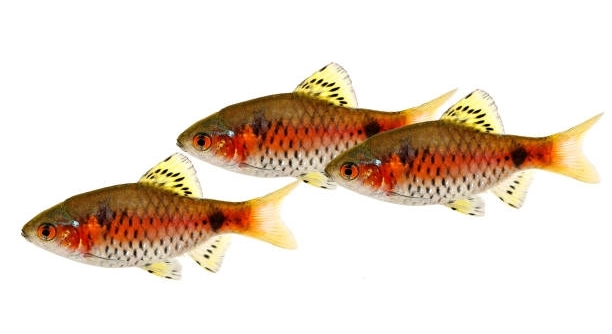
Is your rosy barb spending a lot of time breathing at the surface of the water? This behavior can be worrying for fish owners who want their pets to stay healthy and happy. Understanding why it happens is important for proper care.
Rosy barbs breathe at the surface mainly because of low oxygen levels in the water or poor water quality. They come up to access more oxygen since the upper water layers hold higher oxygen concentrations, which is critical for their survival and well-being.
Knowing the reasons behind this behavior will help you create a better environment for your rosy barb and avoid health problems in the future.
Common Causes of Surface Breathing in Rosy Barbs
Rosy barbs often breathe at the surface when the oxygen levels in their tank drop too low. This can happen if the water is not properly aerated or if the tank is overcrowded. Poor water quality, such as high levels of ammonia or nitrites, also stresses the fish, causing them to seek oxygen near the surface. Sometimes, warm water holds less oxygen, which may make your rosy barb more likely to breathe at the top. It is important to regularly check your tank’s conditions, including temperature and water parameters, to keep your fish comfortable. A well-maintained tank with good filtration and aeration helps maintain oxygen levels, reducing the need for surface breathing. Remember, these fish rely on their environment to stay healthy, so monitoring these factors can prevent many problems before they start.
Keeping your tank clean and properly aerated is the easiest way to help your rosy barb breathe normally.
Improving water circulation can make a big difference. Using an air pump or adding more plants that produce oxygen will create a healthier habitat. Make sure your tank isn’t too warm or crowded. Regular water changes also keep toxins low, supporting your fish’s breathing needs. Small changes can lead to big improvements in your rosy barb’s behavior and health.
How to Improve Oxygen Levels in Your Tank
Adding an air pump or air stone can increase oxygen in the water quickly. These devices create bubbles that improve gas exchange at the surface, helping your rosy barb breathe easier.
Regular water changes and tank maintenance are essential for maintaining good oxygen levels. Remove uneaten food and debris to prevent water quality from declining. Cooler water can hold more oxygen, so keep your tank within the recommended temperature range for rosy barbs, usually between 64°F and 72°F. Avoid overstocking the tank, as too many fish reduce oxygen availability for each individual. Live plants not only beautify the tank but also produce oxygen during the day, improving the overall environment. Taking these steps will create a balanced habitat where your rosy barb can thrive without stress.
Signs of Stress in Rosy Barbs
Rosy barbs showing stress often breathe heavily at the surface. They may also swim erratically or hide more than usual. Changes in color or appetite can be other signs of distress. These behaviors usually indicate that something in their environment is off.
Stress in rosy barbs is commonly caused by poor water quality, overcrowding, or sudden changes in the tank. If ammonia, nitrite, or nitrate levels rise, it can harm their gills and make breathing difficult. Overcrowding reduces oxygen availability and increases waste buildup. Sudden temperature shifts shock their system, causing stress. Keeping a stable environment with clean water and enough space helps prevent these issues and keeps your fish calm and healthy.
Monitoring your fish’s behavior regularly allows you to spot problems early. Acting quickly can reduce stress and improve their breathing and overall condition.
The Role of Tank Maintenance
Regular tank maintenance directly affects the health of your rosy barb. Cleaning the tank, performing water changes, and testing water parameters help maintain a stable environment. Without proper upkeep, toxins build up and oxygen levels drop, making your fish breathe at the surface more often.
Changing about 20-30% of the tank water weekly removes waste and replenishes oxygen. Testing for ammonia, nitrites, and nitrates with a water test kit ensures the tank stays safe. Cleaning the filter regularly prevents clogging, which can reduce water flow and oxygenation. Keeping the substrate free of debris stops harmful gases from forming. Consistent maintenance creates a balanced habitat where your rosy barb can thrive without stress or breathing difficulties.
Temperature and Oxygen Levels
Water temperature affects how much oxygen the water can hold. Warmer water holds less oxygen, making it harder for rosy barbs to breathe. Keeping the tank within the ideal temperature range is important for their comfort.
If the water gets too warm, your fish may struggle to get enough oxygen and breathe at the surface more often. Adjust the heater or move the tank away from heat sources to maintain stable temperatures.
Overcrowding Effects
Too many fish in one tank reduces oxygen availability for each individual. Overcrowding also increases waste, which lowers water quality and stresses your rosy barbs.
Maintaining a proper fish-to-water ratio ensures enough oxygen for all tank inhabitants. It also helps prevent aggressive behavior and disease, supporting overall health and normal breathing.
Importance of Proper Filtration
A good filtration system keeps water clean and oxygen-rich by removing waste and promoting water flow. Filters help keep toxins low and maintain a healthy environment for your rosy barb.
When to Seek Help
If surface breathing continues despite good tank conditions, consulting a vet or fish expert is a wise step. Persistent breathing issues can signal illness or other hidden problems.
FAQ
Why is my rosy barb gasping at the surface?
Gasping at the surface usually means your rosy barb is trying to get more oxygen. This happens when oxygen levels in the tank water are too low. Causes can include poor aeration, overcrowding, high water temperature, or dirty water. Improving these conditions usually helps.
Can poor water quality cause surface breathing?
Yes, poor water quality is a common reason for surface breathing. High levels of ammonia, nitrites, or nitrates stress fish and damage their gills, making it hard to breathe. Regular water changes and testing keep these chemicals in check, improving your fish’s comfort.
How often should I change the water?
Changing about 20-30% of the water every week is recommended. This removes waste, toxins, and adds fresh oxygenated water. More frequent changes may be needed if the tank is crowded or if water tests show poor quality.
What temperature is best for rosy barbs?
Rosy barbs do best in temperatures between 64°F and 72°F (18°C to 22°C). Temperatures above this range reduce oxygen levels and can stress the fish. Keeping the temperature stable within this range supports healthy breathing.
Can overcrowding cause breathing problems?
Yes, overcrowding lowers oxygen availability and increases waste. Both factors make it harder for your rosy barb to get enough oxygen. Ensure you have enough space for the number of fish in your tank to prevent this issue.
How does filtration affect oxygen levels?
Filters help keep water clean by removing debris and toxins. They also create water movement that increases oxygen exchange at the surface. A good filtration system is essential for maintaining healthy oxygen levels.
Are live plants helpful for oxygen?
Live plants produce oxygen during the day through photosynthesis, which can improve tank oxygen levels. However, they consume oxygen at night, so a balance of plants and aeration is best.
Could illness cause my rosy barb to breathe at the surface?
Yes, some illnesses affect the gills or cause stress, making fish breathe more heavily or gasp at the surface. If tank conditions are good but your fish still breathes heavily, a vet visit may be necessary.
What signs show my fish is stressed besides surface breathing?
Other signs include loss of appetite, faded colors, hiding more often, or unusual swimming patterns. Stress often comes with poor water quality, temperature changes, or tank aggression.
How can I quickly improve oxygen levels?
Using an air pump or air stone helps increase oxygen quickly by creating bubbles and water movement. Adding more plants or adjusting tank temperature can also help.
Is it safe to use tap water for water changes?
Tap water should be treated with a water conditioner to remove chlorine and chloramine before adding it to the tank. Untreated tap water can harm your rosy barb and worsen breathing problems.
Can I use a bubbler instead of a filter?
A bubbler adds oxygen but doesn’t clean the water like a filter does. Both are important: filters maintain water quality, and bubblers improve oxygen levels. Using both gives the best results.
How do I test water oxygen levels?
Dissolved oxygen test kits are available for aquariums. These kits help monitor oxygen levels to ensure your tank environment supports healthy breathing.
What should I do if my rosy barb still breathes at the surface after fixing the tank?
If your fish continues surface breathing despite good water quality, temperature, and oxygen levels, it may be sick or injured. Consult a fish veterinarian or aquarium specialist for a diagnosis and treatment.
Rosy barbs breathing at the surface often signal a need for attention to their tank environment. This behavior usually points to low oxygen levels or stress caused by water quality, temperature, or overcrowding. Keeping an eye on these factors can help prevent surface breathing and keep your fish comfortable. Simple steps like regular water changes, proper filtration, and maintaining the right temperature go a long way in supporting your rosy barb’s health. Taking care of these basics creates a stable home where your fish can thrive.
It is important to remember that fish cannot tell us when they are uncomfortable, so their behavior is a key way to understand their needs. Surface breathing is a visible sign that something in their habitat needs improvement. By acting on these signs early, you reduce the chance of serious health problems. If you notice your rosy barb gasping or spending a lot of time at the top, start by checking the water quality and oxygen levels. If all else seems fine but the behavior continues, it might be a sign of illness, and consulting an expert will be helpful.
Maintaining a healthy tank requires consistent effort and attention. Regular testing of water parameters, cleaning the tank, and keeping the right number of fish will support a balanced environment. Proper aeration and filtration systems help maintain oxygen levels, which are critical for your rosy barb’s well-being. By understanding the causes behind surface breathing and making the necessary changes, you can ensure your fish lives a longer, healthier life. This approach makes fish care less stressful and more rewarding, giving you confidence in providing the best for your rosy barb.

Hello,
If you enjoy the content that we create, please consider saying a "Thank You!" by leaving a tip.
Every little bit helps us continue crafting quality advice that supports the health, happiness, and well-being of pets around the world, for pets of all shapes, sizes, and species.
We really appreciate the kindness and support that you show us!