
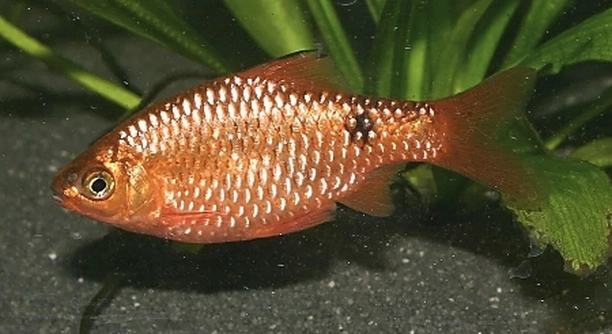
Rosy barbs are popular freshwater fish known for their bright colors and active behavior. Many aquarium owners enjoy creating a lively environment that suits their needs. Adding compatible tank mates can enhance both the look and harmony of the aquarium.
Seven easy tank additions that rosy barbs enjoy include small, peaceful fish and invertebrates that thrive in similar water conditions. These additions provide companionship without causing stress or competition, promoting a balanced and healthy aquarium environment.
Choosing the right tank additions can improve your aquarium’s overall appearance and create a more enjoyable space for your rosy barbs.
Small Schooling Fish
Small schooling fish like danios and neon tetras work well with rosy barbs. These fish are active but peaceful, creating a lively tank without causing trouble. Their similar size and swimming habits make them great companions. They tend to stay in groups, which adds dynamic movement to your aquarium. Because rosy barbs can be a bit boisterous, choosing fish that can hold their own yet avoid aggression is important. Danios are hardy and adaptable, thriving in many water conditions similar to those preferred by rosy barbs. Neon tetras add a splash of color and contrast nicely with the barbs’ reddish hues. Both species are easy to care for, making them practical additions. Having a diverse yet compatible group helps keep your tank balanced and visually appealing, while also reducing stress among fish.
These schooling fish help keep the tank lively and balanced, supporting the health of your rosy barbs. They make good tank mates without causing conflict.
Adding these schooling fish can enhance the overall energy in your aquarium. They interact well with rosy barbs, offering visual interest and natural behaviors that make your tank feel more alive.
Bottom-Dwelling Tank Additions
Corydoras catfish are ideal bottom dwellers to add to a rosy barb tank. They are peaceful and spend most of their time scavenging along the substrate. These fish help keep the tank clean by eating leftover food and detritus without disturbing the barbs. Corydoras are social and prefer to be kept in groups of at least three or more, which encourages natural schooling behavior and reduces stress. They thrive in similar water conditions as rosy barbs, making compatibility easy to maintain. Their calm nature and smaller size mean they won’t compete with barbs for territory or food. These catfish have a gentle presence and add another layer of interest to your aquarium, especially at the bottom where barbs rarely swim. Corydoras also help maintain tank cleanliness, which benefits all inhabitants. Including bottom dwellers can round out your tank’s ecosystem effectively.
Peaceful Invertebrates
Shrimp like cherry shrimp add color and help clean the tank by eating algae and leftover food. They are small and peaceful, making them good companions for rosy barbs without causing any stress.
Cherry shrimp are easy to care for and do well in the same water conditions as rosy barbs. Their bright red color contrasts nicely with the barbs’ tones, adding visual interest. These shrimp tend to stay near plants and decorations, staying out of the way of active fish. They also help maintain tank cleanliness naturally, reducing algae buildup and leftover food particles. Because they are peaceful, they won’t compete for food or space, making them excellent tank additions.
Ghost shrimp are another option, offering similar benefits. They are transparent, adding subtle movement without overwhelming the tank’s appearance. Like cherry shrimp, they help with cleaning and coexist peacefully with rosy barbs. Both shrimp types contribute to a healthier tank environment by reducing waste naturally.
Live Plants as Tank Additions
Live plants improve water quality by absorbing nitrates and providing oxygen. They also offer hiding spots and reduce stress for rosy barbs.
Plants like java fern and anubias are easy to care for and tolerate a range of water conditions. Their broad leaves give barbs places to explore and hide, which can calm them during active periods. These plants do not require much light or special care, making them convenient for most aquariums. Adding live plants not only enhances the tank’s appearance but also creates a more natural and healthy environment. They help stabilize water parameters, which benefits all tank inhabitants. Including plants can improve the overall balance and reduce algae growth, supporting the long-term well-being of your fish.
Snails
Apple snails are good tank additions because they help clean algae and leftover food. They are gentle and won’t bother rosy barbs.
Their hard shells protect them from curious fish. Apple snails also add a different texture and movement to the tank, making it more interesting.
Floating Plants
Floating plants like duckweed provide shade and reduce light intensity in the tank. This helps prevent algae growth and gives rosy barbs places to hide near the surface.
These plants absorb excess nutrients, improving water quality. They also create a natural look and soft environment, helping barbs feel more secure in the aquarium.
Small Gouramis
Small gouramis such as honey gouramis can live peacefully with rosy barbs. They are calm and add gentle colors without causing aggression.
Aquarium Decorations
Adding decorations like rocks and driftwood gives rosy barbs places to explore and hide. These elements break up open swimming areas and reduce stress.
What are the best tank mates for rosy barbs?
The best tank mates for rosy barbs are peaceful, similarly sized fish that can handle the barbs’ active nature. Small schooling fish like danios and neon tetras fit well. Bottom dwellers like corydoras catfish and invertebrates such as cherry shrimp also make good companions. Avoid slow or very small fish that may get bullied or stressed. The goal is to choose tank mates that share similar water preferences and won’t compete aggressively for food or space.
Can rosy barbs live with shrimp or snails?
Yes, rosy barbs can live with peaceful invertebrates like cherry shrimp and apple snails. These tank additions help clean leftover food and algae without bothering the barbs. Cherry shrimp tend to keep to plants and decoration, while apple snails are protected by their shells. It’s important to have plenty of hiding spots for shrimp, as barbs can be curious but usually won’t attack them.
How many fish should I keep with rosy barbs?
Rosy barbs are schooling fish and do best in groups of at least five to six. This keeps them from becoming stressed or aggressive due to loneliness. For tank mates, keep numbers balanced so the aquarium does not become overcrowded. Overcrowding can lead to poor water quality and fish stress. Always check the tank size and filtration capacity before adding more fish.
What water conditions do rosy barbs prefer?
Rosy barbs prefer slightly alkaline water with a pH between 7.0 and 8.0. They thrive in temperatures between 64°F and 72°F (18°C to 22°C). Stable water conditions are important to keep them healthy. Regular water changes and proper filtration help maintain water quality. Avoid sudden changes in temperature or pH to reduce stress on the fish.
Do rosy barbs eat live plants?
Rosy barbs may nibble on some plants, but they usually do not cause much damage if plants are hardy. Plants like java fern and anubias are tough and less likely to be eaten. Including floating plants can protect more delicate plants by shading the tank and providing hiding spots. Having live plants also improves water quality and makes the tank environment more natural.
What do rosy barbs eat?
Rosy barbs are omnivores and eat a variety of foods including flakes, pellets, frozen, and live foods. A balanced diet helps keep their colors bright and promotes healthy growth. Foods like bloodworms, brine shrimp, and daphnia are good protein sources. It’s best to feed small amounts two to three times a day to avoid overfeeding and water pollution.
Can rosy barbs live with larger aggressive fish?
It’s not recommended to keep rosy barbs with larger aggressive fish. Barbs are active and can be bullied or stressed by aggressive tank mates. Larger fish may see them as food or compete aggressively for territory. Choosing peaceful and compatible species ensures a calmer tank environment and healthier fish overall.
How often should I clean a tank with rosy barbs?
Regular tank maintenance is essential. Partial water changes of about 20-30% once a week help keep water clean. Remove uneaten food and debris during these cleanings to avoid harmful buildup. Checking filter function regularly also supports water quality. Clean tanks reduce disease risk and keep rosy barbs active and healthy.
Are rosy barbs suitable for beginner fishkeepers?
Yes, rosy barbs are generally hardy and easy to care for, making them suitable for beginners. They adapt to a range of water conditions and are not overly sensitive. Their active nature makes them interesting to watch. Providing a proper tank setup with compatible tank mates and regular maintenance helps beginners succeed with rosy barbs.
What tank size is ideal for rosy barbs?
A minimum tank size of 20 gallons is recommended for a small group of rosy barbs. Larger tanks are better to provide ample swimming space and reduce aggression. A roomy tank also allows for adding compatible tank mates and plants. Proper filtration and water movement are important in maintaining a healthy environment.
Rosy barbs are lively fish that bring color and activity to any freshwater aquarium. Choosing the right tank additions helps create a balanced and peaceful environment where they can thrive. Adding small schooling fish, peaceful bottom dwellers, and invertebrates like shrimp or snails can complement rosy barbs well. These companions share similar water preferences and behaviors, which reduces stress and competition in the tank. Including live plants and decorations adds hiding spots and improves water quality, making the aquarium a healthier place for all inhabitants.
Maintaining a proper tank setup is essential for the long-term health of rosy barbs and their tank mates. Regular water changes, monitoring water parameters, and providing a varied diet all contribute to their well-being. It’s important to avoid overcrowding and aggressive fish that might harm or stress the barbs. By carefully selecting compatible species and ensuring a clean, stable environment, hobbyists can enjoy the lively, social nature of rosy barbs without common problems. Thoughtful planning and care make the aquarium more enjoyable and rewarding.
Overall, creating a harmonious tank with rosy barbs is both simple and rewarding. The right mix of tank mates and natural decorations can boost the appearance and health of your aquarium. While rosy barbs are relatively hardy, they still benefit from an environment tailored to their needs. Taking time to choose appropriate companions and maintaining good tank conditions will help your fish live happily and display their best colors. This care ultimately leads to a more beautiful and balanced aquarium you can enjoy every day.

Hello,
If you enjoy the content that we create, please consider saying a "Thank You!" by leaving a tip.
Every little bit helps us continue crafting quality advice that supports the health, happiness, and well-being of pets around the world, for pets of all shapes, sizes, and species.
We really appreciate the kindness and support that you show us!