Can Platies Thrive in a Community Setup?
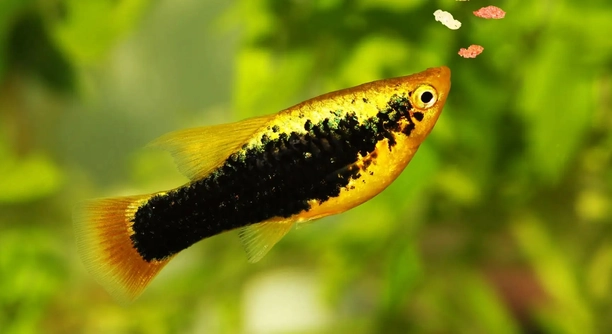
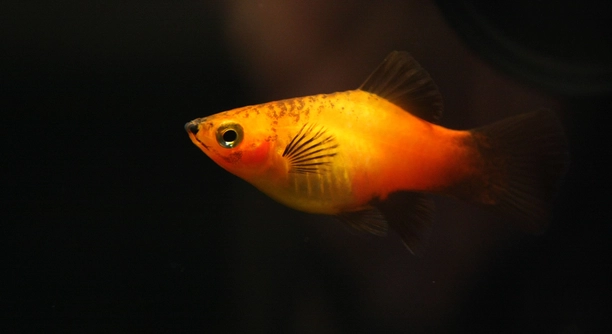
Have you ever brought home a group of colorful platies and wondered if they’ll get along with other fish in your tank? Platies can thrive in a community setup when housed with peaceful, similarly sized fish that share their water requirements. Proper tank conditions, stable water parameters, and a calm environment play a key role … Read more
7 Foods That Are Great for Platy Growth

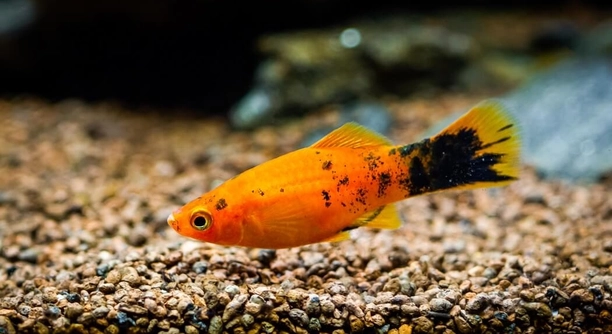
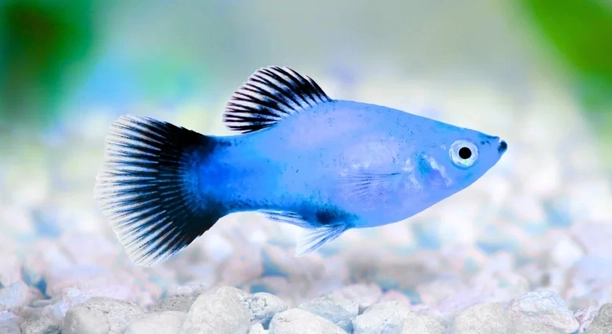
Platy fish are popular pets because of their bright colors and peaceful nature. Many owners want to see their platys grow healthy and strong. Feeding them the right foods plays a big role in their growth and well-being. Seven specific foods support platy growth by providing essential nutrients like proteins, vitamins, and minerals. These foods … Read more

How Long Do Platies Live? (Lifespan Guide)

Platies are popular freshwater fish kept in home aquariums for their bright colors and easy care. Many fish enthusiasts enjoy watching these lively little swimmers. Knowing about their lifespan helps hobbyists care for them better. Platies typically live between 2 to 3 years in captivity, depending on water quality, diet, and tank conditions. Proper care … Read more

7 Ways to Calm Down Aggressive Platies

Aggressive behavior in platies can be frustrating for any fish keeper. These small, colorful fish sometimes show signs of hostility that disturb the peaceful environment of an aquarium. Managing this aggression is important for a balanced tank. The best ways to calm aggressive platies involve providing adequate space, maintaining proper water conditions, ensuring balanced nutrition, … Read more

Why Is My Platy Chasing Everything in Sight?

Is your platy zipping around the tank, chasing every fish and nibbling at anything that moves, leaving you feeling concerned or confused? Platies often chase due to territorial behavior, mating instincts, or stress. These actions are typically triggered by overcrowding, improper male-to-female ratios, or sudden changes in their environment. Monitoring conditions and tank mates is … Read more

7 Differences Between Wild and Fancy Platies

Wild and fancy platies are popular freshwater fish loved by many aquarists. They come in different shapes, colors, and behaviors that make them unique. Knowing the differences helps in caring for them properly. Wild and fancy platies differ mainly in their coloration, size, fin shapes, behavior, breeding patterns, habitat preferences, and genetic diversity. Wild platies … Read more

Can Platies Develop Food Preferences?

Platies are popular freshwater fish known for their bright colors and easy care. Many hobbyists wonder if these small fish can develop food preferences over time. Understanding their eating habits helps improve their care and feeding routines. Platies can develop food preferences based on repeated exposure to certain foods. Their dietary choices may be influenced … Read more

Do Platies Get Startled by Air Pumps?

Do you have platies swimming happily in your aquarium and wonder how they react to new equipment? Many fish owners notice how their pets respond to changes in their environment, especially when adding devices like air pumps. Observing fish behavior can help ensure they stay calm and healthy. Platies generally can be startled by sudden … Read more

Why Is My Platy Swimming in Circles Alone?

Do you ever find yourself watching your platy swim in circles, unsure if it’s normal behavior or something more serious? The most common reason a platy swims in circles alone is due to stress, illness, or neurological issues. Environmental factors like poor water quality or sudden changes in the tank setup can also contribute to … Read more

7 Times You Should Separate Platies Quickly

Platies are popular freshwater fish known for their vibrant colors and peaceful nature. Many fishkeepers enjoy watching them thrive in community tanks. However, there are moments when separating platies quickly becomes necessary for their health and safety. Separating platies promptly is essential in cases of aggression, illness, breeding conflicts, overcrowding, injury, poor water conditions, and … Read more