
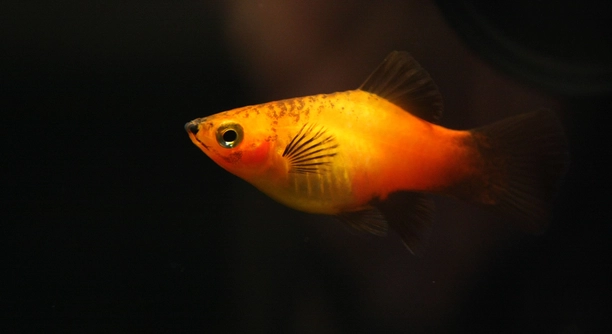
Do you have platies swimming happily in your aquarium and wonder how they react to new equipment? Many fish owners notice how their pets respond to changes in their environment, especially when adding devices like air pumps. Observing fish behavior can help ensure they stay calm and healthy.
Platies generally can be startled by sudden noises or vibrations caused by air pumps, but they usually adapt quickly once the equipment becomes a normal part of their surroundings. Proper placement and gentle introduction of the pump minimize stress on these fish.
Learning how platies react to air pumps can improve your aquarium setup and help create a peaceful home for your fish. Understanding their behavior encourages better care and a more enjoyable experience as a fish owner.
How Air Pumps Affect Platies
Air pumps create bubbles and water movement that can catch a platy’s attention. When first turned on, the noise and vibrations might cause platies to swim away quickly or hide for a short time. This reaction is natural because platies are sensitive to sudden changes in their environment. However, most platies get used to the air pump within a day or two. The key is to introduce the pump slowly and avoid placing it too close to where the fish swim the most. This reduces the chance of startling them repeatedly. Over time, platies often ignore the bubbles and vibrations as part of their tank’s background activity.
Keeping the air pump steady and avoiding sudden changes helps maintain a calm atmosphere in the tank.
Placing the pump in a quiet corner or behind decorations can soften the sound and movement. This makes the environment less stressful for platies and supports their natural behavior.
Signs Your Platies Are Stressed
Stress in platies can show through changes in behavior or appearance. They might hide more often, swim erratically, or lose their bright colors. If the air pump causes too much disturbance, these signs may become noticeable. It is important to watch for them early to prevent long-term harm.
Adjusting the air pump’s position or reducing its power can lower stress levels. Using a diffuser or bubble stone helps create gentler bubbles, making the water movement less aggressive. Also, placing plants and decorations near the pump can give platies places to retreat. Ensuring the tank’s water quality remains high supports their overall health, making them better able to handle minor changes in the environment. Watching how your platies react and making small changes will keep them comfortable and thriving.
Reducing Startle Responses in Platies
Placing the air pump away from high-traffic swimming areas reduces sudden scares. A steady, gentle flow of bubbles helps platies feel more secure. Adjusting the pump’s strength also makes a big difference in how comfortable your fish are.
Using a diffuser or bubble stone spreads air bubbles evenly, creating softer water movement. This is less likely to startle platies compared to strong, direct bursts of air. Introducing the pump gradually allows the fish time to adjust. Covering the pump with decorations or plants gives platies places to hide when they feel nervous. Regularly checking and maintaining the pump’s noise level keeps the environment calm. These small steps help your platies live in a peaceful, less stressful aquarium.
By paying attention to your platies’ behavior and making these adjustments, you can create a more relaxed tank that suits their needs and reduces their stress responses.
Air Pumps and Tank Environment Balance
Air pumps not only oxygenate water but also affect overall tank conditions. Properly balanced air flow supports healthy fish by improving circulation and preventing stagnant areas. Overpowering pumps can cause turbulence, which platies dislike.
Keeping a balance between water movement and quiet areas helps platies feel safe. Adding plants and decorations creates natural shelters and slows water flow in certain spots. Monitoring the tank regularly ensures the air pump supports a stable, healthy environment. When air pumps are set right, platies enjoy a well-oxygenated, calm habitat that promotes their health and activity levels.
Common Mistakes with Air Pumps
Placing the air pump too close to the tank wall can create strong vibrations that startle platies. Another common mistake is using an air pump that is too powerful for the tank size, causing excessive water movement.
Ignoring the noise level of the pump also adds unnecessary stress to your fish. Choosing the right pump and positioning it well prevents many problems before they start.
Adjusting Pump Power for Platies
Reducing the air pump’s power helps create a gentle current suitable for platies. Many pumps have adjustable settings that let you control airflow easily. Lower airflow means fewer bubbles and less sudden movement in the water. This makes platies feel safer and less anxious. If your pump doesn’t have adjustable power, consider adding a valve or using a smaller pump designed for nano or small tanks. Proper airflow adjustment supports your fish’s well-being and keeps the tank environment calm.
Signs to Watch After Pump Installation
After adding or adjusting an air pump, watch for changes in platies’ swimming and hiding habits. If they seem calm and active, the setup is good.
FAQ
Do platies always get startled by air pumps?
Not always. Platies can be sensitive to sudden noises or vibrations from air pumps, especially when first introduced. However, most platies quickly adjust to the new equipment within a few days. Proper placement and gentle airflow help reduce the chance of startling them repeatedly.
How can I tell if my platies are stressed by the air pump?
Signs of stress include hiding more than usual, erratic swimming, or faded colors. If your platies suddenly avoid areas near the pump or act restless, it could mean the pump’s noise or bubbles are bothering them. Monitoring these behaviors is important for their well-being.
What is the best way to set up an air pump for platies?
Place the air pump away from where platies swim the most, ideally near decorations or plants. Use a diffuser or bubble stone to soften water movement. Adjust the airflow to a gentle level to avoid strong currents. Gradually introduce the pump, so your fish can get used to it.
Can too much water movement harm platies?
Yes. Platies prefer calm waters. Strong currents caused by powerful pumps can tire them out or make swimming difficult. This can lead to stress and health problems. Balancing water movement with calm areas in the tank is important.
Is it necessary to use an air pump in a platy tank?
While not always necessary, an air pump helps improve oxygen levels and water circulation. This is especially helpful in tanks with many fish or plants. If you have good filtration and a low fish load, your platies might be fine without one.
How often should I check the air pump?
Regular checks are important. Make sure the pump is working quietly and steadily. Clean any clogged tubing or diffusers monthly. Keeping the pump in good condition prevents sudden noises or stops that could stress your fish.
What if my platies never get used to the air pump?
If platies stay stressed after weeks, try moving the pump to a different spot or lowering its power. Adding more plants or decorations can give them hiding places. If problems persist, consider a quieter or smaller pump designed for sensitive fish.
Can air pumps cause other problems in the tank?
Yes. If placed incorrectly, air pumps can cause too much water agitation, disturbing beneficial bacteria or plants. They can also raise water temperature slightly. It’s important to balance oxygenation with the needs of all tank inhabitants.
Are there alternative ways to oxygenate the tank without an air pump?
Yes. Good filtration systems, live plants, and regular water changes help maintain oxygen levels. Surface agitation from filters also aids gas exchange. These options may reduce or eliminate the need for an air pump in some setups.
Should I turn off the air pump at night?
It depends. Some aquarists turn off pumps at night to reduce noise or save energy, but this can lower oxygen levels. If your tank is densely stocked, it’s better to leave the pump running. Observe your platies and tank conditions to decide what works best.
Platies are generally peaceful fish that adapt well to aquarium life. When it comes to air pumps, they may get startled at first because of the noise and vibrations, but most adjust quickly. Introducing an air pump gently and placing it carefully can help reduce any stress. It’s important to pay attention to how your platies react and make small changes to their environment if needed. This way, you help create a calm and comfortable home for your fish.
Air pumps play an important role in keeping aquarium water healthy by improving oxygen levels and circulation. However, too much water movement or loud noise can bother platies and cause them to hide or swim nervously. Using accessories like bubble stones or diffusers can soften the flow of air and make the bubbles less disruptive. Adjusting the pump’s power and finding the right spot for it in the tank also makes a big difference. Adding plants or decorations nearby gives platies safe places to rest if they feel stressed.
Overall, understanding how air pumps affect your platies helps you provide better care. Watching your fish closely after setting up the pump is important for spotting any signs of stress early. Keeping the water clean, maintaining proper pump function, and balancing water movement all support platies’ health. When these factors are managed well, platies live comfortably and display their natural, active behavior. With some care and attention, air pumps become a helpful part of a peaceful aquarium environment.

Hello,
If you enjoy the content that we create, please consider saying a "Thank You!" by leaving a tip.
Every little bit helps us continue crafting quality advice that supports the health, happiness, and well-being of pets around the world, for pets of all shapes, sizes, and species.
We really appreciate the kindness and support that you show us!