
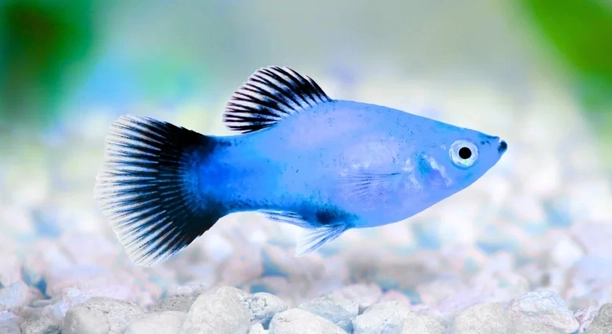
Platies are popular freshwater fish kept in home aquariums for their bright colors and easy care. Many fish enthusiasts enjoy watching these lively little swimmers. Knowing about their lifespan helps hobbyists care for them better.
Platies typically live between 2 to 3 years in captivity, depending on water quality, diet, and tank conditions. Proper care and a balanced environment can help them reach the upper range of their lifespan.
Understanding the factors that affect platies’ longevity can improve their health and your enjoyment as a fishkeeper. This guide will help you learn what to expect and how to care for them well.
Factors Affecting Platies’ Lifespan
Several factors influence how long platies live in your aquarium. Water quality is one of the most important. Clean water with proper filtration and regular changes helps prevent diseases. Temperature also plays a role; platies thrive best between 70°F and 78°F. Feeding them a balanced diet that includes both flakes and live or frozen foods supports their health. Overfeeding, however, can cause water problems and health issues. Stress from overcrowding or aggressive tankmates can shorten their lives. Proper tank size and peaceful companions help reduce stress. Lastly, genetics can affect lifespan, with some platies naturally living longer than others. By paying attention to these conditions, you can help your fish live a full and healthy life.
Maintaining steady water parameters is essential to keep platies healthy and extend their lifespan.
Creating a stable environment involves monitoring water pH, ammonia, nitrites, and nitrates. Sudden changes can shock platies and lead to illness. Regular water tests and partial water changes help keep these levels safe. A well-maintained tank reduces the risk of infections and promotes strong immune systems in fish. Consistent feeding schedules and tank cleaning routines also support their wellbeing. By managing these daily tasks carefully, your platies will be happier and live longer.
Common Health Issues in Platies
Platies can face health problems that affect their lifespan, especially if their care is not ideal. Diseases such as ich, fin rot, and swim bladder issues are common. These illnesses often result from poor water quality or stress. Early signs include changes in behavior, spots on the body, torn fins, or difficulty swimming. Treating these conditions quickly is important to prevent further harm. Quarantining new fish before adding them to the tank helps stop disease spread. Keeping the tank clean and feeding nutritious food reduces the chances of illness. Observing your platies regularly allows you to catch health problems early and take action to protect their life.
Ideal Tank Setup for Platies
Platies need enough space to swim freely. A minimum of 10 gallons is recommended for a small group. Using a gentle filter helps maintain clean water without creating strong currents. Live plants provide hiding spots and improve water quality.
Stable water temperature between 70°F and 78°F is crucial. Keep pH levels around 7.0 to 8.0 for their comfort. Regular water changes, about 25% weekly, prevent toxin buildup. Decorations like rocks or caves offer security and reduce stress.
Lighting should mimic natural daylight but not be too intense. Proper lighting helps plants grow and keeps platies active. Avoid overcrowding by limiting the number of fish based on tank size. This setup supports healthier, longer-lived platies.
Feeding Your Platies
Platies are omnivores and enjoy a varied diet. High-quality flake food forms their main diet. Supplement this with live or frozen foods such as brine shrimp or bloodworms for protein. Vegetables like blanched spinach or zucchini can add fiber.
Feed small amounts two to three times daily, only what they can eat within a few minutes. Overfeeding causes water pollution and health issues. Clean any uneaten food promptly to keep the tank clean. A balanced diet supports their immune system and growth.
Adjust feeding based on activity and water temperature. Warmer water means higher metabolism, requiring more food. Cooler water slows metabolism, so feed less. Consistency in feeding routine helps maintain platies’ health and lifespan.
Breeding Platies
Platies breed easily in home tanks. They are livebearers, meaning they give birth to free-swimming fry instead of laying eggs. A healthy environment encourages breeding.
Separate pregnant females when possible to protect the fry. They can give birth every 4 to 6 weeks, producing 20 to 50 young each time.
Signs of Aging in Platies
Older platies may slow down and become less active. Their colors can fade, and fins might appear worn or torn. Watching these signs helps you adjust care as they age.
Common Mistakes to Avoid
Overcrowding and poor water quality are top mistakes. Both cause stress and shorten platies’ lifespan. Regular tank maintenance and proper stocking levels prevent these problems.
Choosing Tankmates
Platies do well with peaceful fish like guppies and mollies. Avoid aggressive species that may harass or harm them. Compatible tankmates reduce stress and promote a calm environment.
FAQ
How long do platies usually live?
Platies generally live between 2 to 3 years in a well-maintained aquarium. Their lifespan depends on water quality, diet, tank size, and stress levels. With good care, some platies may live a little longer, but 2 to 3 years is typical for most home aquariums.
What is the best water temperature for platies?
The ideal water temperature for platies is between 70°F and 78°F (21°C to 26°C). Keeping the temperature stable within this range helps their metabolism and immune system. Sudden temperature changes can stress platies, which may lead to illness.
Can platies live with other fish?
Yes, platies are peaceful and do well with other non-aggressive fish such as guppies, mollies, and tetras. Avoid keeping them with aggressive or much larger fish, as this can cause stress or injury. Choosing compatible tankmates helps maintain a calm tank environment.
How often should I feed my platies?
Feeding platies small amounts two to three times per day works best. Only give what they can eat within a few minutes to avoid leftover food polluting the tank. A varied diet with quality flakes, live or frozen foods, and occasional vegetables supports their health.
What should I do if my platy gets sick?
If you notice signs of illness like spots, clamped fins, or abnormal swimming, act quickly. Test water parameters first and perform partial water changes to improve water quality. Depending on symptoms, use appropriate medication following product instructions. Quarantining sick fish helps prevent spreading disease.
How can I tell if a platy is pregnant?
Pregnant female platies develop a dark gravid spot near their anal fin. Their belly also becomes noticeably rounded as they carry fry. Pregnancy usually lasts about 4 to 6 weeks, after which they give birth to free-swimming young.
Do platies need plants in their tank?
Live plants benefit platies by providing hiding spots and improving water quality. Plants also help reduce stress and make the environment more natural. However, platies don’t strictly need live plants if other hiding places and good water conditions are provided.
How many platies can I keep in one tank?
A good rule is about one platy per two gallons of water. For a 10-gallon tank, keeping 4 to 5 platies is ideal. Overcrowding causes poor water quality and stress, which shortens their lifespan and increases the risk of illness.
Can platies survive in cold water?
Platies are tropical fish and do not do well in cold water below 68°F (20°C). Lower temperatures slow their metabolism and weaken their immune system. Keeping the tank heated and stable is important to ensure they stay healthy and live longer.
How often should I change the water?
Perform partial water changes of about 20-30% every week to maintain clean water. Regular changes remove waste and toxins that build up over time. This routine helps prevent disease and keeps platies healthy. Avoid changing too much water at once to prevent stress.
Final Thoughts
Platies are a great choice for many aquariums because they are colorful, active, and relatively easy to care for. Understanding their typical lifespan, which is usually 2 to 3 years, helps set realistic expectations for anyone planning to keep them. Their life expectancy can be influenced by many factors such as water quality, diet, tank conditions, and stress. Taking time to learn about these factors and apply proper care will improve their health and help them live a full life. This makes the experience more rewarding for both the fish and the keeper.
A clean and stable environment is key to keeping platies healthy. This includes regular water changes, keeping the temperature within the right range, and avoiding overcrowding. Feeding a balanced diet that includes quality flakes and occasional live or frozen foods supports their nutrition needs. Also, choosing peaceful tankmates and providing hiding spots through plants or decorations can reduce stress. Stress is often overlooked but has a big impact on a platy’s lifespan. When these basic needs are met, platies tend to be active and colorful for longer periods.
It is important to watch for signs of illness or aging and respond quickly. Older platies may become less active or show faded colors, and health issues can develop if tank conditions are not ideal. Early detection of problems and proper treatment can save lives. Keeping new fish separate for a while before introducing them to the main tank helps prevent the spread of diseases. By paying close attention and maintaining a good routine, you can enjoy your platies for several years, making their care a pleasant and fulfilling part of your aquarium hobby.

Hello,
If you enjoy the content that we create, please consider saying a "Thank You!" by leaving a tip.
Every little bit helps us continue crafting quality advice that supports the health, happiness, and well-being of pets around the world, for pets of all shapes, sizes, and species.
We really appreciate the kindness and support that you show us!