
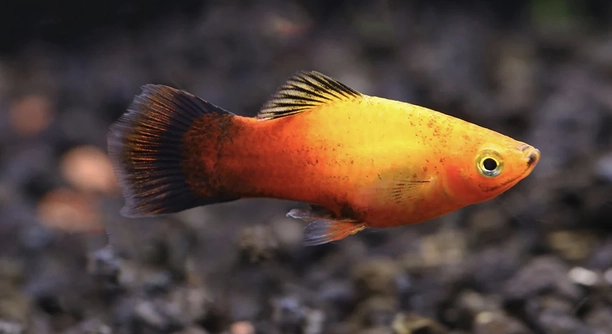
Aggressive behavior in platies can be frustrating for any fish keeper. These small, colorful fish sometimes show signs of hostility that disturb the peaceful environment of an aquarium. Managing this aggression is important for a balanced tank.
The best ways to calm aggressive platies involve providing adequate space, maintaining proper water conditions, ensuring balanced nutrition, introducing hiding spots, controlling population density, and observing social interactions closely. Each factor plays a critical role in reducing stress and aggression.
Understanding these strategies will help maintain harmony among your platies and create a healthier aquarium environment. Applying the right methods can lead to a calmer, more enjoyable tank for both fish and keeper.
Provide Adequate Space in the Aquarium
Platies need enough room to swim freely to reduce aggressive behavior. Overcrowding leads to stress, which increases fighting and territorial disputes. A good rule is to allow at least 10 gallons of water for every five platies. Larger tanks give fish more space to establish their territories without constant confrontation. Additionally, plenty of swimming room helps them exercise and stay healthy. Adding live plants and decorations can create visual barriers, breaking the line of sight between aggressive individuals. This reduces direct conflict and gives shy platies places to hide. Regular cleaning and water changes are also important to keep water quality high, as poor conditions can worsen aggression.
Ensuring enough space helps keep platies calm and balanced. Overcrowding should be avoided at all costs to maintain peace.
Setting up your tank with enough space and hiding spots is essential. These steps limit aggression by letting fish have their own areas and reducing stress triggers. This simple adjustment often improves their behavior significantly.
Maintain Proper Water Conditions
Stable water conditions are crucial for platies’ well-being. Changes in temperature, pH, or ammonia levels can cause stress and lead to aggression. Platies thrive best in temperatures between 70-78°F and a pH of 6.8 to 8.0. Keeping ammonia and nitrite levels at zero is essential, as these toxins can harm fish and trigger fighting. Regular water tests help catch any imbalances early. Using a reliable filter and doing weekly water changes keep the environment clean and safe. Avoid sudden changes in water parameters, which can confuse and upset the fish. Maintaining these conditions creates a calm environment that discourages aggressive behavior.
Good water quality supports healthy fish and reduces the chance of stress-related aggression. A stable environment allows platies to behave naturally and peacefully.
By consistently monitoring water quality and making adjustments when necessary, you can prevent many common causes of aggression. Clear water and balanced parameters help platies feel secure. This stability leads to a calmer tank where all fish can coexist.
Ensure Balanced Nutrition
Proper diet plays a key role in reducing aggression in platies. Feeding them a varied diet prevents competition over limited food, which can cause fights.
A balanced diet includes high-quality flakes or pellets formulated for tropical fish, supplemented with live or frozen foods like brine shrimp or bloodworms. This variety keeps them healthy and satisfied. Feeding smaller amounts multiple times a day helps reduce hunger-driven aggression. Avoid overfeeding, which can pollute the water and increase stress. When platies get the nutrients they need, they are less likely to compete aggressively for food or space.
Consistent feeding routines build trust and reduce tension. When fish know they will be fed regularly, they spend less time fighting and more time exploring their environment and interacting calmly.
Add Hiding Spots and Decorations
Hiding places give platies refuge during conflicts and help reduce stress. Plants, rocks, and decorations break the line of sight, limiting aggressive encounters.
Creating a well-decorated tank with plenty of hiding spots allows fish to retreat when needed. Live plants like Java moss and floating plants provide natural cover. Artificial caves or PVC pipes offer additional shelter. These safe zones help less dominant platies avoid constant harassment. When fish feel secure, aggression decreases because they don’t feel threatened. Spreading decorations evenly across the tank helps avoid overcrowding in one area, reducing territorial disputes. This simple addition improves the overall harmony in the aquarium.
Control Population Density
Too many platies in one tank can quickly lead to aggression. Keeping the number of fish appropriate for your tank size is essential.
A crowded tank increases stress and competition for resources. Limiting population density helps maintain peace and reduces fights over territory.
Observe Social Interactions Closely
Watching how your platies interact can help you spot early signs of aggression. Early intervention prevents serious conflicts.
Remove or isolate overly aggressive individuals if necessary. Sometimes separating the most dominant fish restores balance and calm to the group.
Introduce New Platies Carefully
Adding new platies should be done slowly and thoughtfully. Sudden changes disrupt established social groups and increase aggression.
Quarantine new fish before introducing them to the main tank. Gradually acclimate them to water conditions and tank dynamics to reduce stress for everyone.
Avoid Sudden Changes
Sudden changes in environment or routine can stress platies and trigger aggression. Keeping a stable tank routine helps maintain calm behavior.
How can I tell if my platies are being aggressive?
Aggressive platies often chase or nip at other fish. You may see torn fins, missing scales, or constant chasing. They might guard specific spots in the tank, acting territorial. Some fish may hide more to avoid conflict. Watching these behaviors closely helps identify if aggression is a problem.
What causes platies to become aggressive?
Several factors can lead to aggression, including overcrowding, poor water quality, and lack of hiding spots. Changes in water parameters or sudden introduction of new fish may also trigger fights. Hunger or competition for food can increase hostility. Understanding these causes helps prevent aggressive behavior.
Can aggression hurt my platies?
Yes, aggressive behavior can cause physical injury and stress. Injuries may lead to infections or other health issues. Stress weakens the immune system, making fish more vulnerable. Long-term aggression harms the overall wellbeing and can reduce lifespan.
How often should I feed my platies to reduce aggression?
Feeding small amounts two to three times daily helps reduce competition. Regular feeding keeps fish satisfied and less likely to fight over food. Avoid overfeeding, which can harm water quality and lead to other problems.
Is it better to keep only platies or mix them with other fish?
Platies generally do well in community tanks with peaceful species. Mixing them with aggressive or territorial fish can increase stress and fights. Choosing compatible tank mates helps maintain a calm environment.
How big should my tank be for platies?
A minimum of 10 gallons for every five platies is recommended. Larger tanks reduce crowding and give fish more space to establish territories. More space means fewer conflicts and healthier fish.
What types of decorations help reduce aggression?
Live plants, rocks, and caves provide hiding places and break sight lines. Dense plantings create natural barriers that limit confrontations. Adding decorations evenly throughout the tank helps distribute fish and reduce territorial disputes.
How can I safely introduce new platies to my tank?
Quarantine new fish for at least two weeks before adding them. Gradually acclimate them to tank water temperature and chemistry. Introduce new fish slowly to avoid shocking established groups, which lowers aggression risks.
Should I remove aggressive platies from the tank?
If one fish is overly aggressive and causing harm, removing or isolating it may be necessary. This can restore peace and protect weaker fish. Sometimes moving the aggressive fish to another tank is the best solution.
Can water changes help with aggression?
Regular water changes improve water quality and reduce stress, which lowers aggression. Clean water supports healthy fish and a stable environment. Aim for weekly partial water changes to maintain balance.
What water parameters do platies prefer?
Platies thrive in temperatures between 70°F and 78°F, with a pH of 6.8 to 8.0. Keeping ammonia and nitrite levels at zero is crucial. Stable water parameters prevent stress and aggressive behavior.
How long does it take for platies to calm down after being aggressive?
The calming period varies but generally takes a few days to a week after changes like adding hiding spots or adjusting tank conditions. Consistent care and monitoring are essential during this time.
Can certain platy breeds be more aggressive?
Some breeds or individual fish may naturally be more territorial. However, most aggression comes from environmental factors rather than breed. Proper care and tank setup help manage any breed differences.
Is stress the main reason for platy aggression?
Stress is a significant factor but not the only one. Lack of space, poor diet, and social dynamics also contribute. Reducing stress through good care is key to preventing fights.
Are there signs my platies are happy and peaceful?
Peaceful platies swim calmly, interact gently, and explore the tank. They feed eagerly without competition and rest comfortably among plants or decorations. Observing these behaviors shows a healthy, calm group.
Platy fish are popular for their bright colors and easy care, but aggression can sometimes disrupt the peaceful balance in an aquarium. Understanding the causes and addressing them with practical steps is important for maintaining a calm tank. Providing enough space, maintaining clean and stable water conditions, and offering balanced nutrition are basic but effective ways to reduce aggressive behavior. These elements help fish feel secure and less stressed, which naturally lowers conflict.
Adding hiding spots and decorations also plays a crucial role. When platies have places to retreat to, they are less likely to chase or nip at each other. These safe zones give shy or weaker fish a chance to rest without being constantly harassed. Managing the number of fish in the tank prevents overcrowding, which is often a root cause of tension and fights. Regular observation helps catch problems early, allowing for quick action to keep the group peaceful.
Aggression in platies is manageable when these factors are considered and applied consistently. Small changes in tank setup or routine can make a big difference in fish behavior. Taking the time to learn about platy needs and their social dynamics benefits both the fish and the keeper. With proper care, platies can live together peacefully, making the aquarium an enjoyable and stress-free environment.

Hello,
If you enjoy the content that we create, please consider saying a "Thank You!" by leaving a tip.
Every little bit helps us continue crafting quality advice that supports the health, happiness, and well-being of pets around the world, for pets of all shapes, sizes, and species.
We really appreciate the kindness and support that you show us!