
Wild and fancy platies are popular freshwater fish loved by many aquarists. They come in different shapes, colors, and behaviors that make them unique. Knowing the differences helps in caring for them properly.
Wild and fancy platies differ mainly in their coloration, size, fin shapes, behavior, breeding patterns, habitat preferences, and genetic diversity. Wild platies tend to have natural colors and behaviors, while fancy platies show varied colors and traits due to selective breeding.
Recognizing these differences can improve your experience with both types and help ensure their well-being in your aquarium.
Coloration Differences Between Wild and Fancy Platies
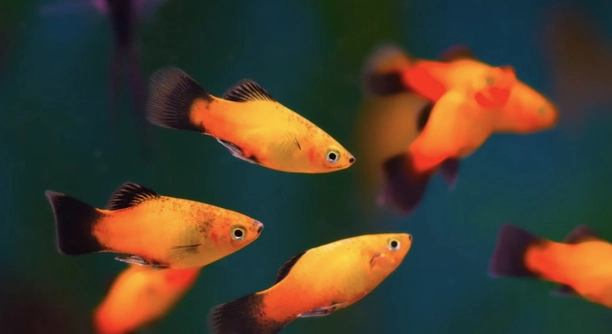
Wild platies typically have more muted, natural colors such as olive green, brown, and yellow. Their patterns often help them blend into their environment, which is useful for avoiding predators. Fancy platies, on the other hand, come in a wide range of bright colors like red, orange, blue, and even spotted or marbled patterns. These colors are the result of selective breeding to create visually appealing fish for aquariums. The variety in fancy platies is impressive, but it also means they can be more sensitive to changes in water quality or stress. Wild platies tend to be hardier and better adapted to natural conditions, while fancy platies rely on stable environments to thrive. Understanding these color and pattern differences is key when choosing the right type of platy for your tank.
Wild platies’ colors are subtle and earthy, whereas fancy platies show vibrant and diverse colors that attract aquarium keepers.
Choosing between wild and fancy platies means considering color preferences and the care needs that come with each type. Wild platies’ natural hues fit well in planted tanks, while fancy platies add bright splashes of color. Both types can coexist but need attention to their specific care requirements to stay healthy and active.
Size and Body Shape Variations
Wild platies usually have a more streamlined, slender body shape that helps them swim quickly and avoid danger in the wild. Their size tends to be smaller, generally around 1.5 to 2 inches. Fancy platies have been bred for different body shapes, sometimes appearing rounder or with longer fins that give them a showier look. These changes can affect their swimming style and energy levels. Because of selective breeding, fancy platies often grow slightly larger, reaching up to 2.5 inches. This size difference also influences their tank space needs. While wild platies thrive in simple environments, fancy platies benefit from tanks that allow for leisurely swimming and display. Understanding size and shape differences will help you provide better care and tank conditions tailored to each platy type.
Behavior Differences
Wild platies tend to be more cautious and active swimmers. They stay alert and often hide among plants. Fancy platies usually show calmer and more relaxed behavior, often exploring the tank more openly.
Wild platies have instincts shaped by survival in nature, which makes them quick to react to changes or threats. They may dart away when startled or compete more actively for food. Fancy platies, bred for appearance, often lose some of this alertness. Their calmer nature can make them easier to care for in community tanks since they interact peacefully with other fish. However, their relaxed behavior means they may be less efficient at avoiding aggression or stress. Knowing these behavior patterns helps when mixing platies with other species to maintain a peaceful tank environment.
Both types show social behavior, but wild platies are usually more skittish, while fancy platies are friendlier and more tolerant. Recognizing these differences will help you provide the right setup for your fish’s comfort and health.
Breeding and Genetics
Breeding wild platies is straightforward since they have natural mating behaviors and strong genetic diversity. They often breed in simple conditions without much intervention. Fancy platies require more attention because selective breeding focuses on maintaining specific colors and shapes.
The genetic diversity in wild platies ensures they stay healthy and resilient over generations. Their offspring usually look similar to their parents, maintaining natural traits. Fancy platies, however, have less genetic variation due to selective breeding. This sometimes leads to health issues or weaker immune systems. Breeders must carefully manage pairings to avoid inbreeding problems. Fancy platy breeding aims to preserve unique traits, but it needs more skill and attention than breeding wild platies. Understanding these differences can help hobbyists decide which type fits their goals, whether it’s natural breeding or developing fancy varieties.
Habitat Preferences
Wild platies thrive in natural freshwater habitats like streams and rivers with plenty of plants and hiding spots. They prefer stable water conditions with mild currents.
Fancy platies do best in calm, controlled aquarium environments. They need clean, warm water and stable parameters to stay healthy and show their best colors.
Diet and Feeding
Both wild and fancy platies are omnivores and enjoy a varied diet of flakes, pellets, vegetables, and live or frozen foods. Wild platies may forage more actively in natural environments, while fancy platies depend mostly on prepared foods in tanks. A balanced diet helps both types maintain good health and vibrant colors.
Lifespan Differences
Wild platies tend to live longer, often 3 to 4 years, thanks to their strong genetics and natural resilience. Fancy platies usually live around 2 to 3 years due to selective breeding, which can sometimes weaken their overall health.
FAQ
What tank size is best for platies?
A tank of at least 10 gallons is recommended for a small group of platies. They are active swimmers and appreciate space to explore. Larger tanks are better if you plan to keep multiple fish or other species with them. Proper filtration and stable water conditions are also important.
Can wild and fancy platies live together?
Yes, wild and fancy platies can coexist peacefully if the tank is large enough and conditions are stable. However, differences in behavior and appearance may affect breeding outcomes and social dynamics. Keep an eye on interactions to avoid stress or aggression.
How often should I feed platies?
Feed platies small amounts two to three times a day. Overfeeding can cause water quality issues. Make sure to provide a balanced diet including flakes, pellets, and occasional live or frozen foods. Remove any uneaten food to keep the tank clean.
Are platies easy to breed at home?
Wild platies breed naturally in well-maintained tanks with stable water conditions. Fancy platies can also breed easily but may require more care to maintain the desired traits in offspring. Separating fry from adults helps improve survival rates.
What water parameters do platies need?
Platies thrive in water with a temperature between 70°F and 78°F, a pH of 7.0 to 8.2, and moderate hardness. Keeping the water clean and stable is crucial, especially for fancy platies, which can be more sensitive to changes.
Do platies require special tank decorations?
Wild platies benefit from plants, rocks, and hiding places that mimic their natural environment. Fancy platies enjoy planted tanks but also appreciate open swimming spaces to show off their colors. Decorations should support their comfort and reduce stress.
What common health issues affect platies?
Fancy platies can be prone to issues like fin rot, ich, and swim bladder problems, often linked to water quality or genetics. Wild platies are generally hardier but can still suffer if tank conditions are poor. Regular water testing and maintenance help prevent illness.
Can platies live with other fish?
Platies are peaceful and usually get along with other community fish like tetras, guppies, and mollies. Avoid aggressive or much larger fish that might bully or eat them. Proper tank size and hiding spots help reduce stress when keeping mixed species.
How long do platies usually live?
Wild platies often live 3 to 4 years due to their robust genetics. Fancy platies typically live 2 to 3 years, sometimes less if care isn’t optimal. Providing a clean tank, balanced diet, and stable environment helps maximize their lifespan.
Is it necessary to separate male and female platies?
Separating males and females isn’t necessary unless you want to control breeding. Platies breed easily and often, which can lead to overcrowding. If breeding is not the goal, keeping only one gender or controlling population is recommended.
Wild and fancy platies each have unique qualities that make them interesting choices for aquariums. Wild platies bring natural colors, hardiness, and active behavior that reflect their life in the wild. They tend to be more resilient and can adapt well to a range of water conditions. On the other hand, fancy platies offer a wide variety of bright colors and attractive patterns thanks to selective breeding. This makes them popular among hobbyists who want a more decorative look in their tanks. Knowing these differences can help you decide which type fits best with your preferences and aquarium setup.
Caring for wild and fancy platies requires understanding their specific needs. Wild platies usually need less attention because of their natural hardiness, but they still require clean, stable water and proper nutrition. Fancy platies might demand more careful water maintenance and diet due to their selective breeding, which can sometimes make them more sensitive to changes or disease. Both types thrive best in tanks with good filtration, regular water changes, and a balanced diet. Providing plants and hiding spots can help reduce stress and encourage natural behaviors. Whether you choose wild or fancy platies, attention to their environment is key to their health and happiness.
Choosing between wild and fancy platies depends on what you want from your aquarium. If you prefer fish that are closer to their natural state and easier to care for, wild platies are a good choice. If you want colorful, eye-catching fish and don’t mind a bit more care, fancy platies may be better. Both types can live well in community tanks and offer enjoyable companionship. Remember that keeping any fish healthy means paying attention to water quality, diet, and social conditions. Taking the time to learn about these differences will help you provide a better home for your platies and enjoy their presence in your aquarium for years to come.

Hello,
If you enjoy the content that we create, please consider saying a "Thank You!" by leaving a tip.
Every little bit helps us continue crafting quality advice that supports the health, happiness, and well-being of pets around the world, for pets of all shapes, sizes, and species.
We really appreciate the kindness and support that you show us!