
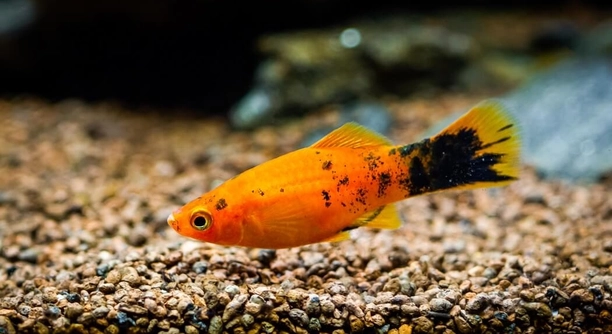
Platies are popular freshwater fish known for their vibrant colors and peaceful nature. Many fishkeepers enjoy watching them thrive in community tanks. However, there are moments when separating platies quickly becomes necessary for their health and safety.
Separating platies promptly is essential in cases of aggression, illness, breeding conflicts, overcrowding, injury, poor water conditions, and to prevent stress. Timely separation minimizes harm and supports recovery, ensuring the well-being and stability of the aquarium environment.
Recognizing these situations early helps maintain a healthy tank and protects your fish from avoidable risks and complications.
Signs of Aggression Among Platies
Aggression between platies can happen suddenly, especially when males compete for territory or females. You might notice chasing, nipping fins, or one fish hiding more often. When aggression starts, it’s important to act quickly because these behaviors can cause injuries or stress. Injured fish are more vulnerable to disease, which can spread in a community tank. Separating the aggressive or injured platy helps calm the situation. It also prevents fights from escalating and protects the rest of the fish. Sometimes adding more hiding spots or rearranging the tank decorations can reduce aggression. But if problems continue, isolating the aggressive fish is the safest option. Keeping an eye on your fish’s behavior every day helps you catch issues early before they get worse.
Aggressive behavior requires prompt separation to prevent injury and stress in your platies. Timely intervention keeps the tank peaceful and the fish safe.
Learning to spot early signs of aggression lets you maintain a calm, healthy tank environment where all your platies can thrive peacefully.
When Illness Requires Separation
Sick platies need special care away from healthy fish. Illnesses like fungal infections, parasites, or bacterial diseases can spread fast in a crowded tank. When you see symptoms such as faded color, clamped fins, labored breathing, or unusual swimming, separating the sick fish is the best step. This quarantine reduces the risk of infecting others and gives the sick platy a chance to recover without stress. Treating the fish in a quarantine tank allows you to control water quality and add medications safely. Sometimes, illnesses weaken the immune system, so isolation prevents further harm from tankmates. Monitoring your sick platy closely helps you adjust treatment as needed. Always maintain clean water and proper temperature in both the main tank and quarantine setup to support healing.
Isolation helps control the spread of disease and provides a controlled environment for recovery. Quick action can save your platy’s life.
Proper quarantine procedures protect your entire tank and increase the chances of full recovery for your sick fish.
Overcrowding and Space Issues
Overcrowding stresses platies and increases the chance of fights and illness. When too many fish share a small space, they compete for oxygen, food, and hiding spots, which can quickly lead to problems. Separating some platies or upgrading to a larger tank can help.
In crowded tanks, water quality also deteriorates faster due to excess waste. This can cause harmful ammonia and nitrite spikes, putting your fish at risk. Providing more space improves water circulation and reduces aggression. If increasing tank size is not possible, consider moving some platies to a different tank. This relieves stress and prevents health issues caused by poor conditions. A well-spaced environment promotes calmer behavior and healthier fish.
Overcrowding forces platies into constant competition, which harms their well-being. Ensuring enough room for each fish is key to a peaceful tank.
Handling Breeding Conflicts
Platies breed quickly, and males may become aggressive during mating. Females sometimes need to be separated after giving birth to protect fry from being eaten. Separating pregnant females or newly born fry supports survival.
Male platies may harass females continuously, causing stress and injury. Isolating aggressive males or moving females to a separate tank helps reduce this pressure. Additionally, separating fry prevents them from being mistaken as food by adults. A breeding or nursery tank provides a safe space for young platies to grow. Regular monitoring of breeding behavior allows timely separation and better management of the tank’s population balance. This step reduces stress on adults and increases the chances that more fry reach maturity. Keeping a clear separation between adults and young fish is essential for long-term tank health.
Injury and Recovery
Injured platies need a calm environment to heal properly. Separating them helps prevent further harm from tankmates or stress. Clean water and gentle care are essential during recovery.
Keeping injured fish isolated also allows you to monitor healing closely. This prevents unnoticed worsening of wounds and speeds up recovery.
Poor Water Conditions
Water that is dirty or has incorrect parameters stresses platies and can lead to illness. Separating sensitive fish while fixing water quality protects them from further damage.
Regular water tests and partial changes improve conditions quickly. Immediate separation of affected fish helps prevent widespread problems in the tank.
Stress Reduction
Stress weakens platies’ immune systems and causes behavioral changes. Separating stressed fish from aggressive or noisy tankmates calms them and improves their overall health.
Reducing stress involves minimizing overcrowding, maintaining water quality, and providing hiding spots to help platies feel safe and secure.
FAQ
How do I know when to separate my platies?
You should separate platies when you notice aggression, injury, illness, or signs of stress. If fish are chasing each other aggressively or one is hiding constantly, it’s time to act. Also, separate sick fish to prevent disease spread. Overcrowding or breeding conflicts are other reasons to separate them.
Can I keep aggressive platies together if I add more hiding spots?
Adding hiding places can reduce aggression but doesn’t always stop fights. Sometimes, separating the aggressive fish is necessary to avoid injuries. Monitor behavior closely after adding hiding spots, and be ready to separate fish if problems continue.
How long should I keep a platy in quarantine?
A quarantine period of at least two weeks is recommended. This allows you to observe signs of illness and treat fish safely without risking the main tank. Longer quarantine may be needed if symptoms persist or to ensure complete recovery.
Is it necessary to separate fry from adult platies?
Yes, separating fry helps protect them from being eaten by adults. A separate nursery tank with gentle filtration and proper food increases fry survival rates. Keeping fry safe also prevents adults from becoming stressed by overpopulation.
What is the best way to treat a sick platy?
First, isolate the sick platy in a quarantine tank. Test water quality and keep it clean. Use appropriate medication based on symptoms, such as antifungal or antibacterial treatments. Follow dosage instructions carefully and monitor the fish’s progress daily.
Can poor water conditions cause platies to become aggressive?
Yes, poor water quality stresses fish and can increase aggression. High ammonia or nitrite levels cause discomfort and irritability. Maintaining clean, balanced water helps keep platies calm and healthy.
How often should I test the water in my platy tank?
Testing water at least once a week is ideal. Frequent checks allow you to catch harmful changes early. Testing becomes more important if you notice stressed behavior or health issues.
What tank size is best to prevent overcrowding for platies?
A minimum of 10 gallons is recommended for a small group of platies. Larger tanks provide more swimming space and reduce stress. Avoid overstocking to keep fish healthy and peaceful.
Should I separate platies if they stop eating?
Loss of appetite can signal stress or illness. Separating the affected fish helps reduce competition for food and allows closer monitoring. It also makes treatment easier if needed.
How can I reduce stress in a community tank with platies?
Keep tank conditions stable by maintaining water quality, temperature, and proper filtration. Provide hiding spots and avoid sudden changes. Separating aggressive fish or those being bullied lowers stress for everyone.
What signs show a platy is too stressed?
Signs include hiding often, rapid breathing, clamped fins, loss of color, and refusing food. Stress makes fish vulnerable to disease and injury, so quick action to reduce stress is important.
Is it okay to separate platies temporarily or should it be permanent?
Separation is usually temporary, meant to address specific issues like illness or aggression. Once the problem is resolved, fish can often return to the main tank. Long-term separation is sometimes needed for chronic aggression or health problems.
How do I introduce platies back to the main tank after separation?
Make sure the fish is healthy and water parameters match between tanks. Acclimate the fish slowly by floating the quarantine tank bag in the main tank, then gradually mixing water. Watch for any signs of stress or aggression after reintroduction.
Can separating platies improve breeding success?
Yes, separating pregnant females and fry increases survival rates. It also reduces stress and aggression during breeding, helping both adults and young fish stay healthy.
What should I do if I don’t have a separate tank for quarantine?
If no quarantine tank is available, you can use a clean container with a heater and filter for short-term isolation. Prioritize getting a dedicated quarantine tank to prevent disease spread and reduce stress for your fish.
Final thoughts on knowing when to separate platies focus on keeping your fish healthy and safe. Platies are generally peaceful fish, but certain situations require quick action to avoid harm. Whether it is aggression, illness, overcrowding, or breeding stress, recognizing the signs early makes a big difference. Separation is a helpful tool to protect individual fish and maintain a calm tank environment. It also supports recovery and prevents problems from spreading to other tankmates.
Separating platies does not mean you have failed as a fishkeeper. It is a normal part of caring for live animals that share the same space. When you see fighting, injury, or illness, it is best to act quickly rather than wait and risk further harm. Providing a quarantine or hospital tank is ideal because it allows for better observation and treatment. This also reduces stress for both the affected fish and the rest of the group. Keeping the water clean and stable in both tanks is important to support healing and prevent new issues.
In the end, successful fish care means being attentive to your platies’ behavior and needs. Separation is one of many ways to create a healthy, peaceful home for them. By understanding when and why to separate platies, you protect their well-being and help them thrive. Every tank is different, so staying observant and prepared to adjust your approach will improve your fishkeeping experience. Taking these steps shows commitment and care for your aquatic pets over the long term.

Hello,
If you enjoy the content that we create, please consider saying a "Thank You!" by leaving a tip.
Every little bit helps us continue crafting quality advice that supports the health, happiness, and well-being of pets around the world, for pets of all shapes, sizes, and species.
We really appreciate the kindness and support that you show us!