
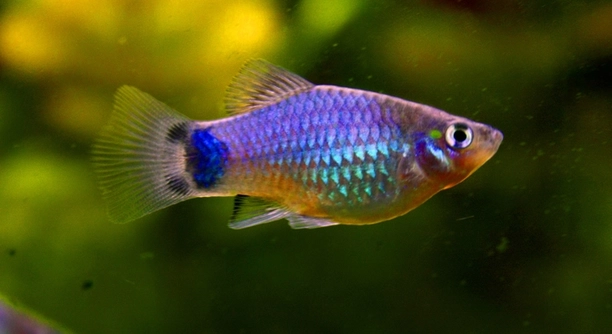
Platies are popular freshwater fish known for their bright colors and easy care. Many hobbyists wonder if these small fish can develop food preferences over time. Understanding their eating habits helps improve their care and feeding routines.
Platies can develop food preferences based on repeated exposure to certain foods. Their dietary choices may be influenced by texture, flavor, and nutritional content. Studies show that platies learn to favor specific foods, which can affect their overall health and behavior.
Knowing how platies choose their food can help fishkeepers provide a balanced diet. This insight ensures that these lively fish stay healthy and happy in home aquariums.
How Platies Recognize Food
Platies use their senses to recognize and choose food. They rely mostly on sight and smell to identify what’s edible. When introduced to new foods, they observe its color and movement in the water. If the food looks familiar or appealing, they are more likely to eat it. Over time, they remember which foods satisfy their hunger best. This memory helps them develop preferences. Texture also plays a role; platies prefer softer foods over hard, sharp ones. When feeding, it’s common to see them nibble carefully before fully accepting new items. Repeated exposure to the same food encourages familiarity and preference. This process is gradual but consistent, showing how platies learn to select food that suits their tastes and needs.
Familiarity with food items can increase a platy’s willingness to eat. They become more comfortable with repeated offerings, making feeding easier.
Understanding how platies recognize food helps in selecting the right diet. Knowing their preferences ensures better nutrition and reduces waste in the tank. Offering a variety of foods can keep them interested while meeting dietary needs. Monitoring their choices over time allows adjustments to improve their health. Consistency in feeding routines also supports this recognition process. This approach benefits both the fish and the keeper by creating a smoother feeding experience.
Factors Influencing Food Preference
Platies’ food preferences are influenced by several factors. These include food texture, nutritional value, and even their current health. Some platies prefer flakes, while others like live or frozen foods. Preferences can change with age and environmental conditions.
Diet variety is important for platies to stay healthy. Offering different types of food keeps their interest and provides balanced nutrition. They may avoid food that causes digestive issues or does not taste appealing. Environmental stress can also affect their appetite and preferences. Fish that feel safe are more likely to try new foods. Observing your platies’ reactions helps identify their favorite options. Avoid feeding only one type of food to prevent nutritional gaps. Balanced feeding supports growth, coloration, and activity levels. Feeding in small amounts frequently matches their natural feeding habits. Adjusting food types and amounts based on their behavior leads to better overall care and wellbeing.
Encouraging Healthy Food Preferences
Offering a variety of foods helps platies develop healthy eating habits. Introducing new options gradually makes it easier for them to accept changes in diet.
When feeding platies, start by mixing new foods with their usual diet. This reduces stress and helps them adjust to different tastes and textures. Consistent feeding times and portion control encourage regular eating. Observing which foods they prefer allows you to tailor their diet to their needs. Avoid sudden changes that may cause refusal or digestive problems. Over time, platies learn to recognize and prefer nutritious options, improving their overall health. Patience is key when introducing unfamiliar foods.
In addition to variety, consider supplementing their diet with live or frozen foods like brine shrimp or daphnia. These natural options mimic their diet in the wild and boost their nutrient intake. Balancing plant-based flakes or pellets with protein-rich live foods supports growth and vitality. Feeding a well-rounded diet reduces the chance of picky eating and keeps platies active and vibrant.
Monitoring Changes in Food Preferences
Platies’ food preferences can change due to age, health, or environmental factors. Regularly observing their behavior helps identify these shifts early.
Changes in appetite or food choice may signal stress or illness. If a platy stops eating a previously favored food, check water quality and tank conditions. Poor water parameters often reduce appetite and alter preferences. Additionally, older fish may require softer foods as their ability to eat harder items declines. Seasonal changes in temperature can also influence feeding habits. By monitoring these factors closely, you can adjust feeding routines to maintain proper nutrition. Addressing issues promptly prevents long-term health problems and supports platies’ wellbeing.
Impact of Tankmates on Food Preferences
The presence of other fish can influence what platies choose to eat. Aggressive tankmates may limit their access to certain foods.
Platies tend to adapt their feeding behavior based on competition. They might avoid foods that attract more dominant fish or eat quickly to secure a share. This can affect their ability to develop consistent preferences and may cause nutritional imbalances.
Feeding Frequency and Preference Formation
Feeding platies multiple small meals a day encourages steady eating habits. It helps them become familiar with various foods and promotes preference development.
Avoiding Overfeeding
Overfeeding can cause platies to become picky and unhealthy. Keeping portions moderate supports better food acceptance and overall health.
FAQ
Can platies eat the same food every day?
Platies can eat the same food daily, but it’s not ideal for their health. A varied diet ensures they get all necessary nutrients. Feeding only one type of food can lead to deficiencies and reduce their interest in eating. Mixing flakes, pellets, and occasional live or frozen foods helps keep their diet balanced and more appealing.
How long does it take for platies to develop a food preference?
Food preferences in platies usually develop over several days to weeks. Repeated exposure to a particular food helps them become familiar and comfortable with it. Patience is important because sudden changes might make them reject new foods. Gradual introduction increases the chance they will accept and prefer the new options.
Can platies eat plants or vegetables?
Yes, platies are omnivores and can eat plants and vegetables. They enjoy blanched spinach, zucchini, and peas. These provide essential vitamins and fiber. Including plant matter in their diet helps mimic their natural feeding habits and supports digestive health.
What should I do if my platy refuses to eat?
If a platy stops eating, check water quality first, as poor conditions often reduce appetite. Also, observe for signs of illness or stress. Offering a variety of foods in small amounts may encourage eating. If the problem persists, consulting a vet or experienced aquarist is recommended.
Does age affect platies’ food preferences?
Yes, younger platies may prefer smaller, softer foods, while adults can handle a wider variety of textures. Older platies might slow down and favor easier-to-eat options. Adjusting food types as they age supports their nutritional needs and comfort.
Are live foods necessary for platies?
Live foods are not strictly necessary but beneficial. They provide protein and stimulate natural hunting behaviors. Feeding live foods like brine shrimp occasionally enhances nutrition and keeps platies active. However, frozen or high-quality flakes can also maintain good health if live foods are unavailable.
Can platies become picky eaters?
Platies can become picky, especially if overfed or fed the same food repeatedly. Encouraging a varied diet and maintaining consistent feeding times reduce this risk. Avoid feeding leftovers or uneaten food that might discourage appetite.
How does stress influence platies’ eating habits?
Stress from overcrowding, aggressive tankmates, or poor water conditions can reduce platies’ appetite and cause changes in food preferences. Ensuring a calm, clean environment helps maintain normal feeding behavior.
Is it okay to feed human food to platies?
Most human foods are not suitable for platies due to seasoning, preservatives, and improper nutrients. Occasionally, small amounts of plain cooked vegetables like peas or spinach are safe. It’s best to stick to foods designed for fish to avoid health problems.
How can I tell if my platy’s diet is balanced?
A balanced diet keeps platies active, colorful, and healthy. Clear eyes, smooth scales, and steady growth are good signs. If a platy appears lethargic or shows signs of disease, their diet or environment might need adjustment. Regular observation helps catch issues early.
Platies are small, lively fish that can develop clear food preferences over time. These preferences form as they get used to different foods, textures, and flavors. By offering a variety of foods, fishkeepers can help platies choose options that suit their nutritional needs. This variety not only keeps the fish interested but also supports their health and growth. Understanding that platies learn to like certain foods helps improve how they are cared for and fed in home aquariums.
It is important to remember that platies do not develop food preferences instantly. Their choices grow gradually as they try new foods repeatedly. Fishkeepers should be patient when introducing different types of food, mixing new items with familiar ones to avoid stress. Observing how platies react to foods can guide decisions about what to feed them regularly. Keeping their diet balanced and varied will prevent picky eating habits and ensure they get enough nutrients to stay active and colorful.
Finally, factors like tankmates, water quality, and the fish’s age can affect food preferences. A calm and healthy environment encourages platies to eat well and accept new foods more easily. Feeding small amounts several times a day helps maintain steady eating habits. Paying attention to changes in appetite or behavior allows for early adjustments in diet or care. Overall, understanding and respecting platies’ developing food preferences makes for a happier, healthier aquarium experience.

Hello,
If you enjoy the content that we create, please consider saying a "Thank You!" by leaving a tip.
Every little bit helps us continue crafting quality advice that supports the health, happiness, and well-being of pets around the world, for pets of all shapes, sizes, and species.
We really appreciate the kindness and support that you show us!