
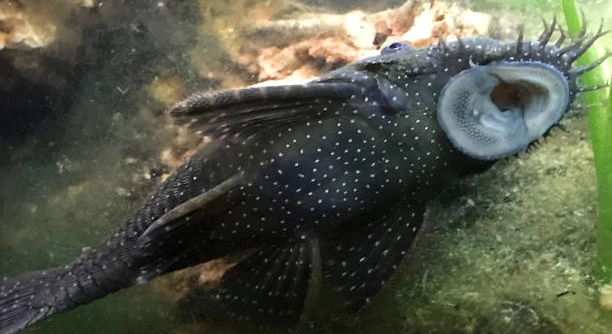
Are your plecos spending more time hiding than swimming freely in your community tank? It can be puzzling and slightly worrying when these peaceful fish choose shadows over open water, especially after settling into a new environment.
Plecos often hide more in community tanks due to territorial behavior, competition for resources, and sensitivity to stress. Environmental factors, such as limited hiding spots, water conditions, and the presence of more active or aggressive tank mates, influence their retreat.
Understanding these behaviors can help you create a more comfortable habitat for your pleco. Adjustments in tank setup and interactions can encourage them to feel safer and more visible.
Common Reasons Plecos Hide in Community Tanks
Plecos are naturally shy, and community tanks can feel overwhelming. They often hide to avoid stress caused by faster, more active fish. Limited hiding spaces can make them feel insecure, leading them to retreat under driftwood, plants, or rocks. Lighting can also affect their behavior; bright lights can make plecos uncomfortable, encouraging them to stay in shaded areas. Water conditions play a role too. Plecos are sensitive to pH, temperature, and cleanliness. Sudden changes or poor water quality can cause them to hide more than usual. Even tank size matters; smaller tanks can increase stress, making hiding the pleco’s default response. Observing their patterns and adjusting the environment can improve their confidence.
Providing multiple hiding spots helps plecos feel secure and encourages natural activity.
Ensuring a balanced environment for plecos requires attention to both their social interactions and habitat. Soft substrates, caves, and driftwood offer places to retreat, while moderate lighting reduces stress. Avoid overstocking, as too many fish increase competition for space and food. Feeding habits are important—plecos may stay hidden if food is scarce or inaccessible. Watching how other tank mates behave can indicate if the pleco is being intimidated. Gradually introducing new fish or rearranging decorations can minimize sudden stress. Water changes should be consistent, maintaining stable parameters. By creating a calm environment with accessible food and plenty of cover, plecos are more likely to venture out and display their natural behaviors, benefiting both their health and the overall balance of the tank.
Adjusting Your Tank for Better Pleco Visibility
Simple changes in the tank can improve pleco comfort and activity.
Adding caves, driftwood, and dense plants gives them safe zones to explore. Removing overly aggressive or fast-moving fish reduces stress. Adjust lighting to mimic natural day-night cycles, keeping it soft when possible. Feeding at regular times and offering algae wafers or vegetables ensures they feel secure. Monitoring water parameters closely prevents sudden discomfort. Rearranging tank décor periodically encourages curiosity without overwhelming them. By balancing tank mates, environment, and feeding, plecos gradually become more confident. Creating an environment that respects their natural instincts allows them to display normal behaviors, making them easier to observe and enjoy. These adjustments are small but have a significant impact on how often plecos feel safe to leave their hiding spots and interact with their surroundings, ultimately improving their overall well-being.
Feeding Habits and Pleco Behavior
Irregular feeding schedules can make plecos stay hidden longer. They feel vulnerable when food is scarce or difficult to access. Providing consistent meals helps them feel secure enough to explore and feed openly without retreating immediately.
Plecos are primarily nocturnal feeders, often coming out at night when the tank is quieter. If food is only provided during peak activity hours of other fish, plecos may remain in hiding to avoid competition. Algae wafers, fresh vegetables, and occasional protein treats should be placed strategically near their preferred hiding spots. Observing when they come out can help adjust feeding times to match their natural behavior, encouraging them to be more visible.
Overfeeding, however, can also affect behavior. Excess food can lead to water quality issues, which plecos are sensitive to, causing them to hide more. Uneaten food can attract faster fish that intimidate them. Keeping feeding amounts moderate and ensuring food reaches pleco-preferred areas helps maintain both their health and visibility. Regular monitoring of how quickly food disappears and adjusting portions accordingly encourages balanced behavior.
Tank Mates and Social Dynamics
Aggressive or overly active tank mates can stress plecos and increase hiding tendencies. Choosing compatible species improves overall harmony in the tank.
Plecos prefer calm companions and enough space to establish their own territory. Aggressive fish may chase or block them from hiding spots, forcing them to retreat constantly. Even smaller, seemingly harmless fish can intimidate plecos if they outcompete them for food. Observation is key: notice which tank mates trigger hiding behaviors and adjust placement or population accordingly. Grouping plecos with peaceful species like tetras, rasboras, or small catfish often results in more confident activity.
Creating zones within the tank can reduce social stress. Driftwood, plants, and caves help plecos establish private areas away from dominant fish. Rotating decorations or adding partitions can provide temporary retreats during feeding or aggressive periods. By managing tank mate selection and creating structured spaces, plecos experience less stress, venture out more, and interact with their environment naturally, improving both their comfort and the tank’s visual appeal.
Lighting and Pleco Activity
Bright lighting can make plecos feel exposed, causing them to hide for longer periods. They naturally prefer dim environments and shaded areas where they feel safe from potential threats.
Adjusting lighting to a softer, more natural cycle helps plecos become more active. Using floating plants or creating shaded zones provides comfort while maintaining visibility.
Water Quality and Stress
Plecos are highly sensitive to water parameters. Poor water quality, sudden changes in temperature, pH, or ammonia levels can increase stress, prompting them to retreat into hiding spots. Maintaining stable conditions is essential for their health. Regular water tests and partial water changes prevent sudden fluctuations, reducing stress-related hiding behaviors.
Tank Layout Considerations
A cluttered tank with limited hiding spots increases pleco anxiety. Providing ample caves, driftwood, and plant cover allows them to feel secure while exploring. Proper layout helps balance their need for shelter with opportunities to move freely and interact safely with the environment.
FAQ
Why does my pleco hide all day and only come out at night?
Plecos are naturally nocturnal, preferring to feed and explore when the tank is quieter. Daytime activity of other fish can make them feel exposed or threatened. Providing shaded areas and hiding spots encourages them to feel safer during the day, though some nocturnal behavior is normal.
Can my pleco be stressed by other fish?
Yes, plecos are sensitive to tank mates. Aggressive, fast-moving, or territorial fish can intimidate them, causing them to hide. Even smaller species can trigger stress if they compete for food or invade hiding spaces. Observing interactions and adjusting tank composition reduces hiding tendencies.
How do I know if my pleco is hiding due to stress or illness?
Stress and illness can look similar. Signs of illness include loss of appetite, unusual spots, frayed fins, or labored breathing. Stress often shows as prolonged hiding without other physical symptoms. Maintaining water quality, providing hiding spots, and monitoring behavior helps distinguish the cause.
Does tank size affect pleco hiding behavior?
Smaller tanks can increase stress for plecos. Limited space restricts movement and territory, making hiding the default response. Larger tanks with multiple hiding zones reduce stress and allow them to establish territory while feeling safe, promoting more visible activity.
How many hiding spots does a pleco need?
Plecos benefit from multiple hiding spots, including caves, driftwood, and dense plants. At least one to two shelters per pleco are recommended. These spots help reduce stress, give them private areas, and allow them to explore without feeling vulnerable.
Should I feed my pleco differently in a community tank?
Yes, feeding in community tanks requires strategy. Plecos often hide while other fish eat. Offering food near hiding spots or at times when other fish are less active encourages feeding without stress. Algae wafers, fresh vegetables, and occasional protein treats work best.
Can changing decorations or layout affect pleco behavior?
Yes, rearranging decorations can either relieve stress or temporarily increase hiding. Introducing new caves or driftwood provides fresh hiding spots, while removing overly exposed areas encourages exploration. Gradual changes are better than sudden rearrangements to avoid stress.
Is it normal for plecos to hide for long periods?
Hiding for long periods is normal for plecos, especially during daylight or when stressed. However, persistent hiding paired with loss of appetite or lethargy could indicate water issues, illness, or aggression from tank mates. Monitoring overall behavior is key.
Can lighting adjustments make my pleco more active?
Yes, soft, dim lighting helps plecos feel secure. Using floating plants, shaded areas, or timed lighting cycles mimics natural conditions, reducing stress. Bright or constant lighting can cause prolonged hiding, while gentle adjustments encourage them to explore.
How often should I check water parameters to prevent hiding behavior?
Frequent monitoring is essential. Weekly testing for pH, ammonia, nitrite, nitrate, and temperature keeps conditions stable. Sudden changes cause stress, prompting hiding. Partial water changes and careful observation maintain a healthy, safe environment for plecos to feel comfortable.
Can plecos ever adapt to community tanks?
Yes, with the right conditions. Providing compatible tank mates, stable water, sufficient hiding spots, and proper feeding allows plecos to become more confident. Over time, they may venture out more during the day while still using shelters when needed, showing normal, healthy behavior.
Do plecos need separate tanks if they hide too much?
Not necessarily. Most plecos thrive in community tanks if environmental needs are met. Separate tanks may only be needed in extreme cases with aggressive species or severe stress. Proper habitat design, careful fish selection, and attention to water quality usually resolve hiding behavior.
How can I tell if my pleco is comfortable in its tank?
Comfortable plecos show occasional exploration, healthy feeding, and use of hiding spots without appearing overly stressed. They may rest during the day and feed at night, but they return to open areas as confidence grows. Stable water, calm tank mates, and sufficient shelter indicate a well-adjusted pleco.
What are the best plants or decorations for plecos to hide in?
Plecos prefer driftwood, dense plants like Java fern or Anubias, and caves made from rocks or ceramic. These provide security and mimic natural habitats. Arranging these thoughtfully allows movement paths and feeding areas, reducing stress and encouraging normal behavior.
How do I encourage a shy pleco to explore more?
Gradually adjusting the tank environment helps. Provide new hiding spots, adjust lighting, and ensure calm tank mates. Feeding near shelters and maintaining stable water conditions builds confidence. Over time, plecos may venture out more frequently, showing natural behaviors without constant hiding.
Can plecos be social with other plecos?
Some species tolerate conspecifics, especially in larger tanks with enough space and hiding areas. Overcrowding or limited territory can increase hiding and stress. Observing interactions and providing multiple shelters ensures plecos can coexist comfortably without constant retreat.
Is it harmful if my pleco hides most of the time?
Hiding itself is not harmful; it’s a natural behavior. Problems arise if hiding coincides with illness, poor water conditions, or lack of feeding. Ensuring clean water, proper nutrition, and secure hiding spots supports both physical and mental well-being of plecos.
How long does it take for a pleco to adjust to a new community tank?
Adjustment can take days to weeks. Factors include tank size, hiding availability, tank mate behavior, and feeding patterns. Patience, consistent water quality, and gradual acclimation help plecos feel secure and reduce prolonged hiding over time.
Can stress from hiding affect pleco growth?
Chronic stress may impact appetite, metabolism, and growth. A pleco that constantly hides might eat less or expend energy avoiding threats. Addressing environmental factors like hiding spots, compatible tank mates, and water stability supports healthy growth and reduces stress-related behaviors.
Should I provide multiple hiding options for a single pleco?
Yes, multiple options allow choice and security. Even a single pleco benefits from at least two or three different shelters. This reduces territorial stress, encourages exploration, and provides comfort when other fish move around the tank.
Are there specific times when plecos are more likely to hide?
Plecos generally hide during daylight and active periods of other fish. Feeding time, water changes, or tank disturbances can also trigger hiding. Providing calm conditions and shaded zones helps plecos maintain normal activity patterns without excessive retreat.
Does water temperature affect hiding behavior?
Yes, plecos are sensitive to temperature changes. Too cold or too warm water increases stress, prompting them to hide. Stable temperatures within species-specific ranges help maintain comfort and encourage normal activity, reducing prolonged hiding behaviors.
Can hiding behavior indicate breeding readiness?
Sometimes, hiding may be linked to breeding instincts. Certain pleco species use caves or secluded areas to lay eggs. Observing behavior along with water conditions and diet can indicate if hiding is related to reproduction rather than stress or illness.
How often should I rearrange the tank to keep my pleco comfortable?
Frequent drastic changes can increase stress. Minor adjustments, like adding new plants or moving shelters slightly, are sufficient. Gradual changes maintain interest without overwhelming the pleco, helping them feel secure while still exploring and interacting with their environment naturally.
Is it normal for plecos to hide even in large tanks?
Yes, size alone doesn’t eliminate hiding behavior. Even in spacious tanks, plecos seek security. Providing shaded areas, caves, and driftwood remains important regardless of tank size, as hiding is a natural and instinctive behavior.
How can I tell if my pleco is too stressed in a community tank?
Signs include prolonged hiding, refusal to eat, rapid gill movement, or unusual swimming patterns. Monitoring water quality, tank mate behavior, and environmental enrichment helps reduce stress. Addressing these factors ensures the pleco remains healthy and more visible.
Do plecos prefer natural or artificial hiding spots?
Natural options like driftwood and live plants are preferred, but ceramic or resin caves work well too. The key is security and comfort. Placement in quiet areas with minimal disturbance encourages use and reduces stress, regardless of whether the materials are natural or artificial.
Can I train my pleco to come out more often?
Yes, gentle consistency works. Feeding near hiding spots, adjusting lighting, and maintaining a calm environment encourages them to emerge. Over time, plecos learn that exploration is safe, though natural nocturnal tendencies may still keep them more active at night.
Does water flow influence hiding behavior?
Strong currents can make plecos seek shelter to conserve energy. Gentle flow or areas of calm water allow them to explore without stress. Creating zones with varied flow helps plecos choose comfortable spaces for activity or rest.
What is the safest way to introduce a new pleco to a community tank?
Acclimate slowly using drip methods to match water parameters. Provide immediate hiding spots and monitor interactions with existing fish. Gradual introduction and proper tank setup reduce stress, allowing the new pleco to establish territory and adapt without excessive hiding.
How do I know if hiding is normal versus excessive?
Occasional hiding is natural. Excessive hiding that interferes with feeding, growth, or health signals an issue. Assess water quality, tank mates, and environment. Adjustments in shelter placement, lighting, and social dynamics often resolve abnormal hiding behaviors.
Can plecos hide together or prefer solitude?
Some species tolerate group hiding, especially with sufficient space and multiple shelters. Others prefer solitude to avoid competition. Observing interactions and providing enough hiding spots ensures both comfort and natural behavior without stress or territorial disputes.
Are plecos more likely to hide during water changes?
Yes, water changes can temporarily stress plecos. Moving them or disturbing decorations may trigger hiding. Performing gradual changes and keeping partial water replacements consistent minimizes stress, allowing plecos to return to normal activity sooner.
Do plecos react to reflections in the glass?
Reflections can be mistaken for other fish, causing stress and hiding. Reducing lighting glare or using background coverings can prevent unnecessary anxiety, making plecos feel more secure and encouraging them to explore the tank naturally.
How important is substrate choice for hiding behavior?
Substrate affects comfort and security. Soft substrates like sand or smooth gravel allow plecos to rest and dig safely, while sharp or uneven substrates can increase stress. Proper substrate choice complements hiding spots, enhancing their sense of security.
Can plecos get used to active community tanks?
Yes, with time and proper care. Gradual acclimation, sufficient hiding spots, and compatible tank mates help plecos adjust. While some will always prefer quieter zones, a well-structured environment encourages exploration and reduces prolonged hiding.
Does pleco size influence hiding frequency?
Larger plecos may feel more confident, but still require hiding spots to feel secure. Smaller or juvenile plecos are naturally more timid. Providing shelters for all sizes ensures comfort and reduces stress-related hiding behaviors.
Can nighttime feeding improve pleco activity?
Feeding at night aligns with natural nocturnal patterns. It encourages plecos to come out when other fish are less active, supporting healthy feeding habits and reducing prolonged hiding during the day.
Is it normal for plecos to ignore food when hiding?
Yes, stress or competition can make plecos avoid feeding temporarily. Ensuring food reaches hiding areas or feeding at quieter times encourages eating without forcing exposure. This approach maintains health while respecting their comfort.
How long can plecos safely hide without eating?
Short-term hiding without food is generally safe, but prolonged refusal may indicate stress, illness, or water issues. Monitoring behavior and adjusting feeding strategies ensures plecos maintain proper nutrition while feeling secure in their environment.
Do plecos ever hide because of noise or vibrations?
Yes, vibrations from pumps, filters, or external sources can trigger hiding. Providing stable equipment placement, gentle water flow, and minimizing external disturbances creates a calmer environment, encouraging natural activity without constant retreat.
Can overcrowding increase pleco hiding behavior?
Overcrowded tanks elevate stress, reduce hiding options, and increase competition for food. Ensuring sufficient space, hiding spots, and careful stocking density allows plecos to feel secure, minimizing prolonged hiding while maintaining healthy social dynamics.
Are some pleco species more prone to hiding than others?
Yes, certain species like common plecos or bristlenose plecos are naturally more secretive. Understanding species-specific behavior helps set realistic expectations and design a tank that balances hiding needs with opportunities for observation.
Does water hardness affect hiding behavior?
Extremes in water hardness can stress plecos. Maintaining species-appropriate levels reduces hiding caused by discomfort or poor water chemistry. Stable, moderate parameters allow plecos to feel safe and explore naturally.
How often should I observe my pleco to ensure healthy behavior?
Daily observation is ideal. Watching interactions, feeding patterns, and hiding frequency helps detect stress, illness, or environmental issues early. Regular monitoring supports adjustments that promote well-being and more balanced activity.
Can plecos hide to avoid light or sudden changes?
Yes, plecos retreat from bright lights or abrupt environmental shifts. Gradual adjustments, shaded areas, and stable routines reduce hiding caused by sudden stressors, supporting natural behavior and comfort.
Is hiding a sign of fear or simply natural behavior?
Hiding can be both. Plecos naturally seek shelter for security, but excessive hiding with other stress indicators may signal fear due to aggression, poor water quality, or environmental disturbances. Understanding context helps interpret their behavior accurately.
Do plecos need hiding spots even in low-activity tanks?
Yes, hiding spots fulfill instinctual needs, offering safety and comfort. Even in calm tanks, plecos benefit from secure retreats to regulate stress and explore the environment confidently.
Can frequent tank maintenance disturb plecos?
Yes, constant rearranging or cleaning can increase hiding. Performing maintenance gradually and minimizing disruption allows plecos to feel safe and maintain normal activity patterns.
How can I balance visibility and hiding for plecos?
Provide shelters that are visible yet secure. Using semi-open caves, plants, or driftwood allows observation while offering retreat options. This balance respects their instincts while keeping them active and healthy.
Are plecos more likely to hide during seasonal changes?
Yes, natural fluctuations in temperature, daylight, or water chemistry can trigger hiding. Maintaining stable conditions during seasonal changes helps plecos feel secure and reduces stress-related behavior.
What role does tank cover play in pleco hiding behavior?
Covers, such as floating plants or driftwood, provide shaded retreats. They reduce exposure, create comfort zones, and encourage natural exploration without forcing the pleco into prolonged hiding. Proper placement enhances both security and visibility.
Can plecos hide in decorations instead of caves?
Yes, driftwood, dense plants, and rock formations serve as effective hiding spots. The key is providing secure, low-disturbance areas that mimic natural habitats and offer both cover and access to food.
Does pleco age affect hiding behavior?
Juvenile plecos are generally more cautious and hide more often. Adult plecos may be bolder but still rely on hiding spots for comfort and security, especially in busy tanks or during stress.
Is hiding influenced by pleco personality?
Yes, individual plecos vary in shyness or boldness. Some are naturally cautious, hiding frequently, while others are more confident. Understanding your pleco’s personality helps tailor tank conditions to support comfort and healthy behavior.
Can feeding variety reduce hiding behavior?
Providing different foods like algae wafers, vegetables, and occasional protein treats can encourage plecos to emerge. Variety stimulates interest and ensures they feel secure while feeding without competing with other fish.
Does hiding behavior change with tank maturity?
Yes, established tanks with stable water, decorations, and social dynamics reduce stress, encouraging plecos to hide less. New or recently rearranged tanks may see prolonged hiding until the environment stabilizes.
How do I prevent my pleco from hiding excessively long-term?
Maintain stable water parameters, provide multiple hiding spots, choose compatible tank mates, feed strategically, and adjust lighting. Gradual environmental improvements reduce stress, encouraging healthy exploration while respecting natural hiding instincts.
Can plecos become more confident over time?
Yes, with consistent care and a supportive environment, plecos gradually explore more. Patience, stable conditions, and suitable shelters foster confidence, making them less prone to prolonged hiding while maintaining natural behavior.
Does tank noise or vibration increase hiding?
Yes, frequent disturbances from equipment or external movement can trigger hiding. Stabilizing equipment, reducing vibration, and providing quiet zones in the tank helps plecos feel secure and reduces stress-related hiding.
Are plecos more likely to hide during breeding periods?
Yes, certain species seek secluded areas for spawning. Hiding during breeding is natural and usually temporary, often accompanied by other behaviors like increased territory defense or nest guarding.
Can plecos hide even if the tank is well-maintained?
Yes, hiding is instinctive. Even in optimal conditions, plecos use shelters for security, rest, and exploration. Proper tank setup ensures they can hide safely while still being healthy and active.
How do I encourage a pleco to feed while hiding?
Place food near shelters or feeding zones. Offer appropriate foods like algae wafers or vegetables. Feeding in a quiet, safe area encourages consumption without forcing the pleco to leave its preferred hiding spots.
Does adding more plecos reduce hiding?
Not always. Overcrowding increases competition and stress. Multiple plecos require adequate space and shelters. Proper planning ensures coexistence without excessive hiding or territorial disputes.
Can stress from water chemistry cause long-term hiding?
Yes, improper pH, ammonia spikes, or unstable temperature can cause chronic stress, leading to prolonged hiding. Maintaining consistent water parameters prevents this behavior and supports long-term pleco health.
Do plecos hide more when introduced to a new tank?
Yes, initial acclimation is stressful. They seek shelter until comfortable with surroundings, tank mates, and food availability. Gradual introduction and immediate hiding options reduce stress and support adjustment.
Can plecos overhide if their tank mates are too active?
Yes, active or aggressive fish may intimidate plecos, prompting extended hiding. Providing multiple retreats and monitoring interactions reduces stress, allowing plecos to emerge safely.
Does hiding affect pleco social interactions?
Prolonged hiding can limit interaction with tank mates, but it is natural behavior. Adequate shelter and careful tank management ensure plecos maintain healthy social interactions without stress.
Are some tank materials better for hiding than others?
Driftwood, smooth rocks, and dense plants are preferred. Sharp or rough materials may discourage use. Safe, comfortable hiding options encourage natural behavior and reduce stress-related hiding.
How do I know if hiding is temporary or chronic?
Temporary hiding occurs during feeding, water changes, or disturbances. Chronic hiding persists regardless of conditions and may indicate stress, illness, or environmental issues. Observation over time helps determine the cause.
Does feeding schedule influence hiding behavior?
Yes,
Final Thoughts
Plecos are naturally cautious fish, and hiding is an instinctive behavior that helps them feel safe. In community tanks, this behavior can be more noticeable due to the presence of other fish, variations in water quality, and environmental factors. Understanding that hiding is part of their nature allows owners to approach the situation without unnecessary concern. Creating an environment that provides security through multiple hiding spots, shaded areas, and appropriate decorations can make a significant difference. Even small adjustments, like adding driftwood or plants, can encourage plecos to explore more confidently while still giving them the comfort of retreat when needed. Observing their patterns and preferences helps tailor the tank setup to their needs, making them feel more at home.
Maintaining stable water conditions is essential for reducing stress and hiding behavior. Plecos are sensitive to changes in temperature, pH, and ammonia levels, so regular water testing and partial water changes are important. Fluctuating parameters or poor water quality can cause prolonged hiding and impact their overall health. Feeding also plays a key role. Offering food near their preferred shelters or during quieter times when other fish are less active encourages plecos to come out and eat without feeling threatened. Providing a varied diet, including algae wafers, fresh vegetables, and occasional protein sources, supports both their health and natural behavior. Over time, consistency in water quality, feeding, and tank management helps plecos adjust, reducing excessive hiding while maintaining their natural instincts.
Social dynamics in the tank also influence pleco behavior. Aggressive or fast-moving fish can intimidate them, while calmer companions allow them to feel secure. Proper tank mate selection and providing sufficient space for each species help reduce territorial stress. Even in larger tanks, plecos will continue to hide if they lack comfortable retreats, so multiple shelters remain important. Gradual acclimation for new plecos and careful observation of interactions help prevent chronic stress. By balancing environmental factors, water quality, feeding, and social interactions, owners can create a supportive habitat where plecos feel safe yet confident enough to explore. Understanding their behavior and respecting their natural tendencies ensures healthier, more active fish while maintaining a peaceful, balanced community tank.

Hello,
If you enjoy the content that we create, please consider saying a "Thank You!" by leaving a tip.
Every little bit helps us continue crafting quality advice that supports the health, happiness, and well-being of pets around the world, for pets of all shapes, sizes, and species.
We really appreciate the kindness and support that you show us!