
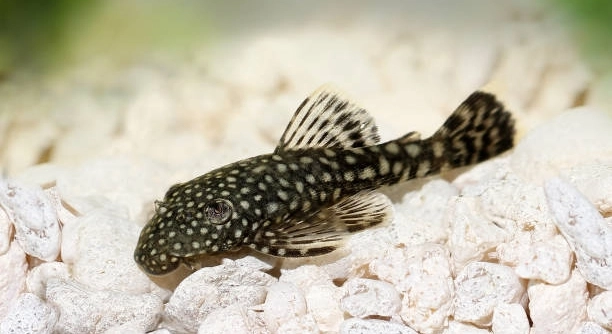
Are your plecos thriving in their tank, or have you noticed subtle changes in their behavior recently? Many aquarists focus on water quality but overlook other elements that may impact their fish’s health. Driftwood, a common tank addition, can play a significant role in overall aquarium hygiene and fish wellbeing.
Plecos can become sick from dirty driftwood due to harmful bacteria, fungi, or parasites that accumulate on its surface. Regular cleaning and proper preparation of driftwood are essential to prevent infections and maintain a safe environment for these fish.
Proper care of tank decorations goes beyond aesthetics. Understanding how driftwood affects your plecos’ health ensures their longevity and supports a thriving, balanced aquarium ecosystem.
Why Driftwood Can Harbor Harmful Organisms
Driftwood is a natural addition to aquariums, providing hiding spots and surfaces for algae and beneficial bacteria. However, when it becomes dirty, it can also host harmful bacteria, fungi, and parasites. These organisms thrive in decaying organic matter, which can accumulate on the driftwood’s surface over time. Plecos often graze directly on driftwood, scraping off its biofilm for food. If that biofilm contains pathogens, the fish may ingest them and develop health issues such as fin rot, fungal infections, or digestive problems. Dirty driftwood can also alter water chemistry by releasing tannins and other compounds that lower pH levels, creating stress for plecos. Stress weakens the immune system, making plecos more susceptible to disease. Even well-prepared driftwood can become contaminated if left in a tank without regular cleaning. Understanding these risks emphasizes the importance of proper maintenance and preparation for driftwood to protect your fish’s health and the overall stability of the aquarium environment.
Cleaning driftwood regularly prevents the buildup of harmful organisms. Boiling or scrubbing the wood ensures it is safe for your plecos.
Proper preparation includes soaking, boiling, and brushing the wood. Soaking removes excess tannins and reduces pH fluctuations, while boiling kills most bacteria and parasites. After these steps, gently scrubbing with a soft brush removes residual debris and biofilm. Once in the tank, observe how plecos interact with it. Some may nibble more actively, which is normal, but excessive grazing or unusual behavior could indicate contamination or poor water conditions. Combining driftwood care with routine tank maintenance—such as water changes, substrate cleaning, and filter checks—creates a stable environment. Avoid using chemical cleaners, as residues can harm plecos. Over time, monitoring the wood for soft spots, mold, or foul odors helps catch potential issues early. By committing to these steps, you protect your fish while maintaining an attractive and functional aquarium setup that supports their natural behaviors and overall wellbeing.
Signs Your Plecos Are Affected
Changes in behavior often indicate that plecos are affected by dirty driftwood. Lethargy, loss of appetite, or unusual hiding patterns may appear.
Infected plecos may show visible signs like frayed fins, white spots, or cloudy eyes. Monitoring these symptoms closely allows early intervention. Immediate water testing and partial tank cleaning help stabilize conditions. In some cases, removing the driftwood temporarily can prevent further contamination while treating the affected fish. Providing a consistent diet and maintaining optimal water parameters supports the immune system and reduces stress. Observing interactions with the driftwood also helps determine whether the issue lies with the wood itself or other environmental factors. Proper care ensures plecos recover quickly and reduces the risk of recurring infections.
Cleaning and Maintaining Driftwood
Regular cleaning prevents buildup of harmful bacteria and fungi. Rinsing driftwood under warm water and scrubbing with a soft brush keeps surfaces safe for plecos. Avoid chemical cleaners, as residues can harm fish.
Boiling driftwood before adding it to the tank helps kill most bacteria, fungi, and parasites. After boiling, soaking it for several days reduces tannin release, which can lower pH levels and stress plecos. Once in the tank, gently brushing the wood every few weeks removes excess biofilm and debris. Combined with regular water changes and filter maintenance, these steps help maintain a healthy environment. Careful monitoring ensures driftwood remains safe and plecos thrive without exposure to harmful organisms that may develop over time.
After cleaning, inspect driftwood for soft spots, mold, or unusual odors. Any signs of decay indicate it may need replacing. Even well-prepared wood can degrade, so ongoing observation is necessary. Proper driftwood care protects plecos while supporting their natural grazing habits and maintaining tank aesthetics. Regular attention to both the wood and water quality ensures a stable, healthy aquarium ecosystem.
Preventing Illness in Plecos
Maintaining clean driftwood is one key way to prevent illness. Consistent water changes, monitoring pH, and removing debris reduce stress and infection risk.
Plecos are sensitive to environmental changes, and dirty driftwood can introduce pathogens that compromise their immune system. Monitoring water quality and keeping the tank free from decaying matter helps prevent diseases like fin rot, fungal infections, and digestive issues. Providing a balanced diet and maintaining stable temperature and pH further supports their health. If signs of illness appear, isolating affected fish and treating promptly prevents the spread of infection. Combining driftwood care with proper tank management ensures plecos remain active, healthy, and engaged with their environment.
Signs of Contamination
Soft spots, mold, or foul odors on driftwood indicate contamination. These issues can introduce harmful bacteria and fungi that affect plecos.
Excessive biofilm or unusual discoloration is another warning sign. Regular inspection helps catch problems early, preventing illness and maintaining a healthy tank environment.
Preparing Driftwood Safely
Boil driftwood for at least one hour to kill bacteria and parasites. Soak it for several days afterward to reduce tannins and avoid sudden pH changes. Brushing off debris ensures a safer surface for plecos to graze and explore naturally.
Monitoring Pleco Health
Observe plecos for changes in behavior, appetite, or appearance. Early detection of issues allows prompt action, minimizing the risk of serious illness and maintaining a healthy, stable aquarium environment.
FAQ
Can plecos get sick from driftwood that looks clean?
Yes, even driftwood that appears clean can harbor harmful bacteria, fungi, or parasites. Pathogens may not be visible to the naked eye, and plecos grazing on the surface can ingest them. Regular cleaning, boiling, and soaking are necessary steps to make driftwood safe.
How often should driftwood be cleaned in the tank?
Cleaning every few weeks is ideal, depending on tank conditions. Scrubbing with a soft brush during water changes removes excess biofilm and debris. Monitoring for soft spots, discoloration, or mold ensures the wood does not become a health risk.
Is boiling driftwood enough to make it safe for plecos?
Boiling kills most harmful organisms, but it should be followed by soaking. Soaking reduces tannin release, stabilizes pH, and removes residual debris. Combined, boiling and soaking prepare the wood to minimize risks to plecos.
Can plecos digest driftwood safely?
Plecos naturally graze on driftwood, which aids digestion and provides fiber. However, only clean, properly prepared driftwood should be offered. Dirty or decaying wood can introduce harmful microorganisms that lead to digestive problems and illness.
What are the signs that a pleco is affected by dirty driftwood?
Symptoms include lethargy, loss of appetite, frayed fins, cloudy eyes, or unusual hiding behavior. Observing these early allows prompt action, such as isolating the fish and cleaning the driftwood, preventing the spread of infection.
Can driftwood affect water quality?
Yes, untreated or decaying driftwood can release tannins and lower pH, stressing plecos. Regular soaking, boiling, and monitoring water parameters ensure that the driftwood remains safe and does not destabilize the tank environment.
How can I prevent illnesses related to driftwood?
Routine cleaning, boiling, soaking, and careful observation are key. Maintaining stable water parameters, providing a balanced diet, and removing decaying organic matter reduce stress and strengthen plecos’ immune systems. Preventative measures are more effective than treating illness after it occurs.
Is it safe to use old driftwood from outside sources?
Driftwood collected from natural sources carries high risks of parasites, bacteria, or fungi. Boiling and soaking are mandatory, but even then, contamination may persist. Purchasing driftwood from reputable aquarium suppliers is safer for plecos.
Can plecos recover if exposed to dirty driftwood?
Yes, if detected early. Removing the contaminated driftwood, performing partial water changes, and treating affected fish promptly can restore health. Supportive care with proper diet and stress reduction accelerates recovery.
Are there alternative decorations to reduce the risk?
Rocks, ceramic caves, and aquarium-safe ornaments can provide hiding spots without the same contamination risk. If using driftwood, it should be carefully prepared and monitored. Combining safe decor with clean driftwood helps balance aesthetics and fish health.
How long can prepared driftwood last in a tank?
Properly prepared driftwood can last several years if maintained. Regular inspection for soft spots, mold, or unusual odors ensures it remains safe. Replacing wood when signs of decay appear protects plecos from potential infections.
Does the type of driftwood matter for plecos?
Yes, some woods release more tannins or degrade faster. Hardwoods like Malaysian driftwood are more durable and safer after preparation. Softer woods may decay quickly, increasing the risk of pathogens. Selecting appropriate wood reduces maintenance and health risks.
What is the best way to introduce new driftwood to a tank?
Boil, soak, and scrub before adding it to the tank. Monitor plecos’ interaction and water parameters closely for the first few weeks. Gradual introduction prevents stress and allows early detection of potential contamination.
Can plecos’ immune systems handle minor contamination?
Healthy plecos can tolerate small amounts of bacteria or fungi. Stress, poor diet, or unstable water conditions reduce immunity, making even minor contamination risky. Preventative maintenance is the safest approach.
Should I remove driftwood if a pleco shows signs of illness?
Yes, removing the driftwood temporarily reduces exposure to harmful organisms while treating the affected fish. Cleaning or replacing the wood prevents further infection and supports recovery.
Does boiling remove all tannins from driftwood?
Boiling reduces tannins but does not remove them completely. Extended soaking after boiling further minimizes tannin release, helping maintain stable water conditions suitable for plecos.
Can multiple plecos in the same tank increase risk?
Yes, pathogens on driftwood can spread quickly among multiple plecos. Monitoring each fish and maintaining clean driftwood reduces disease transmission and keeps the tank balanced.
How long should driftwood soak after boiling?
Soaking for several days to a week is recommended. This reduces tannins, stabilizes pH, and ensures the wood is safe for plecos to graze on without affecting water quality.
Are there signs driftwood is completely safe?
Driftwood that is hard, odorless, free of mold or soft spots, and has stable water parameters is generally safe. Observing pleco behavior helps confirm that the wood is suitable for long-term use.
What routine checks should I do for driftwood?
Inspect weekly for mold, soft spots, discoloration, or unusual odors. Scrub lightly as needed and monitor plecos’ interaction. Regular checks maintain health, prevent contamination, and ensure the tank remains a safe environment.
Is it okay to have driftwood in a new tank immediately?
Only if it has been properly prepared through boiling and soaking. Adding untreated wood can introduce pathogens to the water and affect plecos’ health from the start. Proper preparation is essential for a safe tank environment.
Can driftwood cause long-term health issues if neglected?
Yes, prolonged exposure to dirty or decaying wood can lead to chronic stress, weakened immune systems, and recurring infections. Maintaining clean, prepared driftwood is critical to preventing long-term problems for plecos.
Does tank size affect the risk from driftwood?
Smaller tanks are more sensitive to contaminants, making driftwood hygiene even more important. Larger tanks dilute pathogens more easily, but regular cleaning and monitoring are still necessary for pleco health.
Can plecos adapt to different types of driftwood?
Plecos can adapt to different wood types, but preparation is key. Hardwoods are generally safer, while softer woods may require closer monitoring. Adaptation depends on cleanliness and water stability rather than the wood species alone.
Is it necessary to remove driftwood for routine tank maintenance?
Not always, but temporarily removing it allows for thorough cleaning and inspection. Regular brushing and occasional soaking help maintain hygiene without disrupting the tank environment excessively.
How do I balance aesthetics with pleco safety?
Choose hard, stable driftwood and supplement with rocks or ceramic decorations. Proper preparation and maintenance of wood ensure the tank looks natural without compromising pleco health.
Can plecos survive without driftwood?
Yes, plecos can survive without driftwood if they receive adequate nutrition and hiding places. Driftwood provides grazing opportunities and fiber, but clean alternatives can maintain their wellbeing.
How do I know if a driftwood-related infection is serious?
Rapid deterioration of fins, severe lethargy, or persistent loss of appetite signals a serious problem. Immediate intervention with water changes, treatment, and temporary removal of driftwood is necessary.
Are there specific pleco species more sensitive to dirty driftwood?
Yes, smaller or more delicate species may be more susceptible to pathogens. Monitoring species-specific behavior and adjusting tank maintenance routines ensures all plecos remain healthy and safe.
What’s the simplest way to reduce risks from driftwood?
Boil, soak, scrub, and monitor regularly. Combine these steps with proper water maintenance and observation of pleco behavior to prevent illness and maintain a stable, safe environment.
Can driftwood affect other tank inhabitants?
Yes, harmful bacteria or fungi on driftwood can impact other fish or invertebrates. Proper cleaning benefits the entire aquarium ecosystem, ensuring all species remain healthy and stress-free.
How do I dispose of unsafe driftwood?
Remove it from the tank and discard it safely. Avoid burning indoors or introducing untreated wood to another aquarium. Safe disposal prevents contamination and protects other tanks or environments.
What’s the best ongoing maintenance routine for driftwood?
Weekly inspection, light scrubbing, monthly partial soaking, and observation of pleco health create a consistent routine. Combining driftwood care with water quality monitoring ensures a healthy, safe, and visually appealing aquarium.
Can over-cleaning driftwood harm plecos?
Excessive scrubbing can remove beneficial biofilm that plecos graze on. Gentle cleaning is sufficient to remove debris and harmful pathogens while preserving natural grazing surfaces.
Does driftwood affect water hardness?
Some types can slightly alter hardness, but tannin release primarily affects pH. Monitoring water parameters after adding new wood ensures plecos remain in suitable conditions.
Can driftwood promote beneficial bacteria?
Yes, prepared driftwood provides surfaces for beneficial bacteria, supporting the nitrogen cycle and overall tank stability. Balancing cleaning prevents harmful buildup while maintaining these positive effects.
How long after adding driftwood should I monitor plecos closely?
The first few weeks are critical. Observe for behavioral changes, signs of illness, or water parameter fluctuations to ensure the driftwood is safe and plecos remain healthy.
What are common mistakes aquarists make with driftwood?
Using untreated wood, neglecting cleaning, ignoring signs of decay, and overloading tanks are frequent errors. Following proper preparation and maintenance routines prevents these issues and protects plecos from unnecessary risk.
Can plecos recover completely from driftwood-related infections?
Yes, with early intervention, proper treatment, and removal of contaminated wood, plecos can fully recover. Supportive care, including diet and stable water conditions, is essential for full recovery.
How do I store extra driftwood safely?
Keep it in a dry, ventilated area away from pests and mold. Boiling and soaking before adding it to the tank ensures it remains safe for future use.
Is driftwood necessary for breeding plecos?
It can provide hiding spots and natural grazing surfaces, but clean alternatives like caves or ceramic structures can substitute. Health and safety should take priority over decoration.
Can driftwood affect oxygen levels?
Decaying wood can slightly lower oxygen if it promotes excessive bacterial growth. Regular cleaning prevents this and maintains safe oxygen levels for plecos and other tank inhabitants.
Does driftwood need special care in planted tanks?
Yes, cleaning and monitoring are still necessary, as plants do not prevent harmful bacterial or fungal growth. Prepared driftwood ensures a healthy balance between fish and plants.
Are there signs that driftwood is no longer suitable for plecos?
Softening, foul odor, mold growth, or excessive discoloration indicates it should be removed or replaced. Prompt action prevents illness and protects plecos.
What tools are best for cleaning driftwood?
Soft brushes, tongs, and buckets for soaking are sufficient. Avoid harsh chemicals or metal brushes that can damage wood and harm plecos.
How can I tell if tannins are affecting plecos?
Yellowing water and mild stress symptoms may appear. Regular water changes and soaking driftwood reduce tannin impact, keeping plecos comfortable and healthy.
Is it better to use multiple small pieces or one large piece of driftwood?
Both can work, but multiple small pieces allow easier cleaning and replacement. Large pieces may be harder to manage and more prone to decay over time.
Can driftwood help reduce aggression in plecos?
Providing hiding spots reduces stress and competition, minimizing aggressive behavior. Clean, well-maintained driftwood ensures safety while supporting natural interactions.
What is the maximum safe size for driftwood in a pleco tank?
Size should allow sufficient swimming space and maintain water flow. Oversized wood can restrict movement and trap debris, increasing contamination risk.
Do I need to treat driftwood differently for saltwater tanks?
Yes, driftwood is generally not recommended in saltwater setups due to its impact on salinity and potential for decay. Freshwater preparation methods do not translate directly to marine environments.
How do I balance driftwood and substrate cleaning?
Cleaning both prevents buildup of decaying matter and harmful organisms. Gentle brushing of wood combined with vacuuming the substrate maintains a safe, clean tank environment for plecos.
Can driftwood retain medications?
Yes, some medications may adhere to porous wood, altering dosage effectiveness. Remove or monitor driftwood during treatment to ensure accurate medication levels.
Are there natural ways to reduce bacteria on driftwood?
Boiling and soaking are the most effective. UV sterilizers can also help, but mechanical cleaning and water maintenance remain the primary methods for reducing harmful organisms.
Can driftwood affect algae growth?
Yes, it provides surfaces for algae to grow. Excessive algae can indicate nutrient imbalance or poor water quality, requiring cleaning and observation to maintain healthy conditions.
How important is water circulation around driftwood?
Good circulation prevents stagnation and buildup of debris, reducing harmful bacteria. Ensuring water flows around wood supports pleco health and keeps the tank stable.
Does driftwood affect filter efficiency?
Large pieces can obstruct flow if improperly placed. Proper positioning ensures both filtration and driftwood serve their purpose without compromising water quality.
Can driftwood leach harmful chemicals?
Untreated wood may release tannins and minor compounds, but proper preparation through boiling and soaking minimizes risks while keeping the environment safe for plecos.
Are some plecos more prone to illness from dirty driftwood?
Juvenile or smaller species are more sensitive to pathogens and water fluctuations. Careful preparation and observation are crucial for vulnerable fish.
How do I combine driftwood with other hiding spots safely?
Alternate rocks, caves, or ceramic ornaments with driftwood. Ensure each element is clean and properly prepared to maintain overall tank health and reduce disease risk.
Can driftwood impact tank aesthetics if over-cleaned?
Over-scrubbing may remove natural textures and biofilm, reducing its visual appeal. Gentle cleaning balances aesthetics with safety, keeping the tank natural-looking for plecos and observers alike.
How long should I monitor plecos after adding new driftwood?
Observe for at least two to three weeks. Watch for behavioral changes, feeding habits, and water parameter stability to ensure the new wood is safe and compatible with the tank environment.
Does driftwood provide nutritional benefits for plecos?
Yes, it offers fiber and promotes natural grazing behavior. Properly prepared driftwood supports digestion and supplements their diet while keeping the tank environment safe.
What is the best approach for ongoing driftwood care?
Boil, soak, gently scrub, inspect weekly, monitor pleco behavior, and maintain water quality. This routine ensures driftwood remains safe, functional, and visually appealing in the tank.
Can driftwood interact with aquarium supplements?
Certain supplements may adhere to wood surfaces, altering effectiveness. Monitoring water parameters and observing pleco health ensures no negative interactions occur.
Is it necessary to quarantine driftwood before adding it to an established tank?
Quarantine prevents introducing pathogens to healthy fish. Boiling, soaking, and observing the wood separately minimizes risks before introducing it to the main aquarium.
How do I handle driftwood if a pleco tank experiences disease outbreak?
Remove driftwood temporarily, clean thoroughly, or replace it if contaminated. Combined with water treatment and isolation of affected fish, this helps control the spread of illness and supports recovery.
Are certain driftwood shapes safer than others?
Flat, hard pieces are easier to clean and less likely to trap debris. Complex, porous wood may require more attention to prevent bacterial growth and maintain pleco safety.
Can driftwood affect water temperature?
Indirectly, large pieces may slightly impact circulation and heat distribution. Ensuring proper flow and heater placement prevents temperature inconsistencies that could stress plecos.
What is the most common mistake when adding new driftwood?
Adding untreated wood directly into the tank. This increases the risk of introducing pathogens, altering water chemistry, and stressing plecos. Proper preparation is essential.
Can driftwood help with tank decoration without risking pleco health?
Yes, if boiled, soaked, scrubbed, and monitored regularly. Combining safe wood with other decorations allows a natural aesthetic while minimizing health risks.
How do I know when to replace driftwood?
Softening, odor, mold, discoloration, or rapid decay are signs. Prompt replacement prevents disease, protects plecos, and maintains water stability and visual appeal.
Does the size of plecos affect how they interact with driftwood?
Larger plecos may graze more aggressively and stress softer wood, while smaller ones may be less damaging. Observing interactions ensures both wood and fish remain healthy.
Can driftwood be used in breeding tanks safely?
Yes, but only if properly prepared and monitored. Clean wood provides hiding spots and grazing surfaces without introducing harmful pathogens that could affect eggs or fry.
How can I reduce tannin staining from driftwood?
Extended soaking and water changes minimize tannin release. Activated carbon in the filter can further reduce discoloration while maintaining safe water chemistry for plecos.
Does driftwood need different care in planted tanks?
Yes, plants do not prevent bacterial or fungal growth. Routine cleaning and observation ensure driftwood remains safe without compromising plant health or pleco wellbeing.
Can driftwood create low oxygen zones?
Decaying wood can increase bacterial activity, slightly lowering oxygen. Ensuring good water circulation and regular cleaning prevents oxygen depletion and maintains a safe environment for plecos.
What should I do if plecos refuse to graze on new driftwood?
Allow time for acclimation. Sometimes biofilm needs to develop for plecos to start grazing. Ensure the wood is clean, safe, and properly prepared while observing their behavior.
Are certain tank setups more prone to driftwood-related issues?
Small tanks or high-stocked tanks face higher risks due to faster buildup of pathogens and debris. Careful preparation and regular maintenance are essential in these environments.
Can driftwood affect filter efficiency over time?
Debris and biofilm can partially obstruct flow if not cleaned. Regular monitoring and repositioning maintain proper filtration and prevent potential issues for plecos.
Is it safe to combine driftwood with synthetic decorations?
Yes, as long as the wood is prepared. Mixing materials provides variety, hiding spots, and grazing surfaces while maintaining safety for plecos.
Does driftwood degrade over time?
Yes, even well-prepared wood will slowly break down. Ongoing observation and cleaning prevent decay from harming plecos or destabilizing water quality.
Can driftwood cause cloudy water?
Yes, tannins or decaying matter may cloud water temporarily. Regular soaking, partial water changes, and filter maintenance reduce this effect while keeping plecos healthy.
What’s the best routine for weekly driftwood care?
Inspect for soft spots, mold, or discoloration. Lightly scrub, remove debris, and observe pleco behavior. Weekly checks prevent contamination and
Final Thoughts
Maintaining a healthy environment for plecos requires more than just clean water and proper diet. Driftwood, a common and natural decoration in freshwater tanks, plays an important role in their habitat. While it provides surfaces for grazing and places to hide, it can also introduce risks if not properly prepared and maintained. Harmful bacteria, fungi, or parasites can accumulate on untreated or decaying driftwood, which plecos may ingest while grazing. Over time, this exposure can lead to illnesses, stress, or digestive problems. Regular inspection and care of driftwood are therefore essential to ensure plecos remain healthy. Observing soft spots, mold, foul odors, or unusual discoloration helps detect early signs of contamination. In addition, driftwood can alter water chemistry by releasing tannins, which may lower pH levels. Even minor fluctuations in water parameters can stress plecos, making them more vulnerable to disease. By combining routine driftwood maintenance with consistent water testing, aquarists create a safer, more stable environment that supports the natural behaviors and overall wellbeing of their fish.
Proper preparation of driftwood is a critical step before introducing it to an aquarium. Boiling the wood for at least an hour eliminates most bacteria, fungi, and parasites. Following this, soaking the wood for several days helps reduce tannin release, stabilizes pH, and removes remaining debris. Once in the tank, gentle scrubbing every few weeks prevents excessive biofilm buildup while preserving surfaces that plecos graze on. It is important to avoid chemical cleaners or harsh brushes, as residues or scratches can harm plecos and accelerate decay. By maintaining a routine that includes monitoring water parameters, cleaning both driftwood and substrate, and observing pleco behavior, aquarists can prevent most common health issues. Even with properly prepared wood, ongoing vigilance is necessary. Changes in pleco behavior, loss of appetite, or visible symptoms like frayed fins or cloudy eyes may indicate a problem, and addressing these early can prevent more serious illness. Regular attention to these details ensures a balanced, safe, and attractive aquarium environment.
Supporting plecos’ health goes beyond driftwood care. Providing a stable, well-maintained tank with balanced nutrition, clean water, and suitable hiding spots contributes to strong immune systems and reduces the risk of disease. Driftwood should be seen as both an aesthetic and functional element that complements these efforts. Its presence supports natural behaviors like grazing, while careful preparation and maintenance prevent it from becoming a source of stress or illness. Long-term health for plecos depends on the combination of environmental stability and proactive care. By following proper driftwood preparation methods, routine cleaning, and regular observation of fish behavior, aquarists create an environment that is safe, stimulating, and conducive to wellbeing. A well-maintained tank allows plecos to thrive, interact naturally with their surroundings, and exhibit their full range of behaviors. Consistency, attention to detail, and understanding the role of each element in the aquarium are key to maintaining a healthy, sustainable habitat that ensures plecos live long, active, and stress-free lives.

Hello,
If you enjoy the content that we create, please consider saying a "Thank You!" by leaving a tip.
Every little bit helps us continue crafting quality advice that supports the health, happiness, and well-being of pets around the world, for pets of all shapes, sizes, and species.
We really appreciate the kindness and support that you show us!