
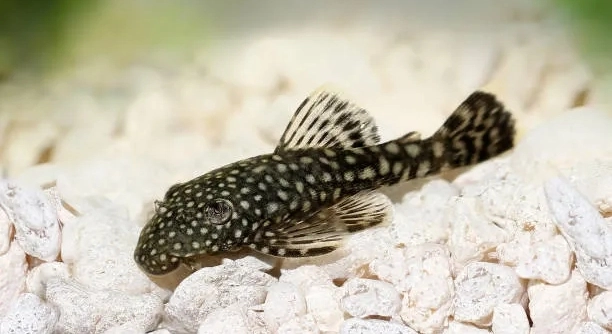
Are your plecos spending more time exploring their tank and interacting with their surroundings? These subtle changes might mean they’re becoming more comfortable and familiar with their aquatic environment.
Plecos show signs of bonding with their space through increased activity, regular feeding habits, and resting in open areas. These behaviors indicate trust and comfort, suggesting they recognize their tank as a safe and stable habitat over time.
Understanding these signs will help you ensure your plecos continue to thrive in a secure and well-balanced aquatic environment.
They Spend More Time in the Open
When plecos begin to feel at home in their tank, they spend more time in visible areas rather than hiding. This shift in behavior reflects a growing sense of security and comfort. At first, plecos are shy and prefer to stay behind rocks or inside caves to avoid threats. Over time, as they recognize their surroundings and the routine of feeding, they start exploring openly. You may notice them gliding along the glass, cleaning surfaces, or resting calmly on the substrate. This is one of the most reliable signs that your pleco has accepted its environment as safe and stable.
Plecos are naturally nocturnal, but seeing them move around more during the day can also indicate confidence. It means they no longer feel the need to stay hidden constantly.
As your pleco grows more comfortable, its behavior reflects both curiosity and trust, showing that it truly feels secure in its space.
They Eat Regularly and Without Hesitation
A healthy appetite is another strong indicator of bonding. When plecos begin eating right after food is introduced, it shows they feel safe enough to feed without hesitation. A comfortable pleco will explore for food calmly, without darting away or hiding.
Feeding behavior often reveals how your pleco perceives its surroundings. At first, new plecos may ignore food or only eat when the lights are off, showing stress or uncertainty. However, once they begin to recognize the feeding schedule, they emerge quickly at feeding time and eat confidently. Some plecos even start associating your presence with food, swimming toward the front of the tank when you approach. This level of response is a sign of trust. It means your pleco no longer views you as a threat but as part of its routine. Consistent feeding habits and relaxed movements are clear signs your pleco has bonded with its home.
They Rest Comfortably in Open Spaces
Plecos that rest in visible areas rather than hiding show strong signs of comfort. This behavior means they feel secure enough to relax without fear, trusting the stability of their tank and surroundings.
When plecos are new to their environment, they tend to seek cover constantly, hiding under driftwood or rocks for long hours. As they adapt and feel safe, they rest openly on glass surfaces or along the substrate. A relaxed pleco will remain still, breathing slowly, often attached to a spot for extended periods. This calm resting posture signals that they recognize the tank as a safe and predictable space.
In some cases, they may even rest closer to other tankmates without displaying defensive behavior. These moments of peaceful stillness reflect genuine trust in their environment, indicating that your pleco has formed a strong sense of security in its space.
They Display Natural Cleaning Behavior
Plecos that actively clean surfaces are demonstrating comfort and normalcy. When they move across driftwood, glass, and rocks with steady, confident motion, it shows they’ve fully adapted to their tank and are maintaining natural habits.
Cleaning is instinctive for plecos, but it only appears consistently once they feel safe. A pleco that’s adjusting to new surroundings may clean sporadically or stop entirely, focusing instead on hiding. When they resume regular cleaning, it reflects both health and comfort. They use their suction mouth to graze on algae, keeping the environment balanced while expressing their natural behavior. Observing this steady activity not only confirms they’re content but also indicates that the tank’s setup and conditions meet their needs. A calm, active pleco is one that feels truly at home in its environment.
They Interact Calmly With Tankmates
Plecos that move calmly around other fish show comfort and confidence. Instead of hiding or reacting defensively, they navigate their surroundings with ease, signaling that they feel secure within the shared space and understand their environment’s social balance.
This calm interaction helps maintain harmony in the tank. When plecos no longer perceive tankmates as threats, it reflects their comfort and adaptation. Their relaxed swimming and steady behavior show they’ve accepted both their environment and the other creatures living alongside them.
They Explore During Feeding Time
When plecos start exploring the tank during feeding, it’s a clear sign of confidence. They may swim along the bottom or glide between surfaces while searching for food. This calm movement indicates they’ve bonded with their space and feel safe being active while feeding.
They React to Routine Movements
Plecos that notice your presence or react to regular tank activity show trust. This recognition develops over time as they associate movement outside the tank with safety or feeding. Their awareness and calm reactions reveal that they’re comfortable and connected with their surroundings.
FAQ
How can I tell if my pleco feels comfortable in its tank?
Comfortable plecos show consistent feeding habits, spend time in open areas, and engage in natural behaviors like grazing on algae. They move calmly around tankmates and react calmly to routine movements outside the tank. Open resting spots and regular cleaning activity are strong indicators of security and trust in their environment.
Why does my pleco hide all the time?
Hiding is a normal response for new plecos or those feeling stressed. A lack of secure hiding spots, sudden changes in water conditions, or aggressive tankmates can increase hiding behavior. Over time, as plecos recognize their surroundings and routines, they gradually emerge and display natural behaviors more frequently.
What does it mean when my pleco explores during feeding?
Exploration during feeding signals confidence and adaptation. Plecos that move around while grazing are demonstrating trust in the tank and comfort with routine. This behavior reflects both physical health and a sense of security, showing they’ve bonded with their environment and feel safe enough to be active.
Is it normal for plecos to interact with other fish?
Yes. Once plecos feel secure, they navigate calmly among other tankmates without aggression or fear. Relaxed swimming, grazing near other fish, and minimal defensive behavior indicate they are comfortable and understand the social balance of the tank. Interaction is a positive sign of adaptation.
Why does my pleco react when I approach the tank?
Plecos often associate your presence with feeding or routine maintenance. Calm, steady reactions show recognition and trust. They may swim closer or become more active during your approach. Over time, these responses indicate a strong bond with both their environment and your predictable routines.
What are signs that my pleco is bonded with its space?
Bonded plecos display open resting habits, consistent feeding, regular cleaning, calm interactions with tankmates, and exploratory behavior during feeding. They respond calmly to routine movements outside the tank and show no prolonged stress or hiding. Together, these behaviors reflect a secure and familiar environment.
How long does it take for plecos to feel comfortable?
The adaptation period varies depending on species, tank conditions, and individual temperament. Some plecos settle within a few weeks, while others take several months. Providing stable water conditions, proper hiding spots, and a consistent feeding schedule helps speed up the bonding process and encourages natural behavior.
Can changes in the tank disrupt my pleco’s comfort?
Yes. Sudden changes such as rearranging decorations, altering water parameters, or introducing aggressive fish can stress plecos. They may temporarily revert to hiding, reduce feeding, or become less active. Gradual changes and careful monitoring help maintain comfort and long-term security in their environment.
Does a bonded pleco need special attention?
Bonded plecos still require regular care, including proper feeding, clean water, and monitoring for health issues. Their comfort doesn’t eliminate the need for consistent maintenance. Observing their behavior helps ensure the tank continues to meet their needs, reinforcing trust and a secure habitat.
What if my pleco never seems comfortable?
Persistent stress or hiding may indicate unsuitable tank conditions, illness, or incompatible tankmates. Evaluate water quality, tank size, and environment. Adjusting these factors and providing secure hiding spots can help your pleco feel safe. In some cases, professional advice from an aquatic specialist may be necessary.
How can I encourage my pleco to bond with its tank?
Maintain stable water conditions, provide ample hiding spots, and follow a consistent feeding schedule. Minimize sudden changes and monitor interactions with other fish. Gradual exposure to tank activity and careful observation of behavior encourages trust and strengthens their connection to the environment.
Do plecos bond with their owners?
While plecos are not social in the same way as mammals, they can recognize routine human activity. Calm responses to your presence and approaching the tank at feeding times indicate recognition and trust, showing a bond with the caretaker through consistent routines.
What role does tank setup play in bonding?
Tank setup is crucial. Adequate space, secure hiding spots, proper lighting, and suitable water conditions create a sense of safety. Plecos explore and engage in natural behaviors when the environment meets their needs, forming a stronger connection with the space over time.
How can I tell if my pleco is stressed versus comfortable?
Stress is indicated by prolonged hiding, erratic swimming, refusal to eat, and frequent defensive postures. Comfort is shown through open resting, calm interactions, regular cleaning, and exploratory behavior during feeding. Observing these differences helps you adjust the environment to maintain their well-being.
Are there signs that indicate bonding is complete?
Bonding is ongoing, but strong indicators include consistent feeding, relaxed presence in open areas, calm behavior around tankmates, steady cleaning activity, and positive responses to routine movements outside the tank. These signs together reflect a secure, comfortable pleco that has adapted fully to its environment.
Can environmental enrichment help bonding?
Yes. Providing driftwood, plants, and varied surfaces encourages natural behaviors like grazing and exploration. Enrichment reduces stress, stimulates activity, and reinforces familiarity with the tank, supporting the pleco’s sense of security and overall well-being.
How often should I monitor behavior for bonding signs?
Daily observation is ideal. Watching feeding habits, interactions, resting spots, and responses to tank activity helps track adaptation. Consistent monitoring allows early identification of stress or discomfort and ensures your pleco remains bonded and healthy in its environment.
What are common mistakes that prevent bonding?
Frequent tank rearrangements, inconsistent feeding, poor water quality, or aggressive tankmates can slow bonding. Ignoring signs of stress or hiding prevents the pleco from feeling secure. Addressing these issues promotes natural behavior and helps plecos establish trust in their surroundings.
Do plecos show affection in ways other than bonding with their space?
While plecos do not express affection like mammals, they show recognition and trust through calm behavior, approaching during feeding, and remaining active in open spaces. These behaviors reflect comfort with both the tank and the caretaker’s predictable routines.
Is it normal for bonding signs to fluctuate?
Yes. Minor fluctuations in behavior can occur due to water changes, seasonal changes, or adjustments in the tank. Temporary hiding or reduced activity does not always indicate stress if the pleco resumes normal behavior quickly, showing that the bond remains intact.
How important is patience in the bonding process?
Patience is essential. Plecos adapt at their own pace, and forcing interaction or frequent changes can hinder bonding. Gradual exposure, consistent routines, and careful observation create a stable environment that allows plecos to feel secure and display natural, confident behavior.
Final Thoughts
Observing plecos bond with their space is a rewarding experience for anyone maintaining an aquarium. Their subtle changes in behavior, from spending time in open areas to actively cleaning surfaces, indicate that they are becoming comfortable and secure. These behaviors show that plecos recognize their surroundings as safe, and that they trust the environment they inhabit. A pleco that is comfortable will demonstrate consistent feeding, calm swimming patterns, and steady interactions with other tankmates. These signs reflect both physical health and emotional stability, confirming that the tank conditions are appropriate and supportive.
Providing a stable environment is essential to encourage bonding. Regular water changes, consistent feeding schedules, and appropriate hiding spots all contribute to a pleco’s sense of security. Sudden changes in water temperature, pH levels, or tank decorations can cause stress, making plecos retreat and hide. Gradual adjustments allow them to adapt without fear, reinforcing their trust in their surroundings. Observing their behaviors closely over time helps caretakers understand which environmental factors promote comfort and which may create stress. Through careful attention and steady maintenance, plecos can develop confidence and exhibit natural behaviors consistently.
Bonding with a pleco is an ongoing process, and patience plays a key role. Each pleco has its own personality and adaptation rate, so some may take weeks while others need months to feel fully comfortable. It is important to respect their pace, providing a calm and stable environment while observing changes in behavior. Over time, plecos demonstrate trust not only in their tank but also in routine human activity around them. Watching them thrive and display natural behaviors, such as grazing, exploring, and resting openly, provides a sense of satisfaction and reassurance that they feel secure. By maintaining consistency and offering the proper conditions, you can ensure that plecos remain healthy, confident, and bonded with their space for the long term.

Hello,
If you enjoy the content that we create, please consider saying a "Thank You!" by leaving a tip.
Every little bit helps us continue crafting quality advice that supports the health, happiness, and well-being of pets around the world, for pets of all shapes, sizes, and species.
We really appreciate the kindness and support that you show us!