
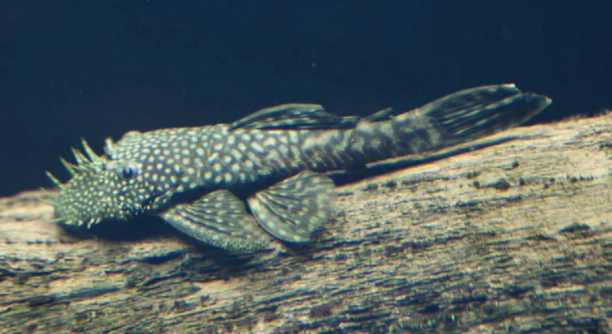
Do you ever find yourself admiring your pleco gliding gracefully along the tank, yet wondering if its environment truly meets its needs? Maintaining a happy pleco requires attention to specific tank features and careful planning.
Plecos thrive in tanks that replicate their natural habitat, including proper hiding spots, smooth surfaces, varied substrates, stable water parameters, adequate filtration, sufficient swimming space, and enrichment elements that encourage natural behaviors, all of which promote their overall health and well-being.
Understanding these essential tank features will help you create a comfortable and engaging environment for your pleco to flourish every day.
Hiding Spots and Shelters
Plecos feel safest when they have ample hiding spots in their tank. Driftwood, caves, and dense plant clusters provide shelter, reduce stress, and encourage natural nocturnal activity. Without proper hiding places, plecos may become reclusive or overly stressed, affecting their appetite and overall health. Wood and stone structures also allow them to graze and scrape algae, which is vital for their diet. When selecting shelters, consider the size of your pleco and the layout of the tank. Avoid sharp edges that could injure their sensitive fins or bodies. Position hiding spots at various points in the tank to give them options and simulate their natural environment. The more comfortable they feel, the more active and healthy they remain. Rotation or rearrangement of decorations can also stimulate exploration and prevent boredom. Overcrowding should be avoided, as multiple plecos will compete for limited hiding areas, which can increase tension and aggression.
Providing hiding spots encourages calm behavior and natural activity in plecos, supporting their overall well-being and reducing stress-related issues.
A tank with well-placed shelters creates a sense of security, allowing plecos to explore and feed naturally. Driftwood and caves not only mimic their native rivers but also serve as grazing surfaces. Including plants and varied structures gives them options to retreat during daylight and encourages more active nighttime behavior. By observing where your pleco prefers to hide, you can adjust the setup to meet its needs and ensure a more comfortable habitat. Rotating or adding new elements gradually keeps the environment engaging and supports both mental and physical health.
Substrate and Tank Bottom
Plecos require a soft, smooth substrate that protects their underbelly and barbels while allowing natural digging and foraging. Sand, fine gravel, or smooth river stones are ideal for creating a safe and comfortable tank floor.
A well-chosen substrate prevents injuries, supports grazing, and helps maintain water quality, essential for pleco health.
The substrate plays a key role in a pleco’s interaction with its environment. Rough or sharp materials can damage delicate fins and barbels, leading to infections or stress. Sand is particularly favorable because it allows natural foraging without risk of injury and supports beneficial bacteria that maintain a healthy nitrogen cycle. Fine gravel or rounded stones can work if sand is not available, but sharp-edged gravel should be avoided. A deep substrate layer encourages burrowing, which aligns with their natural behavior. Maintaining a clean substrate is crucial, as decaying food and waste can build up quickly, affecting water quality. Regular gentle vacuuming or siphoning keeps the substrate healthy without disturbing the pleco excessively. Incorporating leaf litter or small driftwood pieces into the substrate enhances their grazing opportunities and creates a more stimulating, natural environment that supports their overall well-being.
Water Filtration
Strong water filtration is essential for plecos, as they produce significant waste. A reliable filter keeps ammonia, nitrites, and nitrates low, maintaining a stable, healthy environment for your fish.
Filtration not only removes waste but also helps circulate oxygen throughout the tank. Plecos are sensitive to water quality fluctuations, and poor filtration can lead to stress, illness, or reduced activity. A filter rated for a slightly larger tank than you have ensures consistent cleaning and reduces the risk of water parameter swings. Consider a combination of mechanical, chemical, and biological filtration to address different types of impurities. Regular maintenance, including filter media cleaning and replacement, ensures optimal performance. Keep in mind that sudden changes in filter flow can disturb plecos, so adjust slowly if upgrading or moving equipment. Monitoring water parameters frequently is important to confirm that the filter is effectively supporting a safe habitat.
A stable filtration system improves water clarity, reduces harmful toxins, and provides plecos with the clean environment they need to thrive.
Swimming Space
Plecos require ample swimming space to maintain their health and reduce stress. Crowded tanks can limit movement and encourage territorial behavior. Dense decorations or overcrowding with other fish restrict their natural activity.
Providing open areas in the tank allows plecos to swim freely and explore. Even though they often rest near the bottom, plecos benefit from vertical and horizontal movement throughout the tank. The placement of decorations should balance hiding spots with open swimming paths. This setup encourages exercise, supports muscle development, and prevents lethargy. Large plecos especially need more space, as cramped conditions can stunt growth or lead to fin damage. Observing your pleco’s behavior can help identify if they are avoiding certain areas, signaling a need for more open swimming zones. Grouping compatible tank mates thoughtfully also ensures plecos have access to unimpeded areas. A tank designed with both shelter and open space contributes significantly to their overall well-being and natural behavior.
Driftwood and Natural Decorations
Driftwood is essential for plecos, as it provides grazing surfaces and mimics their natural habitat. It also releases tannins, which can slightly lower pH and create a more comfortable environment.
Adding smooth stones, leaf litter, and plants enhances the tank’s natural feel. These elements offer hiding places and surfaces for algae growth.
Water Temperature and Quality
Plecos thrive in stable temperatures between 74°F and 80°F. Sudden fluctuations can cause stress and illness. Maintaining consistent water parameters, including pH, hardness, and ammonia levels, is vital for long-term health and activity.
Tank Lighting
Moderate lighting supports plant growth and natural algae formation without stressing plecos. Bright or prolonged light can encourage hiding and reduce grazing activity.
FAQ
How often should I change the water in a pleco tank?
Regular water changes are crucial to maintain a healthy environment. Generally, changing 25-30% of the water weekly is recommended. This helps remove accumulated waste, excess nutrients, and toxins that can stress plecos. Avoid changing too much water at once, as sudden shifts can disrupt beneficial bacteria and affect water chemistry, leading to stress or illness. Always treat tap water with a dechlorinator before adding it to the tank, and ensure the new water matches the tank’s temperature to prevent shock. Observing your pleco’s behavior can help determine if additional changes are needed during periods of heavy feeding or high waste production.
What types of food are best for plecos?
Plecos are omnivorous, with a strong preference for algae and plant-based foods. Algae wafers, blanched vegetables such as zucchini or cucumber, and occasional protein-rich foods like shrimp pellets are ideal. Feeding a varied diet ensures proper nutrition and supports growth and overall health. Avoid overfeeding, as leftover food can pollute the tank. Introduce new foods gradually to monitor acceptance and prevent digestive issues. Some plecos may also graze on naturally growing algae, so maintaining clean surfaces with controlled algae growth is beneficial. Fresh vegetables should be softened by blanching to prevent digestive problems.
Can plecos live with other fish?
Plecos are generally peaceful but can be territorial with their own kind or similar bottom-dwelling species. They coexist well with larger, non-aggressive fish. Avoid keeping multiple plecos in small tanks, as competition for hiding spots can lead to stress and fin damage. Observing interactions helps determine compatibility. Plecos are nocturnal, so they mostly interact at night, while other species may be active during the day. Providing multiple hiding spots reduces conflicts and ensures all fish have safe areas. Careful planning of tank size, decorations, and species selection contributes to a harmonious community tank.
How can I tell if my pleco is stressed?
Signs of stress include hiding excessively, reduced appetite, unusual swimming patterns, or clamped fins. Stress can result from poor water quality, overcrowding, insufficient hiding places, or sudden environmental changes. Monitoring water parameters and observing daily behavior helps detect stress early. Correcting tank conditions promptly prevents long-term health issues. Stress can also weaken the immune system, making plecos susceptible to infections. Regular tank maintenance, stable temperatures, and a balanced diet reduce stress levels. Providing a consistent routine, gentle lighting, and a quiet environment contributes to overall well-being.
Do plecos need supplements or extra nutrients?
A balanced diet with algae, vegetables, and occasional protein usually provides adequate nutrients. Some plecos benefit from calcium-rich foods or cuttlebone for stronger bones and healthy growth. Supplements can be added if deficiencies are noted but should not replace a varied diet. Over-supplementation can harm water quality and cause health problems. Observing growth, coloration, and overall activity helps identify if supplements are necessary. Rotate food types and occasionally provide mineral-rich treats to support a strong immune system and digestive health.
How large should my pleco tank be?
Tank size depends on the pleco species. Common plecos require at least 75 gallons due to their potential size and activity level. Smaller species, like bristlenose plecos, can thrive in tanks around 30 gallons. Providing adequate space prevents stress, aggression, and stunted growth. Larger tanks allow for proper swimming space, hiding spots, and multiple decorations. A well-planned layout balances open areas with shelters and grazing surfaces. Monitoring the pleco’s behavior and growth ensures the tank remains suitable over time. Upgrading tank size as plecos grow maintains their health and supports natural behaviors.
How do I prevent algae overgrowth while still feeding my pleco?
Algae growth is essential for plecos but must be balanced. Controlling light exposure, avoiding overfeeding, and introducing live plants helps regulate algae. Regular tank cleaning and water changes maintain water quality. Plecos will graze on available algae, but excessive growth can indicate nutrient imbalances. Combining manual removal with natural grazing prevents algae from overtaking the tank. Monitoring water parameters, including nitrates and phosphates, helps maintain stability. Adjusting feeding habits ensures plecos have access to algae without compromising tank cleanliness.
What is the best way to introduce a new pleco to an established tank?
Acclimation is key. Float the bag in the tank to equalize temperature, then gradually mix tank water into the bag over 30–60 minutes. Release the pleco gently to reduce stress. Ensure ample hiding spots are available to minimize territorial disputes. Observing interactions over the first few days helps ensure compatibility. Avoid sudden changes in water chemistry during introduction, as plecos are sensitive to fluctuations. Placing decorations or driftwood near the new pleco’s initial location encourages exploration and provides immediate shelter. Maintain normal feeding and lighting routines to reduce additional stress.
How do I know if my pleco is healthy?
A healthy pleco displays clear eyes, smooth fins, active grazing behavior, and consistent coloration. It swims without difficulty and responds to food or tank activity. Regular water tests, proper diet, and adequate tank conditions support long-term health. Signs of illness, such as white spots, frayed fins, or lethargy, require immediate attention to prevent progression. Observing natural behaviors, including nocturnal activity and grazing patterns, indicates comfort and well-being. Keeping records of water parameters, feeding schedules, and growth helps track health over time. Early detection of changes ensures effective intervention.
Can plecos reproduce in home tanks?
Some species, like bristlenose plecos, can breed in home aquariums if conditions are ideal. Providing caves, clean water, and stable parameters encourages spawning. Eggs are usually laid inside secure hiding spots, and one parent often guards them. Species size, diet, and tank layout influence breeding success. Maintaining consistent water temperature and quality promotes reproduction. Observing behavior can indicate readiness for spawning, such as increased territorial activity or coloration changes. After hatching, fry require suitable foods like powdered algae wafers or blanched vegetables. Planning for additional tanks or separation may be necessary to prevent adult interference.
How do I clean a pleco tank without stressing the fish?
Partial water changes, gentle siphoning, and careful cleaning of decorations minimize disruption. Avoid sudden changes in water temperature or chemistry. Plecos prefer undisturbed hiding spots during cleaning, so move slowly and gradually. Maintaining consistent routines reduces stress and promotes long-term health. Observing their behavior during maintenance ensures comfort. Using soft brushes for decorations prevents fin or body injury. Clean filters according to manufacturer recommendations, rotating media to preserve beneficial bacteria. Avoid aggressive scrubbing of surfaces to maintain natural biofilm and algae for grazing. Scheduling regular maintenance creates a stable, stress-free environment.
What are common signs of illness in plecos?
Symptoms include lethargy, loss of appetite, faded coloration, frayed fins, unusual swimming, and white spots. Early detection is critical for successful treatment. Illness often stems from poor water quality, overcrowding, or dietary deficiencies. Quarantining affected plecos and adjusting tank conditions helps recovery. Maintaining consistent water parameters and providing a balanced diet are key preventative measures. Observing behavior, feeding habits, and physical appearance daily allows prompt identification of issues. Consulting a veterinarian or aquarium specialist ensures proper diagnosis and treatment. Early intervention increases the likelihood of a full recovery.
Final Thoughts
Creating a happy and healthy environment for your pleco requires careful attention to multiple aspects of tank care. Each feature of the tank, from hiding spots to water quality, plays a role in ensuring the well-being of these unique fish. Plecos are naturally nocturnal, gentle, and curious, but they also rely on a tank setup that mimics their natural habitat. Providing proper hiding spots, driftwood, smooth substrates, and a clean swimming area allows them to display natural behaviors, reduces stress, and encourages active exploration. Regular monitoring of water temperature, filtration, and lighting contributes to a stable environment, which is crucial for both health and long-term survival. Observing your pleco daily will give you insight into its preferences, activity levels, and overall comfort within the tank. Making small adjustments based on what you observe can make a significant difference in their happiness and vitality.
Feeding and nutrition are equally important in maintaining a thriving pleco. While these fish are known for grazing on algae, a varied diet ensures they receive the nutrients necessary for growth, strong immune function, and energy. Vegetables such as zucchini, cucumber, and spinach, along with algae wafers and occasional protein-based foods, provide a balanced diet. Overfeeding can lead to poor water quality, which can stress plecos and cause health issues, so portion control is essential. Alongside proper feeding, maintaining water quality through regular changes and filtration ensures a safe and clean habitat. Plecos are sensitive to changes in ammonia, nitrite, and nitrate levels, and a stable environment helps prevent disease and promotes natural behavior. Watching how your pleco interacts with its tank and food can help you adjust care routines to better suit its needs and maintain a harmonious environment.
Understanding the specific needs of plecos goes beyond basic tank setup. Providing adequate space, natural decorations, proper lighting, and careful maintenance are all essential in supporting their health. Additionally, monitoring for signs of stress, illness, or behavioral changes allows you to intervene early and maintain optimal living conditions. Plecos respond to consistent routines, gentle handling, and a well-maintained environment, and each tank adjustment can improve their quality of life. Paying attention to details such as hiding places, algae availability, and tank mates ensures they remain comfortable and active. By combining proper tank design, nutrition, and maintenance, you can create a thriving habitat that supports their natural behaviors and overall well-being. This thoughtful approach not only enhances your pleco’s life but also makes caring for them a rewarding and enjoyable experience, reflecting your commitment to their long-term health and happiness.

Hello,
If you enjoy the content that we create, please consider saying a "Thank You!" by leaving a tip.
Every little bit helps us continue crafting quality advice that supports the health, happiness, and well-being of pets around the world, for pets of all shapes, sizes, and species.
We really appreciate the kindness and support that you show us!