
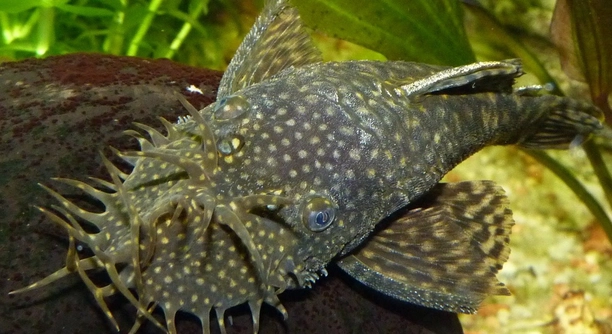
Keeping plecos happy in your aquarium can be trickier than it seems. These fish are sensitive to changes in their environment, especially when it comes to lighting. Understanding their needs helps maintain a calm tank.
Plecos dislike sudden or frequent changes in lighting because it disrupts their natural behavior and stress levels. Maintaining a consistent, gentle light cycle ensures their well-being and prevents abnormal hiding, feeding, or activity patterns.
Learning which lighting adjustments affect plecos most can improve your aquarium setup. The following guide explains common lighting changes and how to avoid upsetting your fish.
Sudden Bright Lights
Sudden bright lights can startle plecos and make them hide for long periods. These fish are naturally nocturnal and prefer dim lighting, so intense brightness can increase their stress. In my tank, I noticed that whenever I turned on the overhead light quickly, my plecos would retreat to caves or decorations. Even small changes, like switching on a desk lamp near the aquarium, can trigger this reaction. Consistent, soft lighting helps them feel secure and encourages normal feeding patterns. Over time, I learned to introduce light gradually, using dimmers or covering a portion of the tank during brighter periods. This method keeps their environment stable and reduces unnecessary stress. Watching them slowly come out as the light softens shows how much they respond to gentle adjustments. Avoiding sudden brightness is simple but makes a noticeable difference in their comfort. Plecos are sensitive, and respecting their natural light preferences promotes health and activity.
Avoid turning on bright lights abruptly to maintain plecos’ comfort and reduce stress. Gradual adjustments are essential for their normal behavior.
Soft, steady lighting allows plecos to explore without fear. It also supports plant growth and creates a calm environment for all tank inhabitants.
Frequent Light Changes
Frequent changes in lighting can confuse plecos. They need a predictable cycle to regulate sleep and activity. Too many changes can make them hide more often and reduce feeding. In my experience, sticking to a regular schedule keeps them active and visible.
When lights switch on and off at irregular intervals, plecos struggle to adapt. Their internal rhythm relies on consistency. Constant changes may lead to irregular eating habits, stress, and even weakened immune responses. I noticed that my plecos became less active and hid behind decorations whenever the light schedule was inconsistent. This behavior signals discomfort, not laziness. Using a timer helps maintain a steady day-night cycle. Gradual changes, like simulating dawn and dusk, can also ease transitions. Over several weeks, my plecos became more confident in exploring the tank, feeding regularly, and interacting with their environment. Their coloration appeared brighter, and stress indicators, like frantic movements or excessive hiding, were reduced. Predictable lighting supports both physical and mental health, making it easier to enjoy a lively, thriving tank. Consistency is key to creating a stable habitat for plecos.
Fluctuating Light Intensity
Plecos react poorly to light that changes intensity throughout the day. Sudden dimming or brightening can cause stress and make them hide or stop eating. Consistent light intensity helps them feel secure and maintain normal behavior.
In my tank, I noticed that fluctuating light made my plecos stay under decorations for longer periods. They became less active during feeding times, and some even avoided certain areas of the tank. Gradual changes in intensity, such as simulating natural sunrise and sunset, worked much better. Using a dimmer or adjustable LED system gave me control over light levels without startling the fish. Over time, the plecos returned to their normal routines and explored more freely. It’s surprising how sensitive they are to these subtle differences in lighting.
Maintaining a steady intensity throughout the day improves plecos’ well-being. They become more predictable in activity, feeding habits, and interactions. Simple adjustments in light intensity make a big difference in keeping them healthy and stress-free.
Rapid Light Cycling
Rapidly turning lights on and off disturbs plecos. Their natural rhythm is thrown off, which leads to hiding, stress, and inconsistent feeding patterns. Limiting sudden light changes preserves their stability and overall health.
When lights flicker or switch quickly, plecos often retreat to corners or caves, refusing to eat for hours. In my experience, this behavior was most noticeable during tank maintenance when overhead lights were turned on and off repeatedly. Using a timer helped reduce this issue by keeping a predictable schedule. Rapid changes not only affect feeding but can also disrupt social interactions with other tank inhabitants. Plecos seemed tense, constantly adjusting to the unpredictable lighting rather than engaging with their environment. Gradually introducing light transitions helped restore normal behavior. Over several weeks, my plecos explored more, fed consistently, and displayed less stress. Observing them adapt reinforced the importance of slow, controlled light cycling for their well-being. Consistent patterns create a calm and predictable environment that plecos thrive in.
Using Very Bright Bulbs
Extremely bright bulbs overwhelm plecos and make them retreat. Their eyes are sensitive, and constant exposure can cause stress and discomfort. Using softer or diffused lighting is much better for their comfort and normal activity.
Even if the tank looks more visible to us, plecos prefer dimmer conditions. Bright light often drives them to hide for longer periods, reducing their feeding and interaction. I switched to LED lights with adjustable brightness, and it made a clear difference. Plecos began exploring the tank more, coming out during feeding times and moving freely. Simple changes in bulb brightness improved their confidence and overall well-being.
Changing Light Color
Plecos are sensitive to sudden shifts in light color. Switching from warm to cool tones can make them unsettled, affecting activity and feeding patterns.
Using consistent color tones helps plecos feel safe. In my experience, abrupt changes in light color caused them to hide and avoid open spaces. Maintaining steady light color ensures they behave normally.
Flickering Lights
Flickering lights can be stressful for plecos. Constant changes in brightness or flashes disrupt their environment and make them anxious, hiding for long periods.
What type of lighting is best for plecos?
Soft, dim lighting works best for plecos. They are nocturnal fish and prefer low light conditions that mimic their natural habitat. In my tank, using LED lights with adjustable brightness helped create a calm environment. This allowed my plecos to feed normally and explore without stress. Bright, harsh lights made them hide constantly, so keeping a gentle glow is essential. I often use tank covers or shaded areas to diffuse the light, which helps plecos feel secure. Consistency is key, and having the same light level for most of the day reduces stress and encourages natural behavior.
How long should aquarium lights be on each day?
Plecos do well with about 8 to 10 hours of light per day. Too much light can cause stress and make them hide, while too little can disrupt their activity. I found that using a timer helped maintain a steady schedule, giving them a predictable day-night cycle. This timing keeps their feeding and resting patterns consistent. Gradually increasing and decreasing light at the beginning and end of the day mimics sunrise and sunset, making transitions less stressful. A consistent schedule also benefits tank plants, creating a balanced environment. Keeping lights on a routine helps plecos remain active, healthy, and visible.
Can colored lights affect plecos?
Yes, sudden changes in light color can unsettle plecos. Switching from cool white to blue or red lights abruptly may cause them to hide. I experimented with different light colors and noticed plecos became more active when the color stayed consistent. Gradual transitions are easier for them to adapt to. Choosing a light with a natural spectrum, or sticking to one color, prevents confusion. It’s important to observe how your plecos respond; if they seem stressed or hide more, the light might be too intense or too different from their usual color. Maintaining a stable color tone improves their comfort and behavior.
Do plecos need darkness at night?
Plecos require complete darkness at night to rest properly. Leaving lights on overnight can disturb their sleep, increase stress, and reduce feeding during the day. I ensure that my tank is fully dark for 10 to 12 hours every night. Plecos take advantage of these dark periods to move freely and feed when lights turn back on. Using a tank cover or room blackout helps maintain proper darkness. Nighttime darkness is essential for their natural rhythms, and skipping it can lead to long-term health issues. Providing darkness ensures they remain active during their normal cycle and prevents unusual hiding behavior.
How do I reduce flickering in my aquarium lights?
Flickering lights stress plecos and make them hide frequently. I replaced old bulbs and used a high-quality LED system to prevent flicker. Even small, rapid changes in brightness can unsettle them. Consistent power supply and checking for loose connections helps maintain steady light. Observing plecos’ behavior after fixing flicker confirmed that they became more confident and visible. Avoiding cheap or faulty lighting systems is important. A stable light environment supports normal feeding, movement, and overall health. Investing in a reliable lighting setup creates a calm, stress-free tank for plecos.
Is it okay to change lighting gradually?
Gradual lighting changes are better than sudden shifts. Plecos adapt slowly to new light levels, and rapid transitions can cause hiding or stress. I dimmed lights over 30 minutes when increasing brightness, and plecos started exploring more naturally. Using timers or dimmers ensures changes are slow and predictable. Gradual adjustments also help plants and other tank inhabitants adapt. Sudden changes, even for a short period, may disrupt their internal rhythm. Patience is important, and small steps in light adjustment make a noticeable difference in plecos’ comfort. Gradual transitions maintain a balanced, calm environment.
Can different types of lights be combined safely?
Combining lights is safe if they are consistent in intensity and color. I use both LED and soft fluorescent lights, keeping the total brightness low. Avoid mixing lights that create stark contrasts, as plecos may hide or avoid parts of the tank. Consistency in spectrum and timing is essential. Observing plecos’ behavior helps determine if they are comfortable. Mixing lights should never create sudden changes or flicker. A balanced combination provides enough illumination for plants while keeping plecos stress-free. Planning carefully ensures all elements of the tank work harmoniously without affecting the fish negatively.
How do plecos react to bright lights during feeding?
Bright lights during feeding often make plecos retreat to hiding spots. I noticed that reducing overhead light while feeding encouraged them to come out and eat. Using shaded areas or dimmable lights during feeding prevents stress and supports natural behavior. Plecos respond better to low-intensity lighting when active, which makes their movements more predictable. Consistent, gentle light promotes normal feeding habits and prevents prolonged hiding. Bright, harsh lights can disrupt their appetite and daily routine. Adjusting light during feeding times helps maintain a healthy, calm environment where plecos feel safe to explore and eat comfortably.
Are timers helpful for maintaining pleco lighting?
Timers are extremely helpful for creating a stable light schedule. I rely on timers to turn lights on and off at the same times daily. This consistency reduces stress, supports feeding habits, and maintains their natural day-night cycle. Timers also prevent human error, ensuring predictable conditions. Over weeks, my plecos became more confident and visible, and their activity patterns normalized. Timers allow for gradual transitions if paired with dimmable lights. They are an easy solution to maintain a stable environment, improve fish health, and reduce stress caused by inconsistent lighting.
Plecos are surprisingly sensitive to changes in their environment, especially when it comes to lighting. Unlike many other fish, they thrive best in calm, dimly lit conditions that mimic the natural habitats they come from. Sudden brightness, flickering lights, or frequent changes in intensity can make them stressed and more likely to hide. Over time, this stress can affect their feeding habits, activity levels, and overall health. Observing their behavior carefully is key to understanding how they respond to light in your tank. I’ve found that when plecos feel safe and the lighting is consistent, they explore more freely, feed on time, and display healthier behavior patterns. Even small adjustments, like using a dimmer or adding shaded areas, can make a noticeable difference in how comfortable they feel. It’s important to remember that plecos are naturally nocturnal and prefer quiet, low-light conditions during the day. Mimicking these conditions helps them maintain a natural rhythm and reduces stress significantly.
Consistency is one of the most important factors in lighting for plecos. Rapid changes, whether in brightness, color, or duration, disrupt their natural cycles and can make them anxious. Using timers or dimmable lights helps maintain a predictable schedule and ensures they get enough darkness to rest properly at night. I personally rely on a timer system that gradually increases light in the morning and dims it in the evening, which closely resembles natural sunrise and sunset. This method allows plecos to adjust without feeling overwhelmed. Maintaining a stable environment not only benefits the fish but also improves the overall health of the tank. Plants grow better under consistent lighting, and other tank inhabitants feel less stressed. Even minor fluctuations, like flickering or shifting light colors, can cause plecos to retreat, so it’s worth investing in quality lighting equipment. Over time, stable lighting encourages natural behavior, making plecos more visible and easier to observe without disturbing their routine.
Lighting is not the only factor affecting plecos, but it plays a significant role in their comfort and well-being. By understanding their preferences and providing consistent, gentle light, you create a tank environment that supports healthy feeding, activity, and social interaction. Plecos respond positively to soft light, gradual transitions, and predictable schedules. Avoiding bright, sudden, or flickering lights reduces stress and encourages them to be more active during the day. Observing your plecos and adjusting the lighting to meet their needs can improve their overall quality of life. Over time, you will notice that they explore more, eat regularly, and appear healthier overall. Caring for plecos is simpler when you focus on creating a calm and predictable environment. Simple changes in lighting can make a lasting difference in their happiness, health, and behavior, helping them feel safe and secure in their home.

Hello,
If you enjoy the content that we create, please consider saying a "Thank You!" by leaving a tip.
Every little bit helps us continue crafting quality advice that supports the health, happiness, and well-being of pets around the world, for pets of all shapes, sizes, and species.
We really appreciate the kindness and support that you show us!