
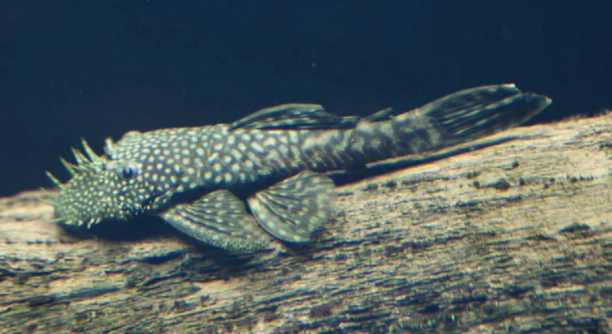
Bristlenose plecos and loaches are popular choices for community aquariums. Both species offer unique behaviors and appeal, but their coexistence can raise concerns for new and experienced aquarists alike. Careful planning helps create a peaceful environment for both.
Bristlenose plecos can coexist with loaches under proper conditions. Ensuring adequate hiding spots, compatible tank size, and balanced feeding routines reduces territorial disputes and stress. Monitoring behavior and maintaining clean water are essential for sustaining harmony in a shared aquarium.
Understanding how these species interact and what they need will help maintain a stable and healthy tank for everyone involved.
Understanding Bristlenose Plecos
Bristlenose plecos are calm, bottom-dwelling fish known for their algae-eating habits. They thrive in well-structured aquariums with hiding spaces like caves, driftwood, or dense plants. Their peaceful nature makes them compatible with many community fish, but they do require attention to diet and tank maintenance. Plecos are nocturnal, meaning they are most active during the evening, cleaning algae and scavenging for food. Providing a balanced diet of algae wafers, fresh vegetables, and occasional protein ensures they stay healthy and active. Overcrowding or lack of hiding spots can lead to stress, which affects their health and may trigger aggressive behavior. Water quality is crucial; they prefer slightly acidic to neutral water with stable temperatures. Observing their behavior during feeding and daily activity helps identify early signs of stress. With proper care, bristlenose plecos can live for over a decade, contributing to a clean and peaceful tank environment.
Their gentle temperament and small size make bristlenose plecos easy to manage alongside compatible tank mates.
Plecos are adaptable but thrive best with consistent feeding schedules and clean water. Regular water changes prevent ammonia and nitrate buildup. They often appreciate driftwood to rasp on, which aids digestion. Observing their interaction with other fish, especially bottom dwellers, helps prevent conflicts. Proper tank setup allows them to coexist comfortably with loaches, creating a balanced aquarium ecosystem.
Loaches in a Community Tank
Loaches are active and social fish that prefer group living. Their playful movements and tendency to burrow keep the tank dynamic and interesting.
Because loaches are energetic, they need ample swimming space and soft substrates to avoid injury. Keeping them in groups of three or more reduces stress and encourages natural behavior. They are generally compatible with bottom dwellers like plecos if hiding spots are sufficient. Regular feeding with sinking pellets and occasional live or frozen treats satisfies their nutritional needs. Observing their behavior ensures that no aggression develops toward tank mates, which can happen if territory is limited. Loaches also respond well to varied environments, including rocks, plants, and driftwood, which provide shelter and stimulate exploration. Ensuring water parameters are stable, with proper filtration and gentle flow, supports their health. When care guidelines are followed, loaches coexist peacefully with bristlenose plecos, enriching the tank with movement and personality.
Loaches require careful observation in shared tanks to maintain harmony with slower, more sedentary fish.
Active and curious, loaches thrive in a well-structured community setup. Providing hiding spots, group living, and soft substrate ensures their comfort. Pairing them with bristlenose plecos works well when tank space is adequate. Observing interactions allows adjustment to prevent stress or aggression. Their social nature adds movement and vitality, enhancing the overall environment. Proper feeding routines, including protein-rich treats, help keep loaches healthy while minimizing competition for food. Ensuring stable water quality with filtration and regular maintenance supports longevity. Tank design matters, as loaches appreciate varied terrain and gentle currents that mimic natural habitats. Monitoring compatibility with other bottom dwellers is key, as territorial disputes can arise if resources are limited. When all requirements are met, loaches and plecos coexist smoothly, creating a balanced and lively aquarium for both species.
Tank Setup and Environment
A well-planned tank reduces stress and promotes peaceful coexistence. Hiding spots, caves, and driftwood are essential for both plecos and loaches.
Providing ample space allows each fish to establish its own territory. Plecos need areas to graze on algae or rasp driftwood, while loaches enjoy soft substrates for burrowing. Plants and decorations offer shelter and visual barriers, preventing direct confrontations. Proper lighting cycles help maintain natural behavior, as plecos are nocturnal and loaches are more active in subdued light. Water flow should be moderate, mimicking natural conditions, and avoiding strong currents that stress the fish. Filtration must be efficient to maintain clean water, reducing the risk of disease. Temperature and pH levels should remain stable, as sudden changes can trigger aggressive or defensive behavior. Monitoring how the fish use the space ensures adjustments can be made.
Space planning is crucial; overcrowding can lead to stress and aggression. Each species benefits from dedicated zones.
Maintaining a balanced environment includes substrate choice, hiding spots, and open swimming areas. Driftwood and caves support pleco grazing and loach exploration. Soft sand or fine gravel prevents injury while burrowing. Plants create visual separation and reduce stress. Moderate lighting encourages natural activity cycles, with plecos active at night and loaches during the day. Consistent temperature and pH prevent sudden behavioral changes. Efficient filtration ensures clean water, limiting disease risk. Regular observation allows adjustments, keeping the tank peaceful. Adequate space for feeding and resting helps both species thrive together.
Feeding and Diet
Plecos require algae-based diets, supplemented with vegetables and protein. Loaches are omnivores with a preference for live or frozen food.
Feeding schedules should be consistent to reduce competition and stress. Providing sinking pellets ensures bottom dwellers receive sufficient nutrition. Vegetables like zucchini or cucumber support pleco health, while loaches benefit from bloodworms or daphnia. Observing feeding behavior ensures all fish are eating properly. Overfeeding can pollute the water, so portion control is important. Separating feeding areas can prevent dominance by larger or faster fish. Variety in diet promotes optimal growth and vitality for both species. Nutritional balance supports immune function and long-term health, reducing aggression caused by hunger or competition.
Balanced feeding ensures all fish get proper nutrition while minimizing disputes.
Both species thrive on varied diets. Plecos need algae wafers, vegetables, and occasional protein. Loaches require live, frozen, or prepared foods. Feeding in multiple areas prevents dominance or competition. Proper portions avoid water pollution, and routine observation ensures no fish is underfed. This approach supports growth, activity, and overall health. Maintaining clean water and monitoring behavior allows adjustments to diet as needed. With careful feeding practices, plecos and loaches coexist peacefully, each receiving adequate nutrition without stress.
Compatibility and Behavior
Plecos are generally peaceful, while loaches are active and social. Understanding each species’ temperament helps prevent conflicts.
Observing interactions early is key. Plecos usually keep to themselves, and loaches stay busy exploring. Minor chasing may occur, but it rarely escalates if space and hiding spots are sufficient.
Managing Stress
Maintaining clean water and stable conditions reduces stress for both species. Stress can trigger aggression or illness. Providing adequate hiding spaces, gentle water flow, and balanced feeding routines keeps fish calm and healthy. Monitoring behavior regularly allows adjustments to the environment before problems arise.
Signs of Aggression
Aggressive behavior includes chasing, nipping fins, or territorial displays. Plecos may defend their caves, while loaches might chase bottom-dwelling fish during exploration. Early identification prevents escalation and protects the overall harmony of the tank.
Observation and Adjustment
Regular observation is essential to ensure peaceful coexistence. Adjust tank layout, feeding strategies, or group sizes if signs of stress or aggression appear. Prompt action maintains a balanced environment and supports the long-term health of all fish.
FAQ
Can bristlenose plecos and loaches live together in the same tank?
Yes, they can coexist when the tank is properly set up. Both species are bottom dwellers, so adequate space, hiding spots, and proper feeding routines are essential to prevent stress or territorial disputes. Observing their behavior helps maintain harmony.
What tank size is recommended for both species?
A minimum of 30 gallons is recommended, though larger tanks provide more freedom and reduce conflicts. Plecos need space to graze and find hiding spots, while loaches require room to swim and burrow. More space makes coexistence smoother and less stressful.
How many loaches should I keep together?
Loaches are social fish that thrive in groups of three or more. Keeping them in small groups reduces stress, encourages natural behavior, and prevents them from becoming aggressive toward each other or other tank mates.
Do plecos and loaches compete for food?
They can, if feeding is not managed. Plecos primarily eat algae and vegetables, while loaches are omnivorous and enjoy live or frozen foods. Feeding in multiple areas and providing sinking pellets ensures both species get enough nutrition.
What kind of substrate is best for loaches and plecos?
Soft sand or fine gravel works best. Loaches like to burrow, and rough substrate can injure their delicate barbels. Plecos also appreciate smooth surfaces for grazing. Avoid sharp or coarse gravel to prevent injuries.
Are there specific hiding spots needed for plecos?
Yes, plecos are territorial and need caves, driftwood, or dense plants to retreat to. Adequate hiding spots reduce stress and limit conflicts with loaches or other tank mates. Multiple caves help if you have more than one pleco.
Can plecos and loaches tolerate the same water conditions?
Generally, yes. Both prefer slightly acidic to neutral water with stable temperatures. Avoid sudden changes in pH or temperature, as both species are sensitive and may show signs of stress or illness if conditions fluctuate.
What should I feed plecos and loaches?
Plecos need algae wafers, fresh vegetables, and occasional protein. Loaches benefit from sinking pellets, live or frozen foods like bloodworms, and small portions of vegetables. A balanced diet supports health and reduces competition during feeding time.
How can I tell if my fish are stressed?
Signs of stress include hiding excessively, loss of appetite, erratic swimming, or aggression. Plecos may retreat from open areas, while loaches may chase excessively or show pale coloration. Regular observation allows early intervention before problems escalate.
Do loaches and plecos breed easily in a community tank?
Bristlenose plecos may breed if conditions are favorable, including proper caves and water quality. Loaches are less likely to breed in community tanks. Breeding should be monitored to prevent overcrowding and ensure young fish have proper care.
What common mistakes should I avoid?
Overcrowding, lack of hiding spots, improper feeding, and poor water quality are the main issues. Ignoring behavior or tank dynamics can lead to stress and aggression. Regular maintenance, careful observation, and proper setup prevent these problems.
Can aggressive behavior between these species be resolved?
Yes, by adjusting hiding spots, increasing tank size, separating fish temporarily, or rearranging decorations. Observing interactions and making small environmental changes often resolves minor disputes without permanent separation.
How often should I clean the tank?
Regular cleaning is important, but over-cleaning can stress the fish. Partial water changes weekly and cleaning decorations or substrate as needed maintain water quality while keeping fish comfortable. Monitoring water parameters ensures a healthy environment.
Are there other compatible fish for a pleco and loach tank?
Peaceful mid- to top-dwelling fish are usually good companions. Avoid aggressive or highly territorial species. Consider tetras, rasboras, or gouramis that stay higher in the water column, allowing plecos and loaches to maintain their bottom territory.
How long do plecos and loaches typically live?
Bristlenose plecos can live 8–12 years with proper care, while loaches may live 10–15 years depending on species and environment. Stable water conditions, proper diet, and minimal stress contribute to their longevity.
Can I keep multiple plecos with loaches?
Yes, but ensure each pleco has its own hiding space to reduce territorial disputes. Multiple loaches and plecos need sufficient space and decorations to prevent stress and aggression.
Do plecos and loaches need a specific lighting setup?
Moderate lighting is best. Plecos are nocturnal, so subdued light or shaded areas help them feel secure. Loaches are more active in gentle lighting. Avoid overly bright or direct lights that may stress either species.
Is monitoring water flow important?
Yes, moderate flow mimics natural habitats. Plecos prefer calmer areas to graze, while loaches enjoy gentle currents for exploration. Strong flow can stress bottom dwellers and affect their behavior.
What signs indicate they are coexisting well?
Fish swim normally, eat without competition, and use hiding spots appropriately. Minimal chasing, consistent activity levels, and healthy coloration indicate a harmonious tank environment.
How can I make feeding time easier?
Feed in multiple spots, provide sinking pellets, and separate foods for each species if necessary. Observing the fish ensures everyone gets their share without conflict. Consistency and portion control help maintain water quality and peace in the tank.
Can decorations affect coexistence?
Yes, strategically placed rocks, plants, and driftwood create natural barriers and hiding spots. This prevents territorial disputes, reduces stress, and allows both species to explore and graze comfortably. Proper layout supports a balanced and peaceful tank.
Are water parameters different for young fish?
Juvenile plecos and loaches are more sensitive to water changes. Stable temperature, pH, and clean water are crucial. Young fish benefit from additional hiding spots and softer substrates to prevent injury.
What is the best approach to introducing new fish?
Quarantine new fish before adding them to the main tank. Introduce them gradually and monitor interactions closely. Rearranging decorations before adding new fish can help prevent territorial disputes and reduce stress.
Can plecos and loaches share the same diet entirely?
Not entirely. Plecos need more plant-based foods, while loaches prefer a mix of protein and vegetables. Providing both types of food ensures nutritional balance and prevents competition or underfeeding.
How often should I observe their behavior?
Daily observation is ideal. Quick checks for feeding, activity, hiding, and signs of stress help catch issues early. Consistent monitoring allows prompt adjustments, maintaining harmony and health in the aquarium.
Do plecos need driftwood for health?
Yes, many plecos rasp on driftwood to aid digestion and maintain proper gut health. Including driftwood also provides shelter, making them feel secure in a shared tank with loaches.
How can I prevent aggression when adding more fish?
Increase hiding spots, feed in multiple areas, and rearrange decorations. Adding fish gradually allows them to establish territories without triggering fights. Monitoring interactions ensures minor issues are addressed before they escalate.
Can water temperature affect coexistence?
Yes, both species are sensitive to sudden changes. Maintaining stable temperatures within their preferred range prevents stress, reduces aggression, and supports overall health. Extreme shifts can lead to illness or behavioral problems.
What should I do if aggression persists?
Separate the fish temporarily, rearrange the tank, or increase hiding spots. Persistent aggression may indicate overcrowding, inadequate space, or incompatible personalities. Prompt action prevents injury and restores balance.
Are there signs of compatibility issues early on?
Yes, frequent chasing, nipping fins, refusal to eat, or hiding constantly can indicate incompatibility or stress. Early intervention by adjusting tank setup or feeding practices helps maintain a peaceful environment.
How do I balance tank decorations for both species?
Provide caves, driftwood, and plants for plecos, and open areas with soft substrates for loaches. Balancing hiding and swimming spaces prevents territorial conflicts and allows natural behaviors for both species.
Can water hardness affect coexistence?
Moderate hardness is suitable for both species. Extreme hardness or softness may cause stress, affecting health and behavior. Testing water regularly ensures proper conditions and a peaceful tank environment.
Do plecos and loaches interact socially?
Plecos are more solitary, while loaches are social and enjoy group interactions. Their different activity patterns complement each other, and proper tank setup allows them to coexist without conflict.
Is it safe to keep other bottom dwellers with them?
Yes, but avoid overcrowding. Other peaceful bottom dwellers can coexist if hiding spots and space are sufficient. Observing interactions ensures no territorial disputes arise among bottom-dwelling species.
How important is routine maintenance for coexistence?
Critical. Regular water changes, substrate cleaning, and filter checks reduce stress and prevent aggression. A stable environment supports feeding, activity, and health, allowing plecos and loaches to thrive together.
Can stress affect their lifespan?
Yes, chronic stress lowers immunity, increases susceptibility to disease, and may shorten lifespan. Providing proper tank conditions, hiding spots, and balanced feeding ensures both species remain healthy.
What is the role of tank plants?
Plants offer shelter, visual barriers, and grazing surfaces. They reduce stress, encourage exploration, and help maintain water quality. Both plecos and loaches benefit from a planted environment for security and activity.
Are there signs plecos are unhappy with loaches?
Constant hiding, refusing food, or aggressive displays toward loaches indicate stress. Adjusting caves, feeding routines, and tank layout usually resolves these issues and restores balance.
Can loaches damage plecos?
In most cases, no. Minor chasing may occur, but proper space, hiding spots, and feeding prevent serious harm. Monitoring interactions ensures safety for both species.
How do I maintain harmony during feeding?
Feed in multiple areas, provide sinking pellets, and separate vegetables and protein sources. Observation ensures all fish eat properly without conflict, maintaining peace and health.
Is tank lighting important for coexistence?
Yes, moderate lighting supports natural activity patterns. Plecos are nocturnal and prefer shaded areas, while loaches are more active under gentle light. Proper lighting reduces stress and promotes healthy behavior.
Do seasonal changes affect them?
Sudden temperature or water parameter shifts can stress both species. Gradual adjustments are necessary to maintain health, prevent aggression, and ensure continued compatibility.
Can overcrowding cause issues?
Yes, overcrowding increases stress, competition for food, and aggression. Adequate tank size, hiding spots, and proper stocking levels are critical for peaceful coexistence.
How often should I rearrange the tank?
Rearranging occasionally can reduce territorial behavior but should be minimal. Too frequent changes can stress plecos and loaches, while occasional adjustments keep the environment stimulating.
Are plecos and loaches sensitive to noise or vibrations?
Yes, excessive vibrations or sudden loud sounds can stress them. Placing the tank in a quiet, stable location helps maintain calm behavior and reduces potential aggression.
Can plecos and loaches coexist with aggressive mid- or top-dwellers?
Caution is required. Aggressive fish may harass or stress bottom dwellers. Peaceful tank mates are recommended to avoid conflicts and ensure a balanced environment.
What are the signs of a well-balanced tank?
Fish eat regularly, swim naturally, use hiding spots, and show no chronic aggression. Plecos and loaches coexist peacefully, and water parameters remain stable, indicating a healthy and harmonious aquarium.
Can I use tank dividers if needed?
Yes, temporary dividers help separate fish during aggression or feeding issues. They allow adjustment without permanent separation and maintain overall tank harmony.
Is it necessary to monitor pH and ammonia regularly?
Absolutely. Stable pH, low ammonia, and nitrate levels prevent stress and aggression. Regular testing ensures both species remain healthy and peaceful.
Do plecos need extra calcium or supplements?
Yes, occasional calcium sources like cuttlebone or fortified vegetables support growth and health. Supplements help prevent deficiencies, especially in community tanks.
Can loaches coexist with juvenile plecos?
Yes, but juveniles need extra hiding spots and careful feeding. Their smaller size makes them vulnerable, so monitoring interactions is important until they grow.
How do I prevent disease in a shared tank?
Quarantine new fish, maintain clean water, and provide balanced nutrition. Observing for early signs of illness allows prompt treatment, keeping both species healthy.
What is the best way to observe their interaction?
Daily monitoring during feeding, resting, and exploration helps identify stress, aggression, or health issues. Quick notes or photos can help track patterns over time.
Can plecos and loaches coexist long-term?
Yes, with proper tank setup, feeding routines, and observation. Both species have compatible temperaments when their environmental and nutritional needs are met.
Are plecos and loaches sensitive to medication?
Yes, many aquarium medications affect bottom dwellers. Always check compatibility and use treatments carefully to avoid stress or health issues.
How do I know if my tank has enough hiding spots?
Multiple caves, plants, and driftwood per fish or group reduce stress. If fish fight or hide constantly, additional hiding spaces may be needed.
Do loaches require more oxygen than plecos?
Loaches are active and may benefit from moderate water flow or aeration. Plecos are less active but still need clean, oxygen-rich water to thrive.
Can adding new decorations disrupt harmony?
Yes, sudden changes can trigger territorial behavior. Gradual additions and observing fish reactions prevent stress and maintain balance.
What is the optimal water temperature?
Both species prefer 74–80°F. Stable temperatures within this range prevent stress and support activity, growth, and compatibility.
How can I reduce chasing behavior?
Increase hiding spots, feed in multiple areas, and rearrange decorations. Adequate space and environmental enrichment reduce stress and prevent excessive chasing.
Is it okay to keep plecos and loaches with shrimps or snails?
Yes, generally. Plecos may nibble lightly on snails, and loaches might disturb substrate, but careful observation and proper tank setup ensure coexistence.
Can stress affect breeding in plecos?
Yes, stressed plecos may not spawn. Stable conditions, hiding spots, and minimal disturbances increase the chances of successful breeding.
Do plecos and loaches need any special care during winter?
Indoor tanks usually maintain stable conditions, but extra monitoring of water temperature, oxygen levels, and feeding ensures both species remain healthy.
How can I tell if loaches are stressed?
Signs include excessive hiding, rapid breathing, loss of appetite, or constant chasing. Adjustments to tank layout, feeding, or water conditions help reduce stress.
Can plecos tolerate the same feeding schedule as loaches?
Partially. Plecos are nocturnal, so feeding in the evening or providing algae wafers throughout the day works best, while loaches need more active daytime feeding.
Do plecos need a dark area in the tank?
Yes, shaded zones or caves provide security for nocturnal grazing. Plecos use these areas to rest and avoid excessive light stress.
Are there behavioral differences among loach species?
Yes, some loaches are more active or territorial than others. Researching specific species helps plan coexistence with plecos and other tank mates.
How can I prevent algae overgrowth while feeding plecos?
Providing balanced nutrition with algae wafers and vegetables reduces excess grazing pressure. Maintaining water quality through filtration and regular cleaning also limits algae growth.
Can plecos and loaches coexist with juvenile fish of other species?
Yes, but monitor interactions closely. Bottom-dwelling juveniles may be chased or stressed, so adequate space and hiding spots are important.
What is the ideal pH range?
6.5–7.5 suits both species. Regular testing prevents sudden shifts that may stress or harm fish.
Do plecos need driftwood daily?
Not daily, but continuous access supports digestion and natural behavior. Providing driftwood or similar surfaces is beneficial for long-term health.
How do I know if my loaches are happy?
Active swimming, social interactions, regular feeding, and exploring the tank indicate well-being. Lack of stress or aggression shows a comfortable environment.
Is it safe to mix different pleco species with loaches?
Yes, if tank size, hiding spots, and feeding are adequate. Larger plecos may require more space to prevent territorial conflicts.
Can stress affect coloration?
Yes, stressed plecos or loaches may appear pale or dull. Stable conditions, hiding spots, and proper feeding maintain vibrant coloration.
Do plecos and loaches need additional supplements?
Occasionally, yes. Calcium for plecos and balanced diet supplements for loaches help maintain health. Over-supplementation should be avoided.
How do I prevent hiding spots from becoming overcrowded?
Provide multiple caves and plants, and monitor usage. Adding more decorations or rearranging existing ones ensures each fish has space.
Can plecos and loaches live together indefinitely?
Yes, with proper care, tank setup, and observation. Meeting environmental, dietary, and social needs supports long-term coexistence.
How important is monitoring water quality daily?
Critical. Stable temperature, pH, and low ammonia levels prevent stress, aggression, and illness. Daily checks help maintain a peaceful, healthy tank.
Are there signs that a pleco is dominating a cave?
Yes, chasing loaches or other plecos away from a specific cave indicates territorial behavior. Adding additional caves reduces conflicts.
Can loaches be too active for plecos?
Occasionally, but proper tank layout and hiding spots allow plecos to retreat and avoid stress, maintaining balance between species.
How can I ensure both species get enough food?
Feed in multiple locations, provide species-specific foods, and observe feeding to ensure no fish is underfed. Proper portions prevent competition and maintain water quality.
Is filtration important for coexistence?
Yes, strong filtration maintains clean water, prevents waste buildup, and reduces stress for both plecos and loaches, supporting healthy behavior and long-term compatibility.
Do plecos prefer driftwood over algae wafers?
Driftwood complements algae wafers. It aids digestion and provides a natural grazing surface, but wafers remain important for balanced nutrition.
Can loaches disturb plecos while burrowing?
Minor disturbance may occur, but with enough space and hiding spots, plecos usually tolerate loaches’ activity without stress or aggression.
Are plecos sensitive to light cycles?
Yes, maintaining regular light and dark periods supports nocturnal activity and overall health. Sudden changes can stress them and affect feeding or behavior.
Can plecos and loaches adapt to new tankmates?
Yes, gradually. Careful introduction, observation, and adequate
Bristlenose plecos and loaches can coexist successfully in a community tank when their specific needs are met. Both species occupy the bottom of the aquarium, but their activity patterns and temperaments are different, which can actually help create a balanced environment. Plecos are generally peaceful and prefer to spend most of their time grazing on algae or rasping on driftwood in quiet areas. Loaches, on the other hand, are active and social, often moving around the tank and exploring the substrate. Understanding these differences is important for ensuring both species thrive together. Providing plenty of hiding spots, caves, and driftwood allows plecos to feel secure, while open spaces and soft substrates allow loaches to burrow and move freely without causing stress to other fish. Tank size is also a key factor, as adequate space prevents territorial disputes and gives each species room to display natural behaviors without interference. Monitoring interactions regularly and making adjustments when needed helps maintain a calm and peaceful tank environment.
Feeding routines are equally important when housing plecos and loaches together. Both species have different dietary needs that must be met to prevent stress or competition. Plecos require algae-based foods and vegetables, along with occasional protein sources, while loaches benefit from a varied diet that includes sinking pellets, live or frozen foods, and some vegetable matter. Feeding in multiple locations within the tank ensures that all fish get their share without conflict. Portion control is important to prevent leftover food from polluting the water, which can lead to poor water quality and health issues. Maintaining clean water with regular water changes, monitoring pH and temperature, and providing proper filtration all contribute to a stable environment where both plecos and loaches can thrive. Observing feeding behavior and adjusting quantities or locations as necessary ensures that all fish remain healthy and active.
Long-term coexistence is achievable with proper planning, attention to detail, and consistent care. Both plecos and loaches can live for many years in a well-maintained tank, making it important to provide stable water conditions, adequate space, and an environment that allows them to express natural behaviors. Stress should be minimized by maintaining hiding spots, monitoring interactions, and avoiding sudden changes to the tank. Regular observation helps identify any potential issues early, such as aggression, dominance, or feeding problems, allowing for prompt adjustments. By meeting the specific needs of both species and carefully monitoring their behavior, a peaceful and balanced community tank is possible. Over time, plecos and loaches will settle into their roles within the tank, creating a dynamic but harmonious environment that benefits both species and makes the aquarium more enjoyable to maintain.

Hello,
If you enjoy the content that we create, please consider saying a "Thank You!" by leaving a tip.
Every little bit helps us continue crafting quality advice that supports the health, happiness, and well-being of pets around the world, for pets of all shapes, sizes, and species.
We really appreciate the kindness and support that you show us!