
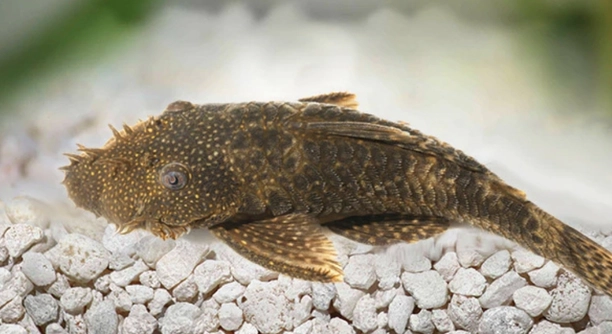
Do you enjoy keeping a lively aquarium but find yourself unsure how to safely add a new pleco to your tank without causing stress or harm? Introducing a new fish can be tricky for beginners and seasoned hobbyists alike.
The safest approach to introducing a new pleco involves careful quarantine, monitoring water parameters, and gradual acclimation. These steps minimize stress, prevent disease transmission, and ensure that both the new pleco and existing tank inhabitants adjust smoothly to the updated environment.
Learning these methods can make your aquarium a healthier and more harmonious space. Following proper introduction techniques supports long-term well-being for all your aquatic pets.
Quarantine Your New Pleco
Quarantining a new pleco before adding it to your main tank is essential. This step helps prevent the introduction of diseases and parasites that could harm your established fish. A separate tank allows you to monitor your pleco for signs of illness, such as unusual swimming patterns, loss of appetite, or visible spots. During quarantine, provide hiding spots and maintain stable water conditions similar to your main tank. Feed your pleco a balanced diet to ensure it stays healthy and stress-free. Even if the new pleco appears healthy, quarantine helps reduce the risk of spreading hidden pathogens. This process also gives the fish time to acclimate to your care routine and develop trust in its environment. A quarantine period of at least two weeks is recommended, though some keepers extend it to four weeks for extra safety. Regular observation and water testing during this time are crucial for a smooth transition.
Quarantine protects your tank from unexpected health issues and makes the introduction process safer for everyone.
Taking the time to quarantine your pleco may feel tedious, but it prevents future stress and potential disease outbreaks. Observing your pleco closely allows you to adjust care as needed and ensures it enters your main tank healthy and calm. This practice benefits both your new pleco and existing fish, creating a more stable and harmonious aquarium environment. Additionally, quarantine gives you a chance to inspect equipment, water quality, and feeding routines. Providing consistent temperatures, proper filtration, and balanced nutrition during this period sets the stage for long-term success. By following these steps, you reduce the risk of introducing illnesses and make the transition smoother. Once your pleco shows normal behavior and good health, you can begin planning a careful acclimation process into the main tank. This preparation strengthens the overall health of your aquarium and supports peaceful coexistence among all inhabitants.
Gradual Acclimation
Gradual acclimation is critical when moving your pleco to a new tank. Sudden changes in water conditions can shock the fish and affect its health.
To acclimate, float the sealed bag containing your pleco in the main tank for 15–20 minutes to equalize temperature. Slowly add small amounts of tank water into the bag every 5–10 minutes. This step helps the pleco adjust to pH, hardness, and other water parameters without stress. Avoid rushing the process, as plecos are sensitive to rapid environmental changes. After acclimation, gently release the pleco into a designated area of the tank with plenty of hiding spots. Observe the fish closely over the next few hours for signs of stress or unusual behavior. Maintaining stable conditions, including temperature, filtration, and lighting, is essential during this period. Gradual acclimation supports a smooth transition, helping the pleco settle confidently in its new surroundings. Patience during this process strengthens the long-term health and comfort of your fish.
Provide Hiding Spots
Plecos need secure hiding places to feel safe and reduce stress. Adding caves, driftwood, and plants gives them areas to rest and retreat.
Hiding spots help plecos establish territory and reduce aggression from other tank mates. Driftwood is especially beneficial because many pleco species graze on it, supporting digestion and natural behavior. Multiple hiding areas allow the fish to choose a comfortable space during the day and night. Dense plants and decorations also provide visual barriers, making the tank feel more secure. Avoid overcrowding the tank, but ensure enough sheltered areas to support your pleco’s well-being. Observing your pleco using these spaces is a sign that it feels safe and is adjusting to its environment.
Without proper hiding spots, plecos can become stressed, leading to health issues and potential conflicts with other fish. Providing a mix of natural and artificial shelters creates a balanced environment where the pleco can explore, graze, and rest. Over time, these spaces also enhance the visual appeal of your tank while promoting natural behaviors. Maintaining clean, safe hiding areas is important, so regularly check for debris or uneaten food to prevent water quality problems. This attention ensures that your pleco remains healthy, comfortable, and confident in its surroundings.
Monitor Water Parameters
Maintaining stable water conditions is essential for pleco health. Regular testing helps detect harmful fluctuations early.
Plecos are sensitive to sudden changes in temperature, pH, and ammonia levels. Even small shifts can cause stress, weaken their immune system, and make them prone to disease. Testing water weekly allows you to detect and correct issues before they become serious. Temperature should match the species’ requirements, typically between 72–82°F, while pH levels should stay within a stable range. Filtration and water flow are also critical, as plecos prefer well-oxygenated water. Proper monitoring ensures a safe, comfortable environment where your pleco can thrive.
Regular water maintenance supports long-term health by preventing toxic buildup and stress. Testing for ammonia, nitrites, and nitrates ensures the filtration system works effectively. Consistent water changes keep parameters stable and reduce the risk of algae growth or bacterial blooms. Adjusting the tank gradually to maintain proper hardness, temperature, and pH prevents shock to sensitive species. Observing the fish alongside these checks provides insights into its overall well-being. Healthy water conditions encourage natural feeding, activity, and interaction with the tank environment. Keeping records of water tests can help track trends and make adjustments before problems arise. This routine creates a reliable, safe habitat for your pleco to grow and stay active.
Feed a Balanced Diet
Plecos require a mix of algae, vegetables, and protein-rich foods. Providing a balanced diet supports growth, digestion, and overall health.
Avoid overfeeding, as leftover food can pollute the tank and harm water quality. Feeding small portions once or twice daily keeps your pleco healthy and the tank clean.
Introduce Tank Mates Carefully
Not all fish are compatible with plecos. Choose peaceful species that do not compete aggressively for territory or food. Proper selection prevents stress, injuries, and long-term conflicts.
Maintain Regular Cleaning
Regular cleaning of the tank, including substrate vacuuming and filter maintenance, prevents buildup of waste and harmful bacteria. Keeping the environment clean supports your pleco’s health and reduces disease risk.
Observe Behavior Daily
Monitoring your pleco’s behavior each day helps detect early signs of stress, illness, or aggression. Prompt action ensures the fish remains healthy and comfortable.
FAQ
How long should I quarantine a new pleco?
Quarantining a new pleco for at least two to four weeks is recommended. This period allows you to monitor the fish for signs of illness, parasites, or unusual behavior without risking your main tank. During quarantine, maintain stable water conditions, provide hiding spots, and feed a balanced diet. Observing the pleco closely ensures it is healthy and ready for introduction. Even if the fish appears healthy initially, hidden pathogens may not show immediately. Quarantine also gives you time to adjust the fish to your care routine, ensuring a smoother transition to the main tank.
Can plecos live with other fish?
Yes, plecos can live with other fish if tank mates are chosen carefully. Peaceful species that do not compete aggressively for food or territory are ideal. Avoid highly territorial or aggressive fish that could stress or injure your pleco. Providing hiding spots and sufficient space helps reduce conflicts. Plecos tend to be nocturnal, so tank mates that are active during the day usually coexist well. Monitoring behavior is important, especially during the first few weeks after introduction, to ensure all fish are comfortable and safe.
How often should I feed my pleco?
Plecos should be fed small portions once or twice daily, depending on species and tank conditions. A balanced diet includes algae wafers, vegetables like zucchini or cucumber, and occasional protein sources. Avoid overfeeding, as leftover food can pollute the water and harm fish health. Observing the pleco’s appetite and adjusting portions accordingly prevents waste buildup. Feeding at consistent times helps the fish develop a routine and encourages natural grazing behavior. Maintaining a clean tank while providing proper nutrition ensures long-term health and growth for your pleco.
What water parameters are ideal for plecos?
Plecos thrive in stable water conditions with a temperature between 72–82°F and a pH range of 6.5–7.5, though some species have specific requirements. Ammonia and nitrite levels should be kept at zero, while nitrates should be below 20 ppm. Filtration and aeration are essential for oxygenation. Regular testing allows you to catch fluctuations before they become harmful. Maintaining consistent water hardness and temperature reduces stress and prevents disease. By keeping these parameters stable, your pleco will remain healthy, active, and display natural behavior patterns.
How can I tell if my pleco is stressed?
Signs of stress in plecos include rapid breathing, hiding excessively, loss of appetite, erratic swimming, or color fading. Stress often results from poor water quality, overcrowding, or aggressive tank mates. Identifying stress early allows you to correct the cause, whether it’s adjusting water conditions, adding hiding spots, or rearranging tank mates. Providing a calm, stable environment and observing behavior daily ensures your pleco feels secure and remains healthy. Stress management is crucial to preventing illness and supporting long-term well-being.
Do plecos need lighting or prefer darkness?
Plecos are primarily nocturnal and prefer low-light conditions. Providing shaded areas or dense plants allows them to rest during the day. While they do not require intense lighting, a normal day-night cycle helps regulate their biological rhythm. Proper lighting also supports plant growth, which can indirectly benefit plecos by creating natural hiding spots and improving water quality. Avoid bright lights directly over hiding areas, as this can stress the fish.
Is driftwood necessary for plecos?
Many pleco species benefit from driftwood, as it provides grazing material and natural shelter. It supports digestion and mimics their natural habitat. Driftwood also creates secure hiding spots, reducing stress and territorial disputes. Choose untreated wood and monitor it for mold or decay. Placing it strategically ensures your pleco can explore, graze, and feel safe. Regular cleaning prevents debris buildup while maintaining a healthy environment.
How do I know when it’s safe to introduce a pleco to the main tank?
After quarantine, the pleco should display normal behavior, eat regularly, and show no signs of illness. Water parameters in the main tank must match those used during acclimation. Gradual acclimation, including floating the pleco in the bag and slowly adding tank water, prevents shock. Ensure hiding spots and territory boundaries are established before release. Observing interactions with existing tank mates is important during the first few hours and days. Safe introduction minimizes stress, prevents disease spread, and helps the pleco settle into its new environment comfortably.
Can plecos reproduce in home tanks?
Some pleco species can reproduce in home aquariums under proper conditions, including appropriate water temperature, hiding spaces, and diet. Breeding behavior varies by species, and males often guard eggs. Providing caves and monitoring water quality encourages natural reproduction while protecting both eggs and adults. Not all plecos will breed in captivity, but maintaining optimal conditions improves the likelihood for species that do.
What should I do if my pleco becomes sick?
If illness is suspected, isolate the pleco in a hospital tank and test water parameters. Identify symptoms such as lesions, fin damage, or abnormal swimming. Treatment may include medications, water adjustments, or dietary changes depending on the condition. Early intervention increases recovery chances. Maintaining good hygiene and observing behavior daily helps prevent future issues.
This FAQ covers the most common concerns for pleco care, offering practical guidance to ensure health, reduce stress, and support a peaceful aquarium environment. Proper monitoring, diet, and tank management make the introduction process safe and effective for both new and established fish.
Final Thoughts
Introducing a new pleco to your aquarium requires careful planning, patience, and attention to detail. Rushing the process or skipping important steps can lead to stress, illness, and conflict with other fish. Quarantining the new pleco before adding it to the main tank is one of the most important steps. This allows you to monitor its health and behavior without putting your established fish at risk. Observing the pleco during quarantine helps you detect hidden illnesses or parasites that might not be visible at first glance. Maintaining stable water conditions and providing proper nutrition during this period ensures the fish remains healthy. Taking these precautions sets the stage for a smoother transition and helps the pleco adjust to its new environment with minimal stress.
Once quarantine is complete, gradual acclimation is essential. Sudden changes in water temperature, pH, or hardness can shock the fish and compromise its immune system. Floating the pleco in the bag and slowly adding tank water over time allows it to adjust safely. Providing hiding spots, such as caves, driftwood, and dense plants, gives the fish a sense of security. These areas also support natural behaviors like grazing and resting. Choosing compatible tank mates and monitoring interactions reduces aggression and territorial disputes. Feeding a balanced diet, including vegetables, algae wafers, and occasional protein, promotes growth and maintains health. Observing behavior daily helps detect early signs of stress or illness, allowing you to address issues before they become serious. Each step in this process contributes to the overall well-being of your pleco and the harmony of your aquarium.
Maintaining proper water parameters and regular tank cleaning is equally important. Plecos are sensitive to changes in ammonia, nitrite, nitrate, pH, and temperature, so testing the water regularly helps prevent problems. Consistent filtration and careful attention to cleanliness create a stable environment that supports long-term health. Overfeeding and leftover food can quickly pollute the tank, so feeding small portions and removing uneaten food is necessary. Supporting natural behaviors, like grazing on driftwood, and providing safe spaces reduces stress and promotes confidence in the fish. By combining quarantine, careful acclimation, proper diet, and ongoing tank maintenance, you create a safe, comfortable, and healthy environment. These steps ensure your pleco can thrive, live peacefully with other fish, and remain a long-term addition to your aquarium. Consistency, patience, and careful observation are key to the success of introducing and caring for a new pleco.

Hello,
If you enjoy the content that we create, please consider saying a "Thank You!" by leaving a tip.
Every little bit helps us continue crafting quality advice that supports the health, happiness, and well-being of pets around the world, for pets of all shapes, sizes, and species.
We really appreciate the kindness and support that you show us!