
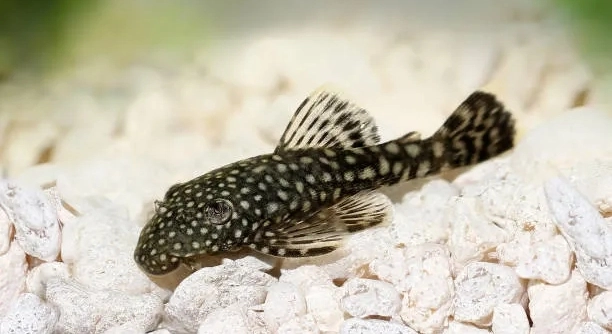
Are your plecos struggling to adjust to their new aquarium? Many fish owners face challenges helping these bottom-dwelling species feel comfortable. Small changes in the tank environment can make a significant difference in their well-being.
Ensuring plecos settle involves adjusting lighting, providing hiding spots, maintaining stable water parameters, and offering suitable diet options. Each change addresses natural behaviors and environmental needs, creating a comfortable and stress-free habitat for these sensitive fish.
Understanding these small adjustments will help you support your plecos’ health and happiness. Each modification contributes to a calmer, more balanced aquarium environment for long-term care.
Adjust the Lighting Gradually
Plecos are sensitive to sudden changes in lighting, which can cause stress and hideaway behavior. Start by dimming the aquarium lights or using a timer to simulate natural day and night cycles. This helps your plecos feel more secure and encourages them to explore their tank without fear. Avoid placing the tank in direct sunlight, as this can increase algae growth and fluctuate water temperature. Consider adding floating plants or decorations that diffuse light, creating shaded areas for your plecos to retreat. Over time, you can slowly adjust the lighting intensity as your fish become more accustomed to the environment. This method mimics their natural habitat, where light is never harsh or constant. Observing how your plecos react to these changes is crucial. If they remain hidden, further adjustments may be needed. Providing a consistent schedule ensures their internal rhythms are supported, reducing stress and promoting healthy behavior and feeding patterns within the aquarium.
Gradual lighting changes prevent stress and support natural behavior. Plecos thrive in stable conditions with shaded areas for retreat and exploration.
Creating a balanced light environment encourages activity during the day and rest at night. Using diffused light sources helps plecos feel secure while minimizing algae growth. This approach ensures they adapt without stress, improving overall health and feeding habits. Proper lighting also highlights their natural colors and promotes normal activity, reducing erratic behavior. Observing how they respond allows adjustments to ensure comfort and well-being in the tank.
Provide Ample Hiding Spots
Plecos need hiding places to feel safe and reduce stress. Use driftwood, caves, and dense plant arrangements to create secure areas within the tank.
Hiding spots allow plecos to establish territories and feel protected. This supports natural behaviors, especially for shy or nocturnal fish.
By adding multiple hiding spots, you create a more complex and stimulating environment. Driftwood not only offers shelter but also provides surfaces for grazing algae, which plecos enjoy. Caves and ceramic ornaments help reduce aggressive interactions by giving each fish its own space. Dense plants act as natural barriers, offering cover and privacy. Placement is key: position hides in various areas to accommodate different pleco personalities. Observing which spots are preferred can guide future tank adjustments. A well-structured habitat reduces stress, encourages feeding, and allows fish to explore safely. Over time, plecos will emerge more confidently, showing natural behaviors like grazing, exploring, and resting in safe zones. These small but thoughtful changes make a significant difference in their comfort and adaptation.
Maintain Stable Water Parameters
Stable water conditions are essential for plecos to thrive. Regularly check temperature, pH, and hardness to match their natural environment. Sudden fluctuations cause stress and may lead to illness.
Keeping water parameters consistent involves using reliable test kits and making gradual changes when necessary. Target temperatures around 74–80°F and a slightly acidic to neutral pH provide comfort. Avoid frequent large water changes, as this can shock the fish. Filtration should be efficient to maintain clarity without creating excessive current that may stress plecos. Regular monitoring of ammonia, nitrites, and nitrates ensures harmful compounds are kept at safe levels. When adjustments are needed, do so slowly and carefully, blending new water with tank water. Maintaining these conditions supports immune function and encourages normal feeding and hiding behaviors. Over time, a stable environment allows plecos to feel secure and reduces erratic or stressed behavior.
Monitoring water regularly helps catch small problems early. Gentle adjustments maintain stability, allowing plecos to remain healthy and active.
Consistent parameters are critical for plecos’ long-term health. Stable temperature, pH, and hardness reduce stress and disease risk. Filtration, partial water changes, and careful observation prevent harmful spikes in ammonia or nitrites. Over time, plecos adapt better, show more natural behaviors, and feed consistently. Gradual changes in water chemistry, combined with reliable equipment, create an environment that supports growth and reduces vulnerability to infections. Regular maintenance ensures both water quality and fish well-being, allowing plecos to settle and thrive without sudden shocks or disruptions to their habitat.
Offer a Balanced Diet
Providing a varied diet keeps plecos healthy and encourages settling behavior. Include algae wafers, fresh vegetables, and occasional protein supplements.
A balanced diet meets nutritional needs while promoting natural grazing. Plecos benefit from fiber-rich foods that support digestion and growth.
Feeding plecos properly involves more than just offering standard pellets. Vegetables like zucchini, cucumber, and spinach provide essential fiber and nutrients, while algae wafers supply consistent nutrition. Occasional protein, such as bloodworms or shrimp, adds variety and helps maintain muscle health. Feeding small portions daily prevents overfeeding and reduces waste accumulation, which can affect water quality. Observing eating habits allows adjustments if some foods are ignored or preferred. A proper diet encourages activity and reduces stress, making plecos more likely to explore their tank confidently. Balanced nutrition supports immune function, coloration, and long-term health, contributing to a calmer, more settled fish.
Reduce Tank Noise and Vibrations
Plecos are sensitive to loud noises and constant vibrations. Keep the tank away from speakers, heavy foot traffic, or appliances that create vibration. A quieter environment reduces stress and encourages normal behavior.
Even small vibrations from pumps or filters can disturb plecos. Position equipment carefully and consider padding to absorb excess movement.
Maintain Proper Tank Size
A spacious tank allows plecos to establish territories and move freely. Crowded conditions increase stress, aggression, and susceptibility to disease.
Providing adequate swimming and hiding space ensures each pleco has a secure area. A larger tank supports natural behaviors like grazing and exploring without competition.
Introduce Plecos Gradually
Adding plecos slowly to a tank with established water and decor minimizes stress. Sudden introductions can lead to hiding, aggression, or illness.
Gradual acclimation allows plecos to adjust to temperature, water chemistry, and surroundings. Float the bag and slowly mix tank water before release.
How often should I change the water in a pleco tank?
Regular water changes are crucial for pleco health, but frequency depends on tank size and bioload. For most tanks, changing 20–25% of water weekly keeps parameters stable without stressing fish. Large or heavily stocked tanks may require more frequent partial changes to maintain water quality. Avoid full water changes unless necessary, as this can shock plecos and disrupt beneficial bacteria. Always treat new water to remove chlorine and match temperature and pH to the tank. Gradual adjustments during water changes help plecos stay comfortable and reduce stress, promoting feeding and normal activity. Monitoring water conditions before and after changes ensures stability and long-term health.
What is the best temperature for plecos?
Plecos are tropical fish that thrive in moderate temperatures. Generally, a range of 74–80°F provides comfort and supports normal metabolism. Temperatures outside this range can cause stress, reduce appetite, or suppress immune function. Using a reliable heater and thermometer helps maintain consistency. Avoid sudden temperature fluctuations, as plecos are sensitive to rapid changes, which can lead to illness or erratic behavior. Gradual adjustments, such as small increments of 1–2°F per day, allow plecos to acclimate if changes are needed. Stable, appropriate temperature ensures they remain active during feeding and encourages natural behaviors like grazing and exploring. Proper monitoring is key to long-term health.
What types of hiding spots do plecos prefer?
Plecos feel secure when provided with multiple hiding areas. Driftwood is ideal, as it mimics their natural environment and also serves as a grazing surface. Caves, ceramic tubes, and dense plant clusters give fish options to retreat when stressed. Placement is important; position hides in shaded areas and corners to create a sense of security. Providing multiple options reduces aggression among tank mates and allows plecos to select preferred resting spots. Over time, observing their choices can guide adjustments to the tank layout. Secure hiding places improve comfort, encourage natural behaviors, and reduce stress, helping plecos settle and thrive in a home aquarium.
Can plecos live with other fish?
Yes, plecos can coexist with many peaceful tank mates, but caution is necessary. Avoid aggressive or territorial species that may stress plecos. Ensure there is enough space and hiding spots for everyone. Providing ample grazing surfaces and feeding areas reduces competition and supports harmony. Monitoring interactions initially helps identify potential conflicts. Plecos are generally nocturnal and spend much time near the bottom, so pairing them with mid- or top-level swimmers often works best. A well-planned tank with compatible species allows plecos to exhibit natural behaviors while coexisting safely, maintaining a balanced and healthy environment.
How often should I feed my plecos?
Plecos require daily feeding, but the amount and type depend on species and size. Offer a combination of algae wafers, vegetables, and occasional protein. Overfeeding can lead to water quality issues, while underfeeding may affect growth and health. Feeding small portions that can be consumed within a few hours prevents waste buildup. Observe your plecos during feeding to ensure they are eating and adjust portions accordingly. Providing a varied diet promotes natural grazing and supports digestion, coloration, and immune function. Consistency in feeding times also helps plecos settle and feel secure within the tank environment.
What water parameters are ideal for plecos?
Plecos thrive in slightly acidic to neutral pH, typically between 6.5 and 7.5. Hardness should be moderate, with stable levels of calcium and magnesium. Ammonia and nitrite must always be at 0 ppm, while nitrate should remain below 20–40 ppm. Regular testing ensures parameters stay within safe ranges. Gradual adjustments prevent stress and allow plecos to adapt. Consistent water quality supports healthy growth, feeding, and activity. Using proper filtration, partial water changes, and monitoring tools reduces the risk of illness and creates a stable environment. Maintaining these conditions is one of the most important factors in helping plecos settle.
Do plecos need a special substrate?
Plecos do best with soft or smooth substrates that prevent injury while foraging. Sand or fine gravel is preferred, as rough or sharp surfaces can damage their delicate fins or undersides. Substrate choice also impacts how easily they find food and interact with their environment. Avoid substrates that trap debris excessively, as this can degrade water quality. Layering with driftwood, rocks, and plants provides variety, encourages exploration, and supports grazing. Observing pleco behavior on the substrate helps determine comfort and safety. A proper substrate contributes to natural feeding, resting, and hiding behaviors, supporting overall health and stress reduction.
Can plecos adapt to a new tank quickly?
Plecos need time to adjust to new tanks. Gradual acclimation is essential, including slowly mixing tank water with the water they arrive in. Adding plenty of hiding spots and maintaining stable water parameters reduces stress. Quick introductions or sudden changes can cause hiding, refusal to eat, or illness. Monitoring their behavior during the first few days helps assess adaptation. Gentle lighting and minimal disturbance also improve comfort. Over time, plecos will explore their surroundings, establish territories, and feed normally. Providing a calm, well-structured environment ensures the adaptation period is smooth and supports long-term health.
Is driftwood necessary in a pleco tank?
While not all plecos require driftwood, many species benefit from it. Driftwood serves as a natural hiding place and grazing surface, providing dietary fiber and aiding digestion. It also creates shaded areas that reduce stress and mimic natural habitats. Adding driftwood encourages natural behaviors, supports territorial establishment, and promotes long-term well-being. Observing plecos interacting with wood can guide placement and quantity in the tank. Regular maintenance ensures it remains clean and does not alter water chemistry excessively. Properly prepared driftwood is a valuable addition for settling plecos.
How do I reduce stress during tank maintenance?
Plecos are sensitive to sudden movements, water changes, or noise. Perform maintenance gradually and quietly. Avoid sudden light changes and minimize vibrations from equipment. Partial water changes are preferable to full ones. Observing pleco behavior during and after maintenance helps identify stress triggers. Using gentle cleaning methods, adjusting water parameters slowly, and maintaining hiding areas reduces stress. Consistent routines and predictable care build a sense of security, allowing plecos to settle faster. Over time, regular, calm maintenance supports both water quality and fish health, creating a stable, low-stress environment.
What signs indicate a pleco is stressed?
Stressed plecos may hide constantly, refuse food, or show erratic swimming. Faded coloration, frayed fins, and rapid gill movement are also indicators. Changes in behavior, such as aggression toward tank mates or lethargy, signal discomfort. Monitoring these signs helps identify environmental issues like water instability, poor diet, or overcrowding. Early detection allows adjustments to reduce stress, such as adding hiding spots, improving water quality, or correcting temperature and pH. Maintaining a calm environment, proper feeding, and consistent care prevents long-term health problems. Recognizing stress early ensures plecos settle and thrive in their tank.
How much space does a pleco need?
Plecos require ample space to move, establish territories, and reduce stress. Tank size depends on species, but generally, a minimum of 30 gallons for smaller plecos and 75 gallons or more for larger species is recommended. Overcrowding leads to stress, aggression, and water quality issues. Providing enough room allows plecos to graze, explore, and use hiding spots comfortably. Adding plants, driftwood, and decor creates a structured environment within the tank’s space, supporting natural behavior. Adequate space is key to helping plecos settle and thrive, improving health, feeding, and overall well-being.
Are plecos nocturnal?
Most plecos are nocturnal and prefer activity during low-light periods. During the day, they often rest in shaded areas or hiding spots. Recognizing this behavior helps plan feeding and tank interaction times. Feeding in the evening or dim lighting encourages natural grazing and reduces stress. Nocturnal tendencies influence tank setup, including hiding spots and low-light zones. Understanding their activity patterns ensures plecos feel secure, settle well, and exhibit normal behaviors. Observing night activity also provides insight into health, feeding habits, and comfort in the aquarium.
Can plecos survive in a community tank?
Plecos can live in community tanks with compatible, peaceful species. Avoid aggressive or territorial fish that may stress or injure them. Providing hiding spots, sufficient space, and ample food reduces competition and supports harmony. Observing interactions helps identify potential conflicts. Community tanks work best with mid- and top-level swimmers, leaving plecos primarily at the bottom. Structured layouts and proper care allow plecos to thrive alongside other fish while exhibiting natural behaviors, feeding comfortably, and remaining stress-free. Proper planning ensures a balanced environment for all tank inhabitants.
Do plecos need a filtration system?
Plecos produce significant waste, making a reliable filtration system essential. Filters maintain water clarity, remove debris, and support beneficial bacteria. Adequate flow is important but avoid strong currents that stress plecos. Regular cleaning and monitoring ensure efficiency. Filtration, combined with partial water changes, maintains stable water parameters, reduces toxins, and supports long-term health. Proper filtration allows plecos to settle comfortably, encourages activity, and prevents illness. Observing water quality and fish behavior helps determine if adjustments to filtration are needed for optimal tank conditions.
What vegetables are best for plecos?
Vegetables like zucchini, cucumber, spinach, and peas provide fiber and nutrients. They support digestion and supplement algae wafers. Blanching vegetables softens them for easier consumption. Rotating vegetables ensures a balanced diet and prevents boredom. Observing which vegetables your plecos prefer helps optimize feeding. Providing fresh, nutrient-rich options encourages grazing, improves health, and supports natural behaviors. Vegetables also reduce reliance on processed foods, promoting overall well-being and helping plecos settle confidently in their tank environment.
How can I tell if my pleco is healthy?
Healthy plecos are active, have vibrant colors, clear eyes, and intact fins. They feed regularly and display normal grazing or hiding behavior. Consistent behavior over time indicates well-being. Regular observation helps detect early signs of illness, such as lethargy, fin damage, or changes in eating habits. Maintaining stable water conditions, proper diet, and a safe environment supports overall health. Monitoring these indicators allows you to address issues quickly and ensures plecos remain comfortable and settled in the aquarium.
Can plecos eat algae alone?
Algae alone does not meet all nutritional needs. While plecos graze naturally, supplemental foods like algae wafers and vegetables provide essential nutrients. A balanced diet supports growth, digestion, and overall health. Relying solely on algae may result in deficiencies, stress, or poor coloration. Observing feeding habits and adjusting diet ensures plecos receive proper nutrition, remain active, and settle comfortably in their habitat.
Is it necessary to quarantine new plecos?
Quarantining new plecos prevents introducing diseases to established tanks. A separate quarantine tank for 2–4 weeks allows observation and treatment of potential issues. This protects existing fish and helps new plecos acclimate gradually. Quarantine reduces stress and ensures healthier integration into the main tank, supporting long-term settling and well-being.
How can I reduce algae growth without harming plecos?
Control lighting, avoid overfeeding, and maintain water quality. Moderate light exposure and proper filtration reduce excess nutrients. Introducing algae-eating species compatible with plecos also helps. Regular monitoring prevents overgrowth, protecting water quality and supporting pleco health. Maintaining balance ensures plecos can graze naturally without stress.
Do plecos need a night-time feeding?
Nocturnal plecos are more active at night, so feeding during low-light hours encourages natural grazing. This reduces competition with other tank mates and supports normal behavior. Offering food in the evening improves health, digestion, and settling, while aligning with their natural rhythms.
How long does it take for plecos to settle?
Settlement depends on tank conditions, hiding spots, and care routines. With proper acclimation, stable water parameters, and adequate diet, plecos may settle within days to weeks. Observing behavior helps determine comfort and allows adjustments for long-term well-being. Patience ensures a calm and healthy environment.
What is the best way to acclimate plecos?
Float the bag in tank water for 15–20 minutes, then gradually mix small amounts of tank water into the bag over 30–60 minutes. This allows temperature and chemistry adjustment. Slowly releasing plecos reduces stress and encourages smooth adaptation to their new environment.
Can plecos survive in slightly hard water?
Many pleco species tolerate moderate water hardness. Consistent parameters are more important than exact levels. Avoid sudden changes, as plecos are sensitive. Stable, slightly hard water supports health, digestion, and settling, allowing them to adjust comfortably to their environment.
Should I feed plecos after a water change?
Feeding immediately after a water change is fine if water parameters are stable. Avoid overfeeding, as new water can stir up debris and affect filtration efficiency. Proper timing ensures digestion, nutrient intake, and minimal stress. Observing behavior helps optimize feeding schedules.
Can plecos recognize their owners?
Plecos do not recognize owners in the same way mammals do, but they may respond to routine feeding times and movement near the tank. Predictable care builds familiarity, reducing stress and encouraging settling behaviors. Regular observation strengthens their comfort in the environment.
Is it necessary to remove uneaten food?
Yes, removing uneaten food prevents water quality issues, such as ammonia spikes, and reduces stress for plecos. Excess food can decay, promoting harmful bacteria and algae growth. Consistent cleaning supports stable water parameters and long-term health, allowing plecos to settle comfortably.
How often should I check water quality?
Regular water testing, at least weekly, ensures ammonia, nitrites, nitrates, pH, and hardness remain within safe ranges. Monitoring helps identify problems early and supports adjustments to maintain stability. Stable water quality is essential for pleco health and proper settling.
Do plecos need tankmates?
Plecos can live alone, but compatible tankmates may enrich the environment. Avoid aggressive species. Proper space, hiding spots, and feeding arrangements support harmonious cohabitation, reducing stress and allowing plecos to settle comfortably.
What’s the best way to clean a pleco tank?
Partial water changes, gentle substrate vacuuming, and careful algae removal maintain water quality without stressing plecos. Avoid harsh scrubbing or disturbing hiding spots. Routine cleaning keeps the tank healthy, stable, and conducive to settling.
Can plecos live in cold water?
Cold water is stressful and reduces metabolism. Plecos are tropical and require warm, stable temperatures. Exposure to cold can cause illness or death. Maintaining 74–80°F is essential for health, feeding, and proper settling.
Are plecos nocturnal feeders?
Yes, feeding in low-light conditions aligns with their natural nocturnal behavior. Evening feeding encourages grazing, reduces competition, and supports normal activity patterns. Proper scheduling improves comfort and long-term settling.
How do I prevent fin rot in plecos?
Stable water parameters, balanced diet, and minimal stress prevent fin rot. Avoid overcrowding and monitor for signs of infection. Early intervention with proper care supports healing and overall health, ensuring plecos settle safely.
Can plecos coexist with shrimp or snails?
Plecos are generally compatible with peaceful shrimp and snails. Ensure hiding spaces for all species and observe interactions. Proper care and feeding prevent competition, allowing harmonious cohabitation and stress-free settling.
Do plecos need a daytime rest period?
Yes, plecos rest during the day in shaded or hidden areas. Providing low-light zones and secure hiding spots supports natural rhythms, reduces stress, and encourages healthy behavior and settling.
How can I tell if my pleco is comfortable?
Comfortable plecos explore, feed regularly, and use hiding spots appropriately. Calm swimming, normal coloration, and natural grazing indicate they are settled and healthy. Observation helps maintain an environment that supports long-term well-being.
Are all plecos the same in care requirements?
No, species vary in size, diet, and habitat preferences. Researching your specific pleco ensures proper tank size, water parameters, and feeding routines. Tailored care supports settling and overall health.
Is pleco growth affected by tank size?
Yes, small tanks can limit growth and increase stress. Providing adequate space allows normal development, reduces aggression, and supports settling, feeding, and overall well-being.
Do plecos need a specific pH range?
Plecos thrive in slightly acidic to neutral water, typically 6.5–7.5. Stable pH prevents stress, illness, and abnormal behavior. Gradual adjustments help fish acclimate safely.
Can plecos survive in a planted tank?
Yes, planted tanks provide hiding spots and natural grazing surfaces. Ensure plants are compatible and not uprooted during feeding. Proper layout supports settling, reduces stress, and enhances overall health.
How long should plecos be observed after introduction?
Observe plecos for the first few days to monitor stress, feeding, and interactions. Adjust environment or care routines if necessary. Careful observation ensures they settle smoothly.
Do plecos need supplemental lighting at night?
No, plecos are nocturnal and prefer darkness. Low or no light at night supports natural behavior, reduces stress, and encourages proper settling and feeding patterns.
Can plecos tolerate slight pH fluctuations?
Gradual, small changes are tolerable, but sudden swings cause stress. Consistent water chemistry supports health, natural behavior, and settling in the tank environment.
What is the role of driftwood in digestion?
Driftwood provides dietary fiber that aids digestion and supports gut health. Many plecos rasp on it naturally, promoting nutrient absorption and overall well-being, while also serving as a hiding and resting spot.
How important is tank cover for plecos?
A secure tank cover prevents excessive light, reduces stress, and keeps plecos contained. It supports natural nocturnal behavior and provides a stable environment for settling and overall health.
Can plecos live without hiding spots?
Hiding spots are strongly recommended. Without them, plecos may experience chronic stress, reduced feeding, and erratic behavior. Adequate shelter is essential for comfort, natural activity, and proper settling.
Do plecos need separate feeding zones?
Yes, separate feeding zones prevent competition and ensure all plecos receive adequate nutrition. It supports natural grazing behavior, reduces stress, and encourages settling in the tank.
How can I tell if a pleco is sick?
Signs include faded color, frayed fins, lethargy, reduced appetite, and abnormal swimming. Early detection allows intervention and proper care, maintaining health and comfort.
Are plecos aggressive?
Most plecos are peaceful, but territorial behavior may appear during feeding or in small tanks. Providing space and hiding spots minimizes aggression and stress, helping them settle comfortably.
Can plecos survive with fluctuating temperatures?
No, temperature fluctuations stress plecos and can lead to illness. Consistent warmth within the ideal range ensures health, feeding, and proper settling.
Do plecos require UV sterilizers?
UV steril
Final Thoughts
Helping plecos settle comfortably in a home aquarium requires attention to several key factors. Water quality, stable temperature, and appropriate pH are essential for their health and well-being. Regular testing and maintenance ensure that conditions remain within safe ranges. Sudden changes in water chemistry or temperature can stress plecos, causing them to hide excessively or refuse food. Gradual adjustments and careful observation help fish adapt without unnecessary discomfort. Over time, maintaining stable water conditions allows plecos to establish routines, feed regularly, and display natural behaviors. Ensuring that filtration and aeration are effective also contributes to a healthy environment, supporting both stress reduction and long-term growth. These basic steps form the foundation of a thriving pleco habitat and prevent many common issues that arise in home aquariums.
Providing suitable hiding spots and a well-structured tank layout is equally important. Driftwood, caves, and dense plant arrangements allow plecos to feel secure and reduce aggression or territorial disputes. Observing their preferred resting places helps guide further adjustments in tank decor. Adequate hiding spots also promote activity during appropriate periods, especially for nocturnal species, and give fish the confidence to explore their surroundings safely. In addition, a proper diet that includes a mix of algae, vegetables, and occasional protein supplements ensures that plecos receive the nutrients they need for growth, digestion, and overall health. Feeding routines that align with their natural nocturnal behavior reduce stress and encourage natural grazing habits. Together, environmental structure and balanced nutrition create an atmosphere where plecos can thrive and settle more quickly in a home aquarium.
Finally, patience and careful observation are essential throughout the process. Each pleco has its own personality, preferences, and adaptation timeline. Some may settle within days, while others require weeks to feel fully comfortable. By monitoring behavior, adjusting tank conditions as needed, and providing consistent care, you create a stable and supportive environment. This encourages natural behaviors, reduces stress, and improves overall health. Understanding plecos’ needs and respecting their habits makes it possible to enjoy a peaceful, well-functioning aquarium. Over time, these efforts lead to confident, active plecos that contribute to a balanced tank ecosystem. The combination of proper water management, structured habitat, balanced diet, and patient care ensures long-term success in helping plecos settle and thrive.

Hello,
If you enjoy the content that we create, please consider saying a "Thank You!" by leaving a tip.
Every little bit helps us continue crafting quality advice that supports the health, happiness, and well-being of pets around the world, for pets of all shapes, sizes, and species.
We really appreciate the kindness and support that you show us!