
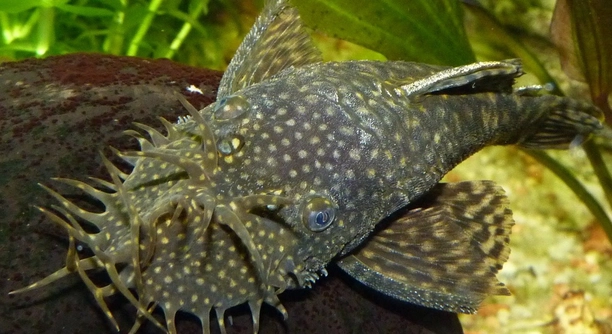
Do you enjoy keeping plecos but find it challenging to maintain a clean, healthy tank for them? These fish require specific care routines to thrive and avoid common problems that can affect their wellbeing over time.
Proper pleco tank maintenance involves regular water changes, monitoring water quality, cleaning substrate and decorations, checking filtration systems, controlling algae growth, and providing a balanced diet. Consistent care ensures optimal health, longevity, and stress reduction for these freshwater fish.
Following these basic practices can make caring for plecos simpler and more effective, helping both you and your fish enjoy a healthier environment.
Regular Water Changes
Maintaining clean water is one of the most important steps for pleco health. Changing a portion of the tank water weekly helps remove waste, uneaten food, and chemicals that can build up over time. Plecos produce a lot of waste, and even with a good filter, water quality can deteriorate quickly if not monitored. Using a water conditioner is essential to remove chlorine and other harmful chemicals from tap water. Consistency is key—skipping water changes can stress plecos, making them more prone to disease. Observing water clarity, odor, and pH levels can give insight into when changes are needed. A schedule helps keep the tank stable, reducing sudden fluctuations that can harm sensitive fish. Additionally, partial changes are preferable to complete changes, as they maintain some beneficial bacteria while still improving water quality.
Regular water changes prevent harmful buildup and keep your plecos active, healthy, and less stressed.
Tracking the water parameters closely allows you to notice subtle changes in ammonia, nitrites, and nitrates. By maintaining stable conditions, plecos can feed, grow, and behave naturally. Consistent water changes also reduce algae blooms and help prevent disease outbreaks. Over time, establishing a routine will make tank maintenance less stressful and more predictable. Using tools like siphons and buckets designed for aquarium use ensures the process is safe and efficient. Combining water changes with regular testing and observing your plecos’ behavior creates an effective system for long-term health.
Filtration and Tank Equipment
A strong filter keeps water clean and oxygenated, essential for plecos’ survival.
Filters remove debris and maintain water flow, which helps plecos breathe and reduces toxic buildup. Plecos produce waste continuously, so having a properly sized filter for your tank is crucial. Mechanical filtration captures particles, while biological filtration supports beneficial bacteria that break down harmful compounds. Many pleco owners also add sponge filters or pre-filters to prevent small fish or fry from being sucked in. Regular maintenance of equipment, such as rinsing filter media in tank water and checking for blockages, ensures efficiency. In addition, heaters, air stones, and lighting should be monitored to match plecos’ natural habitat. Ensuring consistent temperature and oxygen levels reduces stress and promotes healthy feeding and growth. Setting up the tank with reliable equipment prevents sudden problems and helps maintain a stable environment, which is especially important for sensitive pleco species. Choosing the right equipment tailored to your tank size and pleco species makes daily care much easier and more effective.
Substrate Cleaning
Cleaning the substrate helps remove leftover food and waste that settle at the bottom. A vacuum or siphon makes this task easier and prevents ammonia and nitrate buildup, keeping water safe for plecos.
Using a gravel vacuum regularly prevents the accumulation of debris that can harm plecos. Uneaten food and waste particles can settle deep in the substrate, creating pockets of harmful bacteria if left unattended. By gently siphoning the substrate, you remove these materials without disturbing beneficial bacteria that support the tank’s ecosystem. For tanks with sand, careful stirring and siphoning can prevent compaction while still maintaining cleanliness. Regular substrate cleaning also reduces odors and slows the growth of algae, creating a more balanced environment. Establishing a routine makes the process easier, and over time, your plecos will have a healthier, more comfortable space to explore and feed.
Proper substrate maintenance supports overall tank hygiene and pleco health. By combining vacuuming with water changes and filter upkeep, the tank stays cleaner longer. A clean bottom reduces the risk of disease, promotes natural behavior, and encourages plecos to graze on algae and biofilm safely. Additionally, maintaining substrate cleanliness helps you notice any unusual changes in waste production or leftover food, giving early warning signs of health issues. For heavily planted tanks, careful vacuuming around plant roots preserves their growth while keeping debris under control. Regular substrate cleaning is a simple step that provides long-term benefits for both plecos and the tank’s ecosystem.
Algae Control
Controlling algae is essential to prevent overgrowth and maintain water quality. Plecos naturally graze on algae, but excessive amounts can indicate imbalance.
Algae can grow quickly when light or nutrients are too high, covering decorations, glass, and plants. While plecos eat some algae, relying on them alone won’t solve excessive growth. Using a combination of controlled lighting, regular water changes, and removing algae manually helps maintain a balanced tank. Algae-eating snails or other species can also assist. Monitoring the tank daily allows for early removal before it spreads extensively. Managing nutrients by avoiding overfeeding helps reduce algae blooms. Consistency is key, as irregular maintenance encourages spikes in growth.
Preventing algae buildup improves tank clarity, pleco health, and overall water quality. Too much algae can affect oxygen levels and make cleaning more difficult. By balancing light, nutrients, and natural grazing, the tank stays visually appealing and stable. Combining manual removal with biological assistance ensures algae remain under control without harsh chemicals that could harm plecos. Tracking algae patterns also helps identify changes in water quality or feeding habits, allowing for timely intervention. A balanced approach keeps both the tank and your plecos thriving.
Proper Feeding
Feeding plecos the right amount prevents leftover food from polluting the tank. Overfeeding can cause water quality issues and increase algae growth.
Providing a balanced diet with algae wafers, vegetables, and occasional protein supplements supports growth and overall health. Monitoring consumption helps avoid waste accumulation and keeps the tank cleaner.
Monitor Water Parameters
Regularly testing water ensures pH, ammonia, nitrite, and nitrate levels remain safe. Plecos are sensitive to sudden changes, so stability is crucial. Testing allows timely corrections and keeps the aquatic environment healthy, reducing stress and promoting proper feeding and activity levels.
Tank Decorations
Decorations provide hiding spots and grazing surfaces. Driftwood, rocks, and caves create natural spaces that plecos need to feel secure, support their behavior, and contribute to overall tank stability.
FAQ
How often should I change my pleco’s water?
Water changes should be done weekly, replacing 20–30% of the tank water each time. This helps remove waste and prevents harmful chemicals from building up. Using a water conditioner is important to neutralize chlorine and maintain safe conditions. Consistent water changes reduce stress and support healthy pleco behavior.
What is the best food for plecos?
Plecos need a mix of algae wafers, vegetables like zucchini or cucumber, and occasional protein sources such as shrimp pellets. A varied diet ensures proper growth, strengthens their immune system, and encourages natural grazing habits. Avoid overfeeding, as leftover food can pollute the water.
How do I prevent algae overgrowth in the tank?
Control algae by limiting light exposure, avoiding overfeeding, and performing regular water changes. Plecos eat some algae, but additional manual removal or algae-eating species can help. Monitoring nutrient levels and maintaining a clean tank prevent excessive growth that could harm the fish or make maintenance difficult.
What type of substrate is best for plecos?
Smooth sand or fine gravel is ideal. These substrates are easy to clean and won’t harm delicate fins. Avoid sharp or coarse gravel that could injure plecos while they forage. Keeping the substrate clean prevents waste buildup and supports a healthy tank environment.
How can I tell if my pleco is stressed or sick?
Signs include loss of appetite, erratic swimming, clamped fins, or unusual coloration. Monitoring behavior regularly and testing water parameters helps identify problems early. Stress often results from poor water quality, overcrowding, or incompatible tank mates. Prompt action improves the chances of recovery.
Do plecos need hiding spots in their tank?
Yes. Providing caves, driftwood, and other decorations gives plecos places to feel secure. Hiding spots reduce stress, encourage natural behaviors, and can even provide surfaces for algae to grow, which plecos can graze on. A well-decorated tank contributes to their overall well-being.
How large should my tank be for a pleco?
Tank size depends on species, but most plecos need at least 30–50 gallons. Larger species require more space. A spacious tank allows natural movement, reduces territorial aggression, and supports water quality by diluting waste more effectively. Proper sizing is essential for healthy growth.
Can plecos live with other fish?
Plecos are generally peaceful but can become territorial with their own species or similar bottom dwellers. Choose compatible tank mates and provide enough space and hiding spots to reduce stress and aggression. Observing interactions helps ensure all fish coexist safely.
How often should I clean the filter?
Rinse filter media in tank water every few weeks to remove debris without killing beneficial bacteria. Check for blockages and replace worn parts as needed. A clean, well-maintained filter maintains water flow, oxygen levels, and overall tank health for plecos.
Is driftwood necessary for plecos?
Driftwood is beneficial for many species because it provides hiding spots and a grazing surface. Some plecos also rasp on driftwood, which aids digestion. Choosing untreated, aquarium-safe wood ensures the tank remains safe and stable while supporting natural behaviors.
Can plecos survive in cold water?
Most plecos prefer tropical temperatures around 74–80°F. Water below this range can slow metabolism, reduce immunity, and increase stress. Maintaining consistent, appropriate temperatures with a reliable heater is crucial for their health and long-term survival.
How can I encourage my pleco to eat vegetables?
Blanching vegetables like zucchini, spinach, or cucumber softens them and makes them easier to eat. Attaching vegetables to a clip or weight keeps them accessible. Offering a variety and observing preferences encourages consistent consumption and provides essential nutrients.
What are common mistakes pleco owners make?
Overfeeding, infrequent water changes, inadequate tank size, and lack of hiding spots are common errors. These lead to poor water quality, stress, and illness. Regular monitoring of water parameters, proper diet, and thoughtful tank setup prevent these problems and support pleco health.
How long do plecos live?
With proper care, plecos can live 10–15 years, and some species even longer. Longevity depends on water quality, diet, tank size, and overall maintenance. Providing consistent care ensures plecos thrive and remain active and healthy throughout their lifespan.
Can plecos reproduce in home tanks?
Some species can, given proper conditions like caves for spawning, stable water parameters, and a suitable diet. Breeding is easier in larger tanks with minimal disturbance. Not all pleco species reproduce readily in captivity, so understanding the species’ requirements is important.
Are plecos nocturnal?
Yes, plecos are primarily nocturnal and more active at night. They often hide during the day, making it important to provide shaded areas or caves. Understanding their natural activity pattern helps in feeding schedules and observing behaviors effectively.
How do I remove excess waste from plecos?
Regular water changes, substrate cleaning, and filter maintenance remove waste efficiently. Monitoring leftover food and adjusting feeding amounts prevent excessive accumulation. Consistent cleaning keeps ammonia and nitrate levels low, maintaining a safe environment for plecos.
Do plecos need supplements?
Occasional vitamin or mineral supplements can support health, especially if the diet lacks variety. Providing fresh vegetables, algae wafers, and protein helps meet most nutritional needs. Overuse of supplements is unnecessary and may negatively affect water quality if not managed carefully.
What should I do if my pleco stops eating?
Check water parameters, temperature, and tank mates for stress factors. Offer a variety of foods, including algae wafers and vegetables. If the behavior persists, consult an aquatic veterinarian to rule out illness or infection. Early intervention increases the likelihood of recovery.
How can I prevent diseases in plecos?
Maintain clean water, a stable environment, proper diet, and avoid overcrowding. Quarantining new fish before adding them to the tank reduces the risk of introducing pathogens. Observation for unusual behavior or appearance allows early detection and treatment. Preventative care is the most effective approach.
Are plecos aggressive?
Most plecos are peaceful but can be territorial around hiding spots or similar species. Providing sufficient space, decorations, and careful selection of tank mates minimizes conflict. Observing interactions ensures a harmonious environment for all tank inhabitants.
How do I acclimate a new pleco to my tank?
Float the bag in the tank to equalize temperature, gradually mix tank water into the bag, and release the fish after at least 30 minutes. This reduces stress and prevents shock from sudden changes in water conditions. Proper acclimation supports healthy adaptation.
Can plecos survive on algae alone?
While they consume algae, a diet consisting solely of algae is insufficient. Vegetables, wafers, and occasional protein provide essential nutrients for growth, health, and longevity. A varied diet ensures plecos remain active and develop properly.
How do I know if my pleco is getting enough food?
Observe feeding behavior and body condition. Healthy plecos are active at night, graze regularly, and maintain a rounded body. Adjust portions if leftovers accumulate or the fish appear underweight. Proper monitoring ensures adequate nutrition without compromising water quality.
Do plecos need a specific pH level?
Most plecos prefer slightly acidic to neutral water, around pH 6.5–7.5. Maintaining consistent pH reduces stress and supports digestion, immune function, and overall health. Sudden fluctuations can cause illness and behavioral changes, so regular testing is important.
How often should I inspect my pleco for injuries or illness?
Weekly observation helps detect early signs of injury, fin damage, or disease. Look for discoloration, unusual behavior, or lethargy. Prompt attention prevents minor issues from becoming serious, supporting long-term health and well-being.
What is the ideal tank setup for a pleco?
Provide ample space, hiding spots, smooth substrate, proper filtration, and stable water parameters. Include decorations and driftwood for grazing and security. Balancing lighting, temperature, and feeding routines creates a stable, comfortable environment for plecos to thrive.
Can plecos tolerate other bottom-dwelling fish?
Some species coexist well, while others may compete for territory. Monitor interactions closely and provide sufficient hiding spaces. Choosing compatible species reduces aggression and ensures a harmonious tank environment. Observation and careful planning are key to success.
How do I maintain water quality in a pleco tank?
Combine regular water changes, substrate cleaning, filter upkeep, and careful feeding. Monitoring parameters like ammonia, nitrite, nitrate, and pH ensures safe conditions. Consistent maintenance prevents stress, disease, and poor growth, supporting healthy plecos.
Are plecos sensitive to water hardness?
Yes, most plecos prefer soft to moderately hard water. Maintaining consistent hardness supports proper osmoregulation, reduces stress, and prevents health issues. Sudden changes in hardness can lead to illness or behavioral changes, making monitoring important.
What is the best temperature range for plecos?
Keep water between 74–80°F. Stable, appropriate temperatures support metabolism, digestion, and immune function. Avoid sudden fluctuations that can stress plecos and make them more susceptible to disease. Consistent heating ensures long-term health and activity.
How do I encourage natural grazing behavior?
Provide driftwood, algae surfaces, and vegetables for plecos to rasp. Observing their habits helps ensure proper nutrition. Encouraging natural behaviors keeps them active, reduces stress, and supports digestive health.
Can plecos survive in small tanks?
Most species require at least 30–50 gallons, with larger species needing more space. Small tanks limit growth, increase stress, and make water maintenance difficult. Providing sufficient space ensures healthy development and longevity.
How do I introduce a new pleco to an established tank?
Quarantine the new fish first to prevent disease. Slowly acclimate it to temperature and water conditions. Introduce during low-activity periods to minimize stress. Providing hiding spots reduces territorial disputes and helps the fish adjust comfortably.
What are signs of overfeeding plecos?
Excess food in the tank, cloudy water, algae spikes, and weight gain indicate overfeeding. Adjust portions to match consumption and remove uneaten food. Proper feeding supports water quality and pleco health.
Do plecos need a light cycle?
Yes, maintaining a 10–12 hour light cycle helps regulate natural behavior and plant growth. Avoid constant lighting to prevent stress and algae overgrowth. A consistent cycle supports tank stability and fish health.
How can I tell if my pleco is growing properly?
Observe size, body condition, and activity. Healthy plecos show steady growth, active grazing, and proper weight. Slow growth or lethargy may indicate diet or water quality issues. Regular monitoring ensures proper development.
Can plecos be kept alone?
Yes, plecos can live alone if the tank is large enough and provides hiding spots. Solo tanks reduce territorial disputes and make feeding and maintenance simpler. Social behavior varies by species, so observation is important.
Is tank cleaning stressful for plecos?
Partial cleaning and careful handling minimize stress. Removing too much water or disturbing hiding spots can cause temporary anxiety. Gentle, routine maintenance helps plecos remain healthy and adapt to cleaning schedules.
How do I know when to upgrade my tank?
Signs include overcrowding, limited swimming space, or rapid waste accumulation. Upgrading to a larger tank improves water quality, reduces stress, and supports proper growth for plecos. Planning ahead prevents problems before they arise.
What should I do if my pleco injures itself?
Isolate the fish if necessary, maintain clean water, and observe for infection. Minor scratches often heal in stable conditions, but persistent wounds may require treatment. Early attention prevents complications and supports recovery.
Are plecos compatible with live plants?
Yes, most plecos coexist with hardy plants. Soft leaves may be nibbled, but robust plants usually withstand grazing. Driftwood and decorations protect plants while providing surfaces for algae growth and natural behaviors. Proper plant choice ensures harmony in the tank.
How can I reduce stress during maintenance?
Keep handling minimal, maintain stable water conditions, and provide hiding spots. Gradual changes and gentle cleaning reduce anxiety and prevent injury. Stress reduction supports feeding, immunity, and overall health.
What do I do if my pleco stops grazing?
Check water quality, diet, and lighting. Offer vegetables and algae wafers, and ensure hiding spots are available. If behavior persists, consult an aquatic veterinarian to rule out illness. Early intervention improves recovery and prevents further issues.
Can plecos be moved between tanks safely?
Yes, with proper acclimation and quarantine if needed. Equalize temperature, gradually mix water, and reduce stress with minimal handling. Careful transition prevents shock and supports long-term health.
How often should I inspect decorations and driftwood?
Check monthly for sharp edges, algae buildup, and stability. Clean or replace items as needed to prevent injury and maintain a safe environment for plecos. Regular inspection helps sustain tank balance.
Do plecos need aeration?
Aeration supports oxygen levels, especially in heavily stocked tanks. Air stones or strong water flow help plecos breathe and maintain healthy activity. Proper oxygenation is essential for metabolism and overall wellbeing.
Can plecos live in community tanks?
Yes, with compatible species and sufficient space. Avoid aggressive bottom dwellers and provide hiding spots to reduce stress. Monitoring interactions ensures a stable environment for all fish.
What is the best way to clean a pleco tank without harming them?
Use partial water changes, gentle substrate vacuuming, and filter maintenance. Avoid sudden water parameter changes or harsh chemicals. Providing hiding spots during cleaning minimizes stress. Regular, careful upkeep maintains health and tank balance.
How do I prevent sudden health issues?
Maintain water quality, diet, tank stability, and observe behavior regularly. Quarantine new fish and avoid overcrowding. Preventive care reduces the risk of disease and supports long-term pleco health.
Are plecos sensitive to light?
Yes, plecos prefer dimly lit areas and active periods at night. Excessive light can stress them and encourage algae growth. Providing shaded areas mimics natural conditions and supports healthy behavior.
What should I know about pleco lifespan?
With proper care, most plecos live 10–15 years or more. Tank size, water quality, diet, and maintenance directly influence longevity. Consistent, attentive care maximizes health and lifespan.
Can plecos live without hiding spots?
Lack of hiding spots increases stress and may reduce feeding and activity. Providing caves, driftwood, or decorations supports natural behavior, security, and overall wellbeing.
How do I manage pleco aggression?
Provide sufficient space, multiple hiding areas, and compatible tank mates. Monitor behavior and separate individuals if needed. Consistent tank management reduces territorial disputes and promotes harmony.
Is it normal for plecos to rasp on surfaces?
Yes, rasping on driftwood, rocks, and algae surfaces is natural feeding behavior. It supports digestion, nutrient intake, and provides mental stimulation. Allowing this behavior is important for health and wellbeing.
How do I know if my pleco is stressed?
Signs include hiding excessively, loss of appetite, erratic swimming, or clamped fins. Stress often results from poor water quality, overcrowding, or sudden changes. Early detection allows corrective action and helps maintain long-term health.
Can plecos adapt to different tank setups?
They can adapt if water parameters, diet, and hiding spots remain suitable. Gradual changes minimize stress and allow the fish to adjust comfortably. Observation ensures proper adaptation.
Are plecos sensitive to chemicals?
Yes, chlorine, heavy metals, and certain medications can harm plecos. Using water conditioners and carefully monitoring treatments is essential. Avoid abrupt chemical changes to prevent stress or injury.
How do I encourage plecos to explore their tank?
Provide decorations, driftwood, and varied surfaces for grazing. Rotating items occasionally adds stimulation. Encouraging natural exploration reduces stress and promotes activity, supporting health.
Can plecos coexist with shrimp or snails?
Most plecos are peaceful with these invertebrates, though some may eat smaller shrimp. Providing ample space and hiding spots ensures harmony and protects tank inhabitants. Observation helps prevent conflict.
How often should I test water parameters?
Weekly testing of ammonia, nitrite, nitrate, pH, and hardness keeps conditions stable. Frequent monitoring allows timely corrections and prevents stress, disease, or unexpected water quality issues.
Do plecos require nighttime feeding?
Yes, feeding in the evening or night aligns with their nocturnal habits. Providing food during active periods ensures consumption, reduces waste, and supports natural behavior.
What is the best way to acclimate plecos to new water?
Float the bag to match temperature, gradually mix tank water, and release after 30–60 minutes. Slow acclimation reduces shock and supports healthy adaptation.
How do I maintain a healthy pleco tank long-term?
Combine regular water changes, substrate cleaning, filter upkeep, balanced feeding, stable lighting, hiding spots, and monitoring water parameters. Consistent care prevents stress, disease, and poor growth while supporting longevity and natural behaviors.
Can plecos eat live plants?
Some may nibble on soft leaves, but most prefer algae and vegetables. Choose hardy plants to prevent damage and provide additional grazing surfaces. Driftwood and decorations also protect plants while supporting natural feeding behaviors.
What are the signs of poor water quality?
Cloudy water, strong odors, algae overgrowth, lethargic fish, and abnormal behavior indicate problems. Testing water parameters and performing corrective maintenance ensures plecos remain healthy and stress-free.
How do I handle a pleco safely?
Use gentle, minimal handling with wet hands or a soft net. Support the body and avoid sharp fins. Proper handling reduces stress and prevents injury.
Can plecos survive with fluctuating temperatures?
Sudden changes can stress plecos and lead to illness. Maintaining stable, appropriate temperatures is essential for feeding, metabolism, and long-term health. Gradual adjustments are necessary if changes are required.
How do I encourage breeding in plecos?
Provide caves for spawning, stable water parameters, a varied diet, and minimal disturbance. Species-specific conditions are necessary, and larger tanks improve success rates. Monitoring behavior helps determine readiness.
Are plecos nocturnal feeders?
Yes, plecos are mostly active at night. Feeding during their active hours aligns with natural habits, ensuring proper consumption and reducing leftover food in the tank.
How can I prevent disease outbreaks?
Maintain clean water, balanced diet, stable environment, quarantine new fish, and avoid overcrowding. Observing behavior and acting early prevents illness and supports overall pleco health.
Do plecos require hiding spots at all times?
Yes, accessible hiding spots reduce stress, allow rest, and encourage natural behavior. Without them, plecos may hide excessively or become aggressive, affecting health and activity.
What should I do if my pleco is lethargic?
Check water parameters, diet, temperature, and
Final Thoughts
Caring for plecos requires commitment and attention, but it is very rewarding. These fish have unique behaviors and specific needs that must be met for them to thrive in a home aquarium. Maintaining stable water parameters, performing regular water changes, and cleaning the substrate are essential practices that help prevent stress and disease. Plecos produce a significant amount of waste, so neglecting these routines can quickly lead to poor water quality and unhealthy conditions. By keeping a consistent maintenance schedule, owners can ensure their plecos remain active, healthy, and display natural behaviors such as grazing on algae and exploring their surroundings. A well-maintained tank not only benefits the fish but also makes daily care easier and more predictable.
Feeding plecos properly is another key factor in their long-term health. A varied diet that includes algae wafers, vegetables, and occasional protein sources supports growth, digestion, and immune function. Overfeeding should be avoided, as leftover food can pollute the tank and contribute to algae overgrowth. Providing natural grazing opportunities through driftwood and algae-covered surfaces helps plecos satisfy their nutritional needs while engaging in natural behaviors. Hiding spots like caves, rocks, or driftwood are also important, as they reduce stress and create a secure environment. Observing the fish closely allows owners to notice any changes in appetite or behavior, which can indicate health concerns early. Consistency in feeding, coupled with a clean and stable tank environment, helps plecos live longer, healthier lives.
Finally, understanding pleco behavior and their environmental needs makes ownership more manageable and enjoyable. Plecos are generally nocturnal, which means they are more active during the evening or night. Providing a tank setup that mimics their natural habitat, including proper lighting, hiding spots, and clean water, helps support their wellbeing. Regular testing of water parameters such as pH, hardness, and temperature ensures that conditions remain stable, which is critical for preventing stress and disease. By combining proper tank maintenance, feeding practices, and environmental enrichment, owners can create a balanced and healthy ecosystem for plecos. These steps contribute to the overall happiness and longevity of the fish while making tank care a more straightforward and fulfilling process for the owner. Consistent attention, observation, and care ultimately allow plecos to thrive and exhibit their full range of natural behaviors in a home aquarium setting.

Hello,
If you enjoy the content that we create, please consider saying a "Thank You!" by leaving a tip.
Every little bit helps us continue crafting quality advice that supports the health, happiness, and well-being of pets around the world, for pets of all shapes, sizes, and species.
We really appreciate the kindness and support that you show us!