
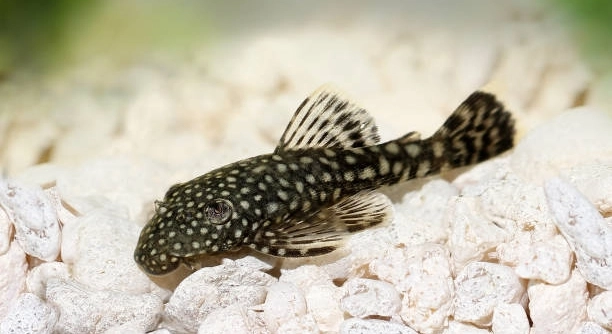
Have you ever noticed your pleco constantly moving the sand in its tank, leaving trails and small piles behind? This behavior can seem puzzling, especially when you provide a clean and well-maintained environment for your fish.
Plecos move sand primarily due to natural foraging instincts and territorial behavior. They sift through the substrate to find food, establish their preferred space, and maintain hygiene. Environmental conditions, tank size, and diet also play a significant role in this activity.
Understanding these patterns will help you manage your pleco’s tank more effectively and create a healthier, more comfortable environment for your fish.
Natural Foraging Instincts
Plecos are bottom-dwelling fish that naturally sift through the substrate to find food. In the wild, they spend hours digging through sand and gravel, looking for algae, leftover plant matter, and small invertebrates. Even in a well-fed aquarium, this instinct remains strong. Providing a layer of soft sand allows them to express this behavior safely without damaging the tank. It’s common to see them creating little trenches or moving small piles of sand as they search for hidden food particles. Observing this behavior can actually be rewarding because it shows your pleco is active and healthy. This digging also helps aerate the substrate, preventing harmful gases from building up beneath the surface. However, it can create a mess that needs regular maintenance. Offering sinking wafers or fresh vegetables like zucchini can reduce excessive digging by keeping them engaged in other feeding activities.
Allowing sand movement helps plecos stay active and maintain their natural behaviors while keeping their environment healthy.
Regularly checking the substrate and supplementing food sources ensures your pleco has both stimulation and proper nutrition without overdoing the digging.
Territorial Behavior
Plecos often move sand to mark their territory and feel secure in their space.
This behavior is especially noticeable in smaller tanks or when multiple bottom-dwellers share the same aquarium. By rearranging sand, hiding behind rocks, or shifting substrate around, plecos create boundaries they recognize. Territorial activity can also increase during breeding periods, when males need clear areas to claim. Tank layout, décor, and hiding spots influence how often they move sand. Providing caves, driftwood, or dense plant clusters helps reduce stress and limits excessive digging. Observing where sand piles accumulate can reveal which areas your pleco prefers. Over time, you may notice patterns in their movements, showing where they feel safest. Adjusting the environment to match these preferences can lead to a calmer, less disruptive tank. Proper tank management, combined with a suitable substrate, allows plecos to express natural instincts while maintaining harmony among tank mates.
Adding enough space and appropriate hiding spots is key to minimizing excessive substrate movement.
Diet and Feeding Habits
Plecos move sand to find small food particles that sink to the bottom. Even when well-fed, they continue sifting as part of their natural behavior.
Many plecos enjoy grazing on algae, leftover fish food, or fresh vegetables like cucumber and zucchini. If food isn’t evenly distributed, they will dig more actively, searching for every morsel. Overfeeding can worsen the mess, as uneaten food mixes with the substrate and prompts more digging. Providing a balanced diet with regular feeding times helps reduce frantic sand movement. Occasional sinking wafers or algae tablets can keep them engaged without creating excess mess. Watching them carefully during feeding allows you to spot which foods they prefer and how actively they forage. Adjusting portions and types of food can satisfy their instinct to dig while keeping the tank cleaner.
Allowing them to forage in a controlled way supports both their health and the tank’s cleanliness.
Tank Size and Environment
Smaller tanks can trigger increased sand movement as plecos feel cramped or overstimulated.
A tank that is too small limits a pleco’s ability to roam freely, causing it to dig and shift substrate more frequently. Larger tanks give them more space to establish territories, hide, and move naturally. Adding caves, driftwood, and plant clusters provides security and reduces stress. Even the type of substrate matters—soft sand is easier to move and dig into compared to coarse gravel, which can discourage excessive digging. Observing their preferred hiding spots and adjusting the layout accordingly helps them feel comfortable. Proper lighting and stable water conditions also influence activity levels, as stressed fish tend to dig more. Tailoring the tank environment to suit the pleco’s needs minimizes unnecessary substrate movement while allowing them to display natural behaviors.
A thoughtful setup improves both the pleco’s comfort and the overall tidiness of the tank.
Breeding Behavior
Male plecos often move sand to create or maintain breeding sites.
They dig and clear areas around caves or flat surfaces to prepare a safe place for eggs. This behavior is natural and signals readiness to reproduce, even if no female is present in the tank.
Stress and Anxiety
Stress can cause plecos to dig more aggressively than usual. Poor water quality, sudden changes in temperature, or aggressive tank mates may trigger this behavior. Maintaining stable water conditions, regular filtration, and a calm tank environment reduces anxiety, helping plecos feel secure and dig less.
Substrate Preference
Plecos naturally prefer soft sand or fine gravel that is easy to move. Using coarse or sharp substrate can discourage digging and may injure them. Choosing the right substrate ensures both safety and comfort, allowing them to display normal behaviors without risk.
Hiding Spots
Plecos move sand to create or improve hiding areas.
They often pile sand near rocks, caves, or decorations to feel protected. Providing enough shelters allows them to express this behavior safely and reduces random digging around the tank.
FAQ
Why does my pleco keep moving sand even when it is well-fed?
Plecos have strong natural foraging instincts. Even when you provide enough food, they will sift through the substrate to find any leftover particles or hidden treats. This behavior is normal and shows that your pleco is active and healthy. Offering a variety of foods, including sinking wafers or vegetables, can satisfy their digging urges without leaving excessive waste in the tank.
Is sand movement harmful to my pleco or tank?
Moving sand is generally harmless. It is part of their natural behavior and even helps aerate the substrate. Problems arise only if the substrate is too sharp, rough, or if sand constantly clogs filters. Using soft sand and monitoring water circulation ensures your pleco stays safe while maintaining tank cleanliness.
Can the type of substrate reduce digging?
Yes, substrate matters. Fine, soft sand encourages natural digging, while coarse gravel may slow it down but can hurt their delicate barbels. Many aquarists choose smooth sand to let plecos dig safely without damaging themselves or stressing them unnecessarily.
Does tank size affect sand movement?
Tank size plays a big role. In smaller tanks, plecos feel confined and may dig more frequently to mark territory or create space. Larger tanks allow them to explore freely, reducing constant substrate rearrangement. Adding hiding spots also helps plecos feel secure, minimizing excessive sand movement.
Does stress increase digging behavior?
Yes, stressed plecos dig more aggressively. Factors like sudden temperature changes, poor water quality, or aggressive tank mates can trigger this. Maintaining stable water parameters, proper filtration, and a calm environment helps them feel safe, keeping digging behavior under control while promoting overall health.
Do plecos dig for breeding purposes only?
Not exclusively, but breeding behavior is one reason. Male plecos often move sand to prepare areas for eggs. Even without a female, this instinct can appear. Providing caves or flat surfaces gives them an appropriate space to exhibit this natural behavior without disturbing the whole tank.
How can I manage sand movement without restricting my pleco?
Provide enough hiding spots, caves, and soft sand for them to dig safely. Regular feeding with sinking foods reduces frantic searching. Observing their patterns can help you arrange decorations strategically, so sand piles don’t accumulate in unwanted areas. This way, plecos can act naturally without excessive mess.
Are all pleco species equally active with sand?
No, activity levels vary by species. Some plecos are constant diggers, while others move sand less frequently. Researching your specific pleco type helps anticipate behavior and set up an environment that suits their habits, reducing frustration for both you and the fish.
Can frequent sand movement indicate illness?
Sometimes. While most digging is normal, sudden, frantic, or destructive digging combined with other signs like lethargy or loss of appetite may indicate stress or health issues. Regularly monitoring behavior and water quality ensures early detection of potential problems.
Will rearranging the tank help reduce digging?
Rearranging decorations can help if done thoughtfully. Creating secure hiding spots and stable territories can reduce territorial digging. However, frequent or drastic changes may stress the pleco, increasing digging temporarily. Gentle adjustments are better than major overhauls to minimize disruption.
Does feeding schedule affect digging?
Yes. Irregular or insufficient feeding encourages more digging as plecos search for missed food. Maintaining a consistent feeding routine with varied foods allows them to forage naturally without excessive substrate movement. Sinking foods work best for bottom-dwelling plecos.
How do I clean the tank without disturbing my pleco?
Use a siphon carefully around their preferred hiding areas and sand piles. Avoid moving them unnecessarily and perform partial water changes to maintain a stable environment. Regular maintenance reduces mess while respecting their natural digging behavior.
Can decorations stop them from moving sand?
Decorations can redirect behavior but not stop it entirely. Plecos naturally explore and dig, so providing caves, driftwood, or rocks gives them purpose and structure for their movements. Well-placed items reduce random sand piles and improve tank organization.
Should I worry if sand piles keep forming?
No, it’s normal. Plecos create small mounds or trenches while foraging and marking territory. As long as the sand is safe and water quality remains stable, this behavior is natural and healthy. Observing patterns can help manage tank cleanliness effectively.
What is the best way to balance natural behavior and tank cleanliness?
Offer soft sand, hiding spots, and proper diet to satisfy natural instincts. Keep water clean and provide enough space to reduce stress. Occasional rearrangements and regular observation ensure your pleco can dig safely while the tank stays tidy and functional.
Final Thoughts
Plecos moving sand in your aquarium is a completely natural behavior. It may seem messy or confusing at first, but understanding why they do it can make tank management easier. These fish have strong instincts to forage, dig, and maintain their space. Even when they are well-fed, their natural behaviors do not disappear. Watching them sift through the substrate, create small sand piles, or rearrange their surroundings is a sign that they are active and healthy. Allowing them to express these behaviors safely is an important part of caring for them. Providing soft sand, hiding spots, and appropriate decorations gives plecos a secure environment while reducing the stress that often leads to excessive digging. By seeing these activities as normal rather than disruptive, you can better appreciate the complexity of your pleco’s behavior.
Managing the tank properly can make sand movement less overwhelming. Feeding your pleco on a regular schedule and offering a balanced diet helps reduce frantic digging in search of food. Using sinking wafers or fresh vegetables allows them to forage naturally without leaving too much waste in the substrate. Tank size is also important; larger aquariums give plecos room to explore and establish territories, which reduces constant rearrangement of the sand. Providing caves, driftwood, and plants creates secure spaces for hiding and marking territory. Choosing the right substrate, such as soft sand or fine gravel, ensures that digging is safe for your pleco’s delicate barbels and prevents potential injuries. Maintaining water quality and monitoring temperature and pH levels reduces stress, which is another factor that can increase digging behavior. Small adjustments in the tank’s layout and care routine can make a significant difference in balancing natural behavior and cleanliness.
Ultimately, understanding your pleco’s habits allows you to create a comfortable environment where they can thrive. Digging, moving sand, and rearranging their surroundings are all part of their instinctual behavior, not signs of misbehavior or illness in most cases. Observing where sand piles form, how often they forage, and their preferred hiding spots can help you arrange the tank to suit their needs. By providing appropriate food, substrate, and environmental conditions, you are supporting both their health and the overall stability of the aquarium. Accepting a bit of mess as part of keeping plecos makes the experience more enjoyable and less stressful. With consistent care, attention, and thoughtful setup, your pleco can maintain natural behaviors while your tank remains a balanced, clean, and healthy environment for all its inhabitants.

Hello,
If you enjoy the content that we create, please consider saying a "Thank You!" by leaving a tip.
Every little bit helps us continue crafting quality advice that supports the health, happiness, and well-being of pets around the world, for pets of all shapes, sizes, and species.
We really appreciate the kindness and support that you show us!