Are Rainbowfish Nocturnal? (What to Know)
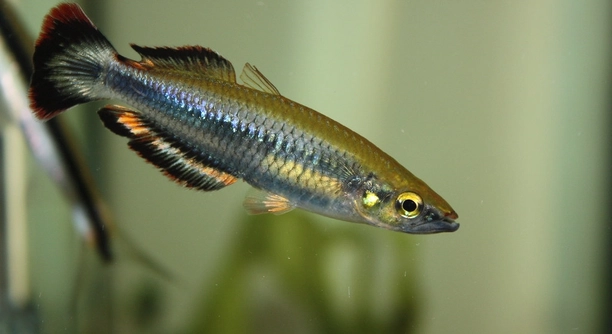
Rainbowfish are colorful freshwater fish that brighten up home aquariums. Their shimmering scales and peaceful nature make them popular among aquarists seeking a lively yet calm addition to their tanks. They thrive in well-maintained environments with stable conditions. Rainbowfish are not strictly nocturnal. They are primarily diurnal, showing most activity during daylight hours while resting … Read more
7 Causes of Tail Nipping in Community Tanks

Do your community tank fish sometimes nip at each other’s tails, leaving frayed fins and stress behind? This behavior can be unsettling for hobbyists who aim for harmony in their aquariums. Tail nipping is common yet preventable. Tail nipping in community tanks is typically caused by stress, overcrowding, poor nutrition, incompatible tank mates, territorial disputes, … Read more

Are Rainbowfish Better in Pairs or Groups?

Are your rainbowfish showing signs of stress or lethargy in your aquarium? Observing their behavior closely can reveal whether they thrive better in small pairs or larger groups in a home tank environment. Rainbowfish generally display stronger social interactions and reduced stress levels when kept in groups rather than pairs. Groups of at least six … Read more

7 Ways to Spot Illness Early in Rainbowfish

Do you ever notice subtle changes in your rainbowfish but are unsure if they indicate a problem? Keeping a close eye on your fish can help prevent serious illness and ensure they remain healthy and vibrant. Early detection of illness in rainbowfish relies on observing changes in behavior, appetite, coloration, and physical condition. Identifying these … Read more

7 Common Rainbowfish Tank Setup Errors

Are your rainbowfish not thriving despite your best efforts in the aquarium? Setting up a tank may seem simple, but small mistakes can affect their health and vibrancy, leaving your aquatic friends stressed or undernourished. The most frequent rainbowfish tank setup errors include incorrect water temperature, improper pH levels, insufficient filtration, overcrowding, lack of hiding … Read more

Why Rainbowfish Might Ignore New Decorations

Rainbowfish are known for their vibrant colors and active swimming habits, making them a favorite in many home aquariums. Observing their behavior can be both relaxing and fascinating, especially as they explore their surroundings. Rainbowfish may ignore new decorations due to stress, unfamiliarity, or an established territorial hierarchy. Sudden changes in the tank environment can … Read more

7 Things You Should Never Feed Rainbowfish

Rainbowfish are colorful and lively additions to any freshwater aquarium. Their health depends greatly on what they eat, and even small dietary mistakes can lead to serious problems over time for these delicate fish. Feeding rainbowfish inappropriate foods can disrupt their digestion, stunt growth, and cause illness. Certain human foods, fatty items, and improper fish … Read more

7 Signs Your Tank Is Too Warm

Keeping a fish tank at the right temperature is essential for your aquatic pets to thrive. Many owners may not realize that even slight warmth can affect their fish’s behavior and overall health in subtle ways. An overly warm tank can lead to increased metabolism, reduced oxygen levels, and heightened stress for your fish. It … Read more

7 Water Parameters Rainbowfish Need to Thrive

Do you enjoy keeping rainbowfish but wonder why some seem less vibrant than others? Maintaining the right water conditions is key to their health and coloration. Even small changes in water can affect their overall well-being. Rainbowfish require stable water parameters including temperature, pH, hardness, ammonia, nitrite, nitrate, and oxygen levels. Maintaining these factors within … Read more

7 Lighting Mistakes That Confuse Fish

Do you ever notice your fish hiding more than usual or acting strangely under the light? Many aquarium owners struggle to understand how lighting affects fish behavior and overall tank harmony. Lighting plays a bigger role than most think. Fish can become stressed or disoriented due to improper lighting. Overly bright, inconsistent, or poorly positioned … Read more