
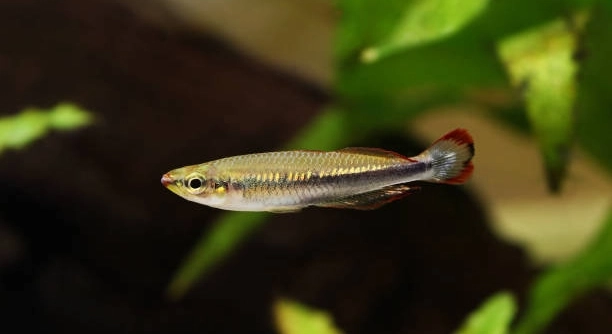
Do you enjoy keeping rainbowfish but wonder why some seem less vibrant than others? Maintaining the right water conditions is key to their health and coloration. Even small changes in water can affect their overall well-being.
Rainbowfish require stable water parameters including temperature, pH, hardness, ammonia, nitrite, nitrate, and oxygen levels. Maintaining these factors within species-specific ranges ensures optimal growth, coloration, and longevity, while preventing stress-related illnesses and promoting a healthy, thriving aquatic environment.
Understanding these parameters can make a noticeable difference in your rainbowfish care. Following proper guidelines ensures a healthier and more colorful tank environment.
Temperature
Rainbowfish thrive in water temperatures between 24°C and 28°C. Sudden fluctuations can cause stress, weaken their immune system, and reduce their activity. Using a reliable aquarium heater and thermometer helps maintain a stable environment. Consistent temperature ensures they remain active, feed well, and display vibrant colors. Avoid placing the tank near windows or air vents, as drafts or direct sunlight can create harmful temperature swings. Observing your rainbowfish daily allows you to notice subtle signs of discomfort, such as reduced swimming or hiding more often. Adjustments should be made gradually to prevent shock. If multiple species share the tank, ensure their temperature needs overlap. A consistent, warm environment promotes breeding behavior, healthy metabolism, and longevity. Taking these precautions helps create a comfortable habitat, making it easier to maintain other water parameters. Ultimately, attention to temperature sets the foundation for your rainbowfish’s overall well-being. Regular monitoring and gradual adjustments are essential for sustaining a stable aquarium ecosystem.
Maintaining proper temperature prevents stress, improves feeding, and enhances coloration. A stable range ensures rainbowfish remain healthy and active.
Even small changes in temperature can affect fish metabolism and immune response. Observing their behavior and adjusting the heater gradually keeps the tank safe and supportive for long-term health.
pH Levels
Rainbowfish prefer slightly alkaline water with a pH between 7.0 and 8.0. Maintaining this balance prevents stress and supports biological functions.
Monitoring pH regularly allows you to correct shifts caused by water changes, tap water differences, or decomposition. Using buffered solutions can stabilize fluctuations. Extreme pH levels can harm gill function, disrupt digestion, and increase susceptibility to disease. Plants and substrate choices can influence pH naturally. For example, driftwood may lower pH slightly, while certain rocks raise it. Gradual adjustments are safer than sudden changes, which can shock fish. Testing kits provide accurate readings, helping you respond quickly to any drift. A stable pH promotes optimal growth, breeding behavior, and coloration, while unstable levels can cause lethargy or fin deterioration. Combining proper pH with other water parameters like hardness and temperature creates a harmonious environment. Observing rainbowfish for signs of stress, such as erratic swimming or hiding, indicates when adjustments are needed. Proper pH management is essential for a healthy, vibrant rainbowfish community.
Water Hardness
Rainbowfish thrive in moderately hard water, ideally between 10 and 20 dGH. Proper hardness supports their osmoregulation, ensuring they maintain healthy fluid balance and strong scales. Soft or excessively hard water can lead to stress or poor growth.
Maintaining the right water hardness helps rainbowfish regulate body functions efficiently. Hardness affects how well fish absorb minerals like calcium and magnesium, which are crucial for bone and scale development. Inconsistent hardness can weaken immune systems, making them prone to infections. Test strips or digital meters provide accurate measurements, allowing you to adjust hardness using additives or blending tap and RO water. Observing fish for abnormal swimming or dull coloration often indicates imbalanced hardness. Adjustments should be gradual, combining monitoring with proper filtration and water changes. Maintaining moderate hardness also benefits plant growth, indirectly improving water quality and stability for rainbowfish. A stable environment contributes to overall vitality and longevity in your tank.
Using appropriate water hardness strengthens rainbowfish resilience, enhances coloration, and supports natural behaviors. Gradual adjustments are key for consistent results.
Ammonia Levels
Ammonia must remain at zero parts per million in rainbowfish tanks to prevent gill damage and stress. Any detectable ammonia indicates a need for immediate intervention.
Ammonia accumulates from fish waste, uneaten food, and decaying plant matter. High levels can cause lethargy, loss of appetite, and respiratory problems. Frequent water testing and proper filtration prevent dangerous spikes. Biological filters promote beneficial bacteria that convert ammonia into less harmful compounds. Regular partial water changes help dilute residual ammonia and maintain a safe environment. Overcrowding increases ammonia production, so stocking should match filtration capacity. Observing fish behavior, such as gasping at the surface, can indicate rising ammonia levels. Addressing the issue promptly preserves fish health, prevents disease, and keeps the aquarium stable. Effective ammonia management is a cornerstone of responsible rainbowfish care.
Nitrite Levels
Nitrite should always be kept at zero parts per million. Even low concentrations are toxic, affecting oxygen transport in rainbowfish and causing stress or illness.
Regular testing and proper cycling of the tank prevent nitrite accumulation. Biological filtration converts nitrite into less harmful nitrate, ensuring a safe environment.
Nitrate Levels
Nitrate is less toxic than ammonia or nitrite but should remain below 40 ppm. High nitrate levels can lead to poor health, stunted growth, and weakened immunity. Frequent water changes and maintaining live plants help reduce nitrate. Overfeeding and overcrowding increase nitrate buildup, so monitoring is essential. Proper tank maintenance ensures rainbowfish remain healthy, active, and vibrant, minimizing long-term health risks associated with elevated nitrate levels.
Oxygen Levels
Rainbowfish require well-oxygenated water to maintain metabolism and activity. Poor oxygenation can lead to lethargy, gasping at the surface, or stress, so adequate aeration and water movement are essential.
How often should I test the water for rainbowfish?
Testing your water at least once a week is essential for rainbowfish. Regular monitoring of temperature, pH, hardness, ammonia, nitrite, nitrate, and oxygen levels helps prevent sudden changes that can stress or harm your fish. Using reliable test kits provides accurate readings and helps you respond quickly if adjustments are needed. Some parameters, like ammonia and nitrite, may require more frequent checks, especially in newly established tanks. Observing fish behavior alongside testing results gives a clearer picture of water quality. Gradual changes are always safer than sudden corrections, ensuring rainbowfish remain healthy and active.
What is the best way to adjust pH levels safely?
To adjust pH safely, make gradual changes over several days rather than attempting a sudden correction. Using commercially available buffers designed for aquarium use allows precise control. Adding natural elements like driftwood or specific types of rocks can influence pH, but results may vary, so testing is necessary. Maintaining consistency is more important than achieving a perfect number immediately. Abrupt shifts can shock rainbowfish, affecting their immune system and appetite. Observing coloration, swimming patterns, and feeding behavior helps determine if pH adjustments are successful. Combined with stable temperature and hardness, proper pH control supports overall health.
Can I keep different species of rainbowfish together?
Rainbowfish are generally peaceful, but compatibility depends on species size and temperament. Mixing species with similar water parameter requirements is crucial to avoid stress or health problems. Overcrowding can lead to aggression and poor water quality, so tank size must accommodate all inhabitants comfortably. Keeping fish with matching activity levels and dietary needs ensures harmony. Providing plants, hiding spots, and open swimming areas reduces territorial behavior and promotes natural activity. Monitoring interactions helps identify potential conflicts early. Proper species selection, combined with attentive care and stable water parameters, creates a thriving, visually appealing rainbowfish community.
How do I reduce nitrate levels naturally?
Regular water changes are the simplest method to reduce nitrate levels. Removing a portion of the tank water and replacing it with fresh, conditioned water dilutes nitrates gradually. Live plants also absorb nitrates as nutrients, helping maintain stable levels. Avoid overfeeding, as excess food decomposes and increases nitrate buildup. Proper filtration supports beneficial bacteria that convert harmful compounds efficiently. Monitoring nitrate levels ensures adjustments are timely, preventing long-term health issues. Maintaining moderate stocking levels and avoiding overcrowding further limits nitrate accumulation. A combination of these methods creates a balanced environment, keeping rainbowfish healthy, vibrant, and active.
What signs indicate poor water quality?
Signs of poor water quality include lethargy, loss of appetite, gasping at the surface, faded coloration, and abnormal swimming patterns. Fin deterioration or frequent hiding can also indicate stress. Regular testing of ammonia, nitrite, nitrate, pH, and temperature helps identify the underlying causes. Observing your fish daily allows early detection of problems before they become severe. Behavioral changes often appear before physical symptoms, making proactive care important. Maintaining stable water parameters, proper filtration, and consistent cleaning prevents stress and supports the overall well-being of rainbowfish. Recognizing these signs quickly helps you take corrective action efficiently.
How can I maintain oxygen levels in my tank?
Ensuring proper aeration and water movement is essential for oxygenation. Using air stones, filters with strong output, or surface agitation increases dissolved oxygen levels. Avoid overcrowding, as more fish consume oxygen faster. Live plants contribute to oxygen during the day but may lower levels at night, so supplemental aeration can be helpful. Monitoring fish behavior, such as surface gasping or reduced activity, indicates low oxygen levels. Regular maintenance of pumps and filters ensures consistent performance. Proper oxygen levels support metabolism, feeding, and overall vitality, keeping rainbowfish active and healthy in their environment.
Is it necessary to cycle my aquarium before adding rainbowfish?
Cycling the tank is critical before introducing rainbowfish. A fully cycled aquarium establishes beneficial bacteria that convert ammonia and nitrite into less harmful nitrate. Without cycling, ammonia and nitrite can reach toxic levels, stressing or killing fish. Cycling can be achieved using fishless methods, decaying food, or hardy “starter” fish. Testing ammonia, nitrite, and nitrate confirms when the tank is stable. A properly cycled aquarium provides a safer, healthier environment for rainbowfish, promoting growth, coloration, and longevity while minimizing health risks associated with toxic water conditions.
Maintaining a healthy environment for rainbowfish requires careful attention to several key water parameters. Each factor, from temperature to oxygen levels, directly affects their health, behavior, and coloration. Consistency is essential, as sudden changes can cause stress and make fish more susceptible to disease. Simple daily observations, combined with regular water testing, provide insight into their well-being. By understanding what rainbowfish need to thrive, you can create a stable and supportive aquarium that encourages natural activity and enhances their vibrant appearance. Paying attention to these basic yet critical details ensures your fish live longer, healthier lives.
Water parameters work together to support overall fish health. For example, temperature affects metabolism, which in turn influences how fish respond to pH, hardness, and oxygen levels. Ammonia and nitrite must remain at zero to prevent toxicity, while nitrates need to be controlled through regular water changes and careful feeding. Filtration and aeration play a key role in maintaining these conditions. Plants and proper substrate choices can naturally influence water chemistry, providing additional stability. Even minor adjustments can have a noticeable impact, so changes should be gradual and monitored closely. Combining these practices creates a balanced ecosystem that supports not only rainbowfish but also other aquatic life in the tank.
Caring for rainbowfish is about creating an environment that mimics their natural habitat while maintaining safety and stability. Observing their behavior, coloration, and appetite offers clues about water quality and overall health. Providing proper space, hiding spots, and compatible tank mates further enhances their well-being. With consistent attention and small, steady adjustments, your rainbowfish can display their full range of colors, remain active, and thrive over time. Investing time in understanding water parameters and maintaining proper care routines ensures a successful, rewarding experience with these fish, making the aquarium both healthy and visually appealing.

Hello,
If you enjoy the content that we create, please consider saying a "Thank You!" by leaving a tip.
Every little bit helps us continue crafting quality advice that supports the health, happiness, and well-being of pets around the world, for pets of all shapes, sizes, and species.
We really appreciate the kindness and support that you show us!