
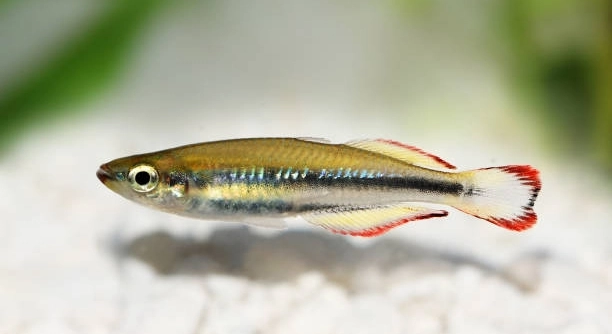
Do your community tank fish sometimes nip at each other’s tails, leaving frayed fins and stress behind? This behavior can be unsettling for hobbyists who aim for harmony in their aquariums. Tail nipping is common yet preventable.
Tail nipping in community tanks is typically caused by stress, overcrowding, poor nutrition, incompatible tank mates, territorial disputes, lack of hiding spaces, or sudden changes in water conditions. Understanding these causes allows for targeted interventions to reduce aggression and promote healthier tank dynamics.
Recognizing the reasons behind tail nipping is essential for maintaining a peaceful community tank environment and ensuring the well-being of all aquatic inhabitants. Proper management can make a significant difference.
Overcrowding in Community Tanks
When too many fish occupy a tank, stress and competition for resources increase significantly. Overcrowding limits swimming space, disrupts natural behaviors, and raises territorial disputes among fish. Aggression often manifests as tail nipping, as individuals attempt to assert dominance or secure space. Fish may become more restless, frequently darting around or chasing others, which leads to fin damage. Overcrowded tanks also strain filtration systems, causing water quality to deteriorate faster. Poor water conditions amplify stress, making fish more prone to aggressive behavior. Adjusting stocking levels, ensuring appropriate tank size, and monitoring interactions can prevent tail nipping. Creating a balanced environment allows each fish to establish territory without constant conflict. Observing fish behavior closely helps identify signs of stress early, enabling timely interventions before minor tail damage escalates. A well-planned tank setup not only reduces aggression but also promotes overall health and natural behaviors.
Overcrowding increases stress and aggression, making tail nipping more likely. Managing stocking levels is essential for a peaceful community tank.
Providing hiding spots, spacing decorations, and reducing fish density can help fish feel secure, decreasing aggression and tail damage. Proper tank management supports calmer, healthier fish overall.
Poor Nutrition
A diet lacking in essential nutrients can lead to irritability and aggressive behavior in fish. Nutritional deficiencies weaken their immune system, lower energy levels, and increase stress. When fish do not receive a balanced diet, they may target other fish’s fins to compensate for missing nutrients. Feeding low-quality flakes or neglecting protein and vegetable components can exacerbate this behavior. Ensuring a varied diet with protein-rich foods, vegetables, and occasional live or frozen treats can improve health and reduce aggression. Fish fed inconsistently or overfed may also exhibit tail nipping due to frustration or competition during feeding times. Monitoring feeding habits and adjusting portions prevents both malnutrition and overeating.
Proper nutrition supports calm behavior and fin health, reducing incidents of tail nipping in community tanks.
Consistent feeding schedules, balanced diets, and observing fish reactions to food are crucial. Providing a mix of pellets, frozen or live foods, and occasional supplements helps fish maintain energy, immune function, and overall well-being. Nutritionally satisfied fish are less likely to stress each other or engage in aggressive behaviors. Over time, this improves the harmony of the tank, reduces fin damage, and encourages natural swimming patterns. Maintaining water quality alongside proper feeding ensures fish remain healthy, active, and less prone to conflict. Careful attention to diet prevents tail nipping while supporting long-term tank stability and the overall vitality of all fish species housed together.
Territorial Behavior
Territorial disputes are a frequent cause of tail nipping. Fish mark areas in the tank as their own and attack intruders, especially in small or sparsely decorated tanks.
Territorial aggression usually appears when fish feel their space is threatened. Males are often more dominant, chasing others from hiding spots or around feeding areas. In community tanks, even peaceful species may show territorial behavior if space is limited. Providing plenty of decorations, plants, and rock formations helps break lines of sight and allows fish to establish separate areas. Observing which fish are aggressive helps identify patterns and take steps to reduce conflict, such as rearranging the tank or adding partitions.
In some cases, tail nipping is not due to hunger or overcrowding but simply competition for territory. Adjusting the environment to include visual barriers and multiple resting areas reduces stress. Fish can claim small sections without encroaching on others. This approach minimizes aggressive encounters and protects fins from repeated damage. Understanding natural territorial instincts allows you to anticipate conflicts before they escalate, creating a calmer tank atmosphere.
Incompatible Tank Mates
Mixing incompatible species often leads to persistent tail nipping. Aggressive species harassing passive ones cause stress and injury.
Carefully selecting species is essential for community tanks. Fish with different temperaments, sizes, or activity levels may clash. Aggressive or fast-moving species can intimidate slower fish, leading to repeated nipping and fin damage. Compatibility depends on natural behavior, feeding habits, and territorial tendencies. Observing interactions early can help prevent long-term problems.
Even if tank size and decorations are adequate, mismatched species often struggle to coexist. Aggressive fish may target those with long fins or slower swimming speeds. Introducing new tank mates gradually and monitoring interactions is critical. Researching each species’ social behavior ensures a harmonious mix. Sometimes, separating problematic fish or moving them to a different tank is necessary. Choosing compatible species reduces stress, supports natural behaviors, and protects all fish from tail injuries. Creating a carefully balanced community requires attention to both temperament and environmental needs.
Sudden Changes in Water Conditions
Sudden changes in temperature, pH, or hardness can stress fish, triggering tail nipping. Fish are sensitive to rapid fluctuations and may react aggressively.
Maintaining stable water conditions reduces stress and prevents aggressive behavior. Regular testing and gradual adjustments help fish adapt comfortably.
Lack of Hiding Spaces
Without sufficient hiding spots, fish feel exposed and insecure, increasing aggression. Decorations, plants, and caves provide safe areas for retreat and reduce tail nipping.
Stress from Overcrowding
Even minor overcrowding can elevate stress levels. Fish may nip tails as a way to assert dominance or cope with tension. Proper stocking and tank management prevent unnecessary stress and maintain a calmer environment.
Poor Water Quality
Dirty or poorly filtered water irritates fish, weakening their immune systems. Contaminated water can provoke tail nipping and other aggressive behaviors.
FAQ
What is tail nipping in community tanks?
Tail nipping occurs when one fish bites or frays the fins of another. It is usually a sign of stress, territorial disputes, or incompatible tank mates. Nipped fins can appear ragged or torn, and repeated incidents may lead to infections if left unaddressed.
Why do fish nip tails?
Fish nip tails for several reasons, including stress, lack of hiding spaces, overcrowding, poor nutrition, or aggression. Some species naturally exhibit fin-nipping behavior, especially if their natural environment includes competition for food or territory. Recognizing the cause is key to resolving the issue.
How can I tell if tail nipping is serious?
Minor nipping may result in small fin tears that heal quickly. Severe or repeated nipping leads to ragged fins, missing fin sections, and signs of stress such as hiding, loss of appetite, or rapid swimming. Persistent damage requires intervention to prevent illness.
Can tail nipping harm fish permanently?
Most fin damage will regrow if stress is reduced and water conditions are optimal. However, repeated nipping can weaken fish, slow growth, and increase susceptibility to infections. Severe injuries can become permanent if tissue or fin rays are destroyed.
How do I prevent tail nipping?
Preventing tail nipping involves proper tank management. Maintain stable water conditions, provide sufficient hiding spaces, avoid overcrowding, feed a balanced diet, and select compatible tank mates. Observing fish behavior regularly helps catch aggression early. Adjusting the environment often reduces nipping significantly.
Should aggressive fish be removed from the tank?
If aggression persists despite environmental adjustments, removing aggressive fish may be necessary. Separating individuals allows calmer fish to recover and prevents repeated fin damage. In some cases, moving aggressive species to a separate tank is the most practical solution.
Does tank size affect tail nipping?
Yes. Small tanks limit swimming space, increase competition, and make territorial disputes more likely. Larger tanks reduce stress by giving fish room to establish territory and avoid conflict. Proper stocking levels also prevent overcrowding, reducing the chances of tail nipping.
Are certain species more prone to tail nipping?
Some fish species naturally nip fins, especially fast-moving or territorial types. Bettas, barbs, and certain tetras are known for nipping fins when stressed or crowded. Researching species behavior before adding them to a community tank reduces conflict.
Can diet influence tail nipping?
A poor diet can increase aggression and fin-nipping behavior. Fish require a balanced mix of protein, vegetables, and occasional live or frozen foods. Nutritional deficiencies can cause irritability and competition, which may lead to tail nipping. Feeding appropriate portions also helps.
How do decorations and plants help?
Decorations, plants, and caves provide hiding spaces and visual barriers. They allow fish to claim small territories without constant confrontation. Strategically placed decor reduces stress and gives fish a chance to rest, which lowers aggression and the likelihood of tail nipping.
What should I do if my fish’s fins are damaged?
Trimmed or torn fins need a clean environment to heal. Regular water changes, proper filtration, and adding stress-reducing decorations aid recovery. In severe cases, applying antibacterial treatments or isolating injured fish in a quarantine tank can prevent infection and speed healing.
Is tail nipping preventable?
Tail nipping can often be prevented by addressing the underlying causes. Stable water conditions, compatible species, balanced nutrition, adequate space, and hiding spots significantly reduce aggressive interactions. Early observation and intervention are key to maintaining a peaceful community tank.
How quickly do fins heal from nipping?
Fin regeneration depends on species, water quality, and stress levels. Minor tears can heal within a few weeks, while extensive damage may take months. Ensuring optimal conditions accelerates healing, while repeated nipping slows recovery.
Can stress alone cause tail nipping?
Yes. Stress from sudden water changes, overcrowding, or incompatible tank mates often triggers aggressive behavior. Stressed fish are more likely to nip fins as a coping mechanism or to assert dominance over others. Reducing stress is essential to stop tail nipping.
Are there medications to prevent tail nipping?
Medications cannot prevent tail nipping directly. They are only useful if injuries become infected. The most effective prevention involves environmental adjustments, proper nutrition, and careful species selection. Treating infections is important to ensure fin regeneration.
How often should I monitor my tank for nipping?
Regular observation is essential. Daily or frequent checks help identify early aggression or minor fin damage. Prompt action allows for adjustments in stocking, feeding, or tank layout before problems escalate. Early intervention prevents long-term harm to fish.
Can tail nipping affect all fish in the tank?
Yes. Aggressive or fin-nipping fish can stress or injure multiple tank mates. Even peaceful species may become defensive or withdrawn. Addressing causes benefits all fish, reducing injuries and maintaining overall tank harmony.
What is the role of water quality in tail nipping?
Poor water quality increases stress and irritability in fish. High ammonia, nitrite, or nitrate levels can make fish more aggressive. Regular testing, water changes, and proper filtration are crucial to reducing stress-related tail nipping.
Does introducing new fish trigger tail nipping?
New fish can disrupt established hierarchies, leading to temporary tail nipping. Proper acclimation, gradual introduction, and monitoring interactions help integrate new fish with minimal aggression. Adequate hiding spots ease tension and prevent injuries.
Can rearranging the tank reduce tail nipping?
Yes. Rearranging decorations and plants breaks established territories, reducing conflict. Fish must reestablish areas, which can diffuse aggression. Regularly updating the layout helps maintain a peaceful environment, especially when introducing new tank mates.
How long does it take to stop tail nipping?
The time varies depending on cause and intervention. Adjusting environment, diet, and stocking can reduce nipping within days to weeks. Persistent issues may require separating aggressive fish, but consistent management generally restores harmony.
Is tail nipping a sign of illness?
Not directly. Tail nipping is usually behavioral, not illness-related. However, stress from poor health can increase aggression. Ensuring fish are healthy, well-fed, and in clean water reduces both disease risk and tail-nipping incidents.
Can I prevent tail nipping without removing aggressive fish?
Yes. Providing hiding spots, rearranging the tank, improving water quality, and offering balanced nutrition often reduces aggression. Careful monitoring and environmental adjustments allow most fish to coexist peacefully without removing any individuals.
Are long-finned fish more vulnerable?
Yes. Long-finned species are frequent targets because their fins are easier to grab. Extra hiding spots and slower tank mates help protect them. Monitoring interactions ensures they are not constantly harassed or stressed.
Does tail nipping stop on its own?
Sometimes minor nipping ceases as fish establish hierarchy or adjust to tank conditions. Persistent aggression usually requires intervention, such as environmental changes, compatible species selection, or temporary separation.
Can environmental enrichment reduce tail nipping?
Yes. Adding plants, rocks, and caves provides stimulation, reduces boredom, and allows fish to claim small territories. Enrichment decreases stress, supports natural behavior, and significantly lowers fin-nipping incidents.
Is quarantine necessary for aggressive fish?
Quarantine may be useful if a fish repeatedly injures others. Isolating aggressive individuals protects the rest of the tank, allows monitoring, and prevents further fin damage while adjustments are made.
How does lighting affect tail nipping?
Excessive or sudden changes in lighting can stress fish, increasing aggression. Gradual adjustments, consistent light cycles, and avoiding overly bright tanks help maintain calm behavior and reduce fin-nipping tendencies.
Are juvenile fish more prone to nipping?
Juvenile fish are often more active and curious, which can include tail nipping. Providing adequate space, hiding spots, and compatible companions helps them learn social behavior without harming others.
Can overcrowding lead to permanent aggression?
Persistent overcrowding may reinforce aggressive behavior, making tail nipping a long-term problem. Adjusting stocking levels and providing enough space is critical to prevent permanent stress and repeated fin damage.
Does tank shape matter for tail nipping?
Yes. Narrow or shallow tanks limit swimming space and increase encounters, raising aggression. Tanks with varied terrain, visual barriers, and open swimming areas allow fish to avoid conflict and reduce tail-nipping incidents.
How can I monitor recovery after tail nipping?
Watch for fin regrowth, reduced chasing, and calmer interactions. Maintain clean water, provide hiding spots, and observe daily. Recovery may take weeks, but consistent care ensures fins heal and aggression subsides.
Are some fish naturally aggressive fin nippers?
Yes. Species like barbs, tetras, and some cichlids are prone to nipping, especially in stressful or crowded conditions. Awareness of natural behavior guides tank setup and reduces injuries.
Can water temperature impact tail nipping?
Yes. Sudden or extreme temperature changes stress fish, leading to aggression. Maintaining stable, species-appropriate temperatures supports calm behavior and reduces tail-nipping incidents.
How do I stop a fish from targeting one specific tank mate?
Provide hiding spots, rearrange decorations, and monitor interactions closely. If aggression continues, consider temporary separation or moving the aggressive fish to another tank to protect the target and reduce stress.
Is tail nipping more common in certain seasons?
Breeding or seasonal behavior may increase aggression, especially during warmer months when activity rises. Monitoring fish and providing extra hiding spots can prevent seasonal spikes in tail nipping.
Can water flow affect tail nipping?
Strong currents may stress slower swimmers, making them more vulnerable to nipping. Adjusting flow or providing calm zones allows all fish to swim comfortably and reduces fin injuries.
Does overcrowding affect juvenile and adult fish differently?
Juveniles may be more active and curious, leading to nipping, while adults may assert dominance and chase others. Managing both age groups carefully reduces conflict and protects all fins.
Can disease make tail nipping worse?
Yes. Sick or weakened fish may provoke aggression from healthy tank mates. Maintaining health through clean water, proper diet, and observation prevents tail nipping caused by vulnerability.
Are male fish more likely to nip tails?
Males often exhibit stronger territorial or dominance behaviors, which can include tail nipping. Providing adequate space and hiding spots helps diffuse male aggression and protects fins.
What role does social hierarchy play in tail nipping?
Fish establish hierarchies to reduce constant fighting. Early nipping may occur, but once ranks are settled, aggression often decreases. Observing and adjusting tank conditions supports a stable hierarchy and protects fins.
How can I encourage healing in nipped fins?
Maintain clean water, reduce stress, provide hiding spots, and monitor interactions. Avoid adding new aggressive fish until fins heal. Proper care ensures faster regeneration and minimizes infection risks.
Can I predict which fish will nip?
Observation and knowledge of species behavior help predict potential nippers. Aggressive, fast, or territorial species are more likely to target fins. Careful planning of tank composition reduces surprises.
Are there long-term effects of tail nipping?
Repeated tail nipping can slow growth, weaken immunity, and cause permanent fin deformities. Addressing behavior early prevents long-term damage and promotes a healthy, peaceful community tank.
Does stress from tank maintenance contribute to tail nipping?
Yes. Frequent, sudden changes during water changes or cleaning can stress fish, increasing aggression. Gentle, gradual maintenance routines minimize stress and reduce fin-nipping incidents.
Is it possible to completely eliminate tail nipping?
While minor nipping may occur occasionally, proper tank management, compatible species, stable water conditions, and sufficient hiding spaces make it rare. Most issues can be controlled effectively with consistent care.
Can breeding behavior cause tail nipping?
Yes. During breeding, males may chase or nip females or other males. Providing ample space and hiding areas reduces aggression and protects fins during these periods.
Does fish age influence tail nipping?
Older fish may be less active and less likely to nip, while younger, more energetic fish may engage more in chasing and fin nipping. Balancing age groups helps maintain a calm tank.
How do I know if tail nipping has stopped?
Monitor interactions, fin condition, and stress signs. Reduced chasing, smoother fins, and calmer behavior indicate nipping has subsided. Consistent observation ensures long-term harmony.
Are some tank setups better than others for preventing tail nipping?
Yes. Tanks with ample space, hiding spots, visual barriers, and calm swimming areas reduce aggression. Proper layout, species selection, and environmental enrichment support peaceful community living.
What should I do if tail nipping keeps recurring?
Reassess tank size, stocking levels, species compatibility, diet, water quality, and decor. Persistent issues may require separating aggressive fish or modifying the environment to protect vulnerable individuals.
Can stress from other fish diseases trigger tail nipping?
Yes. Ill or weak fish can provoke aggression from healthy tank mates. Ensuring all fish are healthy, disease-free, and in optimal conditions reduces stress-induced nipping.
Is it common for tail nipping to occur after introducing new fish?
Yes. New fish disrupt social hierarchy and territory boundaries. Gradual introduction, sufficient hiding spots, and observation minimize aggression and protect fins.
Can rearranging decorations prevent repeated nipping?
Yes. Changing the layout breaks established territories and gives fish a chance to establish new areas. This reduces repeated aggression and protects fins.
Does lighting consistency help prevent tail nipping?
Consistent light cycles reduce stress and support natural behavior patterns. Abrupt changes or overly bright lighting can increase aggression and nipping tendencies.
How important is regular observation for preventing tail nipping?
Regular observation allows early detection of aggression, injured fins, or stress. Prompt action prevents escalation and ensures all fish remain healthy and peaceful.
Can tank water flow adjustments reduce aggression?
Yes. Strong currents may stress slower or weaker fish, making them more prone to nipping. Adjusting flow creates calmer areas and reduces fin injuries.
Are territorial fish always aggressive tail nippers?
Not always. Territorial behavior varies by species and environment. Proper tank layout, hiding spaces, and compatible tank mates can reduce aggression even in territorial species.
Can environmental enrichment reduce boredom-related tail nipping?
Yes. Plants, caves, and decorations provide stimulation, prevent boredom, and reduce stress, which lowers the likelihood of fin-nipping behavior.
How long should I isolate an aggressive fish?
Isolation depends on behavior improvement. Monitor aggression, fin healing, and stress levels. Some fish calm in a few days, while others may need longer before reintegration.
Does feeding frequency influence tail nipping?
Yes. Irregular feeding or competition for food increases stress and aggression. Regular, adequate meals reduce fin-nipping incidents and promote calmer behavior.
Can tank rearrangement help long-term peace?
Periodic rearrangement prevents territory monopolization, reduces conflict, and encourages peaceful coexistence. It is especially effective when introducing new fish or after repeated tail-nipping events.
How do I ensure all fish get enough food without triggering aggression?
Distribute food in multiple locations, feed appropriate portions, and observe fish during feeding. This prevents competition, reduces stress, and lowers tail-nipping behavior.
Are hiding spaces more important for some species than others?
Yes. Shy or long-finned species benefit most from hiding spots. They can retreat when threatened, reducing fin damage and stress while promoting calmer interactions.
Can temperature fluctuations trigger aggression?
Yes. Sudden changes in temperature increase stress, making fish more prone to tail nipping. Gradual adjustments maintain calm and reduce fin damage.
How do I monitor fish hierarchy to prevent tail nipping?
Observe chasing, fin nipping, and dominant behaviors. Adjust tank layout, provide hiding spots, or separate aggressive fish if necessary to maintain balance and protect all fish.
Is fin nipping a sign of boredom?
Yes. Inadequate stimulation can lead fish to nip fins out of frustration. Providing enrichment, hiding spots, and companions reduces boredom and aggressive behaviors.
Can water chemistry affect fin healing after nipping?
Yes. Optimal pH, hardness, and temperature support faster fin regeneration. Poor water quality slows healing and increases infection risk.
Should I remove fish temporarily after severe tail nipping?
Temporary removal of injured or aggressive fish can prevent repeated damage, reduce stress, and allow fins to heal. This is often more effective than long-term separation.
Does tank population density influence fin nipping?
High density increases encounters, competition, and aggression, making tail nipping more likely. Proper stocking levels reduce stress and promote calmer behavior.
Can environmental enrichment help juvenile and adult fish differently?
Yes. Juveniles need stimulation to learn social behavior, while adults benefit from hiding spots to avoid conflict. Both reduce tail-nipping incidents.
Are fin nippers more common in certain water temperatures?
Yes. Higher temperatures may increase activity, competition, and aggression, raising the likelihood of tail nipping. Stable temperatures help maintain calmer behavior.
How do I differentiate between playful chasing and aggressive nipping?
Playful chasing is brief, non-damaging, and ends quickly. Aggressive nipping leaves torn fins, repeated chasing, and stressed or injured fish. Observation is key to distinguishing the two.
Can overfeeding reduce tail nipping?
Moderate, consistent feeding reduces competition for food, which lowers stress and aggression. Overfeeding can cause water quality issues, indirectly increasing aggression, so balance is essential.
Does adding live plants help more than artificial plants?
Both provide hiding spaces, but live plants may offer additional benefits, like oxygenation and water filtration. Either type reduces stress and fin-nipping behavior when properly arranged.
Are tail nipping incidents more frequent in beginner tanks?
Yes. Beginners may overlook stocking levels, species compatibility, and hiding spaces, which increases stress and aggression. Learning proper tank management reduces tail-nipping incidents.
Can changing the water flow prevent tail nipping?
Yes. Adjusting flow to suit all species prevents stress, protects slower swimmers, and reduces aggressive interactions.
Is tail nipping affected by seasonal changes?
Yes. Breeding behavior and increased activity in warmer months can raise aggression. Adequate space, hiding spots, and careful monitoring mitigate seasonal tail nipping.
How do I restore peace after tail nipping occurs?
Adjust tank layout, provide hiding spots, feed balanced diets, maintain water quality, and monitor interactions. Persistent aggression may require separating fish temporarily.
Are fin-nipping behaviors learned or instinctive?
Both. Some species are instinctively more aggressive, while repeated interactions can reinforce nipping behavior. Early observation and environmental management reduce learned aggression.
Does the presence of mirrors or reflections affect tail nipping?
Mirrors or reflective surfaces may trigger territorial responses, causing tail nipping. Reducing reflections or positioning decorations carefully can minimize this effect
Tail nipping in community tanks is a common issue that many aquarists face. It is rarely a sign of serious illness, but it can lead to stress, injury, and even infections if left unaddressed. Understanding the reasons behind tail nipping is essential for maintaining a healthy tank. Factors such as overcrowding, poor nutrition, incompatible tank mates, lack of hiding spots, territorial behavior, and sudden changes in water conditions all contribute to this problem. Each factor can create stress in fish, prompting them to nip at one another’s fins as a way to assert dominance, compete for resources, or cope with tension. Being aware of these causes allows tank owners to make informed adjustments and create a safer environment for all inhabitants.
Addressing tail nipping requires consistent observation and proactive management. Monitoring fish behavior regularly helps detect early signs of aggression before damage becomes severe. Providing adequate space, carefully selecting compatible species, and offering hiding spots are simple yet effective steps to reduce conflict. Maintaining stable water conditions and a balanced diet is equally important. Healthy, well-fed fish are less likely to stress or compete aggressively. In some cases, rearranging decorations or separating aggressive individuals temporarily can restore peace in the tank. These measures not only prevent tail nipping but also promote natural behaviors, reduce stress, and improve overall well-being. Creating a tank environment that meets the physical and social needs of all fish is the key to minimizing fin damage and promoting harmony.
Patience and attentiveness are essential when managing tail nipping. Solutions often take time to show results, and repeated observation is necessary to ensure changes are effective. Even minor adjustments, like adding plants or increasing swimming space, can make a noticeable difference. Long-term tank management involves understanding each species’ behavior, anticipating potential conflicts, and maintaining consistent care routines. By addressing environmental, dietary, and social factors, tail nipping can be significantly reduced, allowing fish to thrive in a calm and healthy community tank. A well-maintained aquarium not only prevents injuries but also supports the natural vitality of each fish, resulting in a more peaceful and enjoyable aquatic environment for both the fish and the caretaker.

Hello,
If you enjoy the content that we create, please consider saying a "Thank You!" by leaving a tip.
Every little bit helps us continue crafting quality advice that supports the health, happiness, and well-being of pets around the world, for pets of all shapes, sizes, and species.
We really appreciate the kindness and support that you show us!