
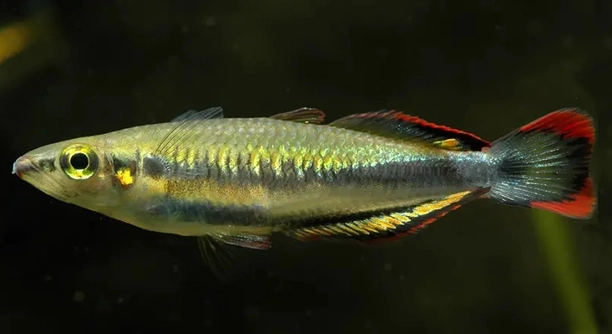
Do you ever notice your fish hiding more than usual or acting strangely under the light? Many aquarium owners struggle to understand how lighting affects fish behavior and overall tank harmony. Lighting plays a bigger role than most think.
Fish can become stressed or disoriented due to improper lighting. Overly bright, inconsistent, or poorly positioned lights interfere with natural behaviors, feeding patterns, and circadian rhythms, often leading to confusion and negatively impacting their health and activity levels.
Recognizing these common mistakes can help you create a calmer, healthier environment for your fish. Correct lighting adjustments can make a significant difference in their daily life.
Overly Bright Lighting
Overly bright lighting can overwhelm fish, making them anxious and less active. Some species prefer dimmer environments, and strong lights can mimic the stress of predators in the wild. Bright light may also cause algae to grow rapidly, which affects water quality and the tank’s balance. Fish may hide behind decorations, plants, or rocks to escape, which reduces their natural swimming and feeding behaviors. Observing fish responses to light intensity helps determine if adjustments are necessary. Using a dimmer or moving the light slightly farther away from the tank surface can make a noticeable difference. Timed lighting schedules also help fish adapt to a predictable environment. By avoiding constant exposure to bright lights, you give fish a sense of security and reduce unnecessary stress, which ultimately supports their overall health. Regular observation and small changes in lighting intensity can lead to calmer, more active fish.
Overly bright lights can trigger stress and hiding behaviors in fish, reducing their overall activity and wellbeing.
Adjusting light intensity and positioning is essential for creating a natural-feeling environment. Gradually acclimating fish to stronger light allows them to adapt safely without sudden stress. Consider using floating plants or shaded areas to diffuse excessive brightness while still maintaining adequate illumination. Timers can help ensure a consistent light-dark cycle, mimicking natural day-night patterns. Each species has specific preferences, so research on their natural habitat can guide effective lighting choices. Fish in groups may react differently than solitary fish, so observe all individuals carefully. Simple changes can improve behavior, feeding patterns, and reduce aggression or erratic swimming.
Inconsistent Lighting
Inconsistent lighting, such as frequently turning lights on and off, can confuse fish. Sudden changes disrupt their natural rhythms and cause stress. Fish rely on stable light cues to regulate feeding and rest cycles.
Fish exposed to erratic lighting may show unusual behaviors like hiding or swimming frantically.
Maintaining a consistent lighting schedule is crucial. Using a timer ensures fish experience predictable day and night periods. Sudden changes can make nocturnal fish active at the wrong times and diurnal fish lethargic, affecting feeding and growth. Inconsistent lighting also impacts plant health, which further disrupts the aquarium ecosystem. Observing fish behavior can indicate whether your lighting schedule is too irregular. Gradually adjusting the timing allows fish to adapt without stress. For planted tanks, consider how lighting affects photosynthesis and algae growth, balancing needs for both plants and animals. Consistent light encourages stable water chemistry, natural activity patterns, and overall tank harmony, benefiting all inhabitants.
Wrong Light Spectrum
Using the wrong light spectrum can affect fish health and behavior. Some species need specific light wavelengths to feel secure, while others require different spectrums for proper plant growth or natural coloration.
Incorrect lighting can alter fish activity, cause stress, and make colors appear dull. Certain wavelengths may disrupt breeding behavior or feeding habits. Fish in tanks with only blue or white light may fail to recognize food or become more skittish. Plants and corals also rely on specific spectrums for photosynthesis, so improper lighting can indirectly harm fish by reducing oxygen and affecting water quality. Adjusting the light spectrum to match the natural habitat of your species improves behavior, enhances color, and supports overall tank stability.
Finding the right light spectrum often involves experimenting with combinations of warm and cool lights. Observing fish behavior over several weeks helps identify whether adjustments are needed. Floating plants or shaded areas can modify the spectrum naturally, while full-spectrum bulbs mimic daylight. For mixed-species tanks, balance lighting to accommodate both plant and fish needs. Proper spectrum management prevents stress, promotes natural activity, and maintains the aesthetic of the aquarium without overcomplicating setup.
Incorrect Light Duration
Leaving lights on for too long or too briefly can confuse fish and disrupt natural cycles. Fish need a predictable schedule to regulate activity and rest.
Too much light increases stress and algae growth, while too little can reduce activity and feeding efficiency. Fish may become lethargic, lose color vibrancy, or hide more often. Overly long light periods interfere with sleep cycles, affecting immunity and growth, whereas short durations may not trigger normal behaviors, making fish appear restless or disoriented. Using timers helps establish a consistent day-night cycle, which supports predictable feeding, swimming, and social interactions. Regular observation ensures the light schedule matches species-specific needs and tank conditions.
Setting an appropriate light duration requires understanding the species’ natural habitat. Tropical fish generally need 10–12 hours, while some cold-water species may need slightly less. Gradual changes prevent sudden stress, and timers provide consistency without daily manual adjustment. Combining light duration with spectrum and intensity adjustments ensures optimal conditions for both fish and plants. A balanced schedule reduces stress, enhances activity, and maintains natural coloration. Adjusting gradually while observing behavior allows for fine-tuning, creating a stable, thriving aquarium environment over time.
Uneven Lighting
Uneven lighting creates bright and dark spots, which can stress fish. Fish may avoid certain areas, limiting swimming space and natural exploration.
Shadows and bright patches can confuse fish about safe zones, affecting feeding patterns and social behavior. Balanced light distribution helps fish feel secure throughout the tank.
Glare from Lights
Glare on the tank surface or decorations can startle fish. Reflections may make them think predators are nearby, causing hiding or frantic swimming.
Managing light placement and diffusing bulbs reduces glare, ensuring fish can navigate comfortably. Proper angles prevent stress and allow natural activity to continue without interruptions.
Flickering Lights
Flickering lights can confuse and stress fish over time. Even subtle fluctuations may cause unusual behavior or anxiety.
Consistent, stable lighting is essential. Replacing old bulbs or using quality LEDs ensures steady illumination, supporting calm, healthy fish and predictable activity patterns.
What is the best lighting for freshwater fish?
Freshwater fish generally do well with full-spectrum lighting that mimics natural daylight. A combination of white and slightly warm light helps bring out their natural colors and supports plant growth. Avoid overly bright or harsh lights, especially if you have shy or nocturnal species. Adjusting light intensity gradually can help fish acclimate without stress. Using a timer ensures consistent day-night cycles, which is essential for healthy feeding and rest patterns. Floating plants or shaded areas also allow fish to choose dimmer zones if needed, reducing stress while maintaining visual appeal in the tank.
How long should aquarium lights be on each day?
Most freshwater fish benefit from 8 to 12 hours of light daily. Tropical species often need around 10–12 hours, while some temperate or cold-water fish require slightly less. Too much light encourages algae growth and can increase stress, while too little light can make fish lethargic and reduce activity. Using a timer provides consistency without manual adjustment, helping fish maintain natural circadian rhythms. Observing fish behavior over several days can help you fine-tune the schedule. Plants in the tank also influence light duration, as they require sufficient time for photosynthesis but not excessive exposure that may harm fish.
Can wrong lighting affect fish health?
Yes, improper lighting can negatively impact fish health. Overly bright or flickering lights increase stress, making fish more prone to illness. Insufficient or inconsistent lighting can interfere with feeding, growth, and natural activity patterns. Fish rely on predictable light cues to maintain circadian rhythms, which influence hormone production, appetite, and sleep. Poor lighting may also affect color vibrancy and social interactions, causing hiding, aggression, or erratic swimming. By matching light intensity, duration, and spectrum to the species’ natural habitat, you can prevent stress-related issues and support both mental and physical well-being. Proper lighting is crucial for a balanced aquarium environment.
How can I reduce glare in my aquarium?
Glare can startle fish, making them swim frantically or hide constantly. Positioning lights at an angle or using diffusers reduces reflections on the water surface and decorations. Avoid placing tanks near direct sunlight, as it can cause intense glare and rapid algae growth. Floating plants or decor that create shaded areas can also help fish find calm spots. By managing light placement and intensity, you can minimize stress and allow fish to swim and feed naturally without interruption. Consistent lighting that avoids harsh reflections improves overall behavior and contributes to a calmer aquarium environment.
Are LED lights better than fluorescent lights?
LED lights are generally preferred because they provide stable, energy-efficient, and adjustable illumination. They produce less heat, reducing stress on fish and preventing rapid temperature fluctuations. LEDs also offer customizable spectrums and brightness, which can be tailored to specific species or plant needs. Fluorescent lights are effective but may flicker or lose intensity faster over time. Long-term, LEDs tend to be more cost-effective and reliable, creating consistent conditions that reduce confusion and stress in fish. Choosing high-quality LED fixtures ensures steady light distribution and proper spectrum for both fish and plants, promoting health and natural activity.
How can I tell if my fish are stressed by lighting?
Signs of stress from lighting include hiding more than usual, rapid or erratic swimming, loss of color, and decreased appetite. Fish may cluster in shaded areas or near the bottom of the tank to escape bright spots. Observing changes in behavior during different lighting periods can help identify issues. Adjusting intensity, spectrum, or duration gradually often resolves stress. Providing shaded zones and maintaining a consistent day-night cycle also reduces anxiety. Paying attention to subtle changes in swimming patterns or social interactions allows early intervention, ensuring fish remain calm and healthy under appropriate lighting conditions.
Can improper lighting affect plants in the tank?
Yes, plants are sensitive to spectrum, intensity, and duration. Too little light slows growth, while too much encourages algae that can harm fish and water quality. Poor plant health reduces oxygen levels and limits hiding spots, which indirectly stresses fish. Using the right spectrum and light duration ensures plants thrive, creating a balanced ecosystem. Proper lighting supports photosynthesis, stabilizes water chemistry, and provides natural shading, helping fish feel secure. Observing both plant and fish behavior allows fine-tuning to meet everyone’s needs. A healthy plant setup improves tank aesthetics and contributes to a more natural, stress-free environment.
What should I do if my fish hide all the time under lights?
If fish hide constantly, first check light intensity and spectrum. Dim overly bright lights or create shaded areas using plants or decor. Gradually adjust lighting schedules and ensure consistent day-night cycles. Observe for other stressors like water quality, temperature, or tankmates, which may amplify hiding behavior. Providing calm zones allows fish to feel safe while still exploring the tank. Patience is key, as fish need time to adapt to new lighting conditions. Regular observation ensures they regain normal activity, feeding, and social interaction, indicating that adjustments are working and that the aquarium environment is balanced and comfortable.
Lighting plays a more important role in an aquarium than many people realize. Fish rely on consistent light to guide their daily activities, from feeding to resting. Poor lighting, whether it is too bright, uneven, or on the wrong spectrum, can cause stress and confusion. Overly intense light can make fish hide or swim erratically, while flickering or inconsistent lighting can disrupt natural rhythms. Observing how fish respond to the light you provide is a simple but essential step. Adjustments to intensity, placement, and duration often improve behavior quickly. Even small changes can create a calmer environment where fish feel more secure, swim naturally, and display healthier coloration.
Choosing the right lighting involves considering the specific needs of your fish and plants. Different species respond to different spectrums, brightness, and durations. Tropical fish may require longer light periods than cold-water species, and plants need the correct wavelengths to photosynthesize effectively. Using timers helps maintain a predictable schedule, which prevents stress and supports natural activity. Providing shaded areas or floating plants gives fish options to avoid overly bright zones and feel safe. Maintaining proper light balance also reduces algae growth, helping keep water quality stable. A well-lit tank that matches the natural habitat of its inhabitants promotes overall health, behavior, and longevity.
Proper lighting is not only about aesthetics but also about creating a functional and supportive environment. Balanced illumination allows fish to feed, explore, and interact naturally without fear or stress. It also supports the plants that contribute to oxygen levels, hiding spots, and a more stable ecosystem. Regular monitoring and gradual adjustments help identify what works best for the tank. By focusing on consistency, spectrum, and intensity, you can prevent confusion and encourage natural behavior. Thoughtful lighting ensures fish remain active, healthy, and vibrant, while the tank itself maintains a balanced, thriving ecosystem. With the right approach, lighting becomes a tool to support both the life and beauty of your aquarium.

Hello,
If you enjoy the content that we create, please consider saying a "Thank You!" by leaving a tip.
Every little bit helps us continue crafting quality advice that supports the health, happiness, and well-being of pets around the world, for pets of all shapes, sizes, and species.
We really appreciate the kindness and support that you show us!