
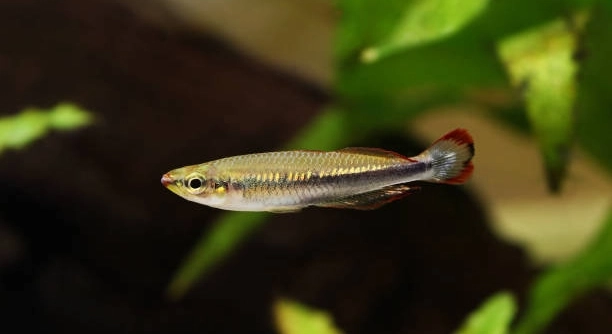
Do you ever notice subtle changes in your rainbowfish but are unsure if they indicate a problem? Keeping a close eye on your fish can help prevent serious illness and ensure they remain healthy and vibrant.
Early detection of illness in rainbowfish relies on observing changes in behavior, appetite, coloration, and physical condition. Identifying these signs promptly allows for timely intervention, reducing the risk of severe disease and improving overall fish welfare.
Monitoring your fish carefully can make a significant difference in their health. Understanding these warning signs ensures you can act before minor issues escalate.
Changes in Swimming Behavior
When rainbowfish start swimming differently, it can indicate stress or illness. Fish that hover near the surface, dart around suddenly, or stay isolated from the group may be experiencing discomfort. Observing these patterns over several days helps distinguish temporary behavior from a persistent problem. Poor water quality, parasites, or internal infections are common reasons for unusual swimming. Sometimes, even slight shifts in current or temperature can trigger stress responses, making it important to maintain stable conditions. Consistent monitoring and keeping a log of behaviors can reveal subtle trends. Correcting environmental issues and isolating sick fish can prevent further spread of disease.
Unusual swimming often precedes visible symptoms. Noticing it early allows for faster treatment and recovery.
Maintaining a stable and clean aquarium is essential for rainbowfish health. Tracking how fish interact with one another and noting any changes in movement patterns provides insight into their overall condition. Fish that consistently swim near the top or bottom or avoid the group should be checked for infections, parasites, or water quality problems. Quick action reduces stress and improves chances of recovery.
Loss of Appetite
A sudden decline in feeding is often a clear sign of illness in rainbowfish. Loss of appetite can occur gradually or abruptly and should never be ignored. It is commonly linked to infections, digestive issues, or stress caused by environmental changes. Observing eating habits daily helps identify when intervention is needed, especially if fish refuse food over multiple feeding sessions.
Changes in diet preference may also signal underlying issues that require attention.
Rainbowfish with reduced appetite can quickly become weak, making them more susceptible to disease. Offering high-quality, varied food and ensuring proper water conditions are critical steps in maintaining their health. Sometimes, isolating the affected fish and adjusting temperature or pH can encourage feeding. Monitoring closely for additional symptoms like color fading or lethargy helps determine whether medical treatment is necessary. Acting promptly when appetite declines improves recovery chances and prevents complications.
Changes in Coloration
Faded or blotchy colors often indicate illness or stress in rainbowfish. Rapid changes should be monitored closely to identify possible causes such as poor water conditions, parasites, or nutritional deficiencies.
Color changes can be subtle at first. Rainbowfish losing their bright hues may have underlying infections or environmental stress. Nutritional imbalances also play a role, especially if their diet lacks variety or essential nutrients. Keeping water clean and maintaining proper pH levels are crucial. Observing color trends over days helps determine if the issue is temporary or requires intervention. Adjusting diet and water conditions often restores vibrancy.
Sharp or uneven color shifts can signal more serious health concerns. Parasitic infections, bacterial diseases, or stress from overcrowding can cause noticeable discoloration. Regular tank maintenance, careful monitoring, and prompt isolation of affected fish are necessary to prevent further deterioration. In some cases, medications may be required to combat infections, but improving environment and nutrition usually helps maintain consistent, healthy coloration in rainbowfish.
Physical Abnormalities
Bumps, sores, or fin damage are clear signs of health problems in rainbowfish. Noticing them early allows for targeted treatment before conditions worsen.
Fin rot, scale loss, or growths often indicate bacterial or fungal infections. External parasites can also cause visible damage. These issues may be accompanied by lethargy or abnormal swimming. Maintaining clean water and avoiding overcrowding reduces the risk. Isolating affected fish helps prevent spread while treatment is administered.
Prompt attention to physical abnormalities is critical. Minor lesions can escalate quickly without proper care, leading to systemic infections. Daily observation of fins, scales, and body shape ensures early detection. Adjusting water quality, diet, and stress levels supports healing. In severe cases, antibiotics or antifungal treatments may be necessary. Consistent monitoring combined with proper care restores health and prevents recurrence, keeping rainbowfish strong and vibrant.
Gasping at the Surface
Gasping near the water surface often indicates low oxygen levels or gill problems. Observing this behavior early helps prevent serious health issues.
Frequent surface breathing can also result from poor water circulation or high ammonia levels. Ensuring proper aeration and regular water changes supports healthier breathing and reduces stress.
Clamped Fins
Clamped fins, where the fish holds its fins close to its body, usually signal stress or illness. This behavior can result from poor water quality, parasites, or bacterial infections.
Regular monitoring and maintaining stable tank conditions help reduce stress. Quarantining affected fish and checking for disease ensures the issue does not spread.
Lethargy
Lethargy in rainbowfish is a common indicator of declining health. Fish that remain inactive, float in one spot, or hide excessively often suffer from infections, temperature changes, or poor water quality.
Prompt observation, water testing, and adjustments in diet or environment can improve energy levels and prevent further complications.
Erratic Swimming
Erratic swimming patterns, such as sudden bursts, spinning, or looping, suggest neurological or internal issues. Consistently observing this behavior allows for early diagnosis and intervention.
FAQ
How can I tell if my rainbowfish is sick?
Signs of illness include changes in swimming behavior, loss of appetite, faded or blotchy colors, clamped fins, gasping at the surface, lethargy, and physical abnormalities like sores or fin damage. Monitoring your fish daily helps identify problems early before they become severe.
What should I do if I notice unusual swimming?
First, check water quality, temperature, and pH levels. Ensure the tank is not overcrowded. Isolate affected fish if necessary and observe for additional symptoms. Adjusting environmental factors often helps stabilize swimming patterns, while persistent issues may require medical treatment.
Why is my rainbowfish losing its color?
Color loss can result from stress, poor water quality, nutritional deficiencies, or infections. Maintaining a balanced diet and stable tank conditions is key. Observing your fish’s coloration trends over several days helps determine if intervention is needed.
What causes clamped fins?
Clamped fins usually indicate stress or illness. Common causes include bacterial or parasitic infections, poor water conditions, or abrupt environmental changes. Quarantining affected fish and improving water quality helps prevent further complications.
How do I handle a loss of appetite?
Offer a variety of high-quality foods and ensure stable water conditions. Isolate the fish if it shows other symptoms. Gradually monitor feeding to identify improvements. Persistent refusal to eat may require veterinary advice or targeted treatments.
Why is my rainbowfish gasping at the surface?
Surface gasping is often due to low oxygen, poor water circulation, or high ammonia levels. Aerating the tank and performing regular water changes improves oxygen levels. If gill disease or parasites are present, medical intervention may be necessary.
What should I do if my fish shows physical abnormalities?
Inspect fins, scales, and body shape daily. Maintain clean water and avoid overcrowding. Minor injuries may heal with proper care, but bacterial, fungal, or parasitic infections may require medication. Prompt isolation of affected fish prevents disease from spreading.
How can I prevent illnesses in rainbowfish?
Regular tank maintenance, proper filtration, stable water temperature, balanced diet, and monitoring fish behavior are essential. Quarantining new fish before introducing them reduces the risk of introducing diseases to the established aquarium.
Are environmental changes dangerous for rainbowfish?
Yes, sudden changes in temperature, pH, or water hardness can stress rainbowfish and trigger illness. Gradually adjust any environmental factor to help fish adapt. Stress reduction supports overall health and reduces vulnerability to infections.
When should I seek professional help?
If symptoms persist despite improved water conditions and care, or if multiple fish are affected, consulting a veterinarian specializing in fish is recommended. Professional guidance ensures proper diagnosis and treatment, increasing the chances of full recovery.
Can rainbowfish recover from illness?
Many illnesses are treatable if detected early. Prompt action, clean water, proper diet, and targeted medication support recovery. Recovery depends on the severity of the disease and how quickly intervention occurs.
How often should I monitor my fish?
Daily observation is recommended. Monitoring behavior, appetite, coloration, and interactions helps identify subtle signs of illness before serious problems develop. Recording trends can assist in early diagnosis and treatment.
What role does diet play in fish health?
A varied and nutritious diet strengthens the immune system, supports coloration, and prevents deficiencies that can lead to illness. Offering high-quality flakes, pellets, and occasional live or frozen foods ensures balanced nutrition.
How do I know if water quality is affecting my fish?
Frequent lethargy, gasping, faded colors, or fin damage often indicate poor water quality. Testing ammonia, nitrite, nitrate, and pH levels regularly helps maintain a healthy environment. Proper filtration and water changes are essential.
Can stress cause illness in rainbowfish?
Yes, stress weakens the immune system and makes fish more susceptible to infections. Overcrowding, aggressive tankmates, sudden environmental changes, and poor water conditions are common stressors. Reducing stress is critical for disease prevention.
What is the first step if multiple fish are showing symptoms?
Quarantine affected fish if possible and test water quality immediately. Identifying the underlying cause, whether environmental or infectious, allows targeted intervention. Prompt action reduces disease spread and improves recovery chances.
How long does it take to notice improvement after treatment?
Improvement varies depending on the illness and treatment type. Some fish show signs within a few days, while severe cases may take weeks. Maintaining optimal water conditions accelerates recovery.
Is isolation always necessary for sick fish?
Isolation is recommended when illness is contagious or severe. Separating fish prevents disease from spreading, reduces stress on healthy fish, and allows for targeted care and observation of the affected individual.
What are common mistakes in caring for rainbowfish?
Ignoring subtle behavioral changes, inconsistent water maintenance, poor diet, and sudden environmental changes are frequent errors. Regular monitoring and preventative care are essential to reduce illness risks.
Can preventive measures fully stop diseases?
Preventive care greatly reduces the likelihood of illness but cannot guarantee complete protection. Consistent tank maintenance, a balanced diet, and careful monitoring remain the most effective strategies for healthy rainbowfish.
Caring for rainbowfish requires careful observation and consistent attention to their environment. These small, colorful fish are sensitive to changes in water quality, temperature, and tank conditions. Maintaining a stable and clean aquarium is essential for their health. Regular water testing and partial water changes help prevent the buildup of harmful substances like ammonia and nitrites, which can quickly affect fish health. Ensuring proper filtration and aeration supports oxygen levels and overall tank balance. Paying attention to these basic requirements reduces stress and lowers the risk of illness. By monitoring daily behaviors, feeding patterns, and appearance, owners can detect early signs of problems before they escalate. Even minor adjustments in tank maintenance can have a significant impact on rainbowfish well-being.
Observing your fish closely allows you to notice subtle changes that may indicate illness. Behavioral changes, such as unusual swimming patterns or hiding more than usual, can be early indicators of stress or disease. Physical signs like faded colors, clamped fins, sores, or fin damage are also critical to monitor. Appetite loss is another clear signal that something may be wrong. Identifying these signs early provides an opportunity for prompt intervention, whether through improving water quality, adjusting diet, or using targeted treatments. Some conditions respond well to simple environmental adjustments, while others may require more focused medical care. Keeping a log of behaviors and symptoms helps track patterns and detect trends over time. Consistent monitoring is the key to maintaining healthy and vibrant rainbowfish, ensuring they thrive in their aquatic home.
Taking preventive measures is the most effective way to maintain the long-term health of rainbowfish. Providing a balanced and varied diet, avoiding overcrowding, and carefully quarantining new fish before adding them to an established tank help minimize the risk of disease. Stress reduction is equally important, as stressed fish are more susceptible to infections and other health issues. By creating a stable, clean, and well-maintained environment, you support their natural behaviors and immune system. Regular observation, proper care, and prompt attention to any signs of illness will help your rainbowfish live healthy, active lives. Over time, these practices become routine, allowing you to enjoy the beauty and activity of your fish while confidently ensuring their well-being. Consistency, attentiveness, and proactive care are the foundations of a thriving rainbowfish aquarium.

Hello,
If you enjoy the content that we create, please consider saying a "Thank You!" by leaving a tip.
Every little bit helps us continue crafting quality advice that supports the health, happiness, and well-being of pets around the world, for pets of all shapes, sizes, and species.
We really appreciate the kindness and support that you show us!