
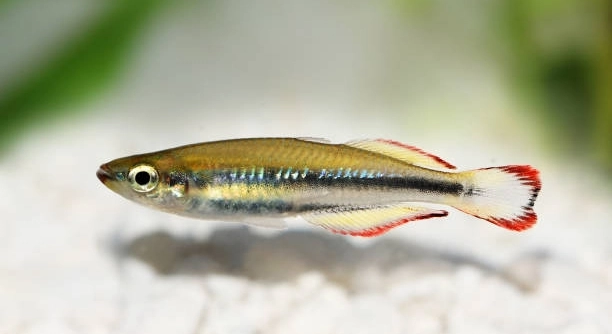
Rainbowfish are known for their vibrant colors and active swimming habits, making them a favorite in many home aquariums. Observing their behavior can be both relaxing and fascinating, especially as they explore their surroundings.
Rainbowfish may ignore new decorations due to stress, unfamiliarity, or an established territorial hierarchy. Sudden changes in the tank environment can make them cautious, leading to delayed exploration or avoidance until they feel safe and comfortable.
Learning how rainbowfish respond to new items can improve tank design and ensure a harmonious environment for these lively fish.
How Rainbowfish React to New Decorations
When I added a few new plants and ornaments to my tank, I noticed my rainbowfish kept their distance for several days. Their initial hesitation isn’t unusual. Rainbowfish are naturally cautious and rely on familiar surroundings to feel secure. Any sudden change, like a brightly colored decoration or a new structure, can make them pause. Over time, they begin to investigate at their own pace, often approaching cautiously before swimming around confidently. Observing them adapt can be fascinating. Their behavior shows a mix of curiosity and caution. Gradually, they learn that the new items are harmless, and some even use them for shelter or resting spots. Adjusting lighting or placement of decorations can help them feel more comfortable faster. Patience is key, as forcing interactions or frequent rearrangements may stress them further. A calm environment allows them to explore naturally.
Introducing new decorations should be done slowly to avoid overwhelming the fish. Gradual changes encourage comfort and exploration.
Over several weeks, I noticed my rainbowfish gradually claiming new spots around the decorations. Some would swim behind plants, while others would perch near a corner ornament. Each fish adapted at its own pace, showing individual personalities. I realized that not all decorations are equally attractive to them. Subtle differences in color, shape, or placement influenced how quickly they engaged. Watching these interactions taught me that providing hiding spots and open areas helps reduce stress. Small adjustments, like shifting a plant closer to the tank edge or angling a decoration differently, made a noticeable difference. By observing their responses carefully, I could create a balance between aesthetics and comfort, allowing the fish to enjoy the tank fully. Over time, the new additions became part of their daily routine, and their behavior returned to normal, highlighting the importance of patience and attention to their needs.
Tips to Encourage Exploration
Consistent feeding routines can make rainbowfish more confident around new objects. They associate safety with familiar patterns.
Providing a gradual introduction works best. Start with one or two decorations, spacing them evenly, and monitor the fish closely. Avoid cluttering the tank, which can create stress or territorial disputes. Rotate items slowly over days rather than all at once, letting the rainbowfish adjust naturally. Using neutral-colored or familiar-shaped ornaments often helps, as they are less intimidating. Hiding spots and open swimming areas should be balanced, giving them options to explore or retreat as they choose. Interaction, such as gentle observation without tapping the glass, reassures them of safety. Lighting adjustments can also influence their willingness to explore. Brighter light may encourage activity, while dimmer light can increase caution. Maintaining stable water conditions, temperature, and filtration further reduces stress, allowing the fish to feel secure while investigating the new decorations. Tracking individual behavior helps identify which areas are preferred and which may need repositioning to support their comfort.
Common Reasons Rainbowfish Avoid New Decorations
Rainbowfish may avoid new decorations because of sudden changes, unfamiliar textures, or bright colors. Stress from these changes makes them cautious. They often wait until they feel secure before exploring. Gradual introductions help them adjust without disrupting their normal behavior.
Some rainbowfish are naturally more timid than others. When I added a new ceramic ornament, a few of my fish stayed near familiar plants for days, watching quietly. They avoided the new object completely at first, only venturing closer in small increments. Their hesitance is a survival instinct, helping them assess potential threats. Over time, as they realized the new decoration posed no danger, they began interacting with it, sometimes swimming behind it or resting nearby. Patience and observation are key to understanding their comfort levels.
Environmental factors also play a role in their avoidance. Strong currents, sudden changes in lighting, or unfamiliar water conditions can make rainbowfish wary of exploring new objects. If decorations are placed too close together or block open swimming areas, they may feel trapped or cornered. Ensuring adequate space and gentle water flow encourages gradual exploration. Watching their behavior closely allows adjustments to placement or tank setup, creating a balanced environment where rainbowfish feel secure. Small, incremental changes prevent unnecessary stress and support natural curiosity over time.
Encouraging Rainbowfish Interaction
Providing hiding spots near new decorations helps rainbowfish explore safely. They gradually gain confidence, reducing stress and hesitation in the tank.
I noticed that placing small plants and shaded areas around new ornaments encouraged my rainbowfish to investigate without fear. They often tested the surroundings slowly, approaching one edge first, then gradually swimming around the decoration. Offering multiple access points, such as open gaps between plants or between the ornament and tank wall, gave them options to retreat if needed. Some fish preferred to observe from a distance initially, while others cautiously interacted, showing that individual personalities influence behavior. By keeping the environment calm and stable, their curiosity increased naturally over days.
Repositioning new decorations slightly over time can also help rainbowfish engage more freely. Rotating an ornament to create better visibility or more open swimming space can reduce intimidation. Bright or highly reflective surfaces may discourage initial exploration, so using muted colors often works better. Combining safe hiding spots, open areas, and consistent routines, like feeding at predictable times, reinforces a sense of security. Tracking how each fish responds allows small adjustments, ensuring decorations enhance the tank rather than creating stress. Gradual exposure, patience, and observation are the most effective strategies for encouraging healthy interaction with new items.
Placement Matters
The location of new decorations affects rainbowfish behavior. Items placed near open swimming areas are explored faster, while those in corners or crowded spaces are often avoided. Proper placement reduces stress and encourages gradual interaction.
Decorations that block natural swimming paths or disrupt familiar routes can make rainbowfish wary. Keeping space for movement ensures comfort.
Gradual Introduction Techniques
Adding decorations slowly over several days helps rainbowfish adapt. Start with one item at a time, observing their response before introducing more. This approach minimizes stress and allows them to explore at their own pace. I found that spacing items evenly and alternating locations helped my fish adjust naturally without disruption.
Observation and Adjustment
Watching rainbowfish closely after adding decorations is important. Adjusting placement or spacing based on their behavior ensures comfort and encourages interaction.
Why do my rainbowfish ignore new decorations for days?
Rainbowfish are naturally cautious and rely on familiar surroundings to feel safe. Sudden changes in their environment, like bright colors, unfamiliar shapes, or new textures, can make them hesitant. In my experience, they often watch new items from a distance before approaching. This behavior is normal and not a sign of illness. Over time, as they become confident that the items are safe, they gradually begin to explore. Patience is key, as forcing interactions or rearranging decorations too quickly can increase stress. I noticed that spacing decorations evenly and providing open swimming areas helps them adjust faster, allowing them to interact without feeling trapped or threatened.
How can I encourage my rainbowfish to explore new decorations?
Gradual introduction is the most effective strategy. Start with one or two decorations and monitor how the fish respond. Avoid placing items too close together, which can make the tank feel crowded. Adding small hiding spots near new items gives them a sense of safety. I often leave decorations in place for several days before adding anything else. Feeding near the new objects also helps, as rainbowfish begin to associate them with safety and positive experiences. Adjusting lighting to ensure gentle illumination rather than bright glare encourages exploration. Stable water conditions, gentle currents, and a calm environment all support their confidence. Observing each fish individually allows for small adjustments based on their personality, as some are naturally more timid while others are curious.
Do rainbowfish prefer certain types of decorations over others?
Yes, they respond differently depending on shape, color, and placement. Subtle, neutral-colored items tend to be less intimidating than bright or reflective objects. Rounded shapes and smooth surfaces are often more appealing than jagged or sharp-edged decorations. Plants, both real and artificial, are particularly popular because they provide hiding spots and resting areas. In my tank, ceramic ornaments with gentle curves were explored more quickly than angular plastic structures. Placement matters too; decorations near open swimming areas are approached sooner than those in corners or tight spaces. By observing preferences, I could position new items in a way that balances comfort and engagement, helping my rainbowfish feel secure while still enriching the tank visually.
How long does it usually take for rainbowfish to adjust to new items?
Adjustment times vary depending on individual temperament, tank conditions, and the type of decoration. In my experience, some fish explore within a day, while others may take a week or more. Timid fish often linger near familiar areas, observing new items from a distance before investigating. Frequent monitoring ensures that no fish becomes overly stressed. Gradual introductions and consistent routines, such as feeding at the same times and keeping water conditions stable, shorten the adjustment period. Offering multiple entry points to approach or retreat from new objects also helps them feel secure, allowing each fish to interact at its own pace.
Can tank conditions affect how rainbowfish respond to new decorations?
Absolutely. Water temperature, flow, and lighting can influence their willingness to explore. Strong currents near a new decoration may discourage interaction, while calm areas encourage cautious investigation. Bright lighting can make them shy away, whereas moderate lighting supports natural curiosity. I found that keeping water parameters stable and avoiding sudden changes in temperature or pH significantly improved their confidence around new items. Proper filtration, gentle water movement, and adequate oxygenation create a secure environment. Even small factors, like background noise or frequent movement near the tank, can impact behavior. Observing the fish carefully helps identify environmental stressors, allowing adjustments that make them more comfortable.
Should I rearrange decorations frequently to stimulate curiosity?
Frequent rearrangements can be stressful. Rainbowfish rely on familiar patterns and spaces to feel safe, and constant changes may increase hesitation rather than curiosity. I learned that small, occasional adjustments are better, such as moving a plant slightly or adding one new ornament at a time. This approach encourages exploration without causing stress or territorial disputes. Providing consistency alongside gradual updates keeps the tank engaging while maintaining a sense of security. Tracking how individual fish respond to each change helps ensure that their comfort is prioritized while still offering new stimulation to maintain interest.
What signs indicate my rainbowfish are stressed by new decorations?
Signs include hiding excessively, avoiding open swimming areas, rapid breathing, or staying close to familiar objects without approaching new items. In my tank, stressed fish would linger near established plants or decorations, refusing to investigate for several days. Over time, persistent avoidance, loss of appetite, or lethargy may indicate higher stress levels. Adjusting the placement of new items, providing additional hiding spots, or reducing environmental changes can help. Maintaining consistent feeding routines, gentle water flow, and stable water conditions supports their adjustment and reduces stress-related behavior. Observing subtle cues ensures that interventions happen early, keeping the fish healthy and comfortable.
Are all rainbowfish equally cautious with new items?
No, each fish has a distinct personality. Some are naturally bold and explore quickly, while others are timid and require more time to feel comfortable. In my experience, even within the same species, responses can vary widely. Recognizing individual differences helps tailor decoration placement and gradual introduction methods. Bold fish may investigate immediately, while shy individuals benefit from added hiding spots and careful observation. Allowing each fish to adjust at its own pace reduces stress and promotes a harmonious tank environment. Tracking behavior over time provides insight into preferences and comfort levels, ensuring all rainbowfish thrive with new decorations.
Can feeding near new decorations help them adapt?
Yes, associating new items with positive experiences like food encourages rainbowfish to approach. I often placed small amounts of food near new plants or ornaments, which drew attention without forcing interaction. Over several days, fish became more confident, associating the objects with safety and reward. Gradually, they explored decorations on their own, using them for resting or shelter. This method reinforces comfort, reduces stress, and promotes natural curiosity. Combining feeding strategies with proper placement and gradual introduction creates an environment where rainbowfish can adjust safely while still benefiting from enrichment.
Is it normal for some rainbowfish to never fully explore certain decorations?
Yes, some fish may never interact with specific items due to individual preferences or temperament. In my tank, a few rainbowfish ignored a tall, bright ornament for weeks while others used it frequently. Respecting their choices ensures they remain comfortable. Providing alternative options like plants or low-profile decorations allows timid fish to feel secure without forcing exploration. Forcing interaction can increase stress and reduce overall wellbeing. Observing their behavior and offering choices maintains a balanced environment where all fish can thrive at their own pace while still benefiting from enrichment and variety in the tank.
Rainbowfish are lively and colorful additions to any aquarium, but their reactions to new decorations can vary greatly. Some fish are naturally curious and will explore new items almost immediately, while others may remain cautious for days or even weeks. This hesitation is normal and reflects their instinct to assess potential threats before engaging. Changes in their environment, such as the introduction of unfamiliar shapes, bright colors, or different textures, can make them pause and observe from a safe distance. Over time, as they recognize that the new decorations pose no danger, they gradually begin to interact, sometimes using them as resting spots, hiding areas, or playful structures. Patience is essential when adding anything new to the tank. By observing their behavior and allowing them to adjust at their own pace, you can support their comfort and reduce stress. Sudden rearrangements or frequent changes may cause anxiety, so it is better to introduce items slowly and carefully.
The placement of decorations also plays a significant role in how rainbowfish respond. Items that block open swimming areas or disrupt established routes can make the fish wary, while well-spaced decorations encourage natural exploration. Hiding spots, like plants or low-profile ornaments, help timid fish feel secure, allowing them to investigate without feeling trapped. Bright or reflective surfaces can sometimes intimidate them, while neutral colors and smooth shapes are usually less intimidating. Gradual introductions, careful positioning, and consistent routines, such as feeding at predictable times, can make a noticeable difference in their willingness to engage with new items. Each fish has its own personality, so observing individual behavior is important. Some may approach quickly and begin interacting almost immediately, while others require more time. Adjustments based on these observations can create a balanced tank environment that supports both active exploration and comfortable retreat.
Consistency in water conditions, lighting, and tank environment also affects how rainbowfish respond to new decorations. Stable temperatures, gentle water flow, and moderate lighting encourage confidence, while sudden changes can increase stress and hesitation. Feeding near new items can help associate them with safety and positive experiences, gradually encouraging exploration. Even small details, like spacing decorations properly or leaving open swimming paths, support their natural instincts and reduce anxiety. Over time, as they become familiar with the new setup, rainbowfish often return to their normal behavior, exploring, resting, and interacting with the tank as before. Understanding these patterns allows you to create a harmonious aquarium that meets their needs. Providing patience, thoughtful placement, and careful observation ensures that new decorations enhance their environment rather than cause stress, making the tank a healthy and comfortable home for all rainbowfish.

Hello,
If you enjoy the content that we create, please consider saying a "Thank You!" by leaving a tip.
Every little bit helps us continue crafting quality advice that supports the health, happiness, and well-being of pets around the world, for pets of all shapes, sizes, and species.
We really appreciate the kindness and support that you show us!