
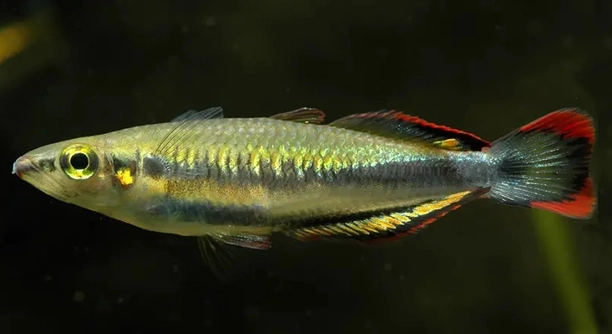
Are your rainbowfish showing signs of stress or lethargy in your aquarium? Observing their behavior closely can reveal whether they thrive better in small pairs or larger groups in a home tank environment.
Rainbowfish generally display stronger social interactions and reduced stress levels when kept in groups rather than pairs. Groups of at least six individuals allow natural schooling behavior, promote healthy activity, and minimize aggressive encounters, supporting overall well-being in captivity.
Understanding their social dynamics can greatly improve their health and vibrancy. Observing these patterns helps create a more balanced and harmonious aquarium environment.
Benefits of Keeping Rainbowfish in Groups
Keeping rainbowfish in groups allows them to exhibit natural behaviors that are often suppressed in pairs. In a group, fish swim together, creating dynamic patterns that reduce stress and improve overall activity. They are more likely to explore their environment and interact positively, which contributes to their health. Group settings help balance dominance hierarchies, preventing one fish from being overly aggressive toward another. Observing a group can also reveal subtler social cues, such as flicking fins or coordinated swimming, that indicate comfort and engagement. Properly sized groups encourage feeding behavior, as shy individuals feel safer taking food when surrounded by others. Over time, these social interactions promote stronger immunity and reduce the likelihood of disease outbreaks. Additionally, vibrant coloration is often more pronounced in group settings, enhancing the visual appeal of the tank. Tank size and décor should be considered to accommodate the group and allow sufficient swimming space.
Groups also help minimize aggression that often occurs between just two fish.
Managing a group of rainbowfish requires attention to stocking density, water quality, and compatible tank mates. Too many fish can lead to overcrowding, while too few reduce social benefits. Providing plants and hiding spaces supports natural schooling and exploration. Observing their interactions helps identify any stress or illness early. Feeding should be consistent, offering varied diets to maintain nutrition and color vibrancy. Regular water changes are critical for maintaining optimal conditions in a populated tank. Balancing these factors ensures that rainbowfish remain active, healthy, and visually vibrant, creating a lively and harmonious aquarium that mirrors their natural social behaviors.
Considerations for Keeping Rainbowfish in Pairs
Pairs of rainbowfish may form strong bonds, but they are often less active and more prone to aggression compared to groups.
When keeping rainbowfish in pairs, it is important to monitor their interactions closely. Some species may become territorial or stressed if one individual dominates. Limited social engagement can reduce activity levels and lead to duller coloration. Providing adequate space and hiding spots can help mitigate stress, but pairs rarely achieve the same level of dynamic behavior seen in groups. Feeding should be managed carefully to ensure both fish receive proper nutrition without competition. While pairs can survive, they may not thrive as fully as groups, and tank aesthetics may be less dynamic. Understanding these limitations allows you to make informed decisions that support the health and well-being of your rainbowfish while maintaining a visually appealing aquarium.
Choosing the Right Group Size
A group of six to eight rainbowfish is ideal for most home aquariums. This size allows natural schooling behavior while minimizing stress and aggression, providing a balanced social environment for all individuals.
Maintaining the proper group size ensures each fish has enough space to swim freely and interact naturally. Smaller groups can lead to dominance issues, while excessively large groups may overcrowd the tank. Observing their behavior helps identify whether adjustments are needed, such as adding more individuals or rearranging tank decorations to improve flow and comfort. Proper filtration and regular water changes are crucial to support a healthy group.
Group dynamics also influence feeding patterns and overall activity levels. In the right group size, shy fish feel safer, and dominant fish are less aggressive. A balanced social environment encourages vibrant colors and healthy growth. Tank layout, including plants and hiding spots, should accommodate the group, allowing each fish to establish territory while still participating in schooling behavior.
Tank Setup for Rainbowfish Groups
A spacious tank with open swimming areas and planted regions supports natural behaviors. Proper layout reduces stress and encourages social interaction.
Providing vertical and horizontal swimming space is essential. Rainbowfish are active swimmers and need unobstructed areas for movement. Plants, rocks, and hiding spots offer security and break lines of sight, reducing territorial disputes. Lighting and water temperature should match species-specific needs to maintain activity and coloration. Regular monitoring of water parameters is necessary, as multiple fish produce higher waste levels, which can affect health.
Decorative elements also serve behavioral purposes. Plants and ornaments create territories and stimulate exploration. Incorporating mid-level and surface plants allows vertical movement, reflecting natural environments. Consistent filtration and aeration maintain water quality, supporting the overall well-being of the group. This setup encourages schooling, natural feeding, and social interaction, helping rainbowfish exhibit vibrant colors and healthy behaviors. Careful planning ensures the aquarium remains visually appealing and balanced.
Feeding Behavior in Groups
Rainbowfish in groups tend to feed more actively and evenly. The presence of multiple fish encourages shy individuals to eat and reduces competition.
Feeding should be done in several small portions to ensure all fish receive adequate nutrition. Observing their behavior during feeding can indicate stress or health issues.
Social Interaction Patterns
Groups allow rainbowfish to display natural schooling and social behaviors. Fish communicate through body movements, color changes, and fin displays, which are less frequent in pairs. Active social interaction reduces stress, promotes exercise, and enhances coloration. Group living encourages coordinated swimming, strengthens social bonds, and minimizes dominance conflicts.
Common Health Concerns
Monitoring water quality is essential for groups, as waste accumulates faster. Poor conditions can lead to disease and stress.
How many rainbowfish should I keep together?
Keeping at least six rainbowfish together is ideal for most home aquariums. Smaller numbers can lead to stress and aggression, as dominant fish may intimidate weaker individuals. Larger groups can also work but require a bigger tank and stronger filtration. The goal is to allow natural schooling behavior while maintaining enough space for each fish. Observing their interactions regularly helps determine if the group size is comfortable. Proper spacing, decorations, and hiding spots also reduce tension, making the aquarium environment healthier and more dynamic.
Can rainbowfish live in pairs?
Rainbowfish can survive in pairs, but they often do not display their full range of natural behaviors. Pairs are more prone to dominance conflicts, which can increase stress. While they may bond, overall activity and coloration are usually less vibrant than in groups. Tank setup for pairs should include plants, hiding spots, and open swimming areas to reduce tension. Careful observation is necessary to ensure neither fish becomes aggressive or overly shy. Pairs may thrive temporarily, but groups are generally better for long-term health and social interaction.
Do rainbowfish need hiding places in a group tank?
Yes, even in groups, hiding places are essential. Plants, rocks, and ornaments provide security and reduce aggressive encounters. Shy or weaker fish benefit from these spaces, allowing them to retreat if threatened by dominant individuals. Hiding spots also encourage natural exploration and reduce stress levels. Placement should allow open swimming areas while breaking direct lines of sight, creating a balanced environment. Properly designed tanks mimic natural habitats, improving activity levels, coloration, and social behaviors.
How does group size affect feeding behavior?
Feeding in groups encourages shy fish to eat and minimizes competition from dominant individuals. Multiple small feedings distributed around the tank ensure all fish have access to food. Observing feeding behavior can reveal health issues or stress, such as slower eating or aggression. A balanced diet with flakes, pellets, and occasional live or frozen foods supports growth and coloration. Groups tend to be more active during feeding, reflecting a healthy social dynamic and reducing the likelihood of nutrient deficiencies.
What tank size is suitable for rainbowfish groups?
A larger tank is essential for groups, as rainbowfish are active swimmers. For six to eight individuals, a minimum of 30 gallons is recommended, with additional space for each added fish. Open swimming areas combined with planted regions allow natural schooling, exploration, and territory establishment. Proper filtration and regular water changes are necessary to maintain water quality. Tank size directly affects stress levels, aggression, and overall health, making it a key factor in group success.
How can I reduce aggression in rainbowfish groups?
Providing enough space, hiding spots, and open swimming areas helps reduce aggression. Observing social interactions allows early identification of overly dominant fish. Keeping groups of appropriate size and avoiding overcrowding ensures a balanced social hierarchy. Regular maintenance and consistent feeding also minimize stress, which can trigger aggression. Encouraging natural schooling behavior by arranging decorations strategically creates a calmer environment for all individuals.
Are rainbowfish healthier in groups?
Rainbowfish in groups generally show stronger immunity, reduced stress, and more active behaviors. Social interaction promotes exercise, natural feeding, and vibrant coloration. Groups reduce the risk of one fish being isolated or bullied, leading to healthier, more resilient individuals. Proper group management, tank setup, and feeding routines are essential to maintain these benefits and ensure long-term well-being.
Can I mix rainbowfish species in a group?
Mixing compatible species is possible but requires careful planning. Species should have similar size, temperament, and water requirements to prevent stress or aggression. Observing interactions is critical when introducing new fish. Mixed groups can display varied behaviors and colors, enhancing the visual appeal, but careful monitoring ensures harmony. Tank space, hiding spots, and open swimming areas become even more important in mixed-species setups to maintain balance and reduce conflicts.
How do I know if my rainbowfish are stressed?
Signs of stress include faded coloration, erratic swimming, hiding excessively, or aggression. Reduced appetite and lethargy are also indicators. Observing social behavior and environmental conditions helps identify causes of stress, such as poor water quality, overcrowding, or dominance disputes. Addressing these factors promptly ensures fish remain healthy, active, and vibrant. Proper group size, feeding, and tank setup all contribute to reducing stress levels.
Is it better to buy a group of rainbowfish at once or add them gradually?
Buying a group at once ensures they establish a social hierarchy together, reducing aggression. Gradual additions can trigger territorial disputes and stress for existing fish. Quarantining new fish before introduction prevents disease spread. Proper acclimation and monitoring during the first few days are essential to maintain harmony. Immediate group formation promotes natural schooling, more active behaviors, and a balanced social environment, which is difficult to achieve when adding fish individually.
Keeping rainbowfish in a home aquarium can be very rewarding, but their social needs are important to consider. Observing their behavior shows that rainbowfish thrive in groups rather than pairs. Groups allow them to swim together, interact naturally, and display vibrant colors that are often less noticeable in smaller settings. The presence of multiple fish encourages shy individuals to be more active and reduces aggression between dominant and weaker fish. Even when they seem content in pairs, many of their natural behaviors are limited, which can affect their overall health and well-being over time.
When planning a group of rainbowfish, tank size and layout are critical factors. A larger tank with open swimming areas and planted regions allows for natural movement, exploration, and the establishment of territories without causing stress. Hiding spots, plants, and decorations provide security and reduce conflicts among fish. Proper filtration, aeration, and regular water changes are essential to maintain water quality, especially in populated tanks. Feeding should be done in small, consistent portions to ensure all fish receive enough nutrition. Observing their interactions regularly helps identify signs of stress, illness, or imbalance in the group. Managing these factors carefully ensures a balanced, active, and healthy environment for all the rainbowfish.
Groups of rainbowfish not only improve their health but also enhance the visual appeal of the aquarium. Active schooling, coordinated swimming, and bright coloration create a lively and dynamic display. Social interactions among group members promote exercise and reduce stress, supporting stronger immunity and overall resilience. While pairs can survive, groups generally lead to more natural behavior and better long-term outcomes. Careful attention to group size, tank setup, feeding, and water quality ensures that rainbowfish remain healthy, active, and vibrant. By understanding and meeting their social needs, you create an environment where rainbowfish can thrive, contributing to a balanced and visually engaging aquarium.

Hello,
If you enjoy the content that we create, please consider saying a "Thank You!" by leaving a tip.
Every little bit helps us continue crafting quality advice that supports the health, happiness, and well-being of pets around the world, for pets of all shapes, sizes, and species.
We really appreciate the kindness and support that you show us!