Can Rainbowfish Recognize Tank Changes Weekly?
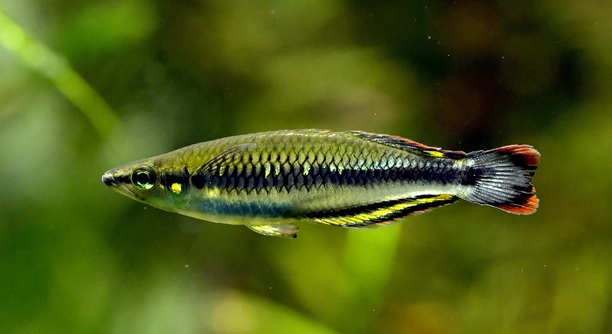
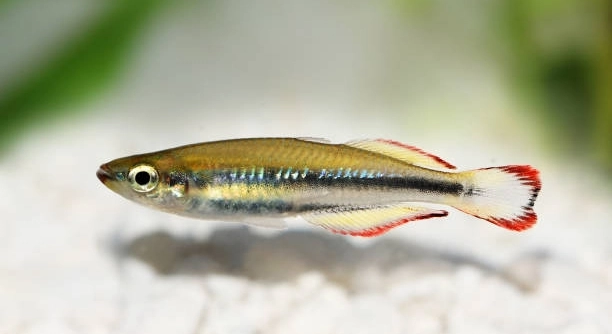
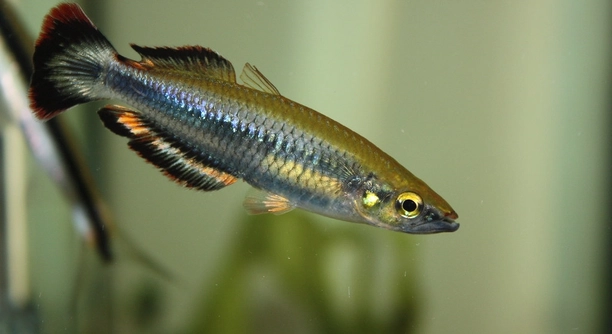
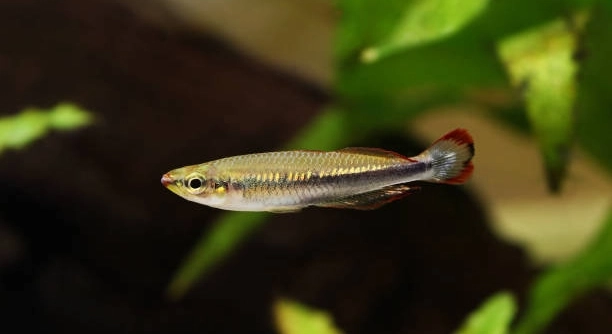
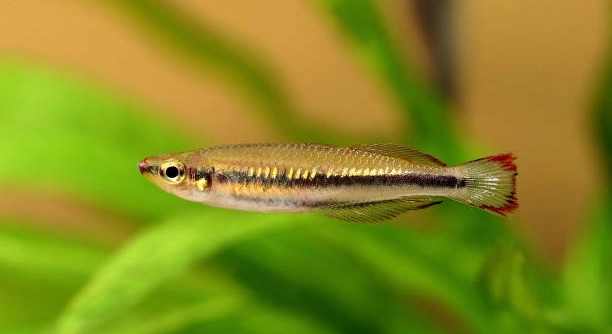
Rainbowfish are small, colorful freshwater fish that brighten up any aquarium. Observing their behavior can be both relaxing and informative, especially when changes occur in their environment over time. Their reactions can tell us a lot. Rainbowfish can notice weekly changes in their tank. These fish have strong memory and spatial recognition abilities, allowing them … Read more
7 Feeding Tips for New Rainbowfish Owners

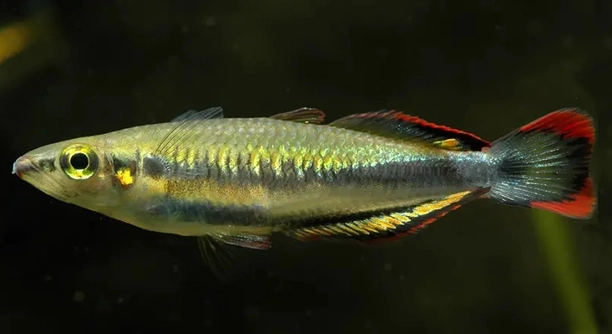
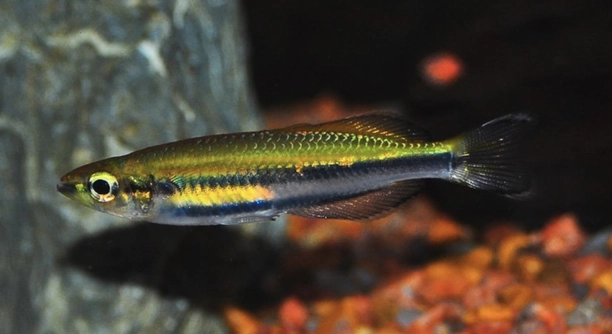
Caring for rainbowfish can be a rewarding experience for any aquarium enthusiast. Their vibrant colors and lively movements make them a joy to watch, but ensuring they are properly fed is essential for their health and longevity. Proper feeding of rainbowfish requires attention to diet variety, portion size, and feeding frequency. Providing balanced nutrition through … Read more

How to Tell When Rainbowfish Are Stressed

Rainbowfish are lively and colorful additions to any home aquarium. Observing them carefully can reveal changes in behavior or appearance that indicate stress, helping you ensure their environment supports their health and comfort. Signs of stress in rainbowfish include faded colors, erratic swimming, loss of appetite, and hiding more than usual. Stress can result from … Read more

7 Best Lighting Types for Healthy Rainbowfish

Are your rainbowfish lacking the vibrant colors you hoped for in your aquarium? Providing the right lighting can make a significant difference in their overall health, behavior, and coloration. Proper illumination is essential for their well-being. The best lighting types for healthy rainbowfish include full-spectrum LED lights, fluorescent tubes, and specialized aquarium bulbs. These lighting … Read more

Can Rainbowfish Detect Your Presence?

Have you ever noticed your rainbowfish swimming closer when you approach the tank? These colorful little swimmers seem aware of your movements, often responding in ways that feel surprisingly intentional and lively. Observing them can be quite engaging. Rainbowfish possess sensory adaptations that allow them to detect motion and changes in their surroundings. Their lateral … Read more

Can Rainbowfish Form a Favorite Group?

Rainbowfish are small, colorful freshwater fish that often bring life to home aquariums. Observing their interactions can be both calming and fascinating, as they swim together and display a variety of social behaviors. Their playful movements make them enjoyable to watch. Rainbowfish can indeed form preferred social groups within a tank. They display consistent companionship … Read more

Do Rainbowfish Like Toys or Moving Decor?

Rainbowfish are small, colorful freshwater fish that bring life to any aquarium. Many fish owners enjoy decorating their tanks with toys or moving ornaments to make the environment more engaging for their pets. Rainbowfish generally do not require toys, but they may show interest in moving decor. They respond more to changes in their environment, … Read more

Why Rainbowfish Might Not Sleep Well Anymore

Rainbowfish are known for their vibrant colors and active behavior, but recent observations show they may struggle to rest properly in home aquariums. Changes in environment and daily routines can disrupt their natural sleep cycles. Rainbowfish may not sleep well due to improper lighting, water quality, or tank disturbances. These factors interfere with their circadian … Read more

7 Reasons Rainbowfish Become Reclusive

Rainbowfish are colorful and lively, yet some of them prefer to stay hidden in their tanks. Their shy behavior can be puzzling, even for experienced fish keepers who expect constant activity and social interaction. Rainbowfish often become reclusive due to stress, overcrowding, poor water quality, or lack of hiding spaces. Their natural instincts drive them … Read more

7 Ways to Increase Breeding Success

Breeding animals can be rewarding, but it often comes with challenges that many owners face. Success depends on understanding basic needs, environmental factors, and careful management to support healthy reproduction in your animals. Improving breeding success requires attention to diet, habitat, and timing. Ensuring optimal nutrition, maintaining clean and comfortable living spaces, and tracking reproductive … Read more