
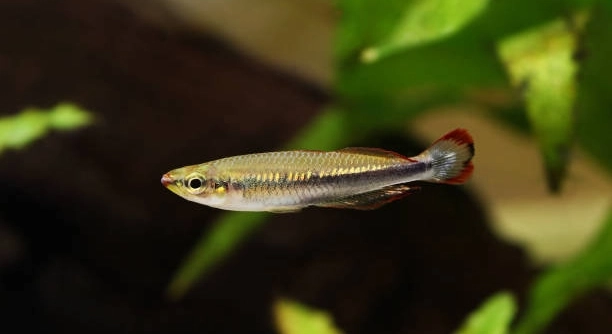
Rainbowfish are small, colorful freshwater fish that often bring life to home aquariums. Observing their interactions can be both calming and fascinating, as they swim together and display a variety of social behaviors. Their playful movements make them enjoyable to watch.
Rainbowfish can indeed form preferred social groups within a tank. They display consistent companionship patterns, often swimming with certain individuals more frequently, which suggests a level of social preference and bonding that can impact their overall well-being and stress levels.
Understanding these behaviors helps aquarists create healthier environments. Observing their group dynamics provides insights into how rainbowfish interact naturally in shared spaces.
How Rainbowfish Choose Their Group
Rainbowfish often stick with certain tankmates rather than swimming randomly. I noticed that in my aquarium, some fish would consistently stay together, while others preferred to be slightly apart. These groupings can be influenced by size, temperament, and even subtle personality traits. Larger rainbowfish tend to take on more dominant roles, while smaller ones may stick with calmer companions. Color patterns also seem to matter; brighter fish sometimes attract similar peers. Even in a small tank, you can observe these patterns forming naturally over time. The way they swim, chase, or hover near each other reveals their preferences clearly. Grouping helps reduce stress, as fish feel safer when surrounded by familiar companions. Watching these behaviors makes me appreciate the subtle social structures that exist under the water. The interactions are quiet, but they speak volumes about how rainbowfish manage their relationships and maintain a sense of order within the tank environment.
These preferences are not random. Fish form consistent associations that improve their comfort and activity levels daily.
By observing these social choices closely, you can optimize your aquarium layout. Providing hiding spots and open swimming areas allows preferred groups to maintain their bonds without interference. It’s important to monitor aggression or isolation; occasionally, a fish may be left out, signaling a need for adjustments in tank population or arrangement. Feeding routines also affect group dynamics. Some rainbowfish may rush together during feeding, while others wait their turn with their chosen companions. Understanding these social structures allows you to predict interactions and manage stress in your tank. Over time, the bonds become clearer, and the health of your fish improves when they are allowed to maintain these connections naturally.
Encouraging Healthy Social Behavior
Providing enough space and resources supports positive group interactions.
Introducing tank features like plants and rocks encourages natural movement patterns. These structures let rainbowfish explore territory safely while remaining near preferred companions. Regularly observing how your fish interact helps detect early signs of stress or imbalance. Social harmony is critical, as fish that are isolated or constantly chased may experience health issues. Adjusting tank conditions to fit the group’s preferences ensures they swim, feed, and rest comfortably. By paying attention to these details, the overall behavior of the tank becomes more predictable, and your rainbowfish thrive together in a peaceful environment.
Signs of a Preferred Group
Rainbowfish often swim together in predictable patterns. You can notice certain pairs or small groups sticking close while others drift alone. These choices are consistent, showing genuine social preference rather than random movement.
Watching these interactions daily reveals subtle behaviors. Preferred companions may mirror each other’s movements, chase or circle together, and rest near one another. In my tank, I observed one group always occupying the same corner, while a few fish remained on the opposite side. These patterns can shift slightly over time, but the core groups usually stay the same. Recognizing these signs helps manage tank space and ensures all fish feel secure. Providing enough hiding spots allows shy fish to join or leave groups safely, maintaining harmony. This observation also helps identify stress or aggression early, keeping your rainbowfish healthy and balanced.
Paying attention to color, size, and behavior helps understand why certain fish stick together. Over time, their interactions create a stable social network within the tank.
Benefits of Group Formation
Stable groups reduce stress and improve overall activity levels in rainbowfish. Fish in preferred groups swim more confidently and explore the tank freely.
These groups foster natural behavior, like synchronized swimming and coordinated feeding. In my experience, rainbowfish in stable social clusters display less aggression and more playful interaction. Grouping also encourages healthy competition during feeding without overwhelming any single fish. Stress reduction contributes to stronger immune systems and better growth rates. Fish outside these groups often appear timid or withdrawn, highlighting the importance of social bonds. Ensuring each fish has companions it prefers helps maintain balance and reduces incidents of bullying or isolation. Tank layout, decorations, and even lighting can influence group comfort, so observing these interactions is crucial.
Creating opportunities for bonding enhances well-being. Small adjustments to the environment can encourage stable groups and reduce tension, ensuring a more peaceful aquarium.
Factors Affecting Group Preference
Size differences play a role in group formation. Larger rainbowfish often dominate swimming areas, while smaller fish stick with calmer companions for safety.
Personality traits matter as well. Bold fish may seek similar peers, while shy fish cluster together, creating distinct social patterns within the tank.
How Tank Environment Influences Behavior
Tank layout can greatly affect group dynamics. Open swimming areas allow preferred groups to move freely, while plants and decorations provide hiding spots for shy fish. In my aquarium, adding a few tall plants encouraged smaller rainbowfish to stay close to their preferred companions without feeling threatened. Lighting also impacts behavior, as brighter areas tend to attract more active groups. Even water flow can influence swimming patterns, with calmer sections preferred by less assertive fish. Observing these environmental effects helps me arrange the tank in a way that supports natural social structures, ensuring all rainbowfish feel secure and active.
Feeding and Social Bonds
Feeding routines strengthen group connections. Fish tend to eat with their chosen companions, reinforcing social bonds and comfort.
FAQ
Can rainbowfish change their preferred group over time?
Yes, rainbowfish can shift their preferences, especially after changes in tank population or environment. I’ve noticed that when a new fish is introduced, some groups adjust, and shy fish may join more confident companions. These changes usually happen gradually as the fish establish new social hierarchies. Tank size and structure also influence how flexible their groupings are. Providing enough space and hiding spots helps minimize stress during these transitions. Observing daily allows you to spot adjustments early and ensure that no fish becomes isolated or overly dominated by others.
Do all rainbowfish need a group to feel comfortable?
Most rainbowfish thrive in groups, though the size and makeup vary. In my experience, solitary fish appear stressed, swim less actively, and sometimes hide for extended periods. Even smaller subgroups within a tank help maintain activity and reduce stress. A well-structured environment with plants or décor can assist isolated fish in finding companions. Group living encourages natural behaviors, including synchronized swimming, coordinated feeding, and interactive movement, which are vital for overall health. Without social connections, rainbowfish may show signs of lethargy or poor appetite.
How can I tell if a fish is unhappy with its group?
Signs include staying alone, avoiding interactions, or showing sudden aggression. I once had a fish that constantly lingered near the tank corner, away from its usual group. Excessive hiding or flaring fins at companions also signals discomfort. Stress may appear in physical symptoms such as dull coloration or reduced appetite. Adjusting tank layout or introducing compatible companions often helps restore balance. Regular observation is key, as subtle changes in swimming patterns or group cohesion indicate that a fish may be struggling socially.
Does tank size affect group formation?
Yes, larger tanks allow more freedom for rainbowfish to form preferred groups and reduce conflicts. In my smaller aquarium, some groups became crowded, leading to occasional chasing. Adding decorations or plants created personal spaces that helped maintain group harmony. Sufficient swimming space ensures that dominant fish do not monopolize the tank, giving others room to form stable social connections. Overcrowding often disrupts established groups and increases stress, so adjusting the population based on tank size is essential for maintaining peaceful group dynamics.
Can feeding routines impact social behavior?
Absolutely. Fish tend to feed alongside their preferred companions, reinforcing bonds. I feed my rainbowfish in specific spots, and they naturally cluster with their chosen peers. Skipping consistent feeding times can increase competition and disrupt group cohesion. Observing which fish consistently eat together helps understand social preferences. Offering multiple feeding areas also reduces stress, allowing shy fish to access food without conflict. Over time, feeding habits can strengthen social structures, making the groups more predictable and harmonious.
Will introducing new fish disrupt existing groups?
Introducing new rainbowfish can temporarily alter group dynamics. I’ve added newcomers before and noticed initial tension, with some groups shifting to accommodate the new member. Providing hiding spots and observing interactions closely helps prevent aggression and allows gradual integration. Over several days, the new fish typically finds a compatible group. Patience and careful monitoring are crucial. Sudden changes in population can lead to stress, so spacing introductions and keeping track of group cohesion ensures a smoother adjustment for all fish.
Do rainbowfish show favoritism based on color or size?
Yes, color patterns and size can influence group choices. Brighter fish often attract similar peers, while size differences determine dominance hierarchies. I’ve observed smaller fish sticking together for security while larger fish assert control in open areas. Understanding these natural tendencies helps in arranging the tank and maintaining stable groups. Groupings based on these factors reduce aggression and support healthy interactions, allowing all rainbowfish to swim comfortably within their chosen social clusters.
How long does it take for a group to stabilize?
Group stabilization can take a few days to several weeks, depending on tank conditions and population changes. I’ve seen my own tank form stable subgroups within a week, though minor adjustments continued for months. Consistency in environment, feeding, and tank maintenance speeds up this process. Avoid frequent disruptions, such as moving fish or rearranging decorations, until groups are fully established. Observing daily interactions allows you to ensure that all fish are integrating well and that social structures remain balanced.
Can stress break up a preferred group?
Yes, stress from overcrowding, poor water quality, or aggressive tankmates can disrupt established groups. I noticed a once-stable group splitting when a more aggressive fish was introduced. Ensuring optimal water conditions, enough space, and compatible companions helps maintain stable social bonds. Stress reduction is crucial for health, activity, and coloration. Preferred groups tend to reform once conditions improve, but chronic stress can permanently alter social dynamics and reduce overall well-being.
Are some rainbowfish naturally loners?
While most prefer groups, a few fish exhibit solitary tendencies. In my experience, these individuals still interact occasionally but spend more time alone. Providing options for isolation or quiet corners allows them to coexist with the rest without causing tension. Recognizing personality differences helps maintain harmony, letting each fish thrive according to its natural behavior. Loners still benefit from visual interaction with others, even if they do not fully integrate into a preferred group.
This FAQ section highlights the importance of observation, patience, and proper tank management in supporting rainbowfish social behavior. Consistent attention helps maintain group stability and fish health.
Rainbowfish are fascinating creatures, and observing their social behavior can be both rewarding and insightful. Over time, it becomes clear that these fish are not just randomly swimming together but forming consistent and meaningful connections with certain companions. In my experience, preferred groups develop naturally as fish recognize personalities, size differences, and even color patterns in their tankmates. These groups provide comfort and reduce stress, which is important for the overall health of your aquarium. Watching a well-established group swim together, mirror each other’s movements, and interact calmly can feel surprisingly personal, almost like seeing a small society at work. Understanding these social patterns helps create a harmonious environment where each fish has space to thrive and express natural behaviors. This observation also encourages a deeper awareness of how environmental factors, such as tank layout, decorations, and lighting, influence the way rainbowfish interact with one another. Providing enough room and appropriate hiding spaces ensures that both dominant and shy fish can coexist without tension, which ultimately makes the tank a more balanced and pleasant place to maintain.
Maintaining group stability requires attention and care. Feeding routines, tank size, and introductions of new fish all play crucial roles in shaping how rainbowfish interact. I have noticed that consistent feeding locations and schedules help reinforce bonds within groups, as fish often gather with their preferred companions during mealtime. Sudden changes, such as overcrowding or aggressive new arrivals, can temporarily disrupt these connections, but with patience, the social order generally reestablishes itself. Monitoring behaviors daily allows you to spot signs of stress or isolation early, ensuring that any issues are addressed before they escalate. Additionally, paying attention to subtle cues like swimming patterns, chasing behaviors, or resting locations gives insight into which fish are more comfortable together. These details may seem small, but they have a big impact on the overall atmosphere of the tank and the well-being of each fish. Providing a calm, consistent environment helps rainbowfish form stable bonds and express their natural behaviors confidently.
The beauty of keeping rainbowfish lies not only in their vibrant colors but also in their social complexity. Preferred groups demonstrate that these fish experience some level of social choice, which can influence their comfort, activity, and even health. Observing these interactions encourages a mindful approach to aquarium care, reminding you that small adjustments in layout, water quality, or tank population can make a meaningful difference. Over time, the effort put into understanding and supporting their social structures pays off in a tank where fish swim confidently, interact naturally, and thrive together. Creating this kind of environment is both practical and fulfilling, as it allows you to appreciate the nuances of rainbowfish behavior while ensuring they lead healthy and balanced lives. Recognizing that each fish has preferences and personalities makes caring for them more engaging and satisfying, showing that even small fish can form meaningful connections in their aquatic habitat.

Hello,
If you enjoy the content that we create, please consider saying a "Thank You!" by leaving a tip.
Every little bit helps us continue crafting quality advice that supports the health, happiness, and well-being of pets around the world, for pets of all shapes, sizes, and species.
We really appreciate the kindness and support that you show us!