
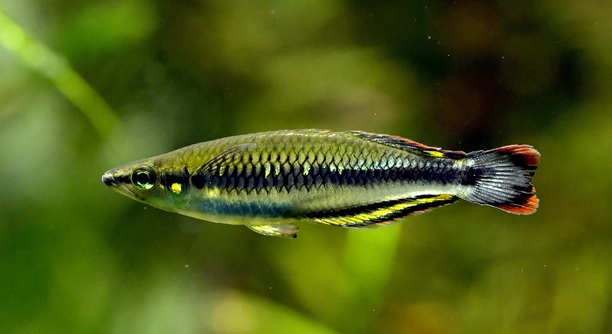
Rainbowfish are small, colorful freshwater fish that brighten up any aquarium. Observing their behavior can be both relaxing and informative, especially when changes occur in their environment over time. Their reactions can tell us a lot.
Rainbowfish can notice weekly changes in their tank. These fish have strong memory and spatial recognition abilities, allowing them to detect differences in decorations, water levels, or surroundings. Regular changes can influence their behavior and stress levels.
Monitoring these responses is important for maintaining a healthy aquarium. Recognizing their adaptability helps ensure rainbowfish remain comfortable and content in their home environment.
How Rainbowfish React to Tank Changes
Rainbowfish are sensitive to changes in their environment. When decorations, plants, or hiding spots are moved, they notice immediately. Some may swim cautiously around the new setup, while others hide until they feel safe. Even small shifts in water levels or lighting can alter their daily routines. Consistent monitoring helps you understand their comfort zones. Over time, they may adjust to the new arrangement, but repeated weekly changes can cause stress. Signs of stress include erratic swimming, reduced appetite, or hiding more than usual. Providing stable areas where they feel secure can reduce anxiety. Introducing changes slowly allows them to adapt without disrupting their habits. Observing interactions among rainbowfish also gives insight into their social structure. Keeping a balanced environment promotes health and activity, making them display their vibrant colors. Maintaining a routine in feeding and water quality further supports their adjustment to minor tank changes.
Repeated changes may lead to temporary stress, but rainbowfish generally adapt over time with proper care.
Noticing their responses can help tailor the tank environment to meet their needs. Patience and observation are key to keeping them healthy.
Tips to Minimize Stress
Gradual adjustments are more effective than sudden alterations.
When making weekly changes, introduce one modification at a time. For example, move a plant or decoration slowly rather than rearranging the whole tank. Keep water parameters stable, including temperature, pH, and filtration. Provide consistent hiding spots so rainbowfish have familiar safe zones. Regular feeding schedules help maintain normal behavior and reduce anxiety. Observing fish daily allows you to respond to any signs of discomfort. Using gentle lighting changes rather than abrupt shifts can also make a difference. Small steps in introducing changes help rainbowfish retain their comfort and thrive.
Consistency and careful observation ensure rainbowfish remain healthy despite weekly modifications. Maintaining stability in critical areas of the tank, such as water quality and shelter, allows them to adjust without excessive stress. Gradual introductions of new decorations or rearrangements give them time to explore and understand the altered environment. Avoid making multiple changes simultaneously, as this can overwhelm their senses and trigger defensive behavior. Providing visual barriers or plants can reduce feelings of vulnerability during transitions. Maintaining a predictable feeding routine supports their confidence and energy levels. Over time, rainbowfish show increased tolerance to moderate adjustments when changes are introduced carefully. Documenting their behavior during each modification can reveal patterns in how they adapt. This approach ensures that any adjustments are in the best interest of the fish’s well-being while preserving the tank’s aesthetic. Small, consistent improvements create a harmonious environment where rainbowfish remain active, healthy, and vibrant, even with regular weekly changes.
Recognizing Behavioral Changes
Rainbowfish often show subtle signs when their tank changes. Increased hiding, slower swimming, or reduced feeding are common indicators. Monitoring these behaviors helps identify stress early and ensures timely adjustments to their environment for better comfort.
Tracking daily habits allows observation of how rainbowfish adapt. Changes in activity, social interaction, or color intensity can indicate their response to weekly modifications. Some fish may explore cautiously at first but gradually resume normal routines. Stress can affect appetite, making it crucial to maintain consistent feeding times. Providing familiar objects or partial coverings helps them feel secure while adapting to new surroundings. Over time, careful observation reveals which adjustments are manageable and which may overwhelm them, allowing for a more balanced tank environment.
Consistency is key for maintaining comfort. Gradual changes combined with attention to behavior prevent prolonged stress. Documenting responses can guide future tank modifications. Keeping a predictable routine ensures rainbowfish remain active and healthy even with weekly changes.
Managing Environmental Stress
Small adjustments reduce strain on rainbowfish, keeping them healthy and active.
Maintaining stable water conditions, including temperature and filtration, is critical. Sudden shifts in lighting or decorations can trigger stress, so gradual introductions are preferable. Providing hiding spots allows fish to retreat when feeling uneasy. Social dynamics should be monitored, as dominant fish may react strongly to changes. Observing interactions helps prevent aggressive behaviors. Regular feeding and minimal disturbances contribute to a calm environment. Using consistent maintenance routines ensures that weekly modifications do not disrupt their daily habits, making adaptation smoother.
Predictable schedules and controlled adjustments are essential for rainbowfish well-being. Gradual changes in decorations, water levels, and lighting allow them to adapt without excessive stress. Ensuring each fish has access to safe areas reduces competition and anxiety. Social monitoring prevents conflicts and helps maintain a balanced tank community. Keeping water parameters consistent supports immune health and minimizes unexpected reactions. Feeding at regular intervals encourages normal behavior and reduces tension. Small, incremental modifications, combined with careful observation, help rainbowfish adjust to their surroundings. Over time, these practices enhance comfort and allow fish to display natural behaviors, vibrant colors, and active interactions within a stable environment.
Adjusting Tank Layout
Rainbowfish respond better to gradual layout changes. Slowly moving plants or decorations gives them time to explore without stress. Sudden rearrangements can make them anxious and less active, so small adjustments are more effective in maintaining comfort.
Consistent hiding spots are important. Even with minor changes, fish need familiar areas to feel secure. Providing partial covers or stable plants helps them maintain confidence and reduces stress during weekly modifications.
Feeding and Routine
Maintaining a consistent feeding schedule helps rainbowfish adapt to changes. Predictable routines reduce anxiety and encourage normal behavior, keeping their energy and activity levels steady.
Social Interactions
Observing how rainbowfish interact can reveal stress from changes. Dominant fish may assert more control, while timid fish retreat. Monitoring these behaviors ensures all fish remain balanced and comfortable in the modified environment.
Lighting Adjustments
Gradual lighting changes are easier for rainbowfish to tolerate. Sudden bright lights can trigger hiding or erratic swimming, so slow adjustments help maintain calm and normal activity levels.
FAQ
Can rainbowfish remember weekly tank changes?
Yes, rainbowfish have strong memory and spatial recognition skills. They can notice differences in decorations, plants, and hiding spots from week to week. While they may initially show caution or hiding behaviors, they gradually adapt to repeated changes if introduced carefully.
How can I tell if my rainbowfish is stressed by changes?
Signs of stress include hiding more than usual, reduced swimming activity, loss of appetite, and faded colors. Sudden darting or erratic swimming may also indicate discomfort. Observing daily behaviors helps identify when adjustments are affecting their well-being.
Should I change the tank layout frequently?
Frequent and sudden changes can be stressful. Minor, gradual modifications are better. Moving one decoration at a time or slightly adjusting plants allows rainbowfish to explore safely while reducing anxiety. Stability in hiding spots is essential for comfort.
Does lighting affect their adaptation?
Yes, rainbowfish are sensitive to light changes. Sudden bright lighting can trigger hiding or erratic swimming. Gradually adjusting light intensity and duration helps them acclimate without stress, allowing normal behavior and maintaining their vibrant colors.
How does feeding impact stress during changes?
Consistent feeding schedules support normal behavior and reduce anxiety. Fish rely on predictable routines, and keeping feeding times regular helps them maintain confidence while adapting to new tank arrangements. Overfeeding or irregular meals can increase stress and affect social interactions.
Can social dynamics influence their reaction to changes?
Yes, dominant rainbowfish may react strongly to new arrangements, while shy fish may retreat. Observing interactions ensures that no fish is overly stressed. Providing multiple hiding spots and visual barriers helps maintain balance and minimizes conflicts among tank mates.
Is water quality important during weekly changes?
Absolutely. Maintaining stable temperature, pH, and filtration is crucial. Even minor fluctuations can increase stress and impact health. When making changes to decorations or plants, ensuring water parameters remain stable supports their adaptation.
How long does it take for rainbowfish to adjust to weekly modifications?
Adjustment times vary depending on the fish and the type of change. Minor changes like moving a plant may take a day or two, while larger rearrangements may require a week or more. Patience and observation are key to understanding their responses.
Are hiding spots necessary during weekly changes?
Yes, familiar hiding spots reduce stress. Even when introducing new decorations, leaving some stable areas ensures rainbowfish feel secure. This helps them explore at their own pace and return to safe zones when needed.
What is the best approach to minimize stress from weekly tank changes?
Gradual, single modifications combined with consistent routines in feeding and lighting are the most effective. Observing fish behavior and maintaining stable water parameters ensures a healthy, calm environment, allowing rainbowfish to adapt comfortably to weekly changes.
Can rainbowfish ever become accustomed to regular weekly changes?
Yes, over time they can tolerate moderate, controlled modifications. Careful observation and gradual introductions help them learn that changes are not threatening, promoting normal behavior, social balance, and overall health.
Should I document behavior during changes?
Keeping notes on swimming patterns, feeding, and social interactions helps identify what adjustments are manageable. Documentation allows you to plan changes effectively, ensuring rainbowfish remain comfortable and stress-free.
Do tank size and decoration density matter?
Yes, larger tanks with adequate space and moderate decoration density allow rainbowfish to explore safely. Crowded or small tanks can increase stress when rearranged. Ensuring plenty of swimming space and multiple hiding spots improves adaptation.
Can I change water parameters along with decorations weekly?
It is best to avoid simultaneous changes. Introducing multiple changes at once can overwhelm rainbowfish. Adjust one factor at a time, whether it is layout, lighting, or water parameters, to minimize stress and maintain well-being.
How do rainbowfish show curiosity about changes?
Some rainbowfish cautiously investigate new decorations, swim around them, or nibble at plants. This behavior indicates adaptation and comfort, showing they are learning and interacting with their environment safely.
What is the role of plants in adapting to weekly changes?
Plants provide visual barriers, hiding spots, and a sense of stability. Keeping some plants in consistent positions while adjusting others gradually helps rainbowfish feel secure and reduces stress during weekly tank modifications.
Can weekly water changes affect their adaptation?
Yes, large or sudden water changes can add stress when combined with other modifications. Smaller, gradual water changes alongside stable routines in feeding and decorations are less disruptive, allowing rainbowfish to adjust calmly.
How do I know if a fish is not coping with changes?
Persistent hiding, lack of feeding, faded colors, or unusual aggression indicate they are struggling. Immediate adjustments to reduce stress, such as restoring familiar hiding spots or slowing the pace of changes, are necessary to support their health.
Is it better to rearrange decorations or add new ones weekly?
Adding a single new element is generally less stressful than moving multiple items. Gradual introductions allow rainbowfish to explore safely and maintain comfort while minimizing disruption to their established territory.
How do rainbowfish communicate stress to each other?
They may exhibit subtle behavioral cues, such as swimming away from dominant fish, hiding together, or showing reduced social interaction. Observing these patterns helps in adjusting the tank environment to meet their needs.
Can rainbowfish adjust to frequent minor changes better than infrequent major changes?
Yes, small, consistent adjustments are easier for them to adapt to. Large, sudden changes are more likely to cause stress, while gradual, controlled modifications help maintain normal activity, social balance, and comfort.
Final Thoughts
Rainbowfish are attentive and adaptable creatures, but they do respond noticeably to changes in their environment. Weekly modifications to decorations, plants, or tank layout are detectable to them, even if the changes seem minor to us. They rely on familiar landmarks, hiding spots, and spatial consistency to feel secure. When these elements shift, they may swim cautiously, hide more than usual, or display altered social behavior. These responses are not unusual, but they are important to recognize. Observing rainbowfish carefully allows you to see how each individual reacts, which can guide the timing and scale of future adjustments. Providing consistent areas for retreat or cover can reduce stress and give them confidence to explore new additions gradually.
Maintaining stable water parameters and feeding routines is equally important when making weekly tank changes. Sudden shifts in temperature, pH, or filtration can compound stress and disrupt their normal behavior. Regular feeding schedules support their energy levels and reduce anxiety, helping them remain active and engaged. Additionally, monitoring social interactions within the tank provides insight into how different fish cope with alterations. Dominant fish may assert themselves more aggressively in response to changes, while shy individuals may retreat to hiding spots more frequently. Ensuring a balanced environment with multiple shelters and visual barriers helps reduce conflicts and promotes calm behavior. Over time, these practices create a stable environment where rainbowfish can adjust without long-term stress, even if modifications are made on a weekly basis.
Gradual and controlled adjustments are the key to successful weekly changes. Introducing one modification at a time allows rainbowfish to explore and understand their surroundings safely. Documentation of their behaviors, such as activity levels, feeding patterns, and social interactions, can help track their adaptation process. Plants, decorations, and partial covers serve as anchors in the tank, providing familiarity while new elements are gradually introduced. Attention to lighting changes is also important, as sudden brightness or dimming can cause anxiety. When changes are made slowly and routines are maintained, rainbowfish develop tolerance to moderate adjustments. This approach ensures their health, comfort, and vibrant appearance while allowing the tank to remain visually appealing. With patience and careful observation, weekly modifications can be incorporated successfully without disrupting the well-being of your rainbowfish.

Hello,
If you enjoy the content that we create, please consider saying a "Thank You!" by leaving a tip.
Every little bit helps us continue crafting quality advice that supports the health, happiness, and well-being of pets around the world, for pets of all shapes, sizes, and species.
We really appreciate the kindness and support that you show us!