
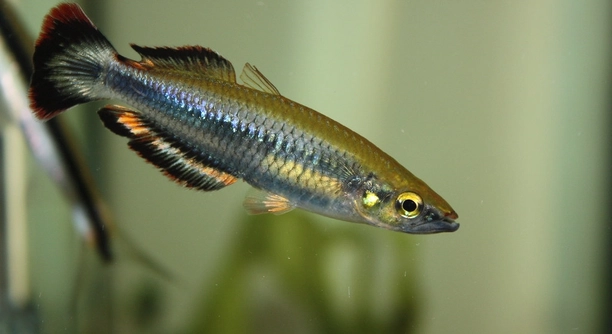
Have you ever noticed your rainbowfish swimming closer when you approach the tank? These colorful little swimmers seem aware of your movements, often responding in ways that feel surprisingly intentional and lively. Observing them can be quite engaging.
Rainbowfish possess sensory adaptations that allow them to detect motion and changes in their surroundings. Their lateral line system enables them to sense vibrations in the water, providing awareness of nearby movement, including the presence of humans or other animals.
Learning how rainbowfish react to your presence can improve how you care for them. Understanding their behavior creates a more comfortable and stimulating environment for these vibrant fish.
How Rainbowfish Sense Their Surroundings
Rainbowfish rely heavily on their senses to navigate their environment. Their lateral line system runs along the sides of their body and detects vibrations and pressure changes in the water. This helps them sense movement from other fish, water currents, and even humans approaching the tank. Vision is also important; rainbowfish have excellent eyesight and can notice changes in light or shadows. When you move near the tank, they may swim closer or scatter depending on how sudden the movement is. Other sensory cues, such as water temperature and chemical signals, contribute to their awareness. Observing these reactions can tell you a lot about their comfort level. They may display curiosity, cautiousness, or alertness depending on their mood and previous experiences. Providing a stable, calm environment allows them to interact more naturally. Keeping consistent water conditions and avoiding sudden movements can help maintain their confidence and reduce stress.
Their senses make them alert and responsive. They notice small changes in their environment easily.
Learning to read their behavior is rewarding. By watching how rainbowfish respond to movements, light, and other sensory cues, you can better predict their actions. Some may approach slowly, investigating hands or shadows, while others may retreat to hiding spots. Each fish has unique personality traits, and reactions can vary. A calm approach encourages them to explore without fear. Over time, consistent, gentle interactions may help them recognize human presence more comfortably. Noticing subtle signals, like fin flicks or changes in swimming patterns, offers insight into their mood and health. You can adjust tank setups, lighting, or feeding routines based on these observations. Awareness of their sensory abilities also guides placement of decorations and plants, ensuring they feel secure while maintaining stimulation. Observing closely helps you create a balanced environment, making them more active, healthy, and responsive to their surroundings.
Responding to Human Presence
Rainbowfish react differently depending on movement and noise near the tank. Even small gestures can trigger noticeable responses.
When humans approach, rainbowfish may exhibit curiosity or caution, influenced by their environment and past experiences. Some swim toward the movement, investigating it, while others retreat to corners or behind decorations. Sudden changes in light, shadows, or vibrations can startle them. Over time, consistent, gentle interactions can reduce fear, allowing them to explore confidently. Tank setup, including hiding spaces, plants, and water quality, also affects how they respond. Monitoring these reactions helps identify stress signs or health issues early. Providing a calm and predictable routine for feeding, cleaning, and interaction enhances their comfort. Observing patterns in their behavior gives insight into individual personalities. Some rainbowfish quickly recognize familiar movements or people, showing more relaxed swimming and feeding habits. Others remain cautious but may gradually adapt. Recognizing and respecting these differences ensures their well-being. This knowledge helps you foster a stable environment where they can thrive and display natural behaviors more frequently.
Visual and Vibrational Cues
Rainbowfish are highly sensitive to movements and vibrations in the water. Sudden gestures or changes in light can trigger alertness, while gentle movements often attract their curiosity. Their eyes and lateral line system work together to detect nearby presence quickly.
Watching rainbowfish closely reveals patterns in how they respond to visual and vibrational signals. When shadows pass over the tank or hands move near the glass, they may dart, freeze, or approach slowly. They react not only to humans but also to other fish. Subtle water currents caused by splashing or tapping can be enough to capture their attention. Their responsiveness shows how finely tuned their senses are, which helps them avoid potential danger and interact safely with their surroundings.
Adjusting the tank environment can influence their behavior. Reducing sudden vibrations, dimming harsh lights, or placing plants strategically encourages them to feel secure. They may explore more freely, swim closer to the front, or display active schooling behavior. Recognizing these reactions and responding appropriately fosters trust and comfort. Over time, rainbowfish can become familiar with regular movements and routines, showing less stress and more natural behaviors. The combination of light, motion, and vibration creates a dynamic environment that they constantly monitor.
Feeding Time Awareness
Rainbowfish quickly associate movement near the tank with feeding. Even small hand gestures can trigger anticipation and swimming toward the front.
Feeding routines play a major role in their awareness of human presence. When food is introduced, rainbowfish display excitement and precision in movement, often darting or circling to secure a portion. They remember the timing and location of feeding, which reinforces their sensitivity to approaching humans. This learned association makes them more alert and interactive during predictable routines, showing clear recognition of patterns. Feeding behavior also highlights social dynamics within the tank, as some fish may dominate or wait patiently, reflecting individual temperaments. Their response is a combination of instinct and learned experience, demonstrating their ability to link sensory cues with outcomes.
Consistent feeding routines and predictable placement of food help rainbowfish remain calm while still being responsive. Irregular schedules or sudden changes can cause stress or hesitation. Observing their behavior during feeding provides insight into health, appetite, and social hierarchy. Fish that eat eagerly and interact actively are generally comfortable, whereas those hiding or hesitating may need adjustments in environment or diet. Strategic placement of decorations or feeding points allows all fish access while minimizing competition and stress. Over time, rainbowfish adapt to these patterns, showing anticipation without panic, which reflects both their sensory acuity and comfort with human presence.
Recognizing Familiar Faces
Rainbowfish can learn to recognize people who regularly interact with their tank. They respond more calmly to familiar movements and gestures.
Repeated presence and gentle interaction build recognition. Over time, they may swim closer or follow hands approaching the tank, showing comfort and curiosity without stress.
Tank Layout and Interaction
The arrangement of plants, decorations, and hiding spots directly affects how rainbowfish perceive human presence. Open spaces encourage exploration, while crowded areas may make them more cautious. Strategic placement of shelters allows fish to feel secure, reducing stress and enabling more natural behavior during observation or feeding.
Signs of Stress
Rapid darting, hiding, or fin clamping are indicators that rainbowfish are feeling stressed. Recognizing these signs early helps in adjusting tank conditions and interactions to maintain their well-being.
FAQ
Can rainbowfish really notice when I am near the tank?
Yes, rainbowfish are very aware of movement and vibrations. Their lateral line system detects pressure changes in the water, while their sharp eyesight notices shadows and hand gestures. Regular observation shows they often react to even subtle presence, swimming closer or moving away depending on comfort.
Do they respond differently to different people?
Rainbowfish can become familiar with individuals who regularly interact with the tank. They may approach some people confidently while remaining cautious around others. Gentle, consistent interaction helps them recognize human presence and reduces stress over time.
What signs show that my rainbowfish are comfortable with me?
Calm swimming near the front of the tank, approaching hands slowly, and showing curiosity during feeding are signs of comfort. Fish that explore openly and display natural schooling behavior without hiding or darting indicate trust in their environment.
Can they become stressed if I move too quickly?
Yes, sudden gestures, loud noises, or rapid movement near the tank can startle rainbowfish. Stress may show as hiding, clamped fins, or rapid darting. Maintaining calm, predictable movements and avoiding abrupt changes in light or vibrations helps keep them relaxed.
Does tank setup affect their awareness of humans?
Absolutely. Open areas encourage interaction, while overcrowded or cluttered spaces can make them wary. Hiding spots provide security, which reduces stress, while plants and decorations can influence swimming patterns and where they feel comfortable approaching humans.
How does feeding time influence their recognition of me?
Rainbowfish quickly link human presence to food. Regular feeding routines allow them to anticipate movement near the tank and respond with excitement. Over time, they recognize familiar hands bringing food, which encourages approach behaviors and increases their awareness of your presence.
Do all rainbowfish react the same way to humans?
No, individual temperament affects responses. Some may be bold and curious, swimming right up, while others remain cautious. Differences in personality, prior experiences, and social dynamics within the tank all influence how each fish reacts to human presence.
Is there a way to make them more comfortable with human interaction?
Yes, consistency is key. Approaching the tank gently, keeping feeding times predictable, and minimizing sudden movements help build trust. Providing hiding spots and maintaining stable water conditions also supports a sense of security, encouraging more natural and confident behavior.
Can they detect movement outside the tank but not directly above the water?
Rainbowfish primarily sense vibrations and motion within the water itself. Movements outside the tank are noticed mostly through changes in light or shadows, so while they can detect nearby activity, their response is strongest when vibrations or ripples reach the water.
Will they always react to my presence, or do they sometimes ignore me?
Their response depends on mood, environment, and recent experiences. Rainbowfish may explore calmly, ignore subtle movement, or focus on other fish. Consistency in interaction helps predict reactions, but individual differences mean they won’t always react in the same way each time.
How can I tell if a reaction is curiosity or stress?
Curiosity is shown by slow, controlled swimming toward movement, gentle fin flicks, and exploration of nearby areas. Stress often appears as sudden darting, clamped fins, or retreating to hiding spots. Observing behavior patterns over time makes it easier to distinguish between the two.
Do rainbowfish recognize me even without feeding?
Yes, recognition is not solely based on feeding. Regular calm presence, hand gestures, and movement near the tank help them become familiar with specific humans, showing comfort and curiosity even when food is not involved.
Can environmental changes affect how they notice humans?
Changes in lighting, water flow, or tank layout can alter their behavior. Sudden shifts may make them more cautious, while stable, predictable conditions encourage natural interaction and responsiveness to human presence.
Is it normal for some rainbowfish to never approach humans?
Yes, some individuals remain shy or cautious throughout their life. Personality, previous experiences, and social hierarchy influence behavior. Respecting their boundaries and avoiding forceful interaction is important to prevent stress and maintain health.
How can I encourage group interaction with humans in a tank?
Encourage a calm environment, maintain consistent feeding schedules, and create open spaces. Allow the fish to approach voluntarily, using gentle gestures or slowly lowering hands into the tank to promote collective comfort and curiosity without pressure.
Do they communicate with each other about human presence?
Rainbowfish use visual cues and schooling behavior to signal awareness. Sudden movement or changes may prompt nearby fish to react similarly, showing collective vigilance. Observing these interactions reveals social dynamics and how the group responds to external stimuli like human presence.
Can I train rainbowfish to respond to me in a certain way?
While they cannot be trained like mammals, they can learn patterns. Predictable routines, gentle gestures, and consistent interaction help them associate specific movements or signals with positive experiences, encouraging desired behaviors such as approaching or feeding calmly.
How long does it take for rainbowfish to recognize humans?
Recognition varies depending on individual temperament and consistency of interaction. Some fish may become familiar within a few weeks, while others require months of regular, gentle presence to respond confidently to human movements.
Do juvenile rainbowfish react differently than adults?
Yes, younger fish are often more cautious and easily startled. Adults tend to be bolder and more aware of patterns. Age, size, and previous exposure to humans all influence how a fish reacts to movement near the tank.
Can their reactions indicate health issues?
Changes in responsiveness may reflect stress, illness, or environmental problems. Lack of reaction, lethargy, or unusual hiding behavior can signal discomfort or health concerns. Observing their usual behavior allows early detection of potential issues for timely care.
Rainbowfish are fascinating creatures with a remarkable ability to sense their surroundings. Their lateral line system allows them to detect vibrations in the water, while their keen eyesight helps them notice movement, shadows, and light changes. This combination of sensory tools makes them highly aware of activity near the tank, including human presence. Observing their behavior closely shows how attentive they can be, reacting differently to various movements and environmental changes. Each fish has a unique personality, so their responses can vary even within the same tank. Some rainbowfish may swim confidently toward a moving hand, while others retreat to a hiding spot. Understanding these individual differences is important for maintaining a calm and secure environment, which contributes to their overall well-being. Over time, regular, gentle interactions can help them become more comfortable with human presence, allowing you to enjoy their natural behaviors without causing unnecessary stress.
Creating the right tank environment is essential for encouraging natural responses and reducing stress. Open swimming spaces allow rainbowfish to explore freely, while carefully placed hiding spots offer security when they feel cautious. Decorations, plants, and lighting all influence how they perceive their surroundings and react to external stimuli. Sudden changes in light or strong vibrations in the water can startle them, causing rapid darting, fin clamping, or hiding behavior. By keeping conditions consistent and calm, you give rainbowfish the confidence to approach and interact with their environment more naturally. Feeding routines also play a role in their awareness. Predictable schedules help them anticipate human presence and associate it with positive experiences, which strengthens recognition and comfort. Over time, you can observe patterns in their behavior that indicate trust, curiosity, or caution, and adjust tank care accordingly. Monitoring these responses allows you to better understand their needs and maintain a healthy, balanced environment.
Recognizing and respecting their reactions is key to creating a positive experience for both you and your rainbowfish. Their behavior provides insight into their comfort level, mood, and even health. Calm swimming, exploring near the front of the tank, and gentle interactions during feeding are signs of trust, while hiding, darting, or fin clamping indicates stress. By observing these behaviors, you can make small adjustments to tank layout, feeding practices, and daily interaction to improve their well-being. Consistent care, thoughtful observation, and attention to their environment allow rainbowfish to thrive while responding naturally to human presence. Over time, these practices foster a peaceful and engaging tank environment where the fish feel secure and confident, offering a rewarding experience for anyone caring for them. Watching rainbowfish respond to gentle, predictable movement provides a unique opportunity to learn from their behaviors, build a better understanding of their needs, and create a stable environment that encourages natural, healthy, and confident behavior patterns.

Hello,
If you enjoy the content that we create, please consider saying a "Thank You!" by leaving a tip.
Every little bit helps us continue crafting quality advice that supports the health, happiness, and well-being of pets around the world, for pets of all shapes, sizes, and species.
We really appreciate the kindness and support that you show us!