
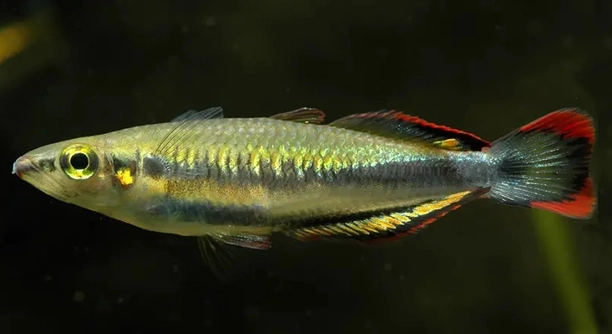
Caring for rainbowfish can be a rewarding experience for any aquarium enthusiast. Their vibrant colors and lively movements make them a joy to watch, but ensuring they are properly fed is essential for their health and longevity.
Proper feeding of rainbowfish requires attention to diet variety, portion size, and feeding frequency. Providing balanced nutrition through high-quality flakes, pellets, and occasional live or frozen foods supports growth, coloration, and overall well-being in a controlled aquarium environment.
Learning these feeding strategies will help you maintain a healthy, thriving rainbowfish community in your tank. Each tip offers practical guidance to make daily care easier and more effective.
Understanding Rainbowfish Diet
Rainbowfish thrive on a balanced diet that includes a mix of dry, frozen, and live foods. Flakes and pellets should form the staple of their meals, providing essential vitamins and minerals. Supplementing with frozen or live foods like brine shrimp or daphnia helps mimic natural feeding habits and encourages activity. Variety is key because relying on only one type of food can lead to nutritional deficiencies or reduced vitality. Younger fish benefit from more protein-rich options to support rapid growth, while adults need a balanced approach to maintain coloration and health. Observing your rainbowfish during feeding can reveal preferences and indicate overall health. Uneaten food should be removed promptly to maintain water quality, as leftover particles can decay and raise harmful ammonia levels. Feeding in small, controlled amounts ensures the fish consume their food fully without overfeeding. A consistent schedule, paired with varied nutrition, helps keep rainbowfish healthy, vibrant, and active in their environment, fostering natural behaviors.
Providing a mix of dry and live foods helps rainbowfish stay healthy and active. Small portions prevent overfeeding and water issues.
Monitoring feeding habits ensures your rainbowfish receive proper nutrients. Over time, adjusting the diet according to age and activity supports growth, coloration, and overall vitality. Regular observation allows early detection of health issues or changes in appetite. Maintaining clean water while feeding encourages proper digestion and reduces stress, creating a stable environment. Using high-quality flakes or pellets combined with occasional live or frozen foods balances proteins, vitamins, and minerals. Feeding multiple small meals instead of one large portion helps prevent obesity and promotes natural foraging behavior. Some rainbowfish prefer specific textures or types of food, so observing their response guides adjustments. By rotating foods weekly, you can keep them interested and ensure no essential nutrients are missing. Maintaining a consistent feeding routine supports their circadian rhythm and strengthens immune function. Overfeeding can harm the fish and disrupt the aquarium ecosystem, so careful portion control is essential. Consistency, variety, and attention to behavior create the optimal feeding environment for rainbowfish.
Feeding Frequency and Portions
Rainbowfish should be fed small amounts multiple times per day. Overfeeding can harm water quality and fish health.
Feeding rainbowfish requires balancing quantity and frequency to prevent health problems. Young rainbowfish need two to three small meals daily to support rapid growth and maintain energy. Adults typically thrive on one to two feedings, ensuring they receive sufficient nutrition without excess waste. Portion control is critical; giving too much food can lead to obesity, digestive issues, and elevated ammonia levels in the tank. Observing how quickly fish consume their food helps determine the right portion size. For best results, feed amounts they can finish in two to three minutes. Live and frozen supplements should be offered occasionally, providing variety and promoting natural hunting behaviors. Maintaining a consistent feeding schedule reinforces daily routines, reduces stress, and supports optimal metabolism. Gradually adjusting portions as fish grow or as seasonal temperature changes occur helps maintain their health. Recording feeding times and amounts can prevent accidental overfeeding. Combining attention to frequency, portion, and food type ensures rainbowfish remain energetic, colorful, and healthy over time.
Choosing the Right Food
High-quality flakes or pellets are the foundation of a rainbowfish diet. Look for products with balanced protein, vitamins, and minerals. Avoid foods with excessive fillers, as they provide little nutritional value and can cloud the tank water.
Rainbowfish benefit from occasional live or frozen foods like brine shrimp, daphnia, or bloodworms. These supplements provide essential nutrients not found in dry foods and help maintain their natural hunting instincts. Offering variety prevents boredom and ensures proper growth. Younger fish need more protein, while adults require balanced meals to maintain their vibrant colors. Carefully observe how the fish respond to each type of food to adjust portions and prevent waste.
Feeding consistency is important for rainbowfish. Provide food at the same times each day to establish routine and reduce stress. Remove uneaten food promptly to maintain water quality. Gradually introduce new food types to avoid digestive issues and ensure the fish adapt properly. Maintaining a mix of staple flakes or pellets with live or frozen supplements supports long-term health, promotes natural behavior, and enhances coloration. Portion control and attention to preferences are key for overall vitality.
Observing Eating Habits
Rainbowfish show clear signs of hunger and preference during feeding. Watch for active swimming toward food and quick consumption. Proper observation helps detect health issues early.
Not all rainbowfish eat at the same pace. Some are timid or slow, so feeding smaller amounts multiple times per day ensures everyone gets nutrition. Overcrowding during feeding can cause dominant fish to take more than their share, leaving others underfed. Healthy rainbowfish display bright colors, smooth scales, and energetic swimming patterns, which are influenced by diet and feeding behavior. Tracking how each fish eats helps adjust portion size and frequency to meet individual needs. Feeding in a calm environment reduces stress and encourages all fish to participate, supporting growth and vitality while preventing competition-related injuries or malnutrition.
Avoid Overfeeding
Overfeeding rainbowfish can cause health problems and water quality issues. Feed only what they can consume in a few minutes. Small, controlled portions are better than large amounts.
Leftover food decomposes quickly, raising ammonia and stressing fish. Consistent portion control helps maintain tank cleanliness and keeps rainbowfish healthy and active.
Using Supplements
Supplements like spirulina, vitamins, or calcium can enhance color and overall health. Use them sparingly to avoid imbalance. Occasional addition supports growth, strengthens immunity, and helps maintain vibrant scales, especially when primary diet lacks certain nutrients. Monitor fish response to adjust supplementation frequency safely.
Seasonal Feeding Adjustments
Rainbowfish may eat less during cooler months. Reduce portions slightly to match lower activity levels. Feeding too much in low-temperature periods can lead to leftover food and water quality problems.
FAQ
What is the best type of food for rainbowfish?
Rainbowfish do best with a combination of high-quality flakes or pellets as the main diet. Supplementing with live or frozen foods like brine shrimp, daphnia, or bloodworms ensures they get extra protein and nutrients that dry foods may lack. A varied diet supports healthy growth, vibrant coloration, and active behavior.
How often should I feed my rainbowfish?
Young rainbowfish should be fed two to three times per day in small amounts to support growth. Adult rainbowfish typically need one to two feedings daily. Feeding small portions multiple times helps prevent overfeeding and maintains water quality. Always give only what the fish can consume in a few minutes.
How much food should I give at each feeding?
Feed rainbowfish portions they can eat within two to three minutes. Overfeeding can lead to water pollution, obesity, and digestive problems. Observing how quickly the fish consume their food helps determine proper portion sizes. Adjust amounts based on age, activity, and group size.
Can rainbowfish eat vegetables or plant-based foods?
Yes, some rainbowfish enjoy vegetable matter like blanched spinach, zucchini, or peas. These provide fiber and vitamins, aiding digestion and overall health. Include small portions occasionally rather than making vegetables the primary diet. Balance is key to proper nutrition.
Should I use supplements or vitamins?
Occasional supplements, such as spirulina or vitamin-enriched flakes, can enhance color and immunity. They are most useful when the main diet is limited or fish show signs of nutrient deficiency. Avoid over-supplementing, as it can create nutritional imbalance. Monitor fish response to adjust use.
How do I know if my rainbowfish is overfed?
Signs of overfeeding include leftover food, cloudy water, and sluggish fish. Overfed rainbowfish may develop bloating or swim abnormally. Reduce portion size, increase feeding frequency with smaller amounts, and remove uneaten food promptly to maintain health and tank stability.
Can rainbowfish eat live food every day?
Live food should be given occasionally, not daily, to supplement their main diet of flakes or pellets. Frequent live feeding can unbalance nutrition and may introduce parasites if not properly prepared. Using it a few times per week keeps fish engaged and healthy.
Do rainbowfish need different food as they grow?
Yes, younger fish need higher-protein foods to support rapid growth. Adults require a balanced diet that maintains color and overall health. Adjust feeding portions and food types gradually as fish mature, observing their response to ensure proper nutrition.
What should I do if some fish eat faster than others?
Feed smaller amounts in multiple locations or at different times to ensure all fish get enough. Slow or shy fish may need special attention during feeding to prevent malnutrition and maintain even growth. Observing eating behavior helps adjust feeding strategy.
Is it okay to change their diet suddenly?
Sudden changes can cause stress or digestive issues. Introduce new foods gradually over several days, mixing with the current diet. Monitor acceptance and adjust portions carefully. Gradual introduction encourages adaptation while maintaining nutrition and overall health.
Can overfeeding affect water quality?
Yes, uneaten food decomposes, producing ammonia and other toxins that stress rainbowfish. Consistent portion control and removing leftover food are essential. Proper feeding practices protect water quality, support fish health, and prevent algae growth caused by excess nutrients.
How do I encourage picky eaters to eat properly?
Offer a mix of foods, including flakes, pellets, and occasional live or frozen options. Feeding in small amounts and observing which types are accepted helps identify preferences. Gradually adjusting the diet encourages picky rainbowfish to eat enough for proper growth and vitality.
Is it necessary to fast rainbowfish occasionally?
Occasional fasting, such as one day per week, can aid digestion and prevent overfeeding-related problems. It helps regulate metabolism and ensures the tank remains clean. Fasting should not be done too frequently, especially for young or growing fish, to avoid nutrient deficiency.
How do I store rainbowfish food properly?
Keep dry foods in airtight containers in a cool, dry place to preserve nutrients and prevent mold or pests. Frozen foods should be stored at the proper temperature and thawed before feeding. Proper storage ensures food quality and avoids health issues for your fish.
Can rainbowfish eat the same food as other community fish?
Yes, most community fish foods are compatible, but ensure the diet meets rainbowfish nutritional needs. Avoid foods that are too large or nutrient-poor. Observing how rainbowfish consume food alongside other species ensures they receive enough nutrition without competition or stress.
Final Thoughts
Caring for rainbowfish is a rewarding experience when their diet and feeding habits are managed properly. Providing a balanced diet with high-quality flakes or pellets as the base ensures they receive essential nutrients. Supplementing with live or frozen foods like brine shrimp, daphnia, or bloodworms adds protein and variety, which supports growth, coloration, and natural behavior. It is important to observe how the fish respond to different foods and adjust portions or types accordingly. Younger fish require more protein for rapid growth, while adults need a balanced diet to maintain health and vibrancy. Overfeeding can lead to water quality issues, obesity, or digestive problems, so controlled portions and scheduled feedings are essential. Removing uneaten food promptly helps maintain a clean environment, reducing stress and promoting overall well-being. Paying attention to these details makes a significant difference in keeping rainbowfish active, colorful, and healthy in the long term.
Consistency in feeding times and careful portion control are just as important as the food itself. Feeding rainbowfish small amounts multiple times a day helps prevent overfeeding and ensures all fish get enough nutrition. Observing their eating habits allows owners to notice any changes in appetite or behavior that could indicate health problems. Some rainbowfish are timid or slow eaters, so it is useful to adjust feeding methods to accommodate their needs. Offering food in different locations within the tank or feeding in multiple short sessions ensures that every fish can eat without competition from more aggressive tank mates. Seasonal adjustments to feeding, such as reducing portions slightly in cooler months when metabolism slows, can also help maintain health and prevent waste. Paying close attention to these patterns and responding appropriately ensures that rainbowfish receive proper nutrition throughout the year.
Rainbowfish thrive in environments where their diet and feeding practices are carefully considered. Using supplements like spirulina or vitamin-enriched flakes occasionally can enhance color and immunity, but these should never replace a balanced diet. Gradual introduction of new foods helps fish adapt without digestive issues, and monitoring the response to any changes allows for timely adjustments. Maintaining proper storage of dry and frozen foods preserves nutrient quality, which directly impacts fish health. Understanding their preferences and feeding behaviors creates a routine that reduces stress and encourages natural activity. When food, feeding frequency, and observation are combined thoughtfully, rainbowfish are more likely to remain vibrant, active, and healthy. Paying attention to these details ensures that caring for rainbowfish is manageable, enjoyable, and ultimately successful.

Hello,
If you enjoy the content that we create, please consider saying a "Thank You!" by leaving a tip.
Every little bit helps us continue crafting quality advice that supports the health, happiness, and well-being of pets around the world, for pets of all shapes, sizes, and species.
We really appreciate the kindness and support that you show us!