
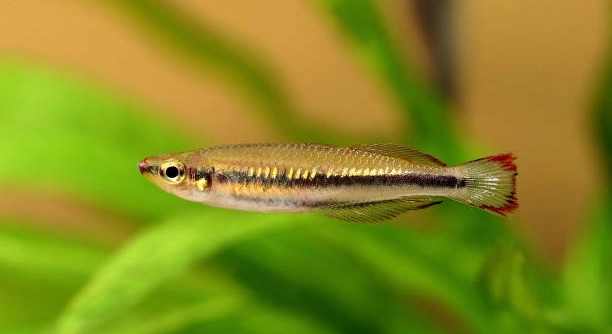
Rainbowfish are colorful and lively, yet some of them prefer to stay hidden in their tanks. Their shy behavior can be puzzling, even for experienced fish keepers who expect constant activity and social interaction.
Rainbowfish often become reclusive due to stress, overcrowding, poor water quality, or lack of hiding spaces. Their natural instincts drive them to seek shelter when feeling threatened or uncomfortable, ensuring their survival in both home aquariums and the wild.
Learning about the reasons behind their behavior can help you create a more comfortable environment for these sensitive fish and improve their overall wellbeing in your care.
Stress and Sudden Changes
Rainbowfish are highly sensitive to changes in their environment. Any sudden shift in water temperature, lighting, or tank arrangement can make them anxious. Even moving decorations or introducing new plants can trigger stress. This sensitivity is rooted in their natural habitats, where sudden disturbances could signal predators or unsafe conditions. When stressed, rainbowfish often retreat to the corners of the tank or hide among plants. Stress can also affect their appetite, making them less active and more prone to illness. Regular observation helps identify subtle signs of discomfort. Providing stable conditions and minimal disruption allows them to feel safe and encourages normal behavior. Maintaining a consistent feeding schedule and avoiding abrupt changes in water chemistry also reduces stress levels. Many aquarists notice that fish that were once shy become more social once their environment is predictable. Understanding these triggers is key to creating a tank where rainbowfish feel secure and confident.
Consistent water conditions and gentle handling greatly reduce stress in rainbowfish, helping them remain active and healthy.
Monitoring stress indicators early allows you to adjust care, keeping the rainbowfish comfortable, happy, and less likely to hide frequently.
Overcrowding and Space Limits
Too many fish in a tank can make rainbowfish feel threatened or trapped. Limited space increases competition for food and hiding spots.
When tanks are overcrowded, rainbowfish may isolate themselves or stay near the bottom. They need enough room to swim freely.
Rainbowfish require adequate swimming space to maintain their health and natural behavior. Overcrowding leads to heightened aggression and stress. Dominant fish can chase or intimidate more timid ones, pushing them into hiding. Each species has specific space requirements, so it is important to plan tank size carefully. Adding plants and decorations provides multiple hiding spots, which helps shy fish feel safer. Proper filtration and maintenance also prevent water quality from deteriorating due to overcrowding. Observing interactions can reveal if some fish are being bullied or overly stressed. By managing population density, you create an environment where rainbowfish can thrive, display their colors, and socialize without fear, making the aquarium more enjoyable to watch and maintain.
Poor Water Quality
Dirty or unstable water can make rainbowfish retreat and hide for long periods. Ammonia, nitrite, and nitrate levels that are too high can stress them, leading to illness and reclusive behavior.
Maintaining clean water is essential for rainbowfish health. Regular water changes, proper filtration, and monitoring of chemical levels help prevent dangerous buildups. Temperature and pH should remain stable, as fluctuations can trigger hiding and reduce activity. Rainbowfish are sensitive to toxins, and even small changes in water quality can make them uncomfortable. Providing a balanced environment with oxygenation and proper flow encourages them to swim confidently and interact with other tank mates. Observing water conditions daily ensures problems are caught before they affect the fish.
Adding live plants and ensuring good circulation improves water quality naturally. These elements provide shelter and reduce stress, helping rainbowfish feel secure in their habitat.
Lack of Hiding Spots
Rainbowfish need places to hide to feel safe, especially if they are shy or stressed. Without cover, they often stay at the bottom or in corners.
Providing plants, rocks, and decorations gives rainbowfish multiple areas to retreat. Hiding spots reduce stress, allowing them to explore more and feed comfortably. Open tanks without shelter can make timid fish overly cautious, preventing natural behaviors. Plants that reach the surface or dense rock structures create vertical and horizontal cover. When hiding spots are limited, dominant fish may chase smaller or weaker rainbowfish, increasing fear and causing prolonged reclusiveness. Arranging the tank to include both open swimming space and sheltered areas balances safety and activity. Over time, fish with proper shelter show brighter colors and more social behavior, demonstrating improved confidence in their surroundings. Careful placement of decor ensures that every fish has a safe spot while maintaining clear swimming areas.
Sudden Loud Noises
Sudden noises near the tank can startle rainbowfish, causing them to hide. Their sensitivity to vibrations makes them retreat quickly.
Frequent disturbances can increase anxiety and lead to prolonged reclusive behavior. Keeping the tank in a quiet area reduces stress and helps them feel safe.
Aggressive Tank Mates
Aggressive fish can intimidate rainbowfish, pushing them into hiding. Even minor bullying can make them avoid open areas.
Carefully selecting peaceful companions ensures rainbowfish feel secure. Observing interactions helps identify if aggression is causing shyness or reclusive behavior.
Illness and Weakness
When rainbowfish feel unwell, they often hide to conserve energy. Symptoms like lethargy, discoloration, or clamped fins signal health issues that need attention.
FAQ
Why do my rainbowfish hide all the time?
Rainbowfish hide for several reasons, most often due to stress, illness, or environmental changes. Sudden movements near the tank, loud noises, or overcrowding can make them retreat. They also need safe spaces to feel secure, so limited hiding spots can cause constant reclusiveness.
Can poor water quality make rainbowfish reclusive?
Yes, unstable water conditions are a common reason for hiding behavior. High levels of ammonia, nitrite, or nitrate, sudden temperature shifts, or incorrect pH can stress rainbowfish. Maintaining clean, stable water with regular changes and proper filtration encourages them to swim openly.
Do rainbowfish hide because of other fish?
Aggressive or territorial tank mates can intimidate rainbowfish. Even mild bullying causes timid fish to stay hidden. Choosing compatible, peaceful species and providing multiple hiding spots helps rainbowfish feel safe and reduces fear-based hiding.
How can I encourage my rainbowfish to come out?
Creating a balanced tank environment is key. Provide live plants, rocks, and decorations to offer shelter, while keeping some open swimming space. Regular feeding, consistent water conditions, and minimizing loud disturbances also help rainbowfish feel secure and confident enough to explore.
Is hiding a sign of illness in rainbowfish?
Hiding can indicate illness, especially when paired with lethargy, clamped fins, discoloration, or loss of appetite. Observing their behavior closely and maintaining optimal water quality can prevent sickness. If symptoms persist, consulting a vet or experienced aquarist is recommended.
Do rainbowfish ever come out at night?
Rainbowfish are generally diurnal, meaning they are active during the day. At night, they naturally seek shelter and rest. Observing them during daylight hours gives a more accurate view of their behavior and social interactions.
Can stress make rainbowfish stop eating?
Yes, stress from environmental changes, poor water quality, overcrowding, or aggressive tank mates can reduce appetite. Providing a calm, consistent environment with enough hiding spots encourages feeding and reduces prolonged hiding behavior.
Will adding more plants help reclusive rainbowfish?
Adding plants provides natural hiding spaces and reduces stress, making rainbowfish feel safer. Dense foliage, tall plants, and layered decorations allow them to retreat without fear while still having areas to swim freely.
How long do rainbowfish hide when stressed?
The duration varies depending on the cause. Some may hide for hours, others for days, until they feel safe. Consistent care, calm surroundings, and adequate shelter shorten the hiding period and encourage normal activity.
Should I handle my rainbowfish if they are hiding?
Handling stressed rainbowfish can increase anxiety and worsen reclusive behavior. Limit interactions to feeding and routine tank maintenance, and avoid tapping or shaking the tank. Giving them space helps restore confidence and reduces long-term stress.
Can temperature changes affect rainbowfish behavior?
Yes, rainbowfish are sensitive to water temperature fluctuations. Sudden increases or decreases can cause hiding, lethargy, or loss of appetite. Keeping a stable, species-appropriate temperature with a reliable heater and thermometer supports normal activity.
Are all rainbowfish naturally shy?
Not all rainbowfish are shy, but some species and individual fish are more timid. Personality, past stress experiences, and environmental conditions influence their behavior. Providing a secure, well-maintained tank encourages even shy fish to be more active and social.
Does tank size affect rainbowfish hiding?
Yes, a small or overcrowded tank increases stress and reduces swimming space, prompting hiding. Providing sufficient room, along with multiple hiding spots and peaceful companions, helps rainbowfish feel safe and exhibit natural behaviors.
How do I know if hiding is normal or a problem?
Short periods of hiding are normal, especially after changes or feeding. Persistent hiding, loss of appetite, or unusual lethargy can indicate stress or illness. Regular observation and attention to water quality, tank mates, and overall health help determine if intervention is needed.
Can I use lighting to reduce hiding behavior?
Gradual lighting changes help rainbowfish feel secure. Sudden bright lights can cause them to retreat, while moderate, consistent lighting encourages activity and reduces prolonged hiding. Mimicking natural day-night cycles supports their comfort and routine.
Does diet influence rainbowfish activity?
A balanced diet keeps rainbowfish healthy and more active. Poor nutrition can weaken them, making them hide more. Providing high-quality flakes, pellets, or frozen foods ensures energy levels remain stable and promotes confident swimming behavior.
Can I train rainbowfish to be less shy?
Training isn’t like with mammals, but consistent, gentle care encourages confidence. Regular feeding, stable conditions, calm interactions, and proper tank setup gradually reduce fear, making rainbowfish more willing to explore and interact within their environment.
How often should I check on reclusive rainbowfish?
Daily observation is important. Monitor water parameters, behavior, and interactions with tank mates. Spotting early signs of stress or illness allows timely adjustments, helping rainbowfish feel secure and reducing prolonged hiding.
Do rainbowfish hide more during breeding periods?
During spawning, some rainbowfish may become more secretive to protect eggs or establish territory. Providing secluded areas for breeding helps reduce stress and ensures that both adults and fry remain safe in the tank.
Can I use decorations to manage hiding behavior?
Yes, strategic placement of plants, rocks, and shelters encourages hiding when needed without isolating fish completely. This balance allows rainbowfish to feel secure while maintaining visible activity for observation and feeding.
Rainbowfish are naturally active and colorful, but their shy or reclusive behavior can be puzzling for those who keep them in home aquariums. Many factors influence whether these fish choose to hide, from stress and sudden changes to overcrowding and aggressive tank mates. Observing their behavior closely is important because hiding is often a signal that something in the environment needs adjustment. Simple measures such as maintaining clean water, providing enough hiding spots, and keeping a stable routine can make a significant difference. Over time, rainbowfish that initially spend most of their time in corners or under decorations can begin to swim more freely and show their true colors. Understanding their instincts helps aquarists create an environment where these fish feel safe and secure, which is essential for their health and wellbeing.
Creating the right environment requires attention to detail and consistency. Stable water conditions, appropriate temperature, and proper filtration are all critical for reducing stress in rainbowfish. Overcrowded tanks or poorly matched companions can also contribute to hiding behavior, so careful planning of tank size and species selection is essential. Providing plants, rocks, and decorations offers multiple areas for retreat, allowing shy fish to feel safe while still having space to swim and interact. Even small adjustments, such as minimizing loud noises or avoiding sudden movements near the tank, can help rainbowfish feel less threatened. By observing their reactions and gradually improving conditions, it is possible to encourage more natural and confident behavior, which benefits both the fish and the overall tank ecosystem.
Patience is a key part of caring for rainbowfish. These fish may take time to adjust to new environments or recover from stress, and their hiding behavior should not be seen as a permanent problem. Consistent care, attention to their needs, and providing both security and space help rainbowfish develop comfort and confidence in their surroundings. Healthy, stress-free rainbowfish are more likely to exhibit active swimming patterns, vibrant colors, and social interactions with other tank mates. By understanding the reasons behind their reclusiveness and making thoughtful adjustments, it is possible to create a tank that supports both the physical and emotional wellbeing of rainbowfish. This approach ensures they remain lively, healthy, and visually appealing, turning the aquarium into a stable, harmonious habitat.

Hello,
If you enjoy the content that we create, please consider saying a "Thank You!" by leaving a tip.
Every little bit helps us continue crafting quality advice that supports the health, happiness, and well-being of pets around the world, for pets of all shapes, sizes, and species.
We really appreciate the kindness and support that you show us!