7 Ways to Make Feeding Time More Exciting
Feeding time can feel repetitive, leaving both you and your pets or children bored with the routine. Many caregivers look for ways to make meals more enjoyable without adding stress or extra work to the day. One effective approach to enhance feeding time is by introducing variety and engagement. Incorporating different textures, colors, and interactive … Read more
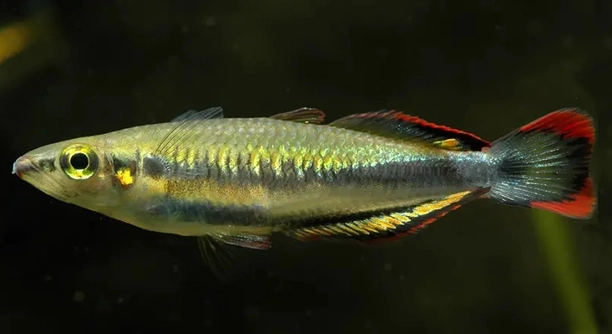
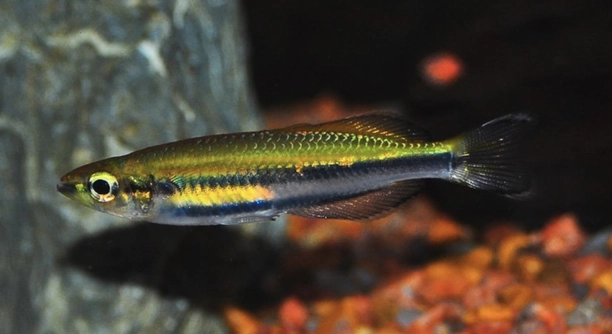
Are Rainbowfish Drawn to Motion or Stillness?

Do you ever notice your rainbowfish gliding gracefully through the tank and wonder what really catches their attention? Observing their behavior can be both relaxing and surprising, revealing subtle patterns in how they react to their surroundings. Rainbowfish are generally more attracted to motion than stillness. Moving objects, whether other fish or objects in the … Read more

What Time of Day Are Rainbowfish Most Active?

Rainbowfish are vibrant, small freshwater fish that brighten up any aquarium. Observing their behavior can be both relaxing and rewarding, especially when you notice how active they are throughout the day. Their movement adds life to any tank. Rainbowfish are most active during daylight hours, particularly in the morning and late afternoon. Their activity peaks … Read more

7 Things Rainbowfish Do When They’re Content

Rainbowfish show subtle behaviors that reflect comfort and balance in their environment, offering calm signals aquarists can observe daily, from gentle swimming patterns to relaxed social interactions within a stable, well maintained aquarium setting home. Content rainbowfish display consistent swimming, clear coloration, steady feeding responses, and cooperative schooling behavior. These indicators arise from proper water … Read more

7 Subtle Ways to Read Rainbowfish Behavior

Watching rainbowfish swim in their tank can be calming, yet their movements often hide subtle messages. Observing them carefully can help you understand their moods, social interactions, and overall health in a gentle, friendly way. Rainbowfish exhibit behaviors that indicate stress, social hierarchy, feeding patterns, and breeding readiness. Careful observation of fin movements, color changes, … Read more

7 Things That Could Frighten Your Rainbowfish

Rainbowfish are known for their vibrant colors and active nature, making them a delightful addition to any home aquarium. Observing them swim gracefully can bring a sense of calm and enjoyment to your daily routine. Rainbowfish can experience fear from sudden loud noises, rapid movements in the tank, aggressive tankmates, poor water quality, drastic temperature … Read more

Why Rainbowfish Act Differently in Groups

Rainbowfish are small, colorful freshwater fish often seen swimming in lively groups. Their behavior changes noticeably when they gather, showing different movement patterns, feeding habits, and social interactions compared to when they are alone in a tank. Rainbowfish exhibit group-based behaviors primarily for safety, social hierarchy, and efficient foraging. Swimming in schools reduces predation risk, … Read more

7 Signs Your Rainbowfish Tank Needs Changing

Have you ever looked at your rainbowfish tank and felt unsure about how healthy the water is, even when everything seems calm and steady, leaving you wondering if a change might be needed soon there. Regular water changes become necessary when waste levels rise, oxygen decreases, or clarity declines. These conditions stress rainbowfish and disrupt … Read more

Why Do Some Rainbowfish Stop Interacting?

Have you ever noticed your rainbowfish becoming quiet and distant in the aquarium, leaving you unsure about what changed and hoping to understand what might be affecting their social daily behavior in their shared space. Rainbowfish often stop interacting due to environmental stress, inconsistent water parameters, inadequate group sizes, or health concerns. These factors disrupt … Read more

7 Signs Your Tank Is Too Crowded

Are your fish starting to bunch together in a tank that feels smaller every day, leaving you unsure about their comfort and overall wellbeing as they try to swim and settle peacefully in their home. Overcrowding in an aquarium occurs when the available space, filtration capacity, and oxygen levels cannot support the number of fish … Read more