7 Things to Watch During Feeding Time

Do you ever find yourself watching feeding time and noticing small details that feel important yet easy to miss, especially when daily routines move quickly and distractions are common around pets, livestock, or wildlife care? Feeding time reveals critical indicators of health, behavior, and environment. Observing appetite, posture, interaction, pacing, and consumption consistency allows early … Read more

Do Rainbowfish Enjoy Watching Movement?

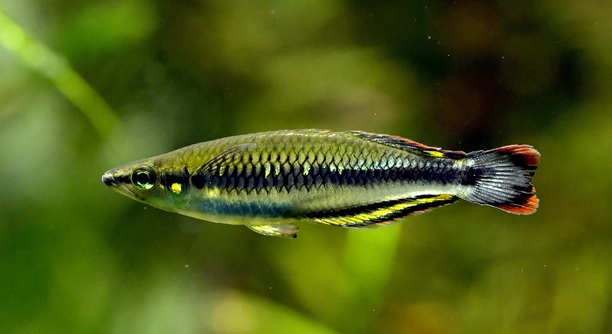
Rainbowfish are colorful freshwater fish that brighten up any aquarium. They are active swimmers and often interact with their surroundings, making them fascinating to watch in home tanks and natural habitats alike. Rainbowfish do respond to movement in their environment. Observations show they follow moving objects with their eyes and adjust their swimming patterns accordingly. … Read more

Can Rainbowfish Be Picky Eaters?

Rainbowfish are popular choices for home aquariums due to their bright colors and lively behavior. Many aquarium owners enjoy watching them interact, yet feeding these fish can sometimes present unexpected challenges. Their eating habits vary more than one might expect. Rainbowfish can exhibit selective feeding behaviors, making them appear picky eaters. This tendency is influenced … Read more

Why Is My Rainbowfish Always on the Bottom?

Do you ever notice your rainbowfish lingering at the bottom of the tank, away from the middle and top areas where they usually swim freely? It can feel unusual and worrying, especially if your fish is normally active and bright. Rainbowfish staying on the bottom is often caused by stress, poor water quality, illness, or … Read more

7 Things That Can Confuse Rainbowfish Daily

Rainbowfish are bright, lively, and full of personality, but their behavior can sometimes be puzzling for caretakers. Observing them closely often reveals small habits and reactions that may seem confusing at first glance. Several factors can confuse rainbowfish daily, including sudden changes in water temperature, inconsistent lighting, unfamiliar tank mates, varying diet, excess noise or … Read more

7 Reasons Your Fish Avoids the Front Glass

Are your fish constantly swimming away when you approach the front glass of the tank? Many aquarists notice this behavior and wonder why their fish seem to avoid the area closest to them. Fish often avoid the front glass due to stress, reflections, sudden movements, or environmental changes. Other factors include water quality, tank setup, … Read more

7 Reasons Rainbowfish May Hide More at Night

Rainbowfish are known for their bright colors and active daytime behavior, yet many owners notice them retreating after dark. This article gently introduces the natural and environmental reasons behind nighttime hiding patterns in home aquariums. Rainbowfish hide more at night due to circadian rhythms, light perception, and predator avoidance instincts. Darkness signals rest periods, lowers … Read more

Can Rainbowfish Learn from Repetition?

Have you ever noticed rainbowfish swimming in patterns, seemingly following the same paths over and over again? Observing their behavior can be fascinating, especially when they respond to repeated cues in their environment. Rainbowfish can learn from repetition through consistent exposure to stimuli. Studies show that repeated experiences help them recognize patterns, adjust behaviors, and … Read more

Why Do Rainbowfish Suddenly Lose Interest?

Are your rainbowfish suddenly swimming away from areas they once explored eagerly? Many fish owners notice this shift in behavior, which can be surprising and concerning. Understanding the reasons behind this change helps ensure a healthy and happy aquarium. Rainbowfish often lose interest due to changes in water quality, temperature fluctuations, stress from overcrowding, or … Read more

7 Signs Your Fish Needs More Room to Swim

Do your fish seem restless or constantly swim in circles, barely exploring their tank? Many aquarium owners notice changes in behavior but may not realize their fish need more swimming space to thrive. A fish requiring additional room often shows signs such as rapid swimming, damaged fins, or stunted growth. Providing a larger, well-maintained tank … Read more