
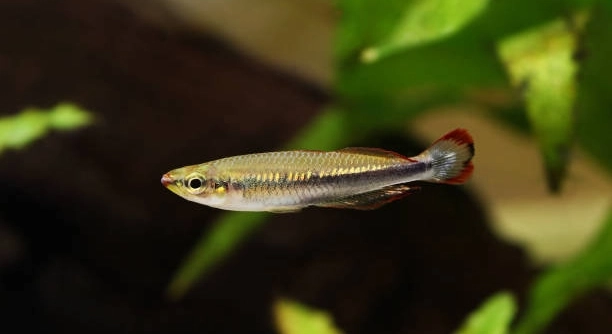
Are your fish constantly swimming away when you approach the front glass of the tank? Many aquarists notice this behavior and wonder why their fish seem to avoid the area closest to them.
Fish often avoid the front glass due to stress, reflections, sudden movements, or environmental changes. Other factors include water quality, tank setup, and natural instincts that make fish seek shelter away from perceived threats in their surroundings.
Understanding these reasons will help you create a more comfortable and engaging environment for your fish. Proper adjustments can encourage healthier behavior and a more interactive tank experience.
Stress and Sudden Movements
Fish are sensitive to movement and changes around their tank. If someone walks by quickly, taps on the glass, or makes sudden gestures, fish can interpret this as a threat. Even shadows from overhead lighting or nearby objects can startle them. Stress affects their behavior and can lead to hiding or avoiding the front glass. Frequent exposure to such disturbances may reduce their comfort level in the tank and increase anxiety. Over time, stressed fish may display slower swimming, loss of appetite, or changes in coloration. Creating a calm environment and minimizing abrupt actions around the tank helps fish feel more secure. They respond to steady, gentle movement rather than quick or unexpected interactions. Adjusting lighting to reduce glare and avoiding tapping on the glass can make a noticeable difference. Consistent routines and careful handling contribute to reducing stress, helping fish interact more confidently with their surroundings and with people observing them.
Stress in fish can often be reduced by slow, steady movements and gentle lighting adjustments around the tank.
By observing your fish carefully, you can identify stress triggers and adjust the environment. Providing hiding spots, keeping a consistent feeding schedule, and avoiding sudden disturbances improves their comfort. Environmental enrichment, like plants or decorations, gives them areas to explore and feel secure. Over time, this reduces anxiety and encourages more natural behavior, making them less likely to avoid the front glass. Regular water checks, maintaining stable temperatures, and minimizing loud noises nearby also support their wellbeing. Each adjustment contributes to creating a calm and safe habitat where fish can thrive, show their natural colors, and interact without fear.
Reflections on the Glass
Fish may see their own reflections in the glass and mistake them for other fish. This can make them shy away or swim erratically.
Reflections can confuse fish, making them perceive competition or threat where none exists.
Excessive reflections occur in bright rooms or when the tank is well-lit but the surroundings are dark. Some fish species are more territorial and react strongly to seeing what appears to be another fish. They may display defensive behaviors or retreat to hiding areas. Reducing reflections can involve adjusting lighting angles, using background colors, or placing objects outside the tank to minimize mirrored images. Over time, minimizing reflections helps fish feel less threatened and more comfortable approaching the front of the tank. Regularly observing how your fish react to their environment allows you to make small, effective changes that encourage calmer behavior and more interaction.
Water Quality Issues
Poor water conditions can make fish uncomfortable and cause them to avoid the front glass. High ammonia, nitrite, or nitrate levels, as well as improper pH, can stress fish and affect their behavior.
Maintaining clean, balanced water is essential for healthy fish. Regular water changes, proper filtration, and testing for ammonia, nitrites, nitrates, and pH keep the environment stable. Fish are highly sensitive to chemical imbalances, and even slight changes can make them retreat from areas they normally explore. Consistent maintenance, including removing debris and uneaten food, reduces toxins that harm fish and encourages natural behavior. When water quality is poor, fish may stay hidden or avoid the glass entirely, signaling discomfort or distress.
Using water conditioners, testing kits, and keeping a schedule for partial water changes can prevent water-related stress. This ensures fish remain active, healthy, and more likely to swim near the front of the tank without hesitation or fear.
Tank Layout and Hiding Spots
A crowded tank or lack of hiding spaces can affect how fish behave. Fish need areas to retreat when they feel threatened.
Proper tank layout encourages comfort and natural activity. Adding plants, rocks, or decorations provides hiding spots and reduces stress. Fish that have adequate shelter feel safer and are more likely to explore. Open spaces near the front glass without cover can make fish feel exposed, prompting them to avoid those areas. Observing how fish use the environment helps identify where additional shelters may be needed.
Balancing open swimming areas with sufficient cover creates a comfortable habitat. Decorations should be arranged to allow movement while giving fish options for hiding. Plants can serve multiple purposes, including shade, shelter, and a sense of security. Adjusting layout based on fish behavior helps them feel confident and reduces avoidance of the front glass.
Overcrowding
Too many fish in a tank can make individuals feel stressed and insecure. Overcrowding increases competition for space, food, and hiding spots, causing some fish to avoid the front glass entirely.
Providing enough room for each fish is crucial. Overcrowded tanks can lead to aggression and stress, making shy fish retreat.
Sudden Changes in Environment
Fish are sensitive to changes in lighting, temperature, or decorations. Sudden adjustments can make them feel unsafe and prompt them to hide. Maintaining a stable environment ensures fish feel secure and are more likely to explore areas near the front glass.
Fear of Predators
Even small external movements, like shadows or reflections from nearby pets, can trigger fear. Fish instinctively avoid potential threats to stay safe.
FAQ
Why does my fish swim away when I approach the tank?
Fish are naturally cautious creatures. Sudden movements, tapping on the glass, or shadows can trigger their instinct to flee. They may interpret your approach as a potential threat. Over time, creating a calm environment and moving slowly around the tank can help them feel safer.
Can reflections in the glass cause my fish to avoid the front?
Yes. Reflections can confuse fish, making them think another fish is intruding in their space. Territorial species are especially sensitive and may retreat to hiding spots. Adjusting lighting, using tank backgrounds, or placing objects outside the tank can reduce reflections.
How often should I check water quality?
Regular testing is important. Ammonia, nitrite, nitrate, and pH levels should be checked at least once a week. Fish are sensitive to chemical imbalances, and poor water quality can cause stress, hiding, or unusual swimming patterns. Maintaining clean water keeps fish healthy and more active.
Do tank decorations really make a difference?
Yes. Plants, rocks, and other hiding spots give fish security and reduce stress. Fish feel safer when they have areas to retreat to. A well-planned layout balances open swimming areas with sufficient cover, encouraging natural behavior and more interaction near the front glass.
Can overcrowding cause avoidance behavior?
Absolutely. Too many fish increase competition for space and resources. Shy or smaller fish may feel threatened and hide more often. Ensuring proper stocking levels for your tank size allows all fish to have space to swim comfortably and reduces avoidance behaviors.
How do lighting changes affect fish behavior?
Sudden changes in lighting can startle fish. Bright lights, glare, or shadows can make them feel exposed. Gradual adjustments in lighting and avoiding direct light on the glass can help fish feel secure and more willing to explore areas near the front of the tank.
Does temperature fluctuation influence front glass avoidance?
Yes. Fish are sensitive to temperature changes. Even small shifts can make them feel stressed. Maintaining stable water temperature appropriate for the species keeps them healthy and confident. Sudden drops or rises may cause them to hide or swim away from the front glass.
Can external activity scare my fish?
Definitely. Pets, children, or people moving near the tank can make fish nervous. They rely on their instincts to avoid danger. Limiting high-traffic areas near the tank and observing their reactions helps reduce stress and encourages natural swimming patterns.
Will fish eventually get used to me being near the tank?
Most fish can adapt with patience. Consistent, gentle movements, feeding routines, and a stable environment allow them to recognize that you are not a threat. Over time, they may swim closer to the glass and appear more comfortable with your presence.
Are some species more likely to avoid the front glass?
Yes. Shy or territorial species, such as certain cichlids or schooling fish, are naturally more cautious. Understanding the personality and behavior of your fish species helps tailor the tank environment and interaction methods to reduce avoidance.
Can stress from multiple factors combine to make fish avoid the glass?
Absolutely. Stressors such as poor water quality, reflections, overcrowding, sudden movements, and environmental changes can all add up. Each factor may seem minor alone, but together, they can make fish consistently avoid the front glass. Addressing all these elements improves comfort and behavior.
How can I encourage fish to swim near the front?
Providing hiding spots, consistent feeding schedules, stable water conditions, and minimal disturbances helps. Gradually spending time near the tank without sudden movements builds trust. Some fish may never fully overcome natural caution, but these steps improve interaction and visibility.
Is it normal for fish to hide sometimes?
Yes. Hiding is a natural behavior that helps fish feel safe. Even in well-maintained tanks, occasional hiding is normal. Observing their patterns helps distinguish between normal behavior and stress-related avoidance, allowing for timely adjustments in care and environment.
How long does it take for fish to adjust to a new tank?
Adjustment can vary depending on species and tank conditions. Some fish acclimate within days, while others may take weeks. Providing hiding spots, stable water conditions, and minimal disturbances accelerates comfort, encouraging exploration and reducing avoidance of the front glass.
Fish behavior can sometimes be puzzling, especially when they consistently avoid the front glass of the tank. This is a common experience for many fish owners, and it usually has simple explanations related to their environment and instincts. Fish are naturally cautious creatures, and they rely on their senses to detect potential threats. Sudden movements, shadows, reflections, or even changes in lighting can make them feel unsafe, causing them to swim away or hide. Avoiding the front glass is often a response to stress or discomfort rather than a sign of illness. Paying attention to their daily routines and how they interact with their environment can provide valuable insights into what might be affecting their behavior. Observing fish carefully and making small adjustments can help create a safer and more comfortable space for them.
Water quality is another crucial factor that affects fish behavior. High levels of ammonia, nitrites, or nitrates, as well as improper pH, can stress fish and make them reluctant to approach the front glass. Regular water changes, proper filtration, and monitoring chemical levels ensure that the tank remains balanced and safe. Clean water not only supports their overall health but also encourages natural swimming and exploratory behavior. Additionally, the layout of the tank plays an important role. Providing adequate hiding spots, plants, and decorations allows fish to feel secure while still offering open swimming areas. Fish are more likely to venture near the glass when they know they have safe areas to retreat to. Overcrowding should also be avoided, as it can increase stress and competition for resources. Ensuring proper stocking levels allows each fish to have enough space and reduces behaviors like hiding or avoidance.
Finally, it is important to recognize that some fish may always be more cautious than others, depending on their species and temperament. Shy or territorial fish may take longer to adjust to human presence or a new tank environment. Patience and consistency are key when encouraging them to feel comfortable near the front glass. Gradual exposure to movement, maintaining a stable environment, and minimizing disturbances all contribute to building their confidence. Over time, most fish can learn to feel secure and may swim closer to the front glass more frequently. Observing their behavior, maintaining optimal water conditions, and providing a thoughtfully arranged tank are the most effective ways to support their comfort. Understanding these factors allows owners to create a healthy, engaging, and stress-free environment that encourages fish to display natural behaviors without fear.

Hello,
If you enjoy the content that we create, please consider saying a "Thank You!" by leaving a tip.
Every little bit helps us continue crafting quality advice that supports the health, happiness, and well-being of pets around the world, for pets of all shapes, sizes, and species.
We really appreciate the kindness and support that you show us!