How to Tame a Shy Rainbowfish

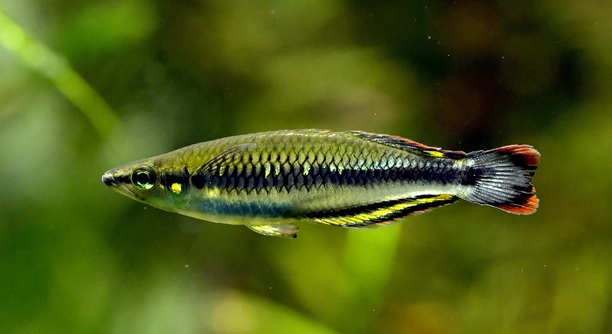
Many aquarium owners enjoy the vibrant colors of rainbowfish but struggle with their naturally shy behavior. These fish often hide in corners and avoid interaction, making it difficult to appreciate their full beauty and personality. The most effective method to tame a shy rainbowfish involves creating a consistent, calm environment. Gradually introducing your presence, offering … Read more
7 Ways to Prevent Fungal Infections in Fish

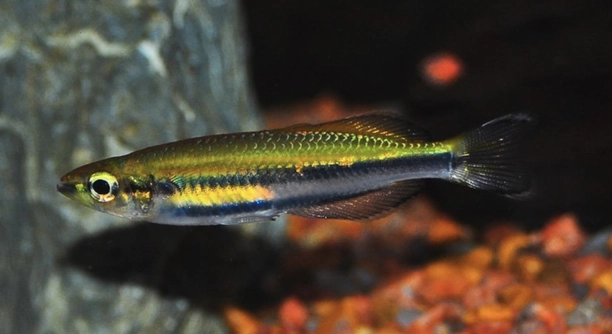
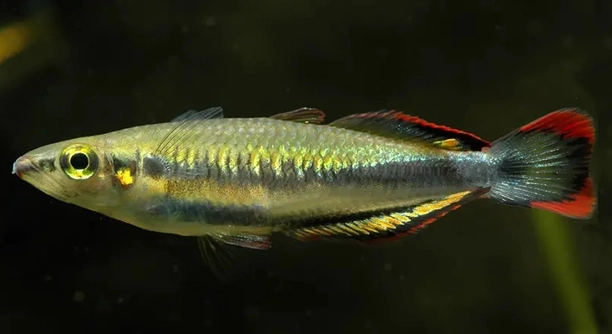
Have you ever found yourself caring for fish and worrying about their health as you try to maintain a clean tank that prevents common issues that can affect their well being in aquariums everyday care. Preventing fungal infections in fish relies on maintaining stable water conditions, reducing organic waste, quarantining new arrivals, and supporting overall … Read more

7 Subtle Signals of Tank Discomfort

Have you ever noticed your fish acting unusually restless in their tank? Sometimes, subtle changes in behavior or appearance can indicate that your tank environment is causing discomfort. Observing closely can help prevent bigger issues. Fish often display discomfort through subtle signals such as erratic swimming, hiding, rapid gill movement, or faded colors. These signs … Read more

Why Rainbowfish Linger by the Filter

Are your rainbowfish constantly hovering near the filter, seemingly ignoring other areas of the tank? Many aquarists notice this behavior and wonder why these colorful fish prefer to linger in one spot for extended periods. Rainbowfish tend to stay near the filter because it provides a combination of steady water flow, increased oxygenation, and a … Read more

7 Ways to Improve Water for Rainbowfish

Keeping rainbowfish happy in your tank starts with clean and balanced water. Many owners focus on feeding and decorations but forget that water quality directly affects the health, colors, and overall well-being of these delicate fish. Improving water for rainbowfish involves controlling parameters such as pH, temperature, and hardness, along with regular water changes and … Read more

Do Rainbowfish Remember Their Tankmates?

Rainbowfish are colorful and active fish often kept in home aquariums. Many aquarists enjoy watching how they interact with each other throughout the day in a shared tank environment. Observing their social behavior can be quite engaging. Rainbowfish do have the ability to remember their tankmates. Studies show that they recognize familiar individuals and adjust … Read more

Why Rainbowfish Might Swim in Circles

Have you ever noticed your rainbowfish swimming in circles, creating a gentle pattern that feels unusual but consistent in the aquarium environment, especially during calm moments when lighting, water flow, and daily routines remain unchanged? Rainbowfish commonly swim in circles due to environmental stress, neurological responses, or spatial disorientation. Factors such as inconsistent water parameters, … Read more

7 Things You Didn’t Know Stress Fish Out

Stress affects our daily lives more than we often notice. Even small pressures at work, home, or school can have surprising effects on our bodies and minds. Understanding these reactions helps us manage them better. Stress triggers a wide range of biological and behavioral responses in fish. Elevated cortisol levels influence metabolism, immune function, and … Read more

7 Tank Setup Mistakes That Harm Rainbowfish

Keeping rainbowfish can be a joyful hobby, but even small mistakes in their tank setup can cause stress and health problems. Many new fish owners overlook details that significantly impact their fish’s well-being. Proper care starts with understanding these basics. Rainbowfish often suffer from preventable issues due to incorrect tank setup. Common mistakes include poor … Read more

Are Rainbowfish Active Right After Feeding?

Have you ever watched your rainbowfish after a meal and noticed how their behavior shifts in subtle ways that catch your attention, offering a glimpse into their natural rhythms within the setting of your aquarium. Rainbowfish typically become more active after feeding as the energy boost supports increased movement. This rise in activity reflects their … Read more