
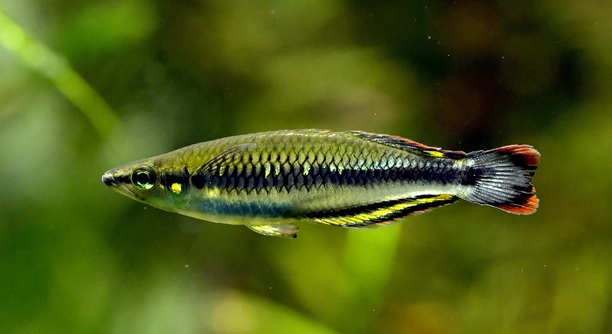
Rainbowfish are popular choices for home aquariums due to their bright colors and lively behavior. Many aquarium owners enjoy watching them interact, yet feeding these fish can sometimes present unexpected challenges. Their eating habits vary more than one might expect.
Rainbowfish can exhibit selective feeding behaviors, making them appear picky eaters. This tendency is influenced by factors such as diet variety, water quality, age, and individual preferences, which impact their willingness to accept certain foods in captivity.
Learning how to manage their selective habits ensures they receive proper nutrition and maintain vibrant health in your aquarium environment. Proper care supports both their well-being and visual appeal.
Understanding Rainbowfish Eating Habits
Rainbowfish often display selective eating, which can be puzzling for aquarium owners. Their preferences depend on individual temperament, age, and prior feeding experiences. Younger fish usually accept a wider variety of foods, while adults may show stronger preferences. Offering a consistent feeding schedule and diverse diet encourages them to eat regularly. Some Rainbowfish favor live or frozen foods over dry flakes, which can lead to apparent pickiness. Observing their behavior during feeding helps identify which foods they prefer and which they avoid. Gradually introducing new foods alongside their favorites can increase acceptance. Maintaining water quality also influences appetite, as stressed fish may refuse food. Over time, patience and careful observation allow owners to meet their fish’s nutritional needs while minimizing wasted food. Paying attention to their reactions ensures they remain healthy and active in the aquarium environment.
Feeding small amounts several times a day prevents overfeeding and helps maintain a healthy appetite.
Rainbowfish have a natural inclination toward variety, and balancing their diet with flakes, frozen, and live foods supports both growth and color vibrancy. By adjusting portions and mixing familiar favorites with new options, owners can reduce selective feeding. Monitoring water parameters and minimizing stress ensures a stable environment where Rainbowfish feel secure enough to eat consistently. Small changes in diet presentation, like placing food in different tank areas or using feeding tools, can also improve acceptance. Over time, these steps lead to more predictable eating habits while supporting overall health. Consistency and careful observation are key in managing picky behavior effectively.
Common Reasons Rainbowfish Refuse Certain Foods
Rainbowfish may avoid food due to stress, water changes, or illness.
Stress, illness, or unsuitable tank conditions often lead to food refusal. Changes in water temperature, pH, or the presence of aggressive tank mates can reduce appetite. Some Rainbowfish reject unfamiliar foods until they feel safe, while others need gradual introduction to new diets. Consistently observing their behavior helps identify underlying issues and adjust feeding strategies.
Dietary variety is essential for Rainbowfish, but refusal can indicate underlying concerns. Live foods like brine shrimp or daphnia often attract attention, while flakes may be ignored at first. Monitoring feeding patterns helps detect early signs of health issues. Stress from overcrowding or sudden changes in environment can also reduce willingness to eat, making it important to maintain stable water conditions. Rotating foods and offering favorites with new items increases acceptance. Age plays a role, as younger Rainbowfish are generally less selective. Over time, understanding each fish’s preferences allows for a balanced diet, ensuring they stay vibrant and healthy. Observing their habits closely and making incremental adjustments creates a feeding routine that meets nutritional needs without causing stress.
Tips for Encouraging Better Eating
Offering a mix of flakes, frozen, and live foods increases acceptance. Feeding in small amounts multiple times a day prevents waste. Observing their reactions helps identify preferences and adjust portions accordingly. Consistency is key to reducing selective behavior and maintaining health.
Introducing new foods gradually is often the most effective method. Start by combining a small portion of the unfamiliar item with a favorite food. Over several feedings, slowly increase the new food’s proportion while monitoring whether the fish eat it willingly. This reduces stress and encourages Rainbowfish to expand their diet. Avoid sudden changes, as abrupt switches can lead to food refusal and nutritional gaps. Maintaining a calm and stable tank environment further supports acceptance of new foods.
Feeding tools like tweezers or floating rings can also help. Placing food near the surface or in different tank areas encourages exploration. Observation and small adjustments create a routine that meets their dietary needs while supporting growth and vibrant colors.
Monitoring Health Through Feeding Patterns
Consistent feeding habits provide insight into Rainbowfish health. Appetite changes often indicate stress, illness, or poor water quality.
A decline in eating may signal digestive issues, parasites, or other underlying conditions. Noting which foods are refused can help identify problems early. Maintaining proper tank conditions, including temperature, pH, and cleanliness, supports both appetite and overall well-being. Tracking daily consumption helps owners detect subtle shifts in behavior, allowing timely adjustments. Feeding multiple small portions encourages regular eating and reduces stress. Stress from overcrowding or aggressive tank mates also impacts feeding. Observing how Rainbowfish interact during meals can reveal social dynamics affecting appetite. Regular monitoring ensures nutritional needs are met while preventing health issues.
Rainbowfish thrive when their feeding patterns are consistent and their environment stable. By paying attention to behavior, water quality, and diet variety, owners can prevent picky eating from affecting health. Offering live foods alongside flakes encourages activity and appetite, while rotating diet options maintains interest. Small changes in food placement, quantity, or timing often improve intake. Illness, stress, or environmental shifts may require temporary dietary adjustments or veterinary consultation. Keeping a detailed log of feeding behavior helps track progress and detect early warning signs. Understanding individual preferences and needs allows owners to maintain vibrant, healthy Rainbowfish. Consistent care and careful observation support long-term well-being in the aquarium.
Adjusting Diet for Picky Rainbowfish
Offering a variety of food types keeps Rainbowfish interested. Switching between flakes, frozen, and live options encourages them to eat consistently and reduces selective behavior.
Smaller, frequent feedings are more effective than one large meal. This helps maintain appetite and prevents overeating, ensuring fish remain healthy and active.
Recognizing Preferred Foods
Rainbowfish often show clear preferences for certain foods. Live options like brine shrimp or daphnia are usually more appealing than flakes. Monitoring which items they consume quickly helps identify favorites. Once preferred foods are established, they can be mixed with new items to gradually expand their diet. Observation is key to ensuring they receive balanced nutrition without stress.
Avoiding Overfeeding
Too much food can lead to health issues and waste. Careful portioning keeps Rainbowfish healthy and prevents water contamination.
FAQ
Why are my Rainbowfish refusing certain foods?
Rainbowfish may refuse food for several reasons. Stress from overcrowding, aggressive tank mates, or sudden water changes can reduce appetite. Illness or digestive issues also make them selective. Some Rainbowfish simply prefer specific textures or flavors. Observing their reactions during feeding helps determine why they are avoiding certain foods. Gradually introducing new items alongside favorites can improve acceptance over time.
How can I get picky Rainbowfish to eat flakes?
Start by mixing flakes with foods they already enjoy, like frozen or live options. Slowly increase the proportion of flakes while maintaining consistency in feeding times. Breaking flakes into smaller pieces or soaking them briefly can make them easier to accept. Using feeding rings or placing flakes in different areas of the tank may encourage exploration and consumption. Patience is key, as abrupt changes often lead to refusal.
Is it normal for Rainbowfish to prefer live food?
Yes, many Rainbowfish show a natural preference for live foods such as brine shrimp or daphnia. Live food provides movement, which stimulates hunting instincts and encourages feeding. Offering live food alongside flakes or frozen items can maintain their interest in eating while providing a balanced diet. Over time, they may become more accepting of non-live options when gradually introduced.
How often should I feed my Rainbowfish?
Feeding small amounts two to three times a day is recommended. This prevents overfeeding, reduces waste, and keeps appetite consistent. Dividing daily portions into multiple feedings ensures that all fish get access to food and supports healthy growth. Avoid leaving excess food in the tank, as it can degrade water quality and stress the fish.
Can water quality affect eating habits?
Absolutely. Poor water conditions, such as incorrect temperature, pH imbalance, or high ammonia levels, can reduce appetite. Rainbowfish are sensitive to environmental changes, and stress caused by water issues often results in selective feeding or refusal to eat. Regular testing and maintenance of water parameters support healthy eating habits and overall well-being.
What should I do if my Rainbowfish stops eating completely?
A sudden loss of appetite may indicate illness, stress, or water quality issues. Check water parameters and ensure the tank environment is stable. Examine the fish for visible signs of disease or parasites. Offering live foods can stimulate feeding instincts, and separating aggressive tank mates may reduce stress. If the problem persists, consult a veterinarian experienced with fish health.
Can age affect Rainbowfish eating behavior?
Yes, younger Rainbowfish are generally less selective and more willing to try different foods. Adults can develop stronger preferences and appear picky. Adjusting diet presentation and gradually introducing new foods helps maintain balanced nutrition throughout their life stages. Consistent monitoring is essential for both young and mature fish.
Are there feeding tools that can help picky eaters?
Feeding rings, tweezers, or floating dishes can encourage exploration and targeted feeding. These tools help control food placement, reduce waste, and allow observation of which fish are eating. Using them alongside small, frequent feedings supports healthier habits and minimizes stress in the tank.
How can I tell if my Rainbowfish is getting enough nutrition?
Healthy Rainbowfish are active, brightly colored, and show consistent growth. Uneaten food, faded coloration, or lethargy may indicate insufficient nutrition or improper feeding. Offering a balanced diet of flakes, frozen, and live foods while monitoring consumption ensures that each fish meets its dietary needs.
What is the best way to introduce new foods?
Introduce new foods gradually, mixing them with favorites. Start with small amounts and increase slowly over several feedings. Observe reactions and adjust based on acceptance. Maintaining consistent feeding times and a calm environment encourages trial and reduces stress, helping Rainbowfish expand their diet safely.
This FAQ provides practical guidance for managing picky eating, promoting health, and ensuring Rainbowfish thrive in a home aquarium.
Rainbowfish can sometimes seem picky, but their behavior is usually a result of natural preferences, environmental conditions, or age. Understanding that each fish is an individual helps in managing their eating habits effectively. Some Rainbowfish may favor live food due to movement, while others prefer flakes or frozen options. By observing their reactions and adjusting feeding strategies, owners can ensure their fish receive proper nutrition. Consistency in feeding times and careful monitoring of portions also reduces stress and encourages regular eating. Paying attention to these details helps create a stable environment where Rainbowfish feel comfortable exploring different foods.
Maintaining water quality and a calm tank environment plays a significant role in Rainbowfish feeding behavior. Stress from poor water conditions, overcrowding, or aggressive tank mates can reduce appetite and make them appear selective. Monitoring parameters such as temperature, pH, and ammonia levels ensures the fish remain healthy and active. Introducing new foods gradually, mixing them with familiar favorites, and offering variety in textures and types helps Rainbowfish accept a balanced diet. Small, frequent feedings are more effective than one large meal and prevent overeating while keeping appetite consistent. Over time, these methods encourage fish to expand their diet without causing unnecessary stress or frustration.
Patience and observation are key to managing picky Rainbowfish. Tracking daily feeding patterns allows owners to detect changes in behavior that may indicate stress, illness, or environmental issues. Using tools like feeding rings or tweezers can improve food accessibility and help maintain proper nutrition. Recognizing individual preferences and accommodating them within a balanced diet ensures both health and vibrant coloration. By focusing on diet variety, environmental stability, and careful monitoring, owners can support their Rainbowfish in developing consistent eating habits. With attentive care, these fish can thrive, remain active, and bring lasting enjoyment to the aquarium.

Hello,
If you enjoy the content that we create, please consider saying a "Thank You!" by leaving a tip.
Every little bit helps us continue crafting quality advice that supports the health, happiness, and well-being of pets around the world, for pets of all shapes, sizes, and species.
We really appreciate the kindness and support that you show us!