
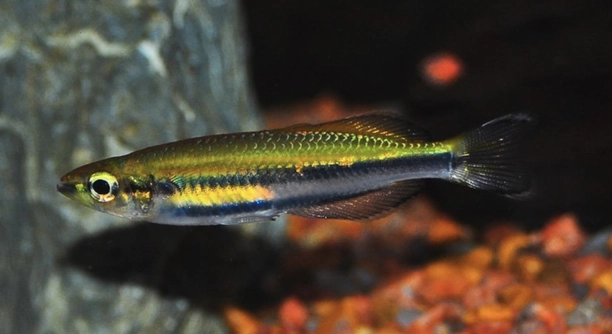
Rainbowfish are bright, lively, and full of personality, but their behavior can sometimes be puzzling for caretakers. Observing them closely often reveals small habits and reactions that may seem confusing at first glance.
Several factors can confuse rainbowfish daily, including sudden changes in water temperature, inconsistent lighting, unfamiliar tank mates, varying diet, excess noise or vibrations, improper tank setup, and stress from overcrowding. Each factor impacts their behavior and overall well-being.
Learning how these everyday factors influence rainbowfish helps owners provide a stable and healthy environment. Understanding these habits is key to ensuring their happiness and long-term care.
Sudden Changes in Water Temperature
Rainbowfish are sensitive to fluctuations in water temperature, which can trigger stress or unusual behavior. Even a small shift of a few degrees can make them hesitant to swim actively or interact with tank mates. Maintaining a stable environment is essential for their health and comfort. Sudden temperature changes can result from adding untreated water, poor heater regulation, or leaving the tank exposed to drafts or sunlight. Monitoring the water daily ensures stability, helping rainbowfish feel secure. Stress caused by temperature shifts may reduce their appetite, increase hiding behavior, or even cause temporary color fading. Using a reliable aquarium thermometer and adjusting heaters gradually can minimize these disturbances. Consistent water conditions support their immune system and overall well-being. Observing how your rainbowfish react to changes can guide adjustments and improve their daily environment, allowing them to display natural behaviors confidently and calmly.
Temperature stability is key for rainbowfish to thrive, preventing stress-related behaviors and maintaining health.
Proper regulation of tank temperature fosters an environment where rainbowfish remain active, display vibrant colors, and interact naturally. Gradual adjustments and careful monitoring reduce stress responses, ensuring their comfort. Consistency allows predictable patterns in swimming, feeding, and social interactions. Avoid placing tanks near windows, vents, or areas with fluctuating temperatures. Even minor daily fluctuations can cause subtle stress, impacting immune responses. Combining heaters with thermometers provides precise control, while insulated coverings can prevent sudden cold exposure. Observing the fish’s response during maintenance or water changes helps identify potential stress triggers early. Stress prevention through temperature management supports long-term vitality, reduces susceptibility to disease, and encourages more natural behaviors. Ensuring a stable aquatic environment allows rainbowfish to adapt comfortably, maintain energy, and exhibit the vibrant patterns and activity levels expected from healthy fish.
Inconsistent Lighting
Rainbowfish require consistent lighting to regulate daily activity patterns and maintain natural coloration. Irregular or overly bright light can make them hesitant or restless.
Improper lighting disrupts natural rhythms, affecting feeding schedules, swimming patterns, and overall stress levels. Regular timers help maintain stability.
Unfamiliar Tank Mates
Introducing new fish can unsettle rainbowfish, especially if the newcomers are aggressive or overly active. Social dynamics shift, causing hesitation, hiding, or occasional skirmishes as they adjust to the new presence.
Rainbowfish are naturally social but prefer compatible companions. Adding unfamiliar tank mates can trigger territorial behavior or stress, affecting swimming patterns and feeding. They may retreat to corners or remain near plants, avoiding direct interaction. Gradual introductions and monitoring reactions help reduce conflict. Choosing species with similar size, temperament, and water requirements ensures smoother integration. Observation during the first week is critical, as it reveals early signs of tension or dominance struggles. Adjusting tank setup with additional hiding spots can ease stress.
Providing ample space and visual barriers allows rainbowfish to maintain personal territory. Even minor disturbances can lead to color fading or reduced appetite. Regular monitoring ensures early intervention and promotes harmony, making social interactions more predictable and stress-free.
Varying Diet
Rainbowfish benefit from a consistent, balanced diet, and sudden changes can disrupt digestion and daily behavior.
A diet that fluctuates frequently can lead to confusion and reduced feeding efficiency. Rainbowfish thrive on a mix of high-quality flakes, pellets, and occasional live or frozen foods. Abruptly switching brands or food types may cause hesitation or disinterest during feeding. Nutritional imbalance can weaken their immune system, making them more prone to illness. Gradual introduction of new foods, combined with observation of appetite and behavior, ensures they receive proper nutrition. Maintaining a routine feeding schedule supports consistent energy levels and natural activity.
Incorporating variety carefully is important to meet dietary needs without causing stress. Monitoring how each fish reacts to different foods helps identify preferences, avoid overeating, and maintain optimal health. Structured feeding routines, with measured portions at consistent times, reduce confusion and promote a predictable, stable environment where rainbowfish remain active and healthy. Proper nutrition directly impacts coloration, energy, and social behavior, making careful dietary management essential.
Excess Noise and Vibrations
Rainbowfish are sensitive to vibrations and loud noises near their tank. Frequent disturbances can cause stress, making them hide or swim erratically.
Even minor tapping on the glass, sudden movements nearby, or household appliances can create vibrations that disturb rainbowfish. Reducing external noise helps them stay calm and maintain normal behavior.
Improper Tank Setup
A tank that lacks proper hiding spots, plants, or open swimming areas can confuse rainbowfish. They rely on structure to feel secure, navigate, and interact naturally within their environment. Maintaining a balanced setup supports healthy movement, reduces stress, and encourages normal social behavior.
Overcrowding
Too many fish in a tank can overwhelm rainbowfish, causing stress and limiting space for natural activity.
FAQ
Why do my rainbowfish hide so much?
Rainbowfish hide when they feel stressed, insecure, or threatened. Common triggers include sudden changes in water temperature, aggressive tank mates, loud noises, or insufficient hiding spots. Ensuring a stable environment with plants, decorations, and calm tank mates encourages them to feel secure and swim confidently.
Why are my rainbowfish losing color?
Color fading is often linked to stress, poor diet, or inconsistent lighting. Providing a balanced diet with high-quality flakes or frozen foods, maintaining consistent light cycles, and reducing stress factors can help restore their natural vibrant colors. Healthy water conditions also play a significant role in maintaining coloration.
Why do rainbowfish swim erratically?
Erratic swimming is usually a sign of discomfort or stress. Causes can include water quality issues, sudden temperature changes, overcrowding, or tank vibrations. Monitoring water parameters, adjusting tank setup, and providing adequate space allows rainbowfish to swim normally and reduces stress behaviors.
How often should I feed my rainbowfish?
Feeding two to three times a day in small portions works best. Overfeeding can lead to poor water quality and digestive issues. Offer a mix of flakes, pellets, and occasional live or frozen foods, observing how quickly they consume it to prevent leftovers.
Can rainbowfish live with other species?
Yes, but careful selection is crucial. Choose peaceful fish of similar size and water requirements. Avoid aggressive or overly dominant species. Introducing new fish gradually, with observation and extra hiding spots, helps rainbowfish adjust without stress or territorial conflicts.
What is the ideal tank size for rainbowfish?
A minimum of 30 gallons is recommended for a small group. Larger tanks provide space for swimming and reduce stress from overcrowding. Adequate filtration, water circulation, and decorations for hiding create a healthy and stimulating environment.
Why are my rainbowfish not eating?
Loss of appetite is often due to stress, illness, or sudden changes in diet. Check water quality, temperature, and tank conditions. Offering preferred foods in small amounts and maintaining a consistent feeding schedule helps encourage regular eating habits.
How can I reduce stress for rainbowfish?
Maintain stable water conditions, avoid sudden changes in temperature or lighting, minimize noise, and provide adequate space and hiding spots. Observing their behavior and responding promptly to stress indicators ensures a calm and healthy environment.
Why do rainbowfish jump out of the tank?
Jumping is usually triggered by stress, overcrowding, or poor water conditions. A secure lid, stable water parameters, and enough space for swimming reduce the risk of jumping. Monitoring tank conditions regularly is essential to prevent accidents.
How do I introduce new rainbowfish to my tank?
Acclimate new fish gradually by floating the bag in the tank, slowly mixing tank water over 30–60 minutes. Monitor interactions closely during the first days, providing extra hiding spots. Gradual introductions minimize stress and allow smooth integration with existing fish.
What are common signs of illness in rainbowfish?
Symptoms include loss of appetite, faded colors, clamped fins, erratic swimming, and hiding excessively. Poor water quality, stress, or parasites can trigger illness. Early detection and treatment, along with maintaining stable water parameters, help ensure recovery.
How can I maintain water quality for rainbowfish?
Regular partial water changes, proper filtration, and monitoring pH, ammonia, nitrite, and nitrate levels are key. Avoid overfeeding and overcrowding. Clean decorations and substrate periodically to prevent waste buildup, ensuring a safe and healthy environment for rainbowfish.
Do rainbowfish need a specific water temperature?
Yes, they thrive in temperatures between 74–82°F. Sudden deviations can cause stress or illness. Using a reliable heater and thermometer ensures stable water temperature, supporting activity, color, and overall health.
Why do rainbowfish chase each other?
Chasing is often part of social behavior or establishing hierarchy. While some chasing is normal, excessive aggression may indicate overcrowding or incompatible tank mates. Providing space, hiding spots, and monitoring interactions helps maintain balance and reduces stress.
Can rainbowfish live in a planted tank?
Yes, they enjoy planted tanks, which offer hiding spots and reduce stress. Plants also help maintain water quality. Balance open swimming areas with dense planting to accommodate their active nature.
Why are my rainbowfish floating at the surface?
Floating near the surface can indicate oxygen deficiency, water quality problems, or illness. Check aeration, filtration, and water parameters. Observing their behavior closely helps identify and correct the underlying issue.
How long do rainbowfish live?
Rainbowfish typically live 5–8 years with proper care. Maintaining stable water conditions, balanced diet, and minimal stress contributes to longevity and healthy behavior. Monitoring their health regularly ensures they thrive throughout their lifespan.
What should I do if rainbowfish fight?
Separate aggressive individuals temporarily if necessary. Ensure adequate space, hiding spots, and compatible tank mates. Observing social dynamics helps maintain a peaceful environment and reduces stress-related behaviors.
How much light do rainbowfish need?
Consistent lighting, around 10–12 hours daily, supports natural activity and coloration. Avoid sudden changes or overly bright light, which can cause stress. Timers are helpful to maintain regular cycles.
Why do rainbowfish hide after water changes?
Sudden water changes can confuse or stress them due to shifts in temperature, pH, or other parameters. Gradual changes, proper acclimation, and stable water conditions reduce hiding behavior and maintain normal activity levels.
Final Thoughts
Rainbowfish are active, colorful, and social fish, but they can easily become confused or stressed by changes in their environment. Factors such as sudden temperature shifts, inconsistent lighting, or unfamiliar tank mates often influence their behavior in ways that may seem puzzling. Understanding these triggers helps caretakers provide a stable environment where rainbowfish can thrive. Observing their daily routines, including swimming patterns, feeding habits, and social interactions, allows owners to identify potential stressors early and make adjustments before issues escalate. Small changes, like adding hiding spots or using a timer for lighting, can have a significant positive impact on their comfort and overall well-being. By paying attention to these details, caretakers support not only the physical health of rainbowfish but also their natural behaviors and mental stability.
Nutrition also plays a crucial role in keeping rainbowfish healthy and reducing confusion. A balanced diet consisting of high-quality flakes, pellets, and occasional live or frozen foods ensures they receive the necessary nutrients for energy, growth, and vibrant coloration. Sudden changes in diet or irregular feeding schedules can lead to hesitation or refusal to eat, which in turn can affect their energy levels and social interactions. Feeding small portions consistently, while gradually introducing new foods, helps maintain stability and prevents stress. Overfeeding or inconsistent diet choices can harm water quality, which directly impacts rainbowfish behavior and health. Keeping water parameters stable, performing regular partial water changes, and monitoring for signs of illness are essential practices that complement a proper diet. Together, stable nutrition and water quality provide the foundation for a healthy, active, and confident group of rainbowfish.
Environmental management extends beyond just diet and water conditions. Noise, vibrations, overcrowding, and improper tank setup can all contribute to confusion or stress in rainbowfish. Caretakers can minimize these issues by maintaining a quiet space around the tank, providing adequate space for swimming, and creating territories or hiding spots to reduce social tension. Observing rainbowfish reactions to new additions, environmental adjustments, or daily maintenance helps refine care practices and ensures the fish remain comfortable. Establishing predictable routines, from feeding times to light cycles, fosters a sense of stability that rainbowfish respond to naturally. Paying attention to both the physical and behavioral needs of these fish allows caretakers to address potential problems proactively, supporting long-term health and vibrant, active behavior. Proper care, consistent observation, and thoughtful environmental adjustments make it possible for rainbowfish to live full, stress-free lives in home aquariums, displaying the energetic and colorful patterns that make them so appealing.

Hello,
If you enjoy the content that we create, please consider saying a "Thank You!" by leaving a tip.
Every little bit helps us continue crafting quality advice that supports the health, happiness, and well-being of pets around the world, for pets of all shapes, sizes, and species.
We really appreciate the kindness and support that you show us!