
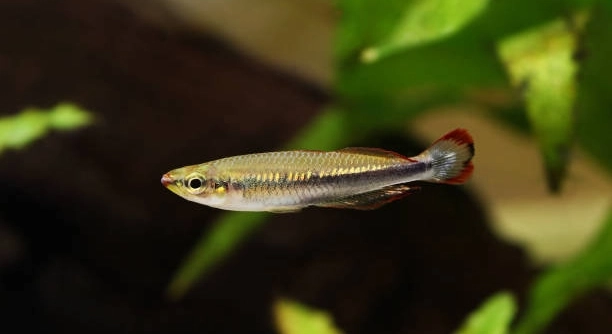
Have you ever noticed rainbowfish swimming in patterns, seemingly following the same paths over and over again? Observing their behavior can be fascinating, especially when they respond to repeated cues in their environment.
Rainbowfish can learn from repetition through consistent exposure to stimuli. Studies show that repeated experiences help them recognize patterns, adjust behaviors, and improve survival skills. This learning is gradual but measurable, showing their capacity for memory and adaptation over time.
Learning how repetition affects rainbowfish behavior offers insights into their intelligence and care, making it easier to create a stimulating environment for these colorful fish.
How Rainbowfish Recognize Patterns
Rainbowfish have a natural ability to notice repeated movements and signals in their tank. Over time, they can recognize when food is being placed in the same spot or when certain areas of the tank are safer to explore. This recognition is not instant but builds gradually as they experience repetition. Observing them, I’ve noticed that they begin to anticipate feeding times and swim confidently toward familiar areas. This behavior shows that their brains are capable of storing information and acting on it, which is similar to basic learning in other animals. By providing a stable environment with predictable routines, their learning is encouraged, and stress is reduced. Consistency helps them feel secure, allowing their natural colors and activity levels to flourish. Understanding these patterns can make caring for rainbowfish easier and more rewarding, giving them a better chance to thrive in captivity.
Repeated exposure strengthens memory and encourages predictable responses.
Rainbowfish also respond to environmental cues beyond food. Lights, decorations, and even the presence of other fish shape their actions. If a new object is introduced gradually and consistently, they quickly learn to approach or avoid it without fear. This shows their capacity to adapt and retain information, highlighting the importance of mindful tank management. Patterns in their daily interactions, such as schooling behavior and hiding spots, become familiar through repetition. By watching closely, it’s clear that these fish are sensitive to changes, and their responses improve when the same scenarios occur frequently. Providing repeated experiences, like gentle handling or consistent tank maintenance routines, helps them develop confidence. Over time, this learning affects both individual behavior and group dynamics, making their environment predictable and safer. Observing these adaptations gives insight into their intelligence and highlights the value of patience and consistency when caring for them.
The Role of Reinforcement
Positive reinforcement helps rainbowfish remember actions and behaviors.
Reinforcement, such as consistent feeding or gentle interaction, strengthens learning. When rainbowfish experience a reward after repeating a behavior, they are more likely to repeat it in the future. This process is gradual but effective, particularly when paired with routine. For example, placing food in the same location every day allows them to associate that spot with a positive outcome. Similarly, regular tank cleaning schedules help them become familiar with human presence without stress. Over time, reinforcement can improve both feeding efficiency and social interactions within the tank. Observing how they respond shows that even small, consistent actions can influence their learning. By applying reinforcement thoughtfully, their natural curiosity is encouraged, and their confidence grows. This approach ensures that they adapt well to their environment and retain information about safe and rewarding behaviors, which is essential for long-term care.
Repetition and Memory
Rainbowfish rely on repetition to strengthen memory. Daily exposure to the same cues helps them remember locations, feeding times, and interactions with other fish. Consistent routines improve their confidence and reduce stress, making their behavior more predictable and manageable in captivity.
Through repeated experiences, rainbowfish gradually form mental maps of their environment. They begin to recognize which areas are safe and which are less familiar. I’ve noticed that after a few days of consistent feeding, they swim directly to the feeding spot without hesitation. This shows that memory formation is linked to repeated exposure. Their ability to remember patterns also extends to interactions with other fish, helping them establish social hierarchies and navigate the tank more effectively. Observing this process has made me appreciate how subtle daily routines can influence their learning and behavior.
Repetition also reinforces habits that contribute to overall well-being. Rainbowfish show fewer signs of stress when they can anticipate daily activities. Predictable patterns allow them to explore and socialize confidently. I’ve found that even small, repeated interactions, like gentle observation or feeding at the same time, help them feel secure. Memory from repeated experiences helps them adapt to new objects or minor changes in the tank, showing flexibility. They also use repetition to refine swimming patterns, making schooling behavior smoother and more coordinated. These observations highlight how essential consistency is in fostering learning and comfort for rainbowfish.
Environmental Factors in Learning
Tank setup plays a major role in learning and repetition. Proper decorations, hiding spots, and light cycles provide consistent cues that rainbowfish can recognize and respond to.
Environmental stability supports memory formation and reduces stress. Rainbowfish learn to navigate their tank efficiently when objects and plants remain in familiar locations. I’ve noticed that when decorations are moved suddenly, their swimming becomes hesitant, and they take time to adjust. Repetition in the placement of these items helps them remember safe zones and preferred swimming paths. Light cycles also influence activity patterns; consistent day and night periods allow them to anticipate feeding and resting times. A stable environment encourages confidence, helping them interact more naturally with other fish. It also supports behavioral learning, as repeated exposure to the same surroundings allows them to adapt faster to minor changes. Creating a tank with predictable cues strengthens both memory and overall well-being, making it easier to care for rainbowfish and observe their natural behaviors in a low-stress setting.
Social Learning
Rainbowfish can learn from watching other fish. Observing group behavior helps them understand safe areas, feeding spots, and social interactions. Repetition of these observations reinforces their learning, allowing them to adapt faster and interact more confidently within the school.
You can notice how younger fish follow older, more experienced rainbowfish. They imitate movements and routines, gradually learning which areas are safe and when to respond to environmental changes. Watching the group repeatedly teaches them survival skills.
Training Techniques
Gentle, consistent training can improve rainbowfish learning. Using repeated cues, like tapping near the feeding area or signaling with light changes, helps them recognize patterns. I’ve noticed that rainbowfish respond better when these signals are predictable, showing clear memory of repeated actions.
Benefits of Learning
Learning through repetition reduces stress and builds confidence in rainbowfish. They explore their tank more freely and interact calmly with other fish, creating a stable and healthy environment.
FAQ
How quickly can rainbowfish learn from repetition?
Rainbowfish do not learn instantly. They require several days of consistent exposure to the same cues. I’ve observed that after a week of repeated feeding routines, they start anticipating the location and timing of food. Their learning is gradual but noticeable, especially when routines are predictable.
What types of repetition are most effective for rainbowfish?
Simple, consistent cues work best. Repeated feeding times, light changes, and tank maintenance routines help them recognize patterns. I’ve found that keeping decorations and hiding spots in fixed positions also reinforces learning, as they can remember safe areas and preferred swimming paths more easily.
Can rainbowfish learn from other fish?
Yes, they do. Observing older or more experienced fish helps younger rainbowfish understand safe areas, feeding zones, and social behavior. Repetition in watching these interactions strengthens their memory, and they often imitate movements and routines, gradually becoming more confident and skilled.
Does tank size affect their ability to learn?
Tank size can influence learning but is not the only factor. In a small tank, cues are easier to notice repeatedly, which may accelerate learning. In larger tanks, consistent repetition and clear cues are necessary to help them recognize patterns, locations, and social interactions.
How does stress affect learning in rainbowfish?
High stress can slow or block learning. Sudden changes, overcrowding, or inconsistent routines create stress, making it harder for rainbowfish to remember repeated cues. I’ve seen that maintaining a calm, predictable environment allows them to focus on repeated behaviors and build memory effectively.
Can rainbowfish learn to recognize their owners?
To a certain extent, yes. Repeated gentle interactions, such as feeding or observing them regularly, help rainbowfish become familiar with human presence. They may swim closer or show anticipation during these routines. Over time, repetition helps them associate owners with positive experiences.
How important is consistency in training or learning routines?
Consistency is crucial. Repetition only works when it’s predictable. I’ve noticed that inconsistent schedules confuse rainbowfish, reducing learning efficiency. Predictable feeding times, light cycles, and placement of tank objects help reinforce memory and encourage confident behavior.
Do rainbowfish forget what they learn?
Memory fades if cues are not repeated. Repetition strengthens retention, while long gaps between routines can weaken learned behavior. I’ve observed that rainbowfish gradually stop responding to cues if the routine is interrupted for too long, showing the importance of consistent exposure.
Can rainbowfish learn tricks or commands?
While not like dogs, rainbowfish can respond to repeated signals, such as tapping the tank before feeding or following light cues. I’ve noticed that they quickly learn to associate these cues with food. The process requires patience and frequent repetition to reinforce the connection.
Are there signs that a rainbowfish has learned something?
Yes. Anticipatory swimming, approaching specific areas, or mimicking other fish are clear indicators. I often see rainbowfish swim directly to the feeding spot or interact confidently in the same way as older fish, showing that repetition has helped them remember patterns and behaviors.
How does social environment impact learning?
Rainbowfish benefit from group learning. Observing and repeating behaviors within the school improves their memory and confidence. I’ve found that fish in a small group adapt faster to repeated routines than isolated individuals, highlighting the importance of social observation combined with repetition.
Is it possible to overstimulate rainbowfish during learning?
Yes, too much repetition or too many cues at once can cause stress. Gradual, consistent exposure works best. I’ve learned that spacing out repeated signals and keeping the environment calm helps them process information without feeling overwhelmed.
Can environmental changes disrupt learned behavior?
Significant changes, like moving decorations or adding new fish suddenly, can confuse rainbowfish. They may forget patterns temporarily and become hesitant. Reintroducing repetition with new cues helps them adapt. I’ve seen that they quickly regain confidence when changes are introduced slowly and consistently.
Do different types of rainbowfish learn at different rates?
Yes, species differences exist. Some rainbowfish are more curious or active, learning patterns faster, while others are cautious and need longer repetition. Observing individual responses helps adjust routines, ensuring every fish benefits from repeated exposure and predictable cues.
How does repetition affect health and well-being?
Predictable routines reduce stress and support natural behaviors. I’ve noticed that rainbowfish in consistent environments display brighter colors, swim confidently, and interact well with other fish. Repetition promotes both mental stimulation and physical health, making learning an essential part of their care.
Can rainbowfish unlearn bad habits?
Yes, repeated exposure to new routines can replace unwanted behaviors. For example, fish that overeat in one spot may learn to respond to new feeding cues. I’ve seen that patience and consistent repetition help correct habits without causing stress.
Is reinforcement necessary for learning?
Positive reinforcement strengthens learning. Feeding or rewarding fish after responding to repeated cues encourages repetition of the desired behavior. I often use predictable rewards to help rainbowfish remember routines and improve their confidence in interacting with the tank and other fish.
What is the best way to start teaching rainbowfish?
Start small with simple cues, like feeding in a specific spot or gentle tapping. Repeat consistently, observe responses, and gradually increase complexity. I’ve found that patience, repetition, and calm observation are key to successful learning without causing stress.
How long do learned behaviors last?
If repeated often, behaviors can last indefinitely. I’ve observed rainbowfish remember routines for weeks as long as reinforcement and repetition continue. Inconsistent or interrupted cues may lead to partial forgetting, so predictable patterns are essential for retention.
Can learning improve their social interactions?
Yes, repeated observation and interaction help rainbowfish navigate social hierarchies and communicate more effectively. I’ve seen fish that regularly follow older members show smoother schooling behavior and fewer conflicts, demonstrating that repetition supports both learning and group cohesion.
How can I tell if my rainbowfish is struggling to learn?
Signs include hesitation, avoidance, or failure to respond to repeated cues. I’ve noticed that stressed or sick fish may not follow routines. Maintaining a calm, consistent environment and observing behavior closely can help identify and address learning difficulties effectively.
Does age affect learning ability?
Younger rainbowfish often learn faster due to curiosity and adaptability, while older fish may require longer repetition. I’ve noticed that even mature fish can learn new patterns, though it takes more patience and consistent exposure to achieve the same results as younger fish.
What role does light and timing play in learning?
Consistent light cycles help rainbowfish anticipate daily routines. I’ve observed that predictable day-night patterns make repeated cues, like feeding times, more effective. Changing light cycles disrupts behavior and memory, showing how important timing is for learning through repetition.
Can rainbowfish learn without visual cues?
Yes, they respond to vibrations, sounds, and other environmental cues. Repetition of these signals can help them recognize feeding times or tank maintenance routines, even if visual cues are limited. I’ve seen them adapt well to non-visual patterns with consistent exposure.
Is it possible to track progress in rainbowfish learning?
Tracking simple behaviors, like approaching food, following cues, or exploring areas confidently, shows learning progress. I’ve kept notes on responses to repeated actions and observed noticeable improvements over days and weeks, helping measure the effectiveness of routines and reinforcement.
How long should each learning session last?
Short, frequent sessions are most effective. I’ve found that brief, repeated exposure to cues works better than long, intensive sessions, which can stress rainbowfish. Consistent, gentle repetition allows them to process information and gradually build memory without becoming overwhelmed.
Can rainbowfish learn to avoid dangers?
Yes, repeated exposure to mild, safe warnings helps them recognize risky areas or situations. I’ve noticed that over time, they swim cautiously around potentially stressful parts of the tank, demonstrating memory and learned avoidance through repetition.
Do rainbowfish require rewards for all types of learning?
Not always. Natural curiosity and social observation often drive learning. However, pairing repeated cues with positive reinforcement, like food or calm interactions, strengthens memory and encourages consistent responses, making the learning process more effective and reliable.
How do individual differences affect learning?
Each rainbowfish has a unique temperament. Some are bold and curious, picking up repeated cues quickly, while others are shy and need more time. I’ve observed that tailoring routines to individual responses ensures all fish benefit from repetition and reinforcement.
Can rainbowfish learn complex behaviors?
They can learn moderately complex patterns through repetition, like following light cues, swimming to specific areas, or imitating group behavior. I’ve seen that patience, consistent repetition, and reinforcement allow them to gradually master behaviors beyond simple routines, highlighting their adaptability and memory capacity.
How do feeding habits influence learning?
Consistent feeding schedules create predictable routines that rainbowfish can learn. I’ve noticed that repeating feeding cues strengthens memory and encourages anticipation, which improves confidence and coordination, making daily care smoother and reducing stress in the tank.
Are rainbowfish more responsive to visual or physical cues?
Visual cues, like movements and light changes, are highly effective, but they also respond to vibrations and water movement. I’ve observed that combining multiple types of repeated cues often results in faster and more reliable learning.
Can learning improve overall happiness in rainbowfish?
Yes, predictable routines and repeated cues reduce stress and encourage natural behaviors. I’ve seen fish become more active, confident, and interactive when their environment consistently supports learning through repetition, enhancing their quality of life in the tank.
Does learning vary by tank companions?
Yes, observing and interacting with compatible tank mates enhances learning. I’ve noticed that fish in a stable social group respond better to repeated cues, while aggressive or overly shy companions can slow the process. Matching personalities helps reinforce learning and confidence.
How important is patience in teaching rainbowfish?
Patience is essential. Learning takes time, and rushing the process can stress fish. I’ve learned that slow, consistent repetition, combined with calm observation, allows rainbowfish to remember patterns, build confidence, and adapt safely to their environment.
Can rainbowfish learn multiple cues at once?
They can, but it’s more effective to introduce cues gradually. I’ve observed that giving them one repeated signal at a time helps them retain information better, while overwhelming them with multiple changes can hinder memory and slow learning.
How does water quality impact learning?
Poor water quality causes stress and distracts rainbowfish from learning. I’ve noticed that consistent maintenance, clean water, and stable conditions improve their ability to respond to repeated cues and retain information, making repetition more effective.
Is it better to teach individually or in groups?
Groups often accelerate learning due to observation and imitation. I’ve seen that younger or less confident fish follow older ones, reinforcing repeated behaviors. However, very timid fish may benefit from short individual exposure before joining the group to build confidence.
How do natural instincts interact with learned behaviors?
Instincts guide survival, while repeated experiences refine responses. I’ve observed that rainbowfish combine instinct with memory of repeated cues, making decisions that balance natural behavior with learned patterns. This combination improves their adaptability and confidence in daily routines.
Can rainbowfish retain learning after relocation?
Relocation can temporarily disrupt learned behavior. I’ve noticed they often hesitate in a new tank, but consistent repetition of familiar cues, like feeding spots and light signals, helps them relearn quickly and regain confidence in the new environment.
How much repetition is enough for learning?
Daily, predictable exposure is most effective. I’ve found that repeating cues several times a day ensures retention, while infrequent repetition slows learning. Regular, consistent practice helps rainbowfish form memory and respond reliably to routines without stress.
Do rainbowfish show preferences for certain learning methods?
Some respond better to visual cues, others to physical or social cues. I’ve observed individual differences, and tailoring repeated signals to these preferences improves learning efficiency and confidence, ensuring each fish benefits fully from repetition.
Can rainbowfish learning improve tank management?
Yes, predictable behaviors make feeding, cleaning, and social monitoring easier. I’ve noticed that fish anticipating routines reduce stress, interact calmly, and allow for smoother daily care, showing that repetition benefits both fish and their caretaker.
Does learning affect breeding behavior?
Consistent routines and repeated cues reduce stress and support natural breeding behaviors. I’ve observed that rainbowfish in stable, predictable environments are more likely to court, spawn, and care for eggs effectively, demonstrating that repetition can indirectly support reproduction.
Can rainbowfish recognize patterns in feeding types?
Yes, repeated exposure to specific foods helps them associate shapes, colors, or textures with positive outcomes. I’ve noticed that they quickly learn to swim toward preferred foods, showing memory and anticipation shaped by repeated experience.
How long does it take for rainbowfish to adapt to new learning cues?
It depends on the fish and cue complexity. I’ve seen simple routines take just a few days, while more complex signals require weeks of repetition. Gradual, consistent exposure ensures the best adaptation without causing stress.
Can rainbowfish learn from mistakes?
Yes, trial and error combined with repetition helps them adjust behaviors. I’ve noticed that fish avoid areas or actions that caused mild discomfort, gradually refining behavior and showing memory formed through repeated experience.
Do rainbowfish respond differently to learning in morning versus evening?
Time of day can influence attention and activity. I’ve observed that fish are often more responsive in the morning, so repeating cues during active periods improves learning efficiency and retention compared to times when they are less active.
Can rainbowfish learn to recognize specific shapes or colors?
They can associate repeated visual cues with outcomes, like food or safe areas. I’ve noticed that over time, rainbowfish swim toward certain colors or shapes consistently, showing memory reinforced through repetition and association.
Does the presence of reflections affect learning?
Reflections can confuse fish temporarily, but consistent repetition helps them distinguish between reflections and actual fish. I’ve seen that over time, they learn to focus on real cues and ignore misleading visual stimuli in the tank.
Are there limits to what rainbowfish can learn?
Complex problem-solving is limited, but repeated cues for feeding, social interaction, and tank navigation are well within their capacity. I’ve observed consistent improvement in these areas, demonstrating the effectiveness of repetition for learning practical behaviors.
How can learning routines be maintained long-term?
Maintaining predictable schedules, consistent cues, and gentle reinforcement ensures rainbowfish retain learned behaviors. I’ve found that small adjustments over time keep routines engaging while supporting memory, confidence, and overall well-being in the tank.
Do rainbowfish prefer certain types of reinforcement?
Food rewards are most effective, but calm observation, minimal disturbance, and familiar interactions also reinforce learning. I’ve seen that combining reinforcement with repetition strengthens memory and encourages repeated positive behaviors.
Can rainbowfish learning reduce aggression?
Yes, predictable routines and repeated social observation help fish understand hierarchies and reduce conflicts. I’ve noticed calmer interactions and smoother schooling behavior when learning is reinforced through repetition in a stable environment.
How can I track improvements in learning?
Recording responses to repeated cues, noting anticipation, swimming patterns, and interactions, helps monitor progress. I’ve kept simple notes on these behaviors, allowing me to see gradual improvement and adjust routines to support continued learning.
Do rainbowfish respond to sound as part of learning?
Yes, vibrations and tapping can act as cues when repeated consistently. I’ve observed that fish associate certain sounds with feeding or movement, showing memory and behavior shaped through repeated exposure.
Can rainbowfish retain learning across generations?
Direct memory transfer is unlikely, but observing older fish can teach younger ones. I’ve noticed that repeated exposure to experienced fish helps juveniles learn routines faster, showing the role of social observation in transmitting knowledge.
Does age at first exposure affect learning capacity?
Younger fish are often quicker learners due to curiosity and adaptability. I’ve observed that introducing repeated cues early helps establish memory patterns, while older fish can still learn, though more slowly and with consistent reinforcement.
Can rainbowfish learn to interact with specific tank areas differently?
Yes, repeated exposure helps them associate areas with feeding, hiding, or swimming. I’ve seen that consistent routines and cues make their navigation purposeful, showing memory and adaptation shaped through repetition.
Are there risks of overtraining rainbowfish?
Yes, excessive repetition or stress can harm health and reduce learning. I’ve found that short, consistent exposure is most effective, allowing rainbowfish to retain information without becoming anxious or overwhelmed.
How do seasonal changes affect learning?
Changes in temperature or light can disrupt learned patterns. I’ve noticed that maintaining consistent cues despite seasonal variations helps rainbowfish retain memory and respond predictably to routines.
Can rainbowfish learn to anticipate tank cleaning?
Yes, repeated cues like gentle movements or water changes at the same time help them anticipate maintenance. I’ve seen fish become calmer during cleaning, demonstrating memory reinforced by repetition and predictability.
Do rainbowfish respond differently to human presence based on learning?
Repeated positive interactions make them less fearful and more confident. I’ve observed fish swimming closer and anticipating feeding, showing that consistent exposure helps them remember and respond to humans positively.
How does repetition affect their natural instincts?
Repetition enhances instincts by pairing natural behavior with predictable outcomes. I’ve noticed that rainbowfish combine instinct and learned patterns to navigate, feed, and interact confidently, showing that repetition supports natural instincts rather than replacing them.
Is it possible to improve rainbowfish intelligence through repeated learning?
While intelligence has limits, repeated exposure and consistent cues enhance memory, problem-solving in familiar contexts, and social behavior. I’ve observed improvements in anticipation, confidence, and interaction, demonstrating that repetition supports cognitive development within their natural capabilities.
Do rainbowfish respond better to visual or tactile cues?
Both are effective, but combining them often yields faster learning. I’ve seen fish respond quickly when repeated visual signals are paired with gentle vibrations, showing that multi-sensory repetition strengthens memory and recognition.
Can rainbowfish learning influence their sleep patterns?
Yes, predictable routines and repeated cues help regulate activity and rest. I’ve noticed that fish in stable environments with consistent feeding and light cycles sleep more predictably and exhibit calmer behavior overall.
How do environmental enrichments affect learning?
Plants, decorations, and hiding spots provide repeated cues for navigation and exploration. I’ve observed that enriched tanks support memory, confidence, and natural behavior, making repeated learning experiences more effective and enjoyable for rainbowfish.
Can rainbowfish learn to differentiate between food types?
Repeated exposure helps them associate specific food shapes, colors, or textures with rewards. I’ve noticed that they quickly respond to preferred foods, demonstrating memory and anticipation formed through repetition and consistent cues.
Does water temperature impact learning efficiency?
Yes, extreme or fluctuating temperatures can slow responses and reduce memory formation. I’ve observed that stable, optimal water temperatures support repeated learning and retention, allowing rainbowfish to respond consistently to cues and routines.
Can rainbowfish learn to anticipate changes in tank companions?
Yes, repeated observation helps them recognize new or returning fish. I’ve seen that predictable interactions reduce stress and allow them to adjust socially, demonstrating memory shaped by repeated exposure and routine.
Rainbowfish are more capable of learning than many people realize. Through repetition, they can recognize patterns in their environment, anticipate feeding times, and respond to both visual and physical cues. Observing their behavior over time shows that repeated experiences help them build memory and confidence. Simple routines, like feeding at the same spot or maintaining consistent light cycles, make a noticeable difference in how these fish interact with their surroundings and other tank mates. Even small, predictable changes can guide them to adapt safely, reducing stress and helping them feel secure in their habitat. Their natural curiosity is enhanced by repetition, which allows them to explore and interact without hesitation. Over time, it becomes clear that repetition is not just a tool for survival but also a way to support their overall well-being and daily activity.
Providing a stable and consistent environment is essential for rainbowfish to learn effectively. Consistent placement of decorations, hiding spots, and feeding areas gives them familiar landmarks, making it easier to navigate the tank. Social interactions within a group also benefit from repetition, as younger or less experienced fish can observe older ones and gradually learn patterns of behavior. Even minimal reinforcement, such as approaching for food or responding to gentle cues, strengthens their memory. I have noticed that fish exposed to repeated, predictable routines are calmer, more confident, and display brighter colors than those in inconsistent environments. This shows that learning is not just about responding to stimuli but also about creating a comfortable and secure space where rainbowfish can thrive. Repetition allows them to link actions with outcomes, which helps them adjust to changes and improves their overall quality of life.
Learning through repetition also has a broader impact on care and management of rainbowfish. When fish anticipate feeding times or recognize cues, it becomes easier to maintain the tank and monitor their health. They adapt more quickly to minor changes, reducing the risk of stress-related behavior or illness. Repetition also supports natural instincts, like schooling and exploring, while helping them adjust to human presence without fear. Over time, repeated exposure to safe and predictable cues can improve social interactions, reduce conflicts, and even support breeding behavior. For caretakers, understanding the role of repetition in rainbowfish learning is invaluable, as it allows for better observation, more effective reinforcement, and a healthier, more stable environment. By using consistent routines and predictable cues, rainbowfish can develop both memory and confidence, showing that even small, repeated actions make a meaningful difference in their care and daily life.

Hello,
If you enjoy the content that we create, please consider saying a "Thank You!" by leaving a tip.
Every little bit helps us continue crafting quality advice that supports the health, happiness, and well-being of pets around the world, for pets of all shapes, sizes, and species.
We really appreciate the kindness and support that you show us!