
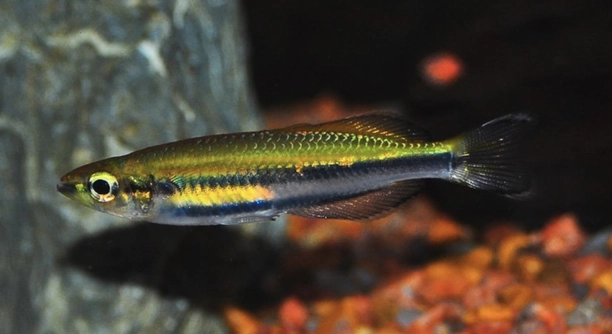
Rainbowfish are known for their bright colors and active daytime behavior, yet many owners notice them retreating after dark. This article gently introduces the natural and environmental reasons behind nighttime hiding patterns in home aquariums.
Rainbowfish hide more at night due to circadian rhythms, light perception, and predator avoidance instincts. Darkness signals rest periods, lowers visual security, and increases stress responses, leading fish to seek shelter, conserve energy, and remain less visible in the environment.
Learning how light, safety, and tank conditions influence this behavior can help create calmer nights and healthier, confident rainbowfish overall.
Natural Light Cycles and Rest
Rainbowfish follow a natural daily rhythm that guides when they swim, feed, and rest. As daylight fades, their bodies respond by slowing activity and seeking secure spaces. In the wild, nighttime brings higher risk, so hiding becomes a protective habit rather than a problem. In my own tanks, I notice this shift happen quickly once lights dim. Sudden darkness can intensify the response, especially in brightly lit rooms earlier in the day. Their eyes adjust differently than ours, making shadows feel larger and movement more uncertain. Resting among plants or decor helps them feel anchored and safe. This behavior supports energy conservation and reduces unnecessary stress during inactive hours. When allowed consistent light schedules, rainbowfish adapt well and appear calmer overall. Night hiding is not a sign of illness, but a reflection of instinct shaped by evolution and daily environmental cues within the home aquarium setting over time naturally consistently.
Gradual lighting changes help ease this transition. Timers, floating plants, and stable evening routines reduce sudden stress. When the tank environment feels predictable, rainbowfish retreat calmly rather than darting away, making nighttime behavior appear more balanced and controlled. This approach mirrors natural conditions they recognize and respond to well instinctively.
Consistent light cycles also support overall health beyond nighttime behavior. Regular schedules help regulate feeding, digestion, and social interaction during active hours. When lighting varies too often, rainbowfish may remain cautious even during the day. I have found that simple timers make a noticeable difference in confidence and visibility. Hiding decreases gradually as trust in the environment builds. This stability allows natural colors to appear brighter and movement to feel more relaxed. Over time, predictable lighting supports both physical balance and behavioral comfort in a closed aquarium system for long term care and observation at home with consistent results achieved.
Environmental Factors That Increase Night Hiding
Tank layout and surroundings strongly influence how safe rainbowfish feel after dark. Limited cover, reflective glass, or external movement can raise alertness. At night, these factors feel amplified, encouraging fish to stay hidden until light returns especially in busy rooms with late evening activity nearby that continues after sunset hours.
Rainbowfish rely heavily on visual cues to assess safety, and nighttime removes many of those references. Shadows from filters, heaters, or decorations can appear unfamiliar once lights are off. Even gentle household noise may seem more intense when visibility drops. I learned that placing plants near resting areas reduced this reaction significantly. Dense greenery softens shadows and provides consistent shapes they can recognize. Background lighting in the room can also help by preventing total darkness around the tank. Another factor is tank mates, as active nocturnal species may disturb resting fish. In mixed tanks, rainbowfish often withdraw earlier to avoid unwanted contact. Maintaining clean glass and minimizing reflections further reduces stress signals. Overhead room lights reflecting at night can create confusing movement patterns. By adjusting these small details, nighttime hiding becomes less extreme. The fish still rest, but they do so calmly and predictably. This balance supports better daytime activity, stable behavior, and long term comfort in a shared aquarium space. These changes required patience, observation, and small adjustments made over several weeks at home. They allowed me to understand their needs and create calmer nights consistently without disrupting natural rest patterns or daily routines that support overall stability inside.
Tank Mates and Social Stress
Tank mates play a strong role in how secure rainbowfish feel at night. Fast swimmers, larger fish, or territorial species can push rainbowfish into hiding once visibility drops and reactions slow, making retreat the safest option during resting hours. This behavior becomes more noticeable in crowded community tanks at night.
At night, rainbowfish rely less on speed and more on avoidance. If tank mates remain active after lights go off, stress levels rise. I noticed this when keeping them with bottom feeders that roamed constantly. Even peaceful species can disrupt rest through movement alone. Rainbowfish choose plants and decor to avoid accidental contact. Over time, repeated disturbances condition them to hide earlier each evening. Separating overly active species or adjusting stocking levels often reduces this response. Providing defined resting zones allows rainbowfish to settle without competition, supporting calmer behavior and improved visibility during daytime hours in shared home aquariums environments.
Social hierarchy also shifts after dark. Dominant fish may patrol areas that rainbowfish use for rest. Without clear sightlines, subtle chasing increases. I found that rearranging decor changed these patterns. Breaking established paths reduced nighttime tension. Balanced ratios matter as well. When rainbowfish feel outnumbered, they withdraw sooner. Stable group sizes help them rest together instead of scattering. Observing interactions at dusk provides useful clues. Small changes in layout or population often lead to less hiding and smoother transitions between day activity and nighttime rest within the aquarium over time, creating a more relaxed environment for consistent long term stability.
Feeding Schedules and Energy Levels
Feeding times influence how rainbowfish behave later in the day. Late or inconsistent meals can leave them restless or overly alert at night. When food arrives close to lights off, activity extends longer. I noticed calmer evenings after shifting feedings earlier. Regular schedules allow digestion to settle before rest. This helps rainbowfish associate nighttime with safety rather than anticipation or competition within the aquarium environment over time through consistent care and observation at home setups.
Energy levels drop naturally after feeding and digestion. If rainbowfish miss meals or compete heavily for food, nighttime hiding can increase. I learned that spreading food across the tank reduced this stress. Smaller portions given consistently prevented frantic behavior. Nutrition quality matters as well. Poor diets can lead to fatigue and heightened caution after dark. When fish feel weak, hiding becomes a form of self protection. Balanced feeding supports stronger swimming and confidence earlier in the day. Over weeks, this routine shapes predictable behavior. Rainbowfish rest quietly instead of vanishing completely, creating a tank that feels steady and easier to observe for keepers seeking calm evenings, stable routines, and healthier fish overall in home aquariums over longer periods of consistent care and attention daily routines.
Water Quality and Oxygen Levels
Water quality shifts become more noticeable at night when oxygen levels drop and waste settles. Rainbowfish respond by hiding to reduce effort. I noticed stronger hiding behavior before water changes, especially in warmer tanks where circulation slowed after lights went off. This pattern repeated consistently over several evenings at home.
Poor filtration, infrequent maintenance, and sudden parameter changes increase nighttime stress. As visibility drops, rainbowfish conserve energy instead of swimming through discomfort. Keeping ammonia low and oxygen stable helped mine remain visible longer, even after dark, with less retreat into plants and calmer resting behavior overall each night at home.
Noise, Vibration, and Surroundings
Sudden noises and vibrations at night can push rainbowfish into hiding quickly. Televisions, doors, and footsteps feel stronger when lights are off. I noticed this in busy evenings. Placing the tank away from traffic reduced retreat. Soft background lighting also helped. When surroundings stayed quiet, fish rested without panic. Predictable environments allow them to trust their space. Over time, reduced disturbance led to shorter hiding periods and calmer group behavior after dark in my aquarium. This change improved visibility, reduced stress signals, and made evening observations more consistent and enjoyable overall for me during regular care routines at home tanks.
Health and Physical Condition
Illness or weakness can increase hiding once daylight fades. Rainbowfish instinctively withdraw when they feel vulnerable. I learned to watch for changes in appetite or color. Night hiding paired with daytime lethargy often signaled a health issue needing attention. Early observation helped me act before conditions worsened in my tanks.
FAQ
Is it normal for rainbowfish to hide every night?
Yes, this behavior is normal and rooted in instinct. Rainbowfish are daytime active fish and naturally slow down after dark. Hiding helps them feel secure when visibility drops. In my experience, consistent nightly hiding without other symptoms usually reflects healthy rest rather than a problem. As long as they resume normal activity during the day, this pattern is expected and natural.
Do rainbowfish need complete darkness at night?
Complete darkness is not required and can sometimes increase stress. Rainbowfish benefit from a gentle transition into night. Low ambient room light or dim aquarium lighting helps reduce sudden changes. I noticed less frantic hiding when the tank was not plunged into total darkness. A soft background glow often feels safer to them.
Can aquarium lights staying on too long cause hiding?
Yes, extended lighting can disrupt natural rhythms. When lights stay on late, rainbowfish may struggle to rest properly. This can lead to increased hiding once lights finally turn off. Using a timer helped my fish settle into a predictable pattern. Regular cycles support calmer behavior both day and night.
Does tank size affect nighttime hiding?
Tank size plays a role in how secure rainbowfish feel. Smaller tanks limit escape routes and resting zones. In tighter spaces, hiding increases because fish feel exposed. Larger tanks with plants and decor allow them to rest without crowding. When I upgraded tank size, nighttime behavior became noticeably calmer.
Will adding more plants reduce hiding at night?
Plants often help by providing cover and familiar shapes. Dense planting gives rainbowfish places to rest without fully disappearing. I found that live plants worked better than artificial ones because they soften shadows. Proper placement matters more than quantity. Balanced cover reduces stress without blocking swimming space.
Do rainbowfish sleep at night?
Rainbowfish do not sleep like mammals, but they enter a resting state. Movement slows, colors may dull slightly, and hiding increases. This rest period is essential for recovery. I observed that disturbing them during this time caused prolonged hiding the next day. Respecting rest supports healthier activity later.
Can feeding at night cause more hiding?
Late feeding can confuse routine and extend alertness. Rainbowfish may stay active longer, then retreat suddenly. Feeding earlier helped my fish relax sooner. Consistent timing allows digestion to finish before rest. This reduces nighttime agitation and sudden hiding behavior.
Is nighttime hiding a sign of stress?
It can be, but context matters. Mild hiding is normal. Excessive hiding paired with poor appetite or color loss suggests stress. I learned to compare night behavior with daytime activity. Healthy rainbowfish still swim confidently when lights return. Changes across both periods deserve attention.
Do water changes affect nighttime behavior?
Yes, especially if done late in the day. Water changes can temporarily alter temperature and chemistry. When I performed changes earlier, nighttime hiding decreased. Allowing the tank to stabilize before dark helped fish adjust more comfortably. Consistency matters more than frequency alone.
Can noise really make rainbowfish hide more at night?
Noise has a bigger impact at night due to reduced visual awareness. Vibrations feel stronger when lights are off. I noticed more hiding during evenings with heavy foot traffic. Moving the tank to a quieter area reduced this reaction. Predictable surroundings help them rest calmly.
Do rainbowfish feel safer in groups at night?
Yes, proper group sizes increase confidence. Lone or paired rainbowfish hide more often. When kept in balanced groups, they tend to rest near each other. I observed less scattered hiding once group numbers stabilized. Social comfort plays a strong role in nighttime behavior.
Should I worry if my rainbowfish hide earlier than usual?
Early hiding can reflect changes in lighting, stress, or health. I usually monitor for other signs before acting. One or two early nights are not concerning. Persistent changes deserve closer observation. Small adjustments often resolve the issue without major intervention.
Can reflections cause nighttime hiding?
Reflections can confuse rainbowfish, especially at night. Glass reflections appear stronger in low light. I reduced this by cleaning glass and adjusting room lighting. Backgrounds also helped. Once reflections decreased, nighttime hiding became less intense.
Do rainbowfish adjust to new tanks over time?
Yes, hiding is common during acclimation. New environments feel uncertain, especially after dark. In my tanks, hiding decreased over several weeks as familiarity grew. Stable routines and minimal changes speed this process. Patience is important during early stages.
Is nighttime hiding harmful long term?
Normal hiding is not harmful and supports rest. Problems arise only when it limits feeding or daytime activity. I found that addressing lighting, layout, and routine prevented negative effects. When needs are met, nighttime hiding remains balanced and healthy.
Final Thoughts
Rainbowfish hiding at night is a behavior shaped by instinct, environment, and routine rather than a sudden problem. When I first noticed this pattern, it felt concerning, but careful observation showed it followed predictable cues. Light changes, tank activity, and surroundings all signal when it is time to slow down. Night brings lower visibility and higher perceived risk, so retreating makes sense for a small, alert fish. This behavior allows them to rest, conserve energy, and avoid unnecessary stress. Understanding this helped me stop reacting to the hiding itself and instead focus on what happened before and after it. Daytime activity, appetite, and color became more meaningful indicators of well-being. When those remained stable, nighttime hiding no longer felt alarming. It became part of a natural rhythm rather than a sign of trouble.
Consistency plays a major role in shaping calm nighttime behavior. Stable lighting schedules, predictable feeding times, and familiar tank layouts create trust. I noticed that even small changes, like moving decor or adjusting room lighting, could affect how early rainbowfish hid. Over time, making fewer sudden changes helped them feel secure. They still rested, but without frantic movement or prolonged disappearance. This balance showed that comfort does not mean constant visibility. It means confidence in the space they live in. Clean water, proper oxygen levels, and compatible tank mates all support this sense of safety. When these needs are met, hiding becomes quieter and more controlled. The fish rest because they want to, not because they feel threatened. This distinction matters when evaluating overall tank health.
Observing nighttime behavior offers insight into how rainbowfish experience their environment. It encourages patience and attention to detail rather than quick fixes. I learned to watch patterns instead of isolated moments. One quiet night meant little on its own, but repeated changes told a story. Adjustments worked best when made gradually and with intention. Creating a calm evening atmosphere benefited not only the fish but also the enjoyment of the tank itself. Evenings felt more peaceful when the aquarium followed a natural flow. Rainbowfish thrive when their needs are understood rather than forced. Night hiding, when viewed through this lens, becomes a useful signal rather than a concern. It reflects instinct, adaptation, and trust built over time. By respecting these patterns, long term health and stability become easier to maintain, allowing rainbowfish to display their best behavior during the hours they are meant to shine.

Hello,
If you enjoy the content that we create, please consider saying a "Thank You!" by leaving a tip.
Every little bit helps us continue crafting quality advice that supports the health, happiness, and well-being of pets around the world, for pets of all shapes, sizes, and species.
We really appreciate the kindness and support that you show us!