7 Causes of Lemon Tetra Fin Damage

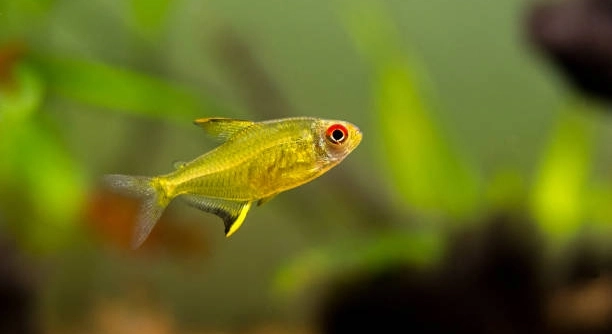
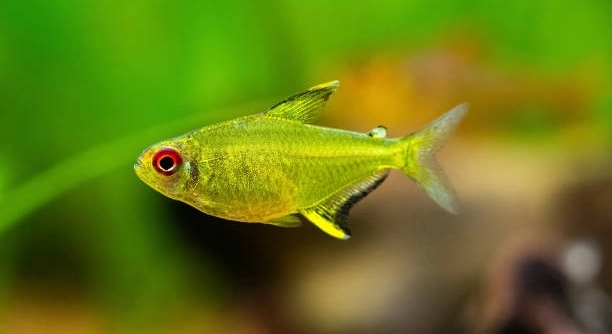
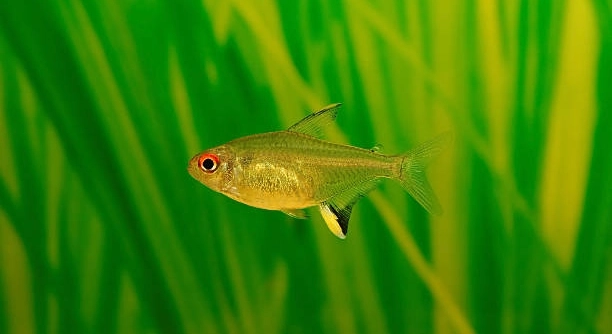
Do your lemon tetras sometimes show ragged or torn fins, making them look unhealthy or stressed in your aquarium? Fin damage is a common concern for hobbyists who want their fish to thrive and appear vibrant. Lemon tetra fin damage can result from several factors, including poor water quality, aggressive tank mates, nutritional deficiencies, bacterial … Read more
Do Lemon Tetra React to Human Movement?

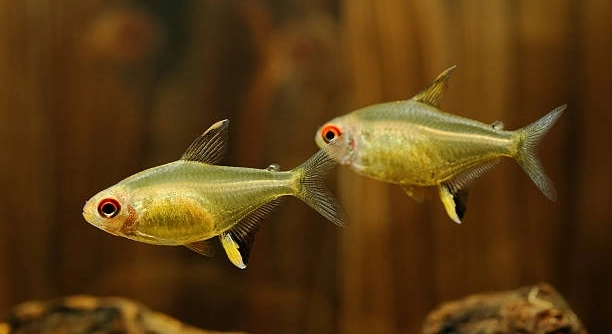
Have you ever watched your aquarium and noticed the tiny lemon tetras swimming gracefully among the plants? These small, bright fish bring life and color, making any tank feel lively and cheerful. Observing them can be surprisingly relaxing. Lemon tetras do respond to human movement, often becoming more alert or swimming away when a hand … Read more

7 Clues Lemon Tetra Are Ready to Breed

Are your Lemon Tetras showing signs of increased activity in the aquarium? Observing their behavior closely can help you understand their readiness to breed. Small changes in swimming patterns or interactions can reveal important reproductive cues. Lemon Tetras are ready to breed when males display brighter coloration, females appear plump, and both show increased pairing … Read more

Why Are Lemon Tetra Suddenly Schooling Tighter?

Lemon tetras are small, bright fish that bring life to any freshwater aquarium. Recently, many hobbyists have noticed their behavior changing, as they tend to swim closer together and form tighter schools than before. This change in schooling behavior is typically a response to environmental stressors. Factors such as water quality, lighting, tank size, and … Read more

7 Things That Influence Lemon Tetra Swimming Patterns

Lemon tetras are small, colorful fish that brighten up any aquarium. Observing their movements can be relaxing, but their swimming patterns are influenced by several subtle factors in their environment and care. Lemon tetra swimming patterns are affected by water quality, tank size, temperature, lighting, social interactions, diet, and stress levels. Each factor plays a … Read more

7 Mistakes That Make Lemon Tetra Anxious

Do you ever notice your lemon tetra swimming nervously or hiding more than usual in the tank? Many fish owners face this issue without realizing small mistakes can make their fish anxious and stressed. Lemon tetras are highly sensitive to their environment, and common mistakes like overcrowding, poor water quality, sudden temperature changes, or lack … Read more

How to Spot the Leader in a Lemon Tetra School

Have you ever watched a school of lemon tetras gliding through the water, each fish moving in perfect harmony with the others? Observing their coordinated movements can be calming, yet there is often a subtle hierarchy guiding the group. The leader in a lemon tetra school can be identified by its position and movement patterns. … Read more

Do Lemon Tetra Change Color With Mood?

Lemon tetras are small, bright freshwater fish that often catch the eye with their yellow tones and shimmering bodies. Many fishkeepers notice their colors and wonder what factors might affect these vibrant shades in everyday life. Lemon tetras do not change color based on mood. Their color variations are influenced by health, diet, lighting, and … Read more

7 Things Lemon Tetra Instantly Respond To

Lemon tetras are small, bright fish that bring life to any freshwater aquarium. They are lively and responsive, often showing reactions to their surroundings that make observing them quite enjoyable and rewarding for fish keepers. Lemon tetras instantly respond to specific stimuli such as feeding, changes in lighting, movement near the tank, water flow, presence … Read more

Why Is My Arowana Suddenly Swimming Upside Down?

Is your arowana suddenly swimming upside down and leaving you concerned about its well-being? Observing this unusual behavior can be alarming, as these graceful fish normally glide smoothly through the water without any struggle. The most common cause of upside-down swimming in arowanas is swim bladder disorder. This condition affects the fish’s buoyancy, making it … Read more