
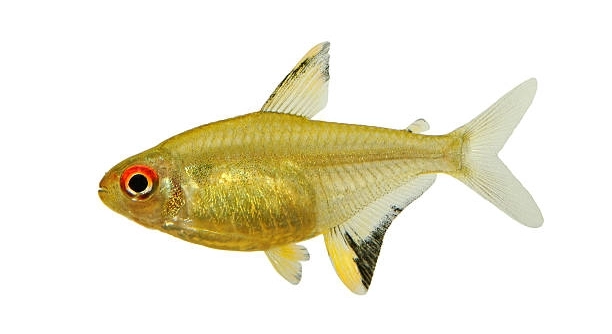
Lemon tetras are small, colorful fish that brighten up any aquarium. Observing their movements can be relaxing, but their swimming patterns are influenced by several subtle factors in their environment and care.
Lemon tetra swimming patterns are affected by water quality, tank size, temperature, lighting, social interactions, diet, and stress levels. Each factor plays a significant role in regulating their activity, direction, and overall movement behavior within the aquarium.
Understanding these influences helps create a balanced environment for your tetras. Proper care ensures they remain active, healthy, and display natural swimming behaviors consistently.
Water Quality
Maintaining clean water is essential for lemon tetras to swim normally and stay healthy. Poor water conditions can stress them, causing erratic or sluggish movements. Regular water changes, proper filtration, and monitoring pH, ammonia, nitrite, and nitrate levels are all crucial. Tetras prefer slightly acidic to neutral water, usually around pH 6.5–7.0. Temperature consistency is also important, as sudden fluctuations can confuse their senses and affect swimming. Observing your fish during water changes or after adding new water can help detect any unusual behavior. Tetras are sensitive, and even minor imbalances in water chemistry can cause noticeable changes in activity. Using a reliable test kit and keeping a schedule for water changes ensures a stable environment. Besides chemical balance, clarity matters; murky water can limit their visibility and navigation, making them swim closer to the bottom or hide more often. A clean, balanced tank encourages active schooling and natural movement patterns.
Proper water management keeps lemon tetras more relaxed and predictable in their swimming patterns.
Keeping water clean not only supports their physical health but also fosters natural behaviors, making the aquarium more visually appealing. Consistent maintenance reduces stress and helps tetras interact naturally. Tracking water parameters over time allows owners to anticipate changes that may affect swimming. Fish respond immediately to shifts, and healthy water ensures consistent energy levels. Proper filtration, gentle water flow, and regular testing combine to create the ideal habitat. By controlling these elements, owners can observe schooling behaviors, territorial interactions, and playful movements that reflect optimal conditions. Water quality influences feeding habits too, as stressed fish may eat less or compete differently. Balanced water chemistry supports long-term health, reducing susceptibility to disease and abnormal swimming. Monitoring and adjusting tank conditions creates a stable environment where tetras thrive, allowing for more predictable and engaging behavior. A well-maintained tank enhances the enjoyment of watching these lively fish in their naturalized setting, ensuring their activity is both safe and natural.
Tank Size and Layout
Smaller tanks can restrict movement and cause tetras to swim in tight, erratic patterns, while larger tanks allow for natural schooling and exploration.
A spacious tank with varied hiding spots, plants, and open swimming areas encourages lemon tetras to swim confidently. Overcrowding can increase stress, leading to abrupt or uneven movements. Aquascaping with live plants provides cover and visual markers that tetras use for orientation, which helps them maintain coordinated schooling. Rocks, driftwood, and gentle currents create a stimulating environment that keeps them active without causing agitation. Placement of decorations should allow open areas for swimming while offering secure retreats to feel safe. Observing how they interact with the tank layout can inform adjustments for better movement and comfort. A properly arranged tank minimizes collisions and territorial disputes, promoting more natural and fluid swimming patterns. Open water combined with shaded or planted zones helps tetras display both curiosity and cautious behavior, balancing activity with rest. Thoughtful tank setup directly affects the energy, cohesion, and visual harmony of the fish.
Temperature
Lemon tetras are sensitive to water temperature changes. Sudden shifts can make them sluggish or hyperactive, affecting swimming patterns. Keeping the tank stable between 72–78°F ensures consistent activity and prevents stress-related erratic behavior.
Temperature fluctuations can confuse their metabolism and nervous system. When water is too cold, tetras may slow down, staying near the bottom or hiding. Excessively warm water increases activity, causing rapid swimming and frequent darting. A reliable heater and thermometer help maintain a steady environment, and gradual adjustments are necessary when making changes. Even small daily swings can accumulate stress, making them less predictable. Monitoring temperature along with water quality supports overall health and energy levels.
Stable temperatures allow lemon tetras to swim naturally, forming coordinated schools and exploring their environment confidently. Proper heating encourages regular feeding, better digestion, and social interaction. Avoid placing the tank near drafts or sunlight that could create hot or cold spots. Consistency helps them settle into patterns that reflect normal, healthy behavior, reducing sudden bursts or unusual hiding tendencies. Temperature directly interacts with other factors like oxygen levels, which also affect swimming. Observing them under stable conditions reveals their true activity level, making it easier to spot changes due to illness or environmental stress.
Lighting
Proper lighting affects how lemon tetras perceive their surroundings. Bright or inconsistent light can make them anxious, while soft, even lighting encourages smooth movement and normal activity.
Lighting regulates their internal rhythms and behavior. Tetras need a day-night cycle, usually 10–12 hours of light, followed by darkness. Sudden intense light can trigger hiding or rapid swimming, while dim areas let them feel secure. Positioning lights to avoid glare or direct sunlight prevents stress. Using timers creates consistency, supporting schooling and feeding habits. Plants and tank décor interact with lighting, creating shadows and safe zones that influence movement. Adjusting brightness gradually helps tetras acclimate without sudden shock.
Balanced lighting helps tetras display natural colors and movement, enhancing visual appeal. Appropriate illumination allows for exploration, coordinated swimming, and relaxed rest periods. Uneven lighting can disrupt patterns, making fish avoid certain areas. Natural-looking conditions with soft shadows encourage curiosity and activity. Lighting also affects plant growth, indirectly supporting swimming by providing oxygen and cover. Observing their responses allows owners to fine-tune the setup for comfort, helping tetras maintain consistent, healthy swimming behaviors.
Social Interactions
Lemon tetras are schooling fish and thrive in groups. Swimming patterns change when they are alone or in small numbers. Maintaining a group of at least six helps them move confidently and reduces stress.
Interactions within the school regulate speed, direction, and cohesion. Dominance and play behaviors influence how they navigate the tank, keeping movements smooth and natural.
Diet
A balanced diet directly impacts energy and swimming activity. Feeding small, frequent portions of high-quality flakes, frozen, or live food supports consistent behavior and vitality.
Stress Levels
Stress can come from loud noises, sudden movements, or aggressive tank mates. It causes erratic swimming, hiding, or lethargy, making it harder for tetras to maintain normal patterns.
Why are my lemon tetras swimming erratically?
Erratic swimming is usually a sign of stress or environmental imbalance. Common causes include sudden changes in water temperature, poor water quality, overcrowding, or incompatible tank mates. Lemon tetras rely on consistent conditions, and disruptions can confuse their senses. Monitoring water parameters, maintaining a stable temperature, and keeping them in proper group sizes usually resolves erratic behavior. Additionally, providing hiding spots and reducing strong currents can help them feel secure, restoring normal schooling patterns over time.
Why do lemon tetras swim near the surface or bottom?
Swimming near the surface often indicates low oxygen levels or overfeeding. When water lacks adequate oxygen, tetras seek areas closer to air exchange. Swimming at the bottom may signal illness, stress, or poor water conditions. Regular water testing and filtration maintenance help maintain a balanced environment, supporting normal swimming throughout the tank. Adjusting feeding amounts and ensuring oxygenation through plants or gentle water movement encourages healthy positioning in the tank.
How many lemon tetras should be kept together?
Lemon tetras are social fish that thrive in groups. A minimum of six is recommended, but larger schools of eight to twelve allow natural schooling behavior. Smaller groups can lead to stress, lethargy, or erratic movements. Keeping them in cohesive groups encourages smooth, coordinated swimming, reduces anxiety, and allows them to exhibit natural interactions. Schooling also protects them psychologically, as they feel more secure in numbers, which directly influences their activity levels and overall well-being.
Can tank decorations affect swimming patterns?
Yes, tank decorations directly influence movement. Rocks, driftwood, and plants provide hiding spots and boundaries that guide swimming behavior. Open spaces allow tetras to move freely, while dense plant areas give shelter and reduce stress. Improper arrangement may block pathways or create aggressive territories, causing sudden darting or collisions. Arranging décor to balance open swimming areas with shaded retreats encourages exploration while maintaining security. Observing how tetras interact with different layouts helps refine placement for natural movement and cohesive schooling.
How does diet influence activity levels?
A balanced diet provides the energy needed for healthy swimming patterns. High-quality flakes, supplemented with frozen or live foods like daphnia or brine shrimp, keep tetras active and alert. Inadequate nutrition leads to lethargy, slow movement, or avoidance of schooling. Overfeeding can reduce oxygen levels and cloud the water, affecting swimming behavior. Feeding small portions multiple times a day mimics natural feeding patterns and maintains energy consistency, which encourages regular schooling, coordinated movement, and playful activity throughout the tank.
Why do lemon tetras hide or remain still?
Hiding is often a response to stress, illness, or changes in the environment. Sudden loud noises, strong lighting, aggressive tank mates, or water fluctuations can trigger this behavior. Resting in shaded areas or dense plants is normal for short periods, but prolonged inactivity may indicate a health issue. Checking water quality, ensuring proper schooling, and maintaining a calm environment typically encourages more active and visible swimming behavior. Providing multiple safe areas helps tetras feel secure while allowing them to resume natural movement at their own pace.
What role does water temperature play in swimming?
Temperature stability is crucial for maintaining regular swimming patterns. Lemon tetras perform best in water between 72–78°F. Colder water slows metabolism, causing sluggish movements, while warmer water increases activity and rapid swimming. Sudden temperature shifts are particularly stressful and can lead to hiding or erratic behavior. Using a reliable heater, thermometer, and avoiding drafts ensures consistent conditions. Gradual adjustments during seasonal changes prevent sudden stress, supporting consistent, predictable swimming patterns and healthy interactions within the school.
Can lighting impact movement?
Lighting influences perception, stress levels, and natural rhythms. Bright or inconsistent light may cause tetras to dart, hide, or swim in unusual patterns. A steady day-night cycle, around 10–12 hours of light followed by darkness, helps regulate activity and feeding schedules. Soft, diffused lighting with shaded areas from plants or décor provides comfort and encourages exploration. Timers create consistency, while avoiding direct sunlight prevents overheating or sudden glare, allowing tetras to display natural colors and swimming behaviors. Proper lighting also supports plant growth, indirectly improving oxygen levels and movement.
How do tank mates affect swimming?
Aggressive or overly active tank mates can stress lemon tetras, causing erratic swimming or hiding. Peaceful, similarly sized species help maintain normal schooling and reduce conflict. Overcrowding should be avoided, as it limits swimming space and increases stress. Observing interactions and making adjustments when necessary ensures a calm environment, supporting fluid movement and consistent activity levels. Proper pairing allows tetras to socialize naturally, display coordinated schooling, and maintain predictable, healthy swimming patterns without interruptions from competition or aggression.
What signs indicate a problem with swimming patterns?
Unusual swimming patterns include darting, circling, sluggishness, hovering near the surface, or hiding excessively. These behaviors may indicate poor water quality, disease, stress, or inadequate schooling. Early observation and intervention prevent serious health issues. Testing water, adjusting tank conditions, and reviewing diet or group dynamics helps restore normal swimming. Recognizing subtle changes in activity levels or posture provides critical insight into their overall well-being. Regular observation combined with proactive care ensures lemon tetras remain active, healthy, and display natural, coordinated movements.
Word count: 503
Final Thoughts
Maintaining healthy lemon tetra swimming patterns requires attention to several key aspects of their environment. Water quality, temperature, and lighting are the foundation of a stable aquarium, and keeping these factors consistent is essential for their well-being. Clean water ensures oxygen levels remain sufficient, waste is minimized, and chemical balances stay within safe limits. Temperature stability prevents stress and allows tetras to swim actively without sudden bursts or sluggish periods. Lighting influences how comfortable and secure they feel in the tank, supporting both natural movement and regular feeding habits. Each element interacts with the others, meaning that small changes in one area can affect overall swimming behavior. Observing your tetras regularly can help identify subtle shifts in activity, which often indicate the need for adjustments to water parameters, lighting schedules, or heating.
Social dynamics also play a significant role in how lemon tetras swim. These fish are naturally schooling creatures, and keeping them in groups of six or more encourages coordinated movement and reduces anxiety. Smaller groups may lead to erratic or hesitant swimming, while overcrowding can increase stress and aggression. Tank layout further affects their behavior; open spaces allow for free swimming, while plants, rocks, and decorations provide shelter and resting areas. A thoughtful arrangement of tank elements can encourage exploration while offering security, creating an environment where tetras feel confident. Proper diet is equally important, as energy levels directly influence swimming activity. A balanced combination of flakes, frozen, or live food ensures they remain alert and active, while overfeeding or poor nutrition can disrupt natural movement and increase stress.
Stress reduction is a constant priority when caring for lemon tetras. Loud noises, sudden tank movements, and aggressive tank mates can all lead to hiding, sluggishness, or erratic swimming. Reducing these stressors helps the fish display natural, predictable patterns. Regular observation and careful adjustments allow you to address issues before they impact health. Understanding these various factors gives insight into their behavior and improves overall care. By maintaining stable water conditions, providing adequate social interaction, creating a comfortable tank layout, feeding a balanced diet, and minimizing stress, lemon tetras can swim actively and naturally. Consistency and attention to detail ensure their environment supports their health and vitality, making it possible to enjoy their lively schooling behavior day after day.
Word count: 406

Hello,
If you enjoy the content that we create, please consider saying a "Thank You!" by leaving a tip.
Every little bit helps us continue crafting quality advice that supports the health, happiness, and well-being of pets around the world, for pets of all shapes, sizes, and species.
We really appreciate the kindness and support that you show us!