
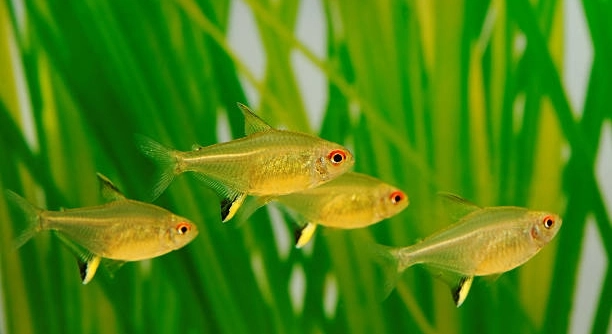
Lemon tetras are small, bright fish that bring life to any freshwater aquarium. Recently, many hobbyists have noticed their behavior changing, as they tend to swim closer together and form tighter schools than before.
This change in schooling behavior is typically a response to environmental stressors. Factors such as water quality, lighting, tank size, and sudden changes in their surroundings can make lemon tetras feel vulnerable, prompting them to group more closely for safety and stability.
Observing these changes can reveal much about the fish’s comfort and well-being in your tank. Learning the reasons behind tighter schooling helps maintain a healthier, more balanced aquarium environment.
Understanding Lemon Tetra Schooling Behavior
Lemon tetras are naturally social fish, and schooling is a key part of their behavior. When they swim together, it gives them a sense of security and helps them navigate their environment. Changes in water temperature, chemical balance, or sudden movements in the tank can make them feel threatened, which often leads to tighter grouping. Younger or smaller tetras are especially prone to clustering closely when they feel uncertain. Lighting conditions also play a role; dim or inconsistent light can trigger them to stay close to one another. Even minor disruptions, like adding new decorations or rearranging the tank, can alter their normal schooling patterns. Observing these behaviors regularly helps identify when adjustments to the aquarium are needed. This close attention ensures that the fish remain calm, healthy, and active, reducing stress and preventing long-term health issues that may arise from constant tension. Maintaining stable conditions supports natural social interactions.
Schooling tightly is a normal defensive response. It signals stress, discomfort, or environmental change.
Regularly monitoring water quality, temperature, and tank layout keeps lemon tetras confident and relaxed. Small adjustments can restore normal schooling patterns.
Environmental Factors Affecting Tetra Behavior
Poor water quality can directly impact schooling behavior. Ammonia, nitrite, and nitrate levels must remain low to keep fish healthy. Frequent water changes and proper filtration help maintain stable conditions. Uneven temperatures or sudden fluctuations can make tetras uneasy, prompting tighter groups. Tank size matters as well; overcrowding limits swimming space and increases stress. Hiding spots and plants offer security, allowing fish to feel safer and spread out naturally.
Stress triggers in lemon tetras are often subtle, but understanding them improves overall aquarium health.
Temperature swings, lighting changes, or aggressive tank mates may lead to unusual clustering. Monitoring behavior over time helps identify stress sources. Ensuring water is clean, stable, and well-oxygenated reduces tension. Providing adequate space with plants and decorations creates a more natural environment. Sudden additions of new fish or decorations should be done gradually to prevent alarming the school. Even the placement of the tank in the room matters; frequent vibrations or loud noises can trigger defensive schooling. Tracking these environmental factors helps you respond quickly and maintain calm behavior. Ultimately, consistency and attention to detail create a supportive habitat where lemon tetras feel safe, swim confidently, and show natural schooling patterns, reducing their need to crowd tightly.
Changes in Diet and Feeding
Feeding schedules and diet changes can influence schooling behavior. Lemon tetras may cluster tightly if they feel unsure about food availability or if competition arises in the tank.
Inconsistent feeding or sudden diet changes can make lemon tetras nervous. If they are not sure when or where food will appear, they may stay closer together as a defensive measure. Providing a consistent feeding routine and evenly distributing food throughout the tank helps reduce tension. High-quality flakes, micro pellets, and occasional live foods support healthy growth and natural behavior. Observing their feeding patterns can help adjust the routine to keep the school calm and active.
Overfeeding or introducing new foods too quickly can also trigger stress. When tetras are unsure about the food type, they may group tightly, showing signs of caution. Gradual diet adjustments and careful portion control encourage normal schooling. Maintaining variety without abrupt changes supports natural behavior, prevents bullying among fish, and ensures all tetras have access to nutrition. Small improvements in feeding consistency can have a noticeable impact on their comfort and interaction in the tank.
Health Concerns Impacting Schooling
Illness or parasites can affect how lemon tetras behave. Sick fish often stay closer to the group for protection and support.
Health issues, even minor ones, can disrupt schooling patterns. Infections, external parasites, or digestive problems reduce energy levels, causing fish to move slower and cling together for security. Maintaining clean water, avoiding sudden environmental changes, and quarantining new fish can prevent many common health problems. Regular observation helps detect early signs of illness. Watching for unusual swimming, discoloration, or labored breathing can indicate a health problem, prompting timely action. Preventative measures and prompt treatment help restore normal schooling behavior and overall vitality.
Social Dynamics in the Tank
New additions or changes in tank mates can alter schooling behavior. Lemon tetras may huddle together when adjusting to unfamiliar fish.
Dominant or aggressive tank mates can cause stress. Tetras respond by tightening their school to feel protected and maintain social stability.
Seasonal and Lighting Influences
Changes in daylight or artificial lighting schedules can affect activity levels. Longer or shorter light periods influence mood, swimming patterns, and schooling tightness. Maintaining consistent lighting helps tetras feel secure and reduces sudden clustering caused by perceived environmental changes.
Tank Size and Layout
Smaller tanks or crowded conditions limit swimming space, causing tighter schooling. Rearranging plants and decorations can temporarily make tetras feel vulnerable, prompting them to stay closer together.
Water Quality and Chemistry
Poor water conditions directly impact fish comfort. High ammonia or fluctuating pH levels can increase stress, leading to tighter schooling as a defensive behavior.
FAQ
Why are my lemon tetras suddenly schooling tighter than before?
Tighter schooling is usually a response to stress or changes in the environment. Factors like water quality, tank size, lighting, or new additions can make tetras feel unsafe. When unsure, they cluster closely to protect themselves and maintain a sense of security within the group.
Is tight schooling a sign of illness?
Not always, but it can be an early indicator. Sick fish often reduce movement and stay close to the group for protection. Look for other signs such as faded color, clamped fins, labored breathing, or unusual swimming patterns to confirm health issues.
Can water quality changes cause this behavior?
Yes. Sudden fluctuations in temperature, pH, ammonia, nitrite, or nitrate levels stress fish. Lemon tetras respond by grouping tightly. Regular water testing, proper filtration, and partial water changes help maintain stable water chemistry, supporting calmer and more natural schooling behavior.
Do tank decorations or layout affect schooling?
Absolutely. Rearranging plants, rocks, or hiding spots can temporarily make tetras feel exposed. They may huddle together until they adjust to the new layout. Providing consistent hiding areas and gentle transitions when moving decorations reduces stress.
Does tank size matter for schooling?
Yes, smaller or overcrowded tanks restrict swimming space, causing tighter schools. Ensuring adequate space per fish allows tetras to swim freely while maintaining social bonds. A general guideline is to keep at least ten tetras in a tank large enough to allow movement without crowding.
Can lighting changes impact this behavior?
Lighting affects activity levels and comfort. Sudden shifts in brightness or inconsistent light schedules can make tetras feel unsafe. Gradually adjusting lighting and maintaining a consistent day-night cycle helps them feel secure and promotes normal schooling patterns.
Could new fish additions influence tight schooling?
Yes, introducing new tank mates can create stress. Lemon tetras may cluster tightly when adjusting to unfamiliar fish. Gradual introductions, quarantine periods, and careful observation of behavior help reduce tension and maintain a balanced, social environment.
Do dietary changes affect schooling?
Yes, inconsistent feeding or sudden diet changes can make tetras nervous. When unsure about food availability, they may stick together. A stable feeding schedule with even food distribution throughout the tank reduces stress and encourages normal social behavior.
How long does it take for tetras to return to normal schooling?
It varies depending on the cause. Minor environmental changes may see normal behavior resume within hours to days. Health issues or ongoing stress factors may take longer to resolve. Consistency in tank conditions and careful monitoring accelerate the adjustment process.
Are there ways to prevent tight schooling in the future?
Maintaining stable water quality, proper tank size, consistent lighting, and gradual changes in diet or tank setup helps prevent excessive clustering. Observing behavior regularly and addressing stressors quickly ensures lemon tetras feel secure and display natural schooling patterns.
Can stress from external sources affect schooling?
Yes, vibrations, loud noises, or frequent movement near the tank can trigger defensive clustering. Placing the aquarium in a calm area with minimal disturbances helps tetras feel safe and reduces tight schooling.
Should I separate aggressive tank mates?
Yes, aggressive or territorial fish can force tetras to huddle. Separating or monitoring interactions allows lemon tetras to swim freely and restores normal social dynamics within the school.
Is schooling behavior different in juveniles versus adults?
Juveniles tend to school more tightly as a natural defense mechanism. Adults may be more confident but will still cluster under stress or environmental changes. Observing age-specific behavior helps determine if tight schooling is normal or a concern.
How can I tell if tight schooling is temporary or a sign of a bigger problem?
Temporary tight schooling usually resolves once fish adjust to changes in environment, feeding, or tank mates. Persistent clustering, especially with health symptoms or constant stressors, indicates a need for intervention, such as water testing, health checks, or tank adjustments.
Are there any natural ways to encourage relaxed schooling?
Providing plenty of hiding spots, stable water conditions, consistent lighting, and a calm environment supports confidence in the fish. Balanced nutrition, proper tank size, and minimal disturbances promote normal swimming and social behavior, helping tetras spread out naturally while maintaining their school.
Can seasonal changes affect schooling behavior?
Yes, temperature fluctuations or changes in daylight length may cause temporary clustering. Monitoring and adjusting environmental conditions during seasonal shifts keeps tetras comfortable and maintains stable schooling patterns.
Do lemon tetras prefer specific group sizes for normal schooling?
Yes, they are happiest in groups of six or more. Smaller groups may feel insecure and cluster excessively, while larger schools distribute stress more evenly and allow more natural, relaxed swimming patterns.
Are there long-term effects of constant tight schooling?
Persistent stress from continuous tight schooling can weaken the immune system, reduce activity, and increase susceptibility to disease. Maintaining stable conditions, proper nutrition, and calm environments helps prevent long-term health issues.
What signs indicate that schooling behavior has returned to normal?
Fish swimming freely, exploring the tank, maintaining even spacing, and interacting naturally with tank mates signal normal behavior. Bright coloration, active feeding, and consistent energy levels further confirm that the school is comfortable and stress-free.
Final Thoughts
Lemon tetras are small, vibrant fish that naturally rely on schooling for safety and social interaction. Observing them closely can reveal much about their comfort and health in the aquarium. Tighter schooling is often a response to stress, environmental changes, or health issues, and it is important to pay attention to the circumstances surrounding this behavior. Stress can come from water quality, lighting, tank size, diet, or even new tank mates. Even minor changes in the tank can make lemon tetras feel exposed or unsure, prompting them to group together more closely. Recognizing the reasons behind tighter schooling allows you to take steps to support their well-being and maintain a healthy, balanced tank environment.
Maintaining stable tank conditions is one of the most effective ways to prevent unnecessary stress in lemon tetras. Regular water testing, consistent feeding schedules, and monitoring temperature and pH levels all contribute to a secure environment. Tank layout and decorations also influence schooling behavior, as hiding spots or plants provide comfort and reduce defensive clustering. Ensuring adequate space for swimming prevents overcrowding, allowing tetras to display natural behavior while maintaining social cohesion. Paying attention to diet is equally important. Gradual changes in food type and portion control can reduce stress during feeding times. By addressing these factors, you can minimize situations that lead to tighter schooling and promote more relaxed swimming patterns.
It is also essential to consider the health of the fish when observing changes in behavior. Illness or parasites can affect energy levels and social interactions, causing lemon tetras to stay close to one another. Regular observation for signs of disease, such as faded coloration, clamped fins, or irregular swimming, allows for timely intervention. Quarantining new fish and minimizing sudden environmental changes can prevent stress-related behavior and health issues. With careful attention, consistent tank management, and gradual adjustments, lemon tetras can thrive in a comfortable environment. Understanding their natural tendencies, responding to stressors, and maintaining proper care helps keep their schooling patterns balanced and their overall well-being secure. A stable, calm, and thoughtfully managed aquarium ensures lemon tetras remain active, social, and vibrant, enhancing both their quality of life and the enjoyment of the tank.

Hello,
If you enjoy the content that we create, please consider saying a "Thank You!" by leaving a tip.
Every little bit helps us continue crafting quality advice that supports the health, happiness, and well-being of pets around the world, for pets of all shapes, sizes, and species.
We really appreciate the kindness and support that you show us!