
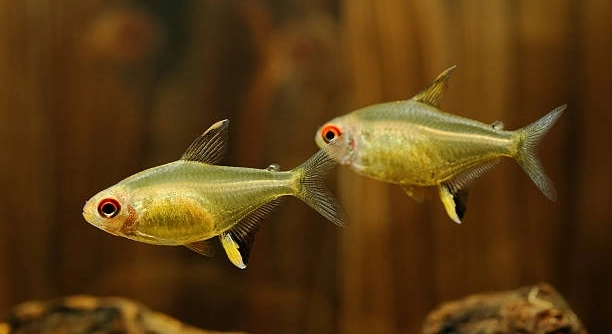
Have you ever watched your aquarium and noticed the tiny lemon tetras swimming gracefully among the plants? These small, bright fish bring life and color, making any tank feel lively and cheerful. Observing them can be surprisingly relaxing.
Lemon tetras do respond to human movement, often becoming more alert or swimming away when a hand approaches the tank. Their reactions are influenced by instinctive caution and environmental awareness rather than social behavior.
Learning how these fish react can help you create a calmer environment. Understanding their responses ensures your aquarium remains a peaceful and enjoyable space for both you and your fish.
How Lemon Tetras Notice Movement
Lemon tetras have keen eyesight that allows them to detect changes in their environment quickly. When a hand moves near the tank, they often pause or dart away, responding instinctively to potential threats. Their small size makes them naturally cautious, and any sudden motion is enough to trigger a reaction. Over time, tetras may recognize repeated, gentle movements from humans and show less stress. Tank decorations, plants, and hiding spots also influence how comfortable they feel around activity. Observing them closely, I noticed that they react differently depending on the angle and speed of motion. Slow, calm gestures produce minimal disturbance, while abrupt movements make them scatter. Understanding this behavior helps in maintaining a stress-free environment. Proper lighting and minimal reflection on the glass can reduce confusion, as tetras sometimes respond to their own reflections thinking it’s another fish. Feeding times also show a stronger response, as they associate humans with food.
Human presence near a tank can alert tetras without harming their daily routines or causing lasting stress.
Being aware of these responses makes aquarium care more intuitive. Adjusting movements can improve their comfort and interaction.
Timing and Frequency of Interaction
Frequent disturbances can make lemon tetras wary, even if they are not harmful. Regular but gentle presence is better.
Consistency matters when observing these fish. Sudden, unpredictable actions may lead to prolonged stress or hiding behavior. I noticed that when I approached the tank the same way each day, they became more comfortable swimming in open areas. Over time, they started associating certain times with feeding and showed less reactive swimming. Introducing small changes gradually, such as hand placement or lighting adjustments, helps them adapt without panic. Some tetras may still dart away at first, but repeated calm exposure allows them to acclimate. I also realized that crowding the tank or moving decorations often creates unnecessary stress. Maintaining a stable environment with predictable human movement ensures the tetras feel secure and remain active. Observing their subtle body movements, like fin flicks and small pauses, provides clues to their comfort levels. With careful attention, human interaction can be integrated seamlessly into their daily life.
Signs of Stress in Lemon Tetras
Lemon tetras show stress through rapid swimming, hiding, or clamped fins. Sudden changes in their environment or frequent human movement can trigger these behaviors. Observing their reactions closely helps prevent long-term stress.
I noticed that when my tetras became startled, they would dart quickly between plants and decorations, sometimes bumping into objects. Their color would fade slightly, and fins would stay close to the body. These behaviors usually last a few minutes, but repeated disturbances can prolong the stress. Feeding or turning on the tank light often intensified their reactions. Over time, I learned to move slowly and avoid sudden gestures near the glass, which allowed them to regain calm more quickly. Even small movements above the tank caused minor reactions initially, but consistent gentle handling reduced overall stress. Watching for these subtle signs made caring for them more effective and enjoyable, ensuring they remained healthy and active.
In addition, I found that grouping tetras in larger numbers helped reduce individual stress. They seemed to rely on schooling behavior for security, and seeing companions navigate around disturbances reassured them. Even minor water changes triggered temporary tension, but a predictable routine minimized panic. I also realized that keeping feeding consistent and avoiding tapping on the tank glass created a more relaxed atmosphere. Lemon tetras are sensitive but adaptable when the environment is stable and movement is controlled. This understanding made interacting with them feel natural and safe.
Encouraging Calm Behavior
Slow, predictable movements near the tank help tetras feel secure and reduce startling reactions. Avoiding sudden gestures makes a noticeable difference.
I started approaching the tank the same way each day, keeping my hands low and movements gentle. Over a few weeks, the tetras began swimming closer to the glass without darting away. I noticed that even small, consistent interactions during feeding times improved their comfort level. The tank layout also mattered; leaving plenty of open space and adding tall plants created hiding spots that allowed them to escape if needed. When they felt secure, their swimming patterns were smoother, and colors appeared brighter. I also experimented with standing still for a moment before reaching in, giving them time to recognize my presence. These adjustments encouraged calmer behavior and made observing them more satisfying.
Consistency in interaction proved essential. Lemon tetras respond better to repeated gentle movements rather than random or erratic gestures. I observed that over time, they learned to anticipate my presence during feeding, swimming confidently instead of scattering. Even minor actions, like refilling water or adjusting decorations, caused less disturbance when done slowly. Providing a stable environment, avoiding unnecessary taps or shadows, and maintaining a predictable routine helped them stay relaxed. Watching their schooling behavior improved significantly, with fewer sudden retreats and more fluid swimming patterns. With patience and awareness, human presence became a natural part of their day, supporting a healthy and calm aquarium environment.
Observing Reactions During Feeding
Lemon tetras become more alert when food is involved. They often swim toward movement near the tank, associating it with feeding time.
I noticed my tetras responded faster when I approached with food. Their usual caution was replaced by curiosity, and they would gather near the glass, waiting patiently.
Adjusting Human Movement
Slow and consistent gestures reduce startle responses in tetras. Rapid movements trigger darting and hiding. Observing my own actions helped me understand their sensitivity.
By moving slowly and keeping my hands at the sides, the tetras gradually stopped reacting nervously. Over several weeks, I realized that even small, sudden motions caused temporary stress. Consistent, calm behavior minimized their anxiety.
Tank Setup Influence
The layout of plants and hiding spots affects how tetras respond to movement. Dense decorations provide security, allowing them to navigate disturbances with confidence.
Providing tall plants, open swimming areas, and stable decorations reduced stress. Lemon tetras used these spaces to feel safe when I moved nearby, showing calmer and more natural behavior overall.
Do Lemon Tetras Get Used to Human Presence?
Yes, lemon tetras can become accustomed to consistent human presence over time. I observed that when I approached the tank at regular intervals and made slow, gentle movements, the tetras reacted less sharply. They started to swim near the glass during feeding without darting away immediately. Patience is key because each fish adapts at its own pace. It’s helpful to maintain a routine so the tetras know what to expect. Over weeks, I noticed they even began exploring the tank more openly when I was nearby, showing clear signs of comfort and familiarity.
Can Lemon Tetras See Reflections and Mistake Them for Movement?
Yes, reflections on tank glass can trigger reactions similar to actual movement. I noticed my tetras sometimes responded to their reflections, especially with bright lighting or clear water. This behavior is normal, as they are highly alert to movement in their environment. To reduce unnecessary stress, I adjusted lighting angles and minimized reflective surfaces around the tank. Reflections often caused temporary darting or hiding, but once the tetras realized there was no threat, they returned to normal behavior. Understanding this helps in distinguishing real responses from false alarms caused by reflections.
Why Do Lemon Tetras Dart Away Suddenly?
Sudden darting is a natural response to perceived threats. I noticed that even small hand movements above the tank or shadows caused quick swimming bursts. These reactions are instinctive and are meant to protect them from predators. Frequent darting can indicate repeated disturbances or an environment that feels insecure. To minimize these reactions, I kept my movements slow, avoided tapping the glass, and ensured there were plenty of hiding spots. Over time, darting became less frequent as the tetras became familiar with predictable human behavior. Observing subtle body language helps gauge their comfort level before approaching the tank.
Do Lemon Tetras React Differently During Feeding Time?
Yes, feeding time significantly changes their behavior. I observed that lemon tetras shift from cautious swimming to active, alert behavior when food is present. They respond quickly to movement above the tank because they associate it with feeding. This heightened awareness does not indicate stress but shows anticipation. Slow, consistent gestures during feeding help reinforce positive interactions. Providing food at predictable times encourages calm responses and allows them to link human presence with a positive experience. The reaction is usually temporary and fades after feeding is complete, with the tetras returning to regular swimming patterns.
Can Tank Size Affect How Lemon Tetras Respond to Movement?
Tank size plays a big role in their comfort and reactions. In smaller tanks, even minor movements above the glass caused pronounced reactions, as the tetras had limited space to escape. I noticed that larger tanks allowed them to retreat and explore more freely, reducing stress responses. Adequate swimming space, combined with hiding spots, creates an environment where movement is less threatening. Over time, I found that they were calmer and more predictable in behavior when the tank had open areas for swimming, balanced with plants and décor for security.
Are Lemon Tetras Sensitive to Changes in Lighting?
Yes, lighting changes can trigger reactions similar to human movement. I noticed that sudden bright lights or turning off the tank caused the tetras to dart or hide. Gradual adjustments helped them adapt without stress. I kept lighting consistent, especially during feeding or maintenance, which reduced startled reactions. Using soft, even lighting and avoiding strong reflections improved their comfort. Lemon tetras are naturally sensitive to light, and sudden changes amplify their caution, so managing lighting carefully is important to maintain calm behavior.
How Long Does It Take for Lemon Tetras to Adjust to Regular Human Activity?
Adjustment varies, but I found it usually takes a few weeks of consistent, gentle interactions. Regular feeding and slow, predictable movements helped the tetras recognize humans as non-threatening. Initially, they might still dart or hide, but repeated calm behavior reduces these responses. Providing secure hiding spots and minimizing sudden disturbances accelerates adaptation. Over time, they become more relaxed, swim openly, and even respond positively during feeding times. Observing their progress daily allowed me to adjust my approach to ensure they felt safe and confident in their environment.
Do Lemon Tetras React Differently in Groups Versus Alone?
Yes, schooling behavior affects reactions. I noticed that when kept in groups, lemon tetras felt more secure and reacted less dramatically to movement. Alone, they appeared more cautious and often hid. Being part of a group provides reassurance, and their collective behavior helps diffuse stress. Observing their interactions showed that schooling reduces the frequency of darting and allows individual fish to explore the tank more comfortably. Properly sized groups contribute to calmer, more predictable behavior, making human presence less intimidating and improving overall tank harmony.
Can Frequent Disturbances Cause Long-Term Stress?
Repeated disturbances can increase stress levels over time. I noticed that tetras exposed to constant tapping, sudden movements, or abrupt changes hid more frequently and showed duller colors. Stress affects their appetite and energy levels. Reducing unnecessary interactions and maintaining a stable environment with consistent routines helps prevent long-term stress. Observing their reactions and adjusting behavior accordingly ensures they remain healthy, active, and comfortable in the tank. Providing a predictable and calm environment supports their well-being and encourages natural, relaxed behavior even when humans are nearby.
Is Human Presence Always Perceived as a Threat?
Not always. Lemon tetras can learn to differentiate between safe human movements and potential danger. I found that consistent, slow gestures combined with feeding led them to associate humans with positive experiences. Initial reactions may still be cautious, but over time they approach the glass more confidently. Predictable routines, calm handling, and secure tank setups help them perceive human presence as non-threatening, allowing natural swimming patterns and reduced stress responses. This adaptation shows how sensitive yet flexible lemon tetras can be in adjusting to daily human interaction.
Lemon tetras are small, lively fish that respond quickly to changes in their environment. One of the most noticeable influences on their behavior is human movement near the tank. They are naturally cautious and alert, which helps them avoid potential threats. Even small gestures, like a hand passing over the glass, can make them dart or hide for a few moments. This is a normal reaction and not a sign of poor care. Over time, tetras can become accustomed to predictable, gentle movements, allowing them to swim more freely without constant stress. Observing these responses helps in understanding their comfort levels and adjusting interactions to make their environment calm and safe.
Creating a stable environment is essential for lemon tetras to feel secure. Tank layout, lighting, and decoration all contribute to how they react to movement. Plants and hiding spots give them space to retreat if they feel threatened, while open areas allow for natural swimming and exploration. I noticed that when the tank was arranged with a balance of shelter and swimming space, the tetras responded less dramatically to my presence. Consistency also plays a key role. Approaching the tank at predictable times, using slow movements, and avoiding sudden gestures made a clear difference in their behavior. Over weeks, their darting decreased, and they began exploring more confidently. The addition of schooling companions further reduced stress, as they relied on each other for security. Watching their interactions and subtle body language provided clear clues about when they felt safe and when they were cautious.
Understanding how lemon tetras react to human movement is important for anyone caring for them. While initial reactions may be cautious or sudden, gentle and consistent interactions help them adapt over time. Tank setup, predictable routines, and attention to their behavior all contribute to creating a peaceful environment. By observing closely and adjusting actions to reduce sudden disturbances, it’s possible to encourage calmer behavior and maintain the fish’s overall health. Lemon tetras are sensitive yet adaptable, and providing a stable, predictable environment allows them to thrive. Careful attention to their responses ensures that interactions remain safe and positive, supporting a healthy, comfortable aquarium.

Hello,
If you enjoy the content that we create, please consider saying a "Thank You!" by leaving a tip.
Every little bit helps us continue crafting quality advice that supports the health, happiness, and well-being of pets around the world, for pets of all shapes, sizes, and species.
We really appreciate the kindness and support that you show us!