
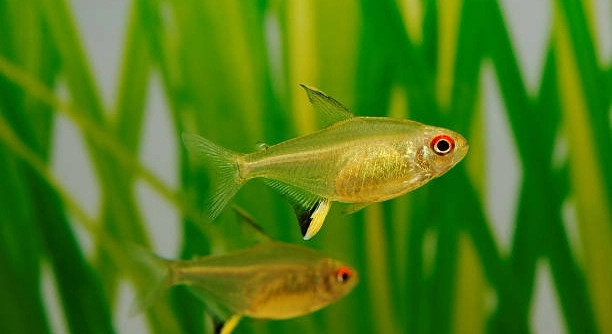
Do your lemon tetras sometimes show ragged or torn fins, making them look unhealthy or stressed in your aquarium? Fin damage is a common concern for hobbyists who want their fish to thrive and appear vibrant.
Lemon tetra fin damage can result from several factors, including poor water quality, aggressive tank mates, nutritional deficiencies, bacterial or fungal infections, physical injury, fin-nipping behavior, and stress caused by sudden environmental changes. Each factor can affect fin integrity differently.
Identifying the cause of fin damage is essential for restoring your fish’s health and maintaining a peaceful aquarium environment. Understanding these factors helps prevent future injuries and keeps your lemon tetras strong and active.
Poor Water Quality
Keeping your aquarium water clean is one of the most important factors for healthy lemon tetra fins. High levels of ammonia, nitrites, or nitrates can irritate their skin and fins, causing them to fray or develop white edges. Sudden changes in pH or temperature can further stress your fish, making them more vulnerable to infections and slowing the natural healing of damaged fins. Regular water testing and partial water changes are key to maintaining stable conditions. Overcrowding and leftover food can worsen water quality, so monitoring your tank’s population and feeding appropriately also helps. Using a reliable filter that matches your tank size ensures consistent filtration and oxygenation, which supports overall fin health. Observing your lemon tetras daily for signs of stress or fin deterioration allows you to act before minor damage turns serious. Clean water promotes recovery and prevents recurring fin issues.
Maintaining water quality involves regular testing, partial changes, and monitoring the tank for overcrowding or leftover food. Consistency is essential.
Proper water conditions not only protect fins from chemical and bacterial damage but also strengthen the immune system of lemon tetras. Stable temperature and pH levels reduce stress, and effective filtration removes harmful particles. Even minor adjustments, like removing uneaten food or performing weekly water changes, can significantly improve fin condition. When combined with observation for aggressive behavior, water maintenance ensures that damaged fins heal properly and reduces the risk of repeated problems. Healthy water supports swimming, feeding, and social interactions, all of which are crucial for active, vibrant fish.
Aggressive Tank Mates
Aggressive or fin-nipping fish can cause noticeable damage to lemon tetra fins.
Some fish species are naturally territorial or aggressive, and they may nip at the delicate fins of smaller tetras. Even mild harassment over time can result in torn or ragged fins, leading to infections if left untreated. Observing interactions in the tank allows you to identify problematic individuals early. Separating aggressive fish or choosing peaceful community species reduces stress and fin damage. Tank layout, such as providing hiding spots with plants or decorations, also helps tetras avoid conflict. Adjusting stocking density and pairing fish of similar size and temperament contributes to a safer environment. Proper care ensures lemon tetras can swim freely without constant harassment, allowing fins to heal and grow back naturally. Regular monitoring of social dynamics is key to maintaining harmony and preserving fin health.
Nutritional Deficiencies
A poor diet can weaken lemon tetra fins, making them more prone to tearing or splitting. Lack of essential vitamins, especially vitamin C and protein, slows fin regeneration and reduces overall vitality, leaving fish more susceptible to stress and infections in the tank.
Feeding only one type of food, like flakes, may not provide the necessary nutrients for healthy fin growth. Including a variety of high-quality flakes, frozen, or live foods ensures they get protein, vitamins, and minerals. Nutritional gaps often lead to pale, brittle fins that fray easily. Observing the fish’s appetite and body condition helps identify deficiencies early. Supplementing occasional treats, like daphnia or brine shrimp, can improve both color and fin resilience, supporting faster recovery from minor damage. A balanced diet plays a critical role in maintaining strong, healthy fins.
Even when water quality and tank mates are managed, fins may still appear damaged if the diet is insufficient. Nutrient-rich foods promote tissue repair and strengthen the immune system, reducing susceptibility to infections. Over time, a varied diet also enhances coloration and energy, allowing lemon tetras to swim actively and interact socially. Poor nutrition can manifest as slow growth, lethargy, or fin decay, which can be avoided by providing a consistent mix of protein-rich and vitamin-fortified foods. Watching for changes in fin condition and adjusting the diet promptly ensures long-term fin health and overall vitality.
Bacterial and Fungal Infections
Bacterial and fungal infections directly harm lemon tetra fins, causing fraying, discoloration, or white spots. These infections often develop in tanks with poor water maintenance or after fin injury, spreading quickly if untreated. Immediate action is crucial to prevent further damage and systemic illness.
Infections usually start at the edges of damaged fins, appearing as soft, ragged tissue or fuzzy growth. Bacteria like Aeromonas and fungi such as Saprolegnia thrive in stressed or weakened fish. Treatment often involves isolating affected fish in a quarantine tank and using medicated water or antifungal solutions according to the severity. Maintaining proper water conditions is essential to prevent recurrence. Removing uneaten food, cleaning the substrate, and ensuring stable temperature reduces pathogen growth. Early detection and consistent care allow fins to regenerate faster and prevent infections from spreading to healthy fish in the main tank.
Prevention is just as important as treatment. Regular water testing, prompt removal of sick or injured fish, and avoiding overcrowding significantly reduce infection risks. Proper nutrition also strengthens the immune system, helping lemon tetras resist opportunistic bacteria and fungi. Even minor scrapes or tears can become entry points for pathogens if water quality is poor or stress is high. Keeping a first-aid plan ready with antifungal or antibacterial treatments ensures quick intervention. Healthy, clean conditions combined with attentive observation make bacterial and fungal issues manageable, supporting recovery and maintaining the long-term health of fins and overall fish well-being.
Physical Injury
Physical injury from sharp decorations, rough substrate, or sudden impacts can easily tear lemon tetra fins. Accidental collisions or snagging on plants and ornaments are common causes of minor fin damage, which can worsen if the fish are stressed or weak.
Observing how fish interact with their environment helps identify hazards. Smooth decorations, rounded edges, and soft plants reduce accidental fin injuries. Rearranging the tank carefully and ensuring no sharp objects protrude into swimming areas keeps fins intact and supports healing.
Fin-Nipping Behavior
Fin-nipping among tank mates can lead to shredded or ragged fins. Even small, seemingly harmless fish may target long or flowing fins, especially in confined spaces. Managing stocking density and choosing compatible species minimizes aggression. Regular observation helps catch repetitive nipping before it causes severe damage.
Stress
Stress from overcrowding, sudden temperature changes, or excessive handling weakens lemon tetra fins and slows healing. Chronic stress makes fish more susceptible to infections, fin rot, and behavioral issues. Maintaining stable water conditions and a calm environment promotes recovery.
Environmental Changes
Sudden environmental changes, including shifts in light, temperature, or water chemistry, can shock lemon tetras, causing fin damage. Gradual adjustments and consistent monitoring reduce stress, support healing, and maintain overall fin health.
FAQ
What are the first signs of fin damage in lemon tetras?
The earliest signs of fin damage include small tears, ragged edges, or discoloration at the tips of the fins. Fish may swim less actively or avoid areas where they previously got injured. Observing daily helps catch damage before it worsens.
Can fin damage heal on its own?
Yes, minor fin tears can heal naturally if water quality is stable and stressors are minimized. However, ongoing issues like aggressive tank mates or infections will slow recovery. Providing a balanced diet and reducing risk factors supports regeneration.
How do I treat fin rot?
Fin rot caused by bacteria or fungi requires isolating the affected fish in a quarantine tank. Treatment includes medicated water or antifungal solutions according to instructions. Maintaining clean, stable water during treatment accelerates healing and prevents recurrence.
Is water temperature linked to fin health?
Sudden fluctuations or prolonged improper temperatures stress lemon tetras, weakening their fins and immune system. Stable, appropriate temperature encourages healthy swimming, feeding, and faster recovery of damaged fins. Using a reliable heater or thermometer is recommended.
Can diet prevent fin damage?
Yes, a varied diet rich in protein, vitamins, and minerals strengthens fin tissue and promotes faster healing. Flakes, frozen foods, and occasional live foods provide the nutrients necessary for strong, resilient fins. Consistent feeding and observation are key.
How can I stop fin-nipping in my tank?
Fin-nipping can be reduced by keeping compatible species together, maintaining proper stocking density, and providing hiding spots with plants or decorations. Aggressive individuals should be separated to protect delicate fins and prevent ongoing damage.
Do decorations or substrate cause fin injury?
Yes, sharp or rough surfaces can tear fins during swimming. Using smooth decorations, soft plants, and rounded gravel edges minimizes accidental injuries and encourages safe movement throughout the tank.
When should I use a quarantine tank?
A quarantine tank is necessary if fins show signs of infection, severe tearing, or persistent damage from aggressive tank mates. Isolating the fish prevents spread of disease and allows focused treatment for faster recovery.
Can stress alone damage fins?
Chronic stress weakens the fish’s immune system, making fins more fragile and prone to tearing or infection. Overcrowding, frequent handling, or sudden environmental changes are common stressors to avoid. A calm, stable environment supports overall health.
Are all lemon tetras equally prone to fin damage?
Some fish are naturally more delicate or timid, making them more susceptible to injury or stress-related fin problems. Observing individual behavior and adjusting tank conditions helps protect vulnerable fish and maintain harmony in the aquarium.
How often should I check my lemon tetras for fin health?
Daily observation is ideal. Checking for minor tears, discoloration, or changes in behavior allows early intervention and reduces the risk of infection or worsening damage. Prompt action ensures faster recovery and prevents long-term fin issues.
Can fin damage affect swimming or feeding?
Yes, damaged fins can impair swimming efficiency, making it harder for fish to reach food or navigate the tank. Early treatment and supportive care help restore mobility, feeding ability, and overall well-being.
Is it safe to treat the whole tank for fin damage?
Treating the entire tank can stress healthy fish if medications are used unnecessarily. Targeted quarantine treatment is safer and more effective, reducing the risk of side effects while addressing the specific affected fish.
How long does it take for fins to fully regrow?
Regrowth depends on the severity of damage, water quality, diet, and stress levels. Minor tears may heal in a few weeks, while severe fin loss can take several months. Consistent care accelerates recovery and maintains fish health.
Can multiple causes combine to damage fins?
Yes, fin damage often results from a combination of poor water quality, aggression, stress, and inadequate nutrition. Addressing all contributing factors simultaneously gives the best chance for full recovery and prevents recurring issues.
Is it normal for fins to look slightly frayed occasionally?
Slight fraying can occur from minor interactions or environmental contact, but persistent or worsening damage indicates underlying problems. Monitoring conditions, diet, and tank mates helps determine if intervention is needed.
Do lemon tetras need special care to prevent fin problems?
They do best in stable, clean water with peaceful tank mates and a balanced diet. Attention to water parameters, tank setup, and stress reduction minimizes the risk of fin damage and supports overall longevity and activity.
Can stress from transport or new tanks affect fins?
Yes, moving fish or introducing them to a new environment can temporarily stress them, weakening fins. Gradual acclimation, careful handling, and stable water conditions reduce the impact and help fins stay intact during transitions.
Are medications always necessary for fin damage?
Not always. Minor physical tears without infection often heal with clean water, proper diet, and reduced stress. Medications are only needed for bacterial or fungal infections or when damage worsens despite ideal conditions.
How can I maintain long-term fin health?
Long-term fin health depends on consistent water maintenance, a balanced diet, careful tank stocking, and regular observation. Early detection, proactive care, and stress minimization help lemon tetras maintain strong, intact fins and thrive in their environment.
Lemon tetras are small, delicate fish that require consistent care to maintain their health, especially their fins. Fin damage is a common issue that can result from multiple factors, including poor water quality, aggressive tank mates, inadequate nutrition, infections, physical injury, or environmental stress. Understanding these causes helps in preventing damage and ensuring your fish remain active and vibrant. Paying attention to their tank environment, observing their behavior, and maintaining a stable routine are essential practices that contribute to the long-term health of your lemon tetras. Even small adjustments, like removing sharp decorations or adding hiding spaces, can make a noticeable difference in fin protection and overall well-being.
Maintaining water quality is one of the most important aspects of fin care. Ammonia, nitrites, and nitrates can irritate fins and slow their natural healing process. Regular water changes, careful monitoring of water parameters, and proper filtration reduce the risk of chemical stress and infections. Temperature fluctuations or sudden changes in water chemistry can also weaken fins, so keeping conditions stable is critical. Providing a balanced diet that includes high-quality flakes, frozen, or live foods supports tissue repair and strengthens the immune system. Nutrition plays a vital role in helping fins regrow after minor damage and in preventing future problems. Paying attention to these factors ensures lemon tetras are less susceptible to fin issues and allows them to swim freely and comfortably in their environment.
Behavior and stress are additional factors that affect fin health. Aggressive tank mates or overcrowding can cause tearing or fin-nipping, while chronic stress from environmental changes or frequent handling slows recovery. Minimizing these stressors, observing interactions between fish, and addressing behavioral issues promptly protects fins from further harm. Infections, whether bacterial or fungal, are more likely to develop in stressed or weakened fish, so early detection and treatment are crucial. Providing a calm, stable environment, regular observation, and proper care allows fins to heal naturally and reduces the risk of recurring damage. Overall, attentive care, balanced nutrition, safe tank conditions, and a stress-free environment are key to ensuring lemon tetras maintain strong, healthy fins throughout their lives.

Hello,
If you enjoy the content that we create, please consider saying a "Thank You!" by leaving a tip.
Every little bit helps us continue crafting quality advice that supports the health, happiness, and well-being of pets around the world, for pets of all shapes, sizes, and species.
We really appreciate the kindness and support that you show us!