
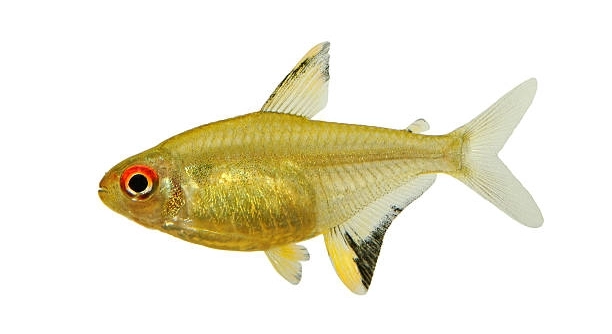
Lemon tetras are small, bright fish that bring life to any freshwater aquarium. They are lively and responsive, often showing reactions to their surroundings that make observing them quite enjoyable and rewarding for fish keepers.
Lemon tetras instantly respond to specific stimuli such as feeding, changes in lighting, movement near the tank, water flow, presence of other fish, temperature shifts, and new decorations. These factors trigger immediate, observable behavioral reactions in the species.
Knowing how lemon tetras react to their environment can help improve their care and ensure they remain active and healthy in your aquarium.
Feeding Time
Lemon tetras are very responsive when it comes to feeding. They recognize the sound of food hitting the water and often swim quickly toward it. Small flakes or micro pellets are ideal for their size. Over time, they may even learn the schedule and react as feeding time approaches. Watching them gather near the surface or mid-water is fascinating. Their bright yellow color seems more vibrant during this activity, making the aquarium lively. Feeding also helps in monitoring their health because any hesitation or unusual behavior may indicate stress or illness. Keeping a consistent feeding routine can reduce aggression among them and ensure each fish gets its share of food. Avoid overfeeding, as leftover food can pollute the water and affect the tetras’ wellbeing.
Feeding triggers an immediate response in lemon tetras, showing active swimming and increased alertness. This behavior is natural and critical for assessing their health.
Observing lemon tetras during feeding provides insight into their personality and preferences. Some may dart faster than others, while a few might be more cautious. This activity is also a simple way to bond with your fish and notice subtle changes in behavior. Food presentation matters; floating flakes often gather them near the top, while sinking pellets engage them deeper. Lighting can enhance their response, as they are more visible and active under bright but indirect light. Over time, you may notice patterns, like which tetras are quicker to respond and which linger. These small differences make observing them more enjoyable. Feeding not only satisfies hunger but also encourages movement, helping maintain their muscle tone and overall health. Adjusting portion sizes and frequency ensures they stay healthy and the tank remains clean. Understanding their feeding behavior can also guide changes in tank setup or diet, promoting long-term wellbeing.
Reaction to Light Changes
Lemon tetras react quickly to sudden light shifts. Their swimming becomes more alert and sometimes faster as they adjust to the new brightness or dimness.
Gradual lighting transitions help reduce stress. Sudden changes can startle them, affecting mood and feeding patterns. Adjusting light schedules can simulate natural day and night cycles.
Proper lighting impacts lemon tetra behavior beyond just visibility. Bright lights often encourage active swimming, while dim or shaded areas allow resting and hiding. Fish may explore shaded corners or cluster near decorations when lights change, showing their instinctive need for cover. A consistent lighting schedule strengthens their internal rhythm, reducing stress and promoting predictable activity patterns. Lighting also influences coloration; their yellow hues appear more intense under appropriate light, enhancing visual appeal. Observing these reactions over time helps recognize any unusual stress responses that may indicate illness or water quality issues. Using a timer can ensure gradual transitions, providing a more stable environment. Balancing light intensity, duration, and tank placement is essential for both behavioral enrichment and maintaining a healthy habitat. Changes should be introduced carefully, observing the tetras’ response and adjusting as necessary to maintain calm and natural behavior.
Movement in the Tank
Lemon tetras respond quickly to any movement near the tank. They often swim toward the motion or dash away, depending on their comfort level. Quick movements can make them more alert, showing their natural instincts and curiosity.
Movement in the tank, whether from your hand, a decoration, or another fish, often triggers immediate reactions. They may dart to the top or middle, hover near plants, or cluster together for safety. These reactions show their social instincts and awareness of their environment. Observing how each tetra responds can help understand their personalities, from bold individuals to shy ones. Movement also stimulates activity, keeping them healthy and engaged throughout the day.
Consistent exposure to gentle movement can reduce fear over time. Lemon tetras begin associating harmless motions with safety and food. This adaptation makes them more confident swimmers and encourages interaction with the tank’s surroundings. It also provides mental stimulation, as they explore corners, plants, and decorations triggered by movement cues. Understanding these behaviors helps in arranging the tank efficiently, ensuring hiding spots and open areas for activity. Movement influences feeding responses too, as they link certain motions with approaching food, showing their ability to learn and adapt.
Water Flow Sensitivity
Lemon tetras react strongly to changes in water flow. They swim differently depending on currents, adjusting their speed and direction instantly.
Flow affects their daily activity and comfort. Gentle currents encourage swimming exercise, while strong currents may stress them. Proper water movement also helps oxygenation and keeps waste suspended for filtration. Adjusting flow ensures their environment matches natural conditions.
Observing their response to water flow can guide tank setup. In strong currents, tetras may cling to plants or decorations for stability, while in calm water, they swim freely in groups. Flow patterns influence social behavior, allowing some fish to lead while others follow. Inadequate or uneven flow may cause erratic swimming, stress, or hiding, signaling the need for adjustments. Creating areas of both calm and gentle currents supports natural behavior, encouraging exploration and exercise. Rotating filter outputs or adding flow guides can balance movement, making the tank more comfortable. Monitoring responses over time ensures long-term health and reduces stress-related issues, keeping the tetras active and content.
Presence of Other Fish
Lemon tetras respond immediately to other fish in the tank. They may swim closer, follow, or keep a cautious distance depending on the species and their temperament. Social dynamics play a big role in their daily behavior.
Schooling behavior is natural for lemon tetras. When they see other tetras or peaceful species, they tend to group together, coordinating movements. Aggressive or larger fish may trigger hiding or erratic swimming. Observing these interactions helps maintain harmony and ensures the tank’s social balance.
Temperature Shifts
Even slight changes in water temperature can make lemon tetras react quickly. They adjust swimming speed and position to find comfort zones in the tank. Temperature consistency is vital for their wellbeing and overall activity levels.
New Decorations
Lemon tetras are curious when new decorations are added. They swim around, inspect, and sometimes hide near these items. These objects provide stimulation and encourage exploration, helping maintain mental engagement.
FAQ
How do lemon tetras react to feeding?
Lemon tetras show immediate excitement when food is added to the tank. They swim quickly toward the surface or mid-water, gathering in groups and competing gently for food. Their response is more noticeable with regular feeding schedules, as they begin to recognize the timing and approach the area before food even falls. Watching this behavior helps monitor their health and appetite. Active and alert tetras usually indicate they are healthy, while a lack of response can suggest stress, illness, or water quality issues. Using small flakes or micro pellets ensures they can feed comfortably without leftover food polluting the tank.
Do lemon tetras respond to light changes?
Yes, lemon tetras react noticeably to changes in lighting. Sudden bright lights can startle them, causing rapid swimming or darting toward shaded areas. Gradual changes help them adjust and reduce stress. Proper lighting also enhances their yellow coloration, making them more visually appealing. Observing their reaction to light provides insight into stress levels and preferred tank conditions. Maintaining a consistent day-night schedule with gradual transitions supports their natural rhythm, keeping them calmer and more predictable in behavior. Over time, tetras can even learn patterns in lighting changes, becoming less reactive to minor shifts.
How sensitive are lemon tetras to water movement?
Lemon tetras are highly responsive to water flow. Gentle currents encourage swimming and exercise, while strong or uneven currents can cause stress. They adjust swimming speed and direction immediately when water flow changes, often clinging to plants or decorations for stability. Observing how they react helps balance tank conditions and ensures comfort. Creating areas of both calm water and gentle flow allows natural behavior while promoting activity. Proper water movement also aids in oxygenation and filtration, benefiting overall tank health. Lemon tetras adapt over time, but consistent monitoring ensures they remain comfortable and healthy in the environment.
Do lemon tetras react to other fish?
Yes, social interactions significantly affect lemon tetra behavior. They often swim in groups, especially around similar peaceful species, showing natural schooling behavior. Aggressive or larger tank mates may trigger hiding, erratic swimming, or avoidance. Observing these interactions ensures compatibility and prevents stress. Schooling helps them feel secure and encourages natural movement patterns. Over time, individual personalities emerge, with some tetras being bolder or more cautious. Proper tank selection and grouping minimize conflicts, keeping the school active and healthy. Understanding social dynamics allows better tank management and fosters a balanced, harmonious environment.
How do lemon tetras respond to temperature changes?
Temperature shifts prompt immediate swimming adjustments. Lemon tetras seek areas of comfort, often moving vertically or toward filtration zones. Maintaining stable water temperatures is essential for activity, appetite, and long-term health. Sudden changes can stress them, reduce feeding, or trigger hiding. Monitoring temperature and using reliable heaters or chillers helps prevent fluctuations. Gradual adjustments during maintenance or seasonal changes ensure the fish remain calm and active. Their reactions can indicate whether tank conditions are suitable. Observing behavior during shifts helps predict their comfort level and informs better tank management decisions, ensuring a stable environment for all aquatic life.
Do lemon tetras notice new decorations?
Yes, lemon tetras are naturally curious and often explore new items. They swim around decorations, inspect corners, and sometimes use them as temporary hiding spots. Introducing decorations stimulates exploration, reduces boredom, and encourages exercise. Over time, they may associate these items with safety or territory boundaries. Placement matters; adding plants, rocks, or ornaments in open areas encourages active swimming, while clustered items provide shelter. Observing their interaction with decorations can reveal personality traits, such as shyness or boldness. Regularly updating tank features in a controlled manner helps maintain engagement and mental stimulation, promoting healthier and more active fish overall.
Can lemon tetras be trained to recognize routines?
Yes, lemon tetras learn patterns in feeding, lighting, and movement. They respond to cues like hand motions near the tank, food drops, or light changes. Regular routines strengthen recognition and reduce stress during predictable events. Their learning ability allows easier observation of behavior, making maintenance and feeding smoother. Consistent practice improves familiarity, helping the fish associate certain signals with comfort, activity, or food. Tracking these patterns also helps spot unusual behaviors early, indicating potential health or environmental issues. Engaging with them through gentle, routine interactions fosters a calm and responsive aquarium environment, benefiting both the tetras and the tank’s overall harmony.
Final Thoughts
Lemon tetras are small, lively fish that react to many things in their environment. Their responses to feeding, light, water flow, and the presence of other fish make them interesting to observe. These behaviors are not random but are natural instincts that help them survive and thrive in a tank. Understanding how they react can make caring for them easier. Each fish may have slightly different habits, so paying attention to individual behavior is important. Some may be bolder and swim freely, while others may be more cautious and stay near plants or decorations. By noticing these differences, you can provide a tank setup that works for all of them and reduces stress in the group.
Creating a suitable environment is key to keeping lemon tetras healthy. Water temperature, flow, and lighting all play roles in their behavior and comfort. Stable conditions encourage normal swimming, feeding, and social interactions. Sudden changes can stress them, leading to hiding, erratic swimming, or reduced appetite. Feeding routines and gentle interactions can help tetras feel secure and confident. Introducing decorations and plants adds both shelter and stimulation, encouraging exploration and activity. Observing their reactions to these changes over time can reveal their preferences and help you adjust the tank setup. Healthy lemon tetras are active, colorful, and responsive, making it rewarding to watch them in a well-maintained aquarium.
Lemon tetras’ reactions provide insight into their wellbeing and personality. Regular observation helps identify any early signs of illness or discomfort. Their responses to food, other fish, water movement, and new decorations show how they adapt to their surroundings. Consistent care, attention to environmental conditions, and understanding their behavior are all important for their health. Over time, they become more predictable in their responses, showing patterns in feeding, swimming, and interaction with tank features. By learning these patterns, you can improve their care and make the tank more enjoyable for both the fish and yourself. Lemon tetras are small but sensitive creatures, and taking the time to notice and respond to their behavior helps ensure they stay happy, active, and vibrant in their home.

Hello,
If you enjoy the content that we create, please consider saying a "Thank You!" by leaving a tip.
Every little bit helps us continue crafting quality advice that supports the health, happiness, and well-being of pets around the world, for pets of all shapes, sizes, and species.
We really appreciate the kindness and support that you show us!