
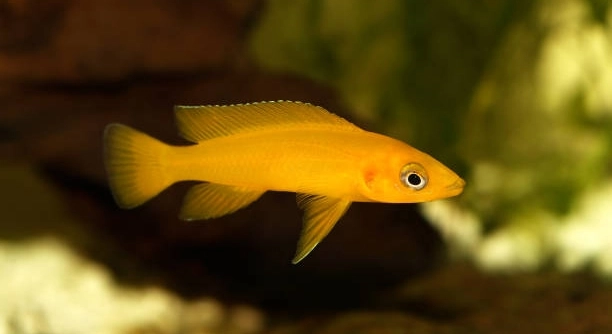
Are your Lemon Tetras showing signs of increased activity in the aquarium? Observing their behavior closely can help you understand their readiness to breed. Small changes in swimming patterns or interactions can reveal important reproductive cues.
Lemon Tetras are ready to breed when males display brighter coloration, females appear plump, and both show increased pairing behavior. Environmental cues such as temperature, lighting, and water quality also play a significant role in stimulating reproductive readiness.
Recognizing these signs early allows for proper tank preparation and care. Identifying breeding readiness ensures a healthier environment for both adults and fry.
Male Lemon Tetras Show Brighter Colors
When male Lemon Tetras are ready to breed, their colors become noticeably brighter. The yellow hues on their bodies deepen, and the blue or green shades on their fins shine more vividly. This change is most visible under good lighting conditions. Males may also display a slight shimmer as they move through the water. Along with coloration, their behavior changes. They become more active, often swimming in short bursts and hovering near potential mates. Some males may even chase each other lightly, asserting dominance without aggression. These visual cues are a reliable indicator that breeding conditions are favorable. Observing these changes carefully can help you anticipate spawning and prepare the tank. Maintaining clean water and stable temperatures supports this color change and keeps the tetras healthy during this period. Feeding high-quality, protein-rich foods also enhances coloration and energy levels.
Bright coloration in males signals sexual maturity and readiness for pairing. It helps females identify suitable mates.
Monitoring these color changes gives insight into timing breeding attempts. Adjusting tank conditions like lighting and water quality further encourages spawning. Males displaying consistent bright colors paired with active swimming patterns are almost always ready to breed. Keeping the environment stress-free and providing hiding spots ensures females feel safe to respond to males. Observing daily interactions allows you to see natural courtship rituals, including chasing and fin displays. The combination of visual cues and behavior provides a reliable framework for determining breeding readiness. Once these signs are noted, separating a breeding pair into a dedicated tank can increase success rates.
Females Become Plump
Female Lemon Tetras develop a rounder belly as they near breeding readiness. The abdomen swells due to developing eggs, and the body looks fuller than usual. This change can be subtle at first but becomes more apparent with close observation. Healthy females maintain vibrant scales and clear eyes during this stage. Overfeeding or poor water conditions can exaggerate swelling but may indicate stress rather than egg development. Pairing behavior also increases; females begin swimming near males and may respond to their displays. Ensuring the female has high-quality, nutritious food supports egg development. Avoid sudden changes in water temperature, which can stress her and impact reproductive health.
Plump females indicate egg development and imminent spawning activity.
Watching females carefully helps predict when spawning will occur. Pairing them with the right males in a suitable environment maximizes the chance of successful breeding. Proper care during this stage, including stable water conditions, minimal stress, and balanced nutrition, ensures that females remain healthy and capable of laying viable eggs. Females may also explore plants or substrate, signaling nesting preferences. Maintaining consistency in the tank helps reduce stress, which is crucial for reproductive success. Observing interactions between plump females and bright-colored males allows you to identify compatible pairs. Creating a safe, clean, and well-structured tank environment supports natural breeding behavior, encouraging the tetras to spawn effectively while reducing the risk of health issues.
Increased Pairing Behavior
Lemon Tetras ready to breed spend more time near each other. Males and females often swim closely, following each other around the tank. This consistent pairing signals readiness to spawn and helps establish bonds before eggs are laid.
This behavior is part of their natural courtship. Males display their brighter colors, flaring fins slightly, while females respond by staying close. They may swim together around plants or decorations, which provides the female with a sense of security. Observing these patterns can help you identify when to separate pairs for breeding. Ensuring calm water conditions and minimal disturbances encourages natural interactions. Pairing behavior is usually more noticeable during morning hours, when activity levels peak, so paying attention during this time gives the clearest picture of readiness.
Watching pairs closely allows you to anticipate spawning and provide optimal conditions. Safe spaces, gentle filtration, and stable water parameters enhance their comfort. Regular observation ensures both tetras remain healthy and responsive. This pairing phase often lasts several days, and patience is key to successful breeding.
Water Conditions Are Ideal
Stable water parameters encourage Lemon Tetras to breed. Temperature, pH, and hardness must be within suitable ranges for comfort and reproductive health. Slight fluctuations can stress fish, delaying spawning. Plants or fine-leaved decorations provide cover and enhance security.
Clean water and low nitrate levels are critical. Regular partial water changes prevent buildup of waste that can hinder breeding. Slightly warmer water within their tolerance range often stimulates spawning behavior. Filtration should be gentle to avoid disturbing eggs or fry, and lighting should remain consistent to maintain natural day-night cycles. Avoid adding new fish during this period, as stress can interrupt courtship. Tracking water conditions daily ensures stability and supports healthy reproductive cycles, increasing the likelihood of successful spawning.
Proper water management and environmental control improve breeding success. Lemon Tetras rely on consistent conditions, so monitoring temperature, pH, and cleanliness is essential. Plants or floating cover encourage natural behavior and provide protection. Avoiding sudden changes reduces stress and allows natural courtship to continue uninterrupted. Regular observation and minor adjustments maintain stability, giving the fish the best chance for spawning. Creating a calm, predictable environment supports egg development and fry survival. Consistency in all aspects of the tank ensures the pair remains comfortable and ready to complete the breeding process.
Increased Activity Levels
Lemon Tetras show higher activity when ready to breed. They swim more actively around the tank, exploring plants and open spaces. This energy indicates reproductive readiness and encourages courtship interactions between males and females.
Active swimming also helps males display their colors and fins. Females respond by following closely, signaling receptiveness.
Nesting Behavior
Some Lemon Tetras begin exploring fine-leaved plants or sheltered areas in the tank. They may hover near these spots or brush against leaves, indicating potential sites for egg laying. This behavior shows their instinct to find safe places for successful spawning and protects the eggs from harm.
Feeding Increases
Breeding-ready Lemon Tetras often show increased appetite. They actively search for high-protein foods like live or frozen brine shrimp, daphnia, or specialized tetra flakes. Providing quality nutrition ensures females develop healthy eggs and males maintain energy for courtship and territorial displays.
Flaring Fins
Males frequently flare their fins when ready to breed. This display highlights bright colors and demonstrates fitness to females. Flaring is a natural courtship behavior that helps establish dominance among males while attracting female attention.
FAQ
How can I tell if my Lemon Tetras are ready to breed?
You can identify breeding readiness by observing several signs. Males display brighter colors, flare their fins, and swim actively near females. Females become plump, indicating egg development, and often stay close to males. Pairing behavior, such as swimming together around plants or decorations, is also common. Ideal water conditions with stable temperature, pH, and cleanliness support these behaviors. Watching daily interactions provides a clear picture of readiness and helps you plan a safe environment for spawning.
What water conditions are best for Lemon Tetra breeding?
Lemon Tetras prefer slightly soft, neutral water with stable temperature around 24–27°C (75–80°F). pH should remain between 6.5 and 7.5. Nitrate and ammonia levels must be minimal. Gentle filtration reduces stress, while plants or fine-leaved decorations provide hiding spots. Consistent lighting and avoiding sudden water changes help maintain reproductive behavior.
How do I encourage males to display their colors?
Bright colors appear when males are healthy and unstressed. Feeding high-protein foods like live brine shrimp, daphnia, or specialized tetra flakes enhances coloration. Stable water conditions, adequate lighting, and minimal disturbances also help males showcase their natural colors, making them more attractive to females.
How can I tell if a female is ready to lay eggs?
Plumpness in the female is the clearest sign. Her abdomen swells as eggs develop. Females may hover near plants or decorations, indicating potential spawning sites. Active swimming with males and responsiveness to fin displays are additional behavioral cues. Maintaining clean water and proper nutrition ensures her eggs are healthy.
Do I need a separate breeding tank?
A separate breeding tank is recommended for better control over conditions and to protect eggs from adults or other fish. It should include gentle filtration, plants or spawning mops, and stable water parameters. This setup increases the chances of successful hatching and fry survival.
How long does it take for Lemon Tetra eggs to hatch?
Eggs usually hatch within 24–36 hours, depending on temperature. Warmer water speeds up development, while cooler conditions slow it slightly. Ensuring optimal water conditions during this period is critical to prevent fungus or egg loss.
What should I feed Lemon Tetra fry?
Once hatched, fry need tiny, high-protein foods. Infusoria, liquid fry food, and newly hatched brine shrimp are ideal. Feed small amounts several times daily to support growth. Maintain clean water and avoid overfeeding, as uneaten food can harm fry and affect water quality.
Can adult Lemon Tetras eat their eggs?
Yes, adults may eat eggs if left in the same tank. Separating eggs or moving the breeding pair to a dedicated tank helps prevent this. Providing hiding spaces or spawning mops in the breeding tank can also protect eggs until they hatch.
How often can Lemon Tetras breed?
Under optimal conditions, Lemon Tetras can spawn every few weeks. Continuous good water quality, stable temperature, and proper nutrition allow repeated breeding cycles. Monitoring the fish for stress and ensuring recovery time between spawns improves egg viability and overall health.
What problems should I watch for during breeding?
Common issues include stressed fish, poor water quality, fungal infections on eggs, and predation by adults. Maintaining stable water parameters, providing proper nutrition, and separating eggs from adults minimize risks. Observing behavior closely allows early intervention to protect both the pair and developing fry.
How can I increase fry survival rates?
Survival depends on clean water, adequate hiding spaces, and appropriate feeding. Remove leftover food and debris promptly. Use gentle filtration to avoid sucking up fry. Feeding high-quality microfoods frequently supports healthy growth. Keeping stable temperature and avoiding sudden changes reduces stress and ensures higher survival.
Do Lemon Tetras need specific lighting for breeding?
Consistent lighting helps maintain natural day-night cycles, which encourages regular activity and courtship. Avoid overly bright or harsh lights, which can stress the fish. Moderate lighting highlights colors and allows observation of pairing and spawning behavior without disturbing the fish.
Is it normal for males to chase each other?
Yes, gentle chasing is part of courtship and establishing dominance. It should not involve injury or excessive aggression. Observing these interactions helps identify which males are most likely to succeed in pairing with females. Providing hiding spaces reduces stress during these displays.
How long does courtship usually last?
Courtship can last several days. During this time, males display colors, flare fins, and swim with females. Females respond by staying close or exploring spawning areas. Patience during this period is essential, as forcing conditions or separating pairs too soon may disrupt natural breeding behavior.
What type of plants are best for spawning?
Fine-leaved plants, such as Java moss or small-leafed aquatic plants, provide surfaces for eggs to attach. Floating plants can also help diffuse light and create a safer environment. Plants reduce stress, offer protection for eggs, and mimic natural habitats for better reproductive success.
Can I breed multiple pairs in one tank?
It is not recommended, as competition and egg predation can occur. A dedicated breeding tank per pair improves success rates and reduces stress. Providing separate tanks allows better control of water quality, feeding, and fry protection.
How do I prevent fungal growth on eggs?
Maintaining clean water and stable conditions reduces fungal risk. Some breeders lightly treat eggs with antifungal solutions or use gentle aeration to keep water circulating. Avoid overcrowding and remove any debris or dead eggs promptly to prevent contamination.
When should I move fry to a larger tank?
Fry can be moved once they are free-swimming and large enough to avoid being sucked into filters. Usually, this occurs after two to three weeks. Gradual acclimation and continued high-quality feeding support healthy growth during the transition.
How do I identify male and female fry?
Sexing Lemon Tetras at a young age is difficult. Subtle differences in body shape and coloration develop gradually. Males often show brighter colors and slimmer bodies, while females remain slightly rounder. Observation over time helps determine suitable breeding pairs.
Can I use artificial lighting to simulate natural conditions?
Yes, consistent artificial lighting can support breeding. Use timers to mimic a natural day-night cycle, which encourages regular activity, courtship, and spawning. Avoid sudden changes in light intensity, which may stress fish and disrupt breeding behavior.
What is the best diet for breeding pairs?
High-protein foods like live or frozen brine shrimp, daphnia, and specialized tetra flakes are ideal. Adequate nutrition supports egg development in females and enhances male coloration. Feeding small portions multiple times daily ensures energy for courtship and reduces waste buildup in the tank.
How do I know if eggs are fertilized?
Fertilized eggs are usually clear or slightly yellow with visible embryos developing inside. Unfertilized eggs turn opaque or white and may become fungus-infected. Observing eggs within the first day helps identify viable ones and determine if intervention or removal is needed.
Can I breed Lemon Tetras year-round?
With stable water conditions, proper lighting, and consistent nutrition, Lemon Tetras can breed throughout the year. Seasonal changes in temperature or water quality are less relevant in a controlled tank, allowing repeated spawning cycles when conditions remain ideal.
What temperature range is optimal for breeding?
A stable 24–27°C (75–80°F) is ideal. Slightly warmer water can accelerate spawning, but sudden fluctuations may stress the fish. Maintaining consistent temperature improves courtship, egg development, and fry survival.
How soon do fry start eating on their own?
Fry begin feeding a few days after hatching, starting with infusoria or liquid fry food. Gradually introducing small live foods like newly hatched brine shrimp supports healthy growth. Frequent feeding and clean water are essential for survival.
What is the role of plants during breeding?
Plants provide surfaces for eggs, reduce stress, and mimic natural habitats. They also create hiding spots for fry once hatched. Dense plant coverage encourages natural spawning behavior and increases the chances of egg and fry survival.
How do I prevent stress in breeding pairs?
Maintain stable water conditions, provide hiding spaces, feed nutritious food, and avoid sudden changes. Minimizing disturbances like tank tapping or loud noises ensures fish remain comfortable and focused on courtship and spawning.
Can water hardness affect breeding?
Yes, Lemon Tetras prefer soft to moderately hard water. Extremes in hardness can stress fish, reduce egg viability, and affect fry development. Monitoring and adjusting hardness within a suitable range supports successful reproduction.
Is it normal for breeding behavior to vary between pairs?
Yes, some pairs are more active or aggressive, while others are calm. Individual temperament affects courtship patterns and timing. Observing each pair’s behavior ensures tailored care and increases breeding success.
How do I remove unfertilized eggs?
Carefully remove opaque or white eggs using a small net or pipette. Leaving them can lead to fungal growth, which may infect healthy eggs. Gentle handling prevents stress or damage to fertilized eggs.
What signs indicate fry are growing well?
Healthy fry are active, evenly colored, and feed eagerly. They show steady growth over days and develop visible fins and body shape. Any lethargy, discoloration, or poor appetite may indicate water quality issues or nutritional deficiencies.
How do I know when it’s safe to introduce fry to community tanks?
Wait until fry are large enough to avoid predation. Gradually acclimate them to water conditions in the main tank. Provide plants or hiding spots to reduce stress and increase survival chances during transition.
What is the best way to observe breeding without disturbing fish?
Use gentle lighting and watch from a distance. Avoid tapping the glass or sudden movements. Observing natural behavior ensures accurate assessment of readiness, pairing, and courtship without causing stress.
Can breeding affect adult Lemon Tetra health?
Breeding can temporarily increase stress and energy demands. Providing proper nutrition, stable water conditions, and recovery time between cycles minimizes negative effects and keeps adults healthy for future breeding.
How long do breeding pairs stay together?
Pairs may stay together for several days during courtship and spawning. After eggs are laid, it is often best to separate adults to protect eggs and fry, ensuring maximum survival rates.
Are there signs of stress during breeding?
Signs include erratic swimming, hiding, loss of appetite, or aggression beyond normal courtship. Immediate attention to water conditions, feeding, and tank environment can reduce stress and support continued breeding activity.
Can I breed Lemon Tetras without live food?
Yes, high-quality frozen or prepared foods work, but live food often stimulates courtship and improves egg quality. Combining frozen and prepared foods can meet nutritional needs and encourage natural behavior.
How do I track progress during breeding?
Observe pairing behavior, egg development, and fry growth daily. Record water parameters, feeding, and any unusual behavior. Consistent monitoring helps identify problems early and ensures successful spawning.
What are the most common mistakes during breeding?
Common mistakes include poor water quality, overcrowding, not separating eggs, and inconsistent feeding. Avoiding these errors through careful observation and proper tank management greatly increases success rates.
How long should I wait before attempting another breeding cycle?
Allow adults to recover for a few weeks after spawning. This rest period ensures fish remain healthy and increases the likelihood of successful subsequent breeding attempts.
How do I prevent adult aggression during breeding?
Provide enough space, plants, and hiding spots. Monitor interactions and separate overly aggressive individuals. Gentle care and observation reduce stress and prevent injury during courtship and spawning.
Can environmental enrichment affect breeding success?
Yes, plants, decorations, and gentle water flow simulate natural habitats, encouraging courtship and spawning. Enrichment reduces stress, increases activity, and supports healthier reproduction.
How important is tank size for breeding?
A suitable tank with enough space for courtship, hiding spots, and free swimming prevents stress and promotes natural behavior. Overcrowding reduces breeding success and may increase aggression.
Do Lemon Tetras breed better in groups or pairs?
Pairs in dedicated breeding tanks have higher success rates. Groups may compete for mates, and eggs can be eaten. Controlled pairing ensures safer, more predictable spawning outcomes.
What is the ideal diet for fry growth?
Start with infusoria or liquid fry food, then gradually introduce newly hatched brine shrimp. Frequent, small feedings support growth. Maintaining water quality is equally important to prevent disease and mortality.
How do I know when to remove adults from the breeding tank?
Remove adults once eggs are laid to prevent predation. Observing egg attachment and counting viable eggs helps determine the right time for separation.
Can temperature fluctuations affect spawning success?
Yes, sudden changes can stress fish, reduce egg viability, and delay courtship. Consistent temperature is critical for successful reproduction and fry development.
How do I encourage natural courtship?
Maintain stable water conditions, provide hiding spots, feed high-protein foods, and avoid disturbances. Gentle observation supports natural displays like fin flaring, pairing, and chasing, which are essential for successful spawning.
How long do fry take to become free-swimming?
Fry generally become free-swimming 2–3 days after hatching. During this time, they remain attached to surfaces or hidden among plants until they are strong enough to swim and feed independently.
Are there signs that eggs are not developing properly?
Unfertilized or unhealthy eggs turn white or opaque. Fungus may develop if conditions are poor. Monitoring eggs daily allows early removal to prevent spread and ensures only viable eggs remain.
Can I breed Lemon Tetras in a community tank?
It is possible but risky. Other fish may eat eggs or stress adults. Dedicated breeding tanks provide better control and protection for eggs and fry, significantly improving survival rates.
How do I maintain water quality during breeding?
Perform gentle, regular partial water changes. Test parameters daily, remove debris, and avoid overfeeding. Stable water quality supports courtship, egg development, and fry survival while reducing stress and disease risk.
What is the best way to separate fry from adults?
Use a fine mesh net or a separate rearing tank once fry are free-swimming. Avoid sudden handling to reduce stress. Plants and floating covers provide temporary protection if immediate separation isn’t possible.
How important is protein for breeding success?
High-protein foods support egg development in females and energy for males’ courtship displays. Adequate nutrition increases egg viability, fry growth, and overall reproductive success.
Do Lemon Tetras need any special care after spawning?
After spawning, adults benefit from stable water conditions, proper nutrition, and minimal stress. Allowing recovery before the next breeding cycle maintains health and readiness for future reproduction.
How do I track fry growth effectively?
Observe size, color, activity, and feeding response daily. Keep records of water conditions, feeding schedules, and any unusual behavior. Consistent tracking ensures timely adjustments to support healthy development.
Can stress prevent Lemon Tetras from breeding?
Yes, stress from poor water quality, overcrowding, or sudden disturbances can delay or prevent spawning. Reducing stress with stable conditions and safe environments improves breeding success.
How do I tell if a breeding attempt was successful?
Successful breeding is indicated by fertilized eggs, observed hatching, and active fry. Daily observation and monitoring of eggs and early fry behavior confirm whether the pair produced viable offspring.
How long do adult Lemon Tetras live during repeated breeding?
With proper care, stable conditions, and rest periods between spawning, adults can remain healthy for several years, allowing multiple breeding cycles without significant decline in health or reproductive ability.
What are signs of healthy fry development?
Healthy fry swim actively, feed eagerly, and grow steadily. They develop clear fins and body shape, showing normal coloration and activity. Lethargy, deformities, or poor feeding indicate problems with water quality or nutrition.
Can tank mates affect breeding success?
Yes, aggressive or predatory tank mates can stress adults, eat eggs, or harm fry. Using a separate breeding tank ensures safety, reduces stress, and maximizes reproductive success.
How often should I observe breeding behavior?
Daily observation, especially during morning activity peaks, allows monitoring of courtship, egg-laying, and fry development. Gentle, consistent observation ensures minimal disturbance while providing accurate insights into reproductive progress.
How do I maintain consistency in breeding conditions?
Keep water parameters, lighting, feeding schedules, and tank setup stable. Avoid sudden changes in temperature, pH, or tank layout. Consistency supports natural behavior, egg viability, and fry survival while reducing stress.
Are there differences in breeding readiness among Lemon Tetra strains?
Yes, some strains may show variations in color intensity, courtship behavior, and egg production. Observation of individual fish and adjusting care accordingly ensures optimal breeding results.
What is the role of floating plants in breeding tanks?
Floating plants reduce light intensity, provide cover, and create a sense of security. They encourage natural spawning behavior and protect fry once hatched, increasing survival rates.
How soon can I attempt another spawn after removing fry?
After fry are safely removed and adults have rested, usually a few weeks, breeding can resume. Recovery ensures adults remain healthy and capable of producing viable eggs in the next cycle.
What precautions should I take when feeding high-protein foods?
Feed small amounts multiple times a day, remove uneaten food promptly, and monitor water quality. Overfeeding can pollute water and harm fish, so balance nutrition with cleanliness.
Can I use artificial spawning mops instead of plants?
Yes, spawning mops mimic plant surfaces for egg attachment. They are easy to remove and help protect eggs from adults, improving hatch rates and simplifying fry care.
How do I prevent overcrowding in the breeding tank?
Keep only one breeding pair per tank. Avoid adding other fish during spawning. Adequate space reduces stress, prevents aggression, and improves egg and fry survival rates.
What is the best way to introduce pairs to a breeding tank?
Acclimate both fish slowly to the tank’s water conditions. Place them together in a calm, well-planted environment, allowing natural pairing behavior to occur without sudden disturbances.
How important is observation during courtship?
Observation helps identify readiness, behavior patterns, and potential problems. Watching without disturbing fish ensures accurate assessment and supports a successful breeding process.
Can breeding Lemon Tetras affect water parameters?
Yes, increased feeding and waste production can raise nitrates and ammonia. Regular water testing and partial changes maintain stability and prevent stress or health issues.
What is the best lighting schedule for breeding tanks?
Maintain a consistent 10–12 hour light cycle. This supports natural activity, courtship, and egg development. Avoid sudden light changes to prevent stress and encourage normal behavior.
Do temperature variations affect fry growth?
Fry grow best in stable temperatures. Fluctuations can slow development or cause stress. Keeping a consistent warm temperature ensures rapid growth and reduces mortality.
Breeding Lemon Tetras can be a rewarding experience when approached with patience and care. Observing their behavior closely is the key to understanding readiness. Males display brighter colors and flare their fins, while females become plump as their eggs develop. Pairing behavior, where the fish swim together and follow one another, is a strong sign that they are ready to breed. Providing a stable environment with consistent water conditions and adequate nutrition encourages these natural behaviors. Careful observation over several days allows you to identify the best time to move the pair to a dedicated breeding tank, improving the likelihood of successful spawning. Understanding these subtle cues can make the difference between a frustrating attempt and a successful breeding process.
Water quality plays a central role in supporting both adults and developing eggs. Lemon Tetras thrive in clean, slightly soft water with stable temperature and neutral pH. Gentle filtration and regular partial water changes help maintain these conditions, preventing stress and reducing the risk of disease. Plants or fine-leaved decorations provide hiding spots and safe surfaces for eggs, while floating plants help diffuse light and reduce stress. Maintaining a calm, consistent environment is essential, as sudden changes in temperature, lighting, or water chemistry can disrupt courtship and affect egg viability. Nutrition also plays a significant role in breeding success. High-protein foods such as brine shrimp, daphnia, and specialized tetra flakes support egg development in females and enhance the males’ energy and coloration, which is important for courtship displays.
Once spawning has occurred, careful attention to the eggs and fry ensures the next stage of success. Fertilized eggs usually hatch within a day or two, and fry require small, high-protein foods like infusoria or newly hatched brine shrimp. Monitoring water quality and providing gentle filtration prevents harm to the fry. Removing adults from the breeding tank after spawning helps reduce the risk of egg predation and stress. Over time, fry grow stronger and can eventually be introduced to larger tanks or community setups. Consistency and patience throughout the entire process, from recognizing breeding readiness to raising healthy fry, is crucial. By maintaining stable conditions, proper nutrition, and careful observation, you can increase the chances of successful breeding and enjoy the full experience of seeing Lemon Tetras reproduce naturally in a well-prepared environment.

Hello,
If you enjoy the content that we create, please consider saying a "Thank You!" by leaving a tip.
Every little bit helps us continue crafting quality advice that supports the health, happiness, and well-being of pets around the world, for pets of all shapes, sizes, and species.
We really appreciate the kindness and support that you show us!