
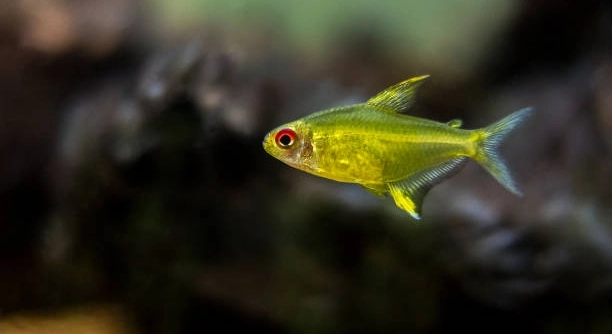
Do you enjoy keeping a small aquarium but find yourself noticing your fish swimming in unusual patterns? Lemon tetras are lively, bright, and often seem to have a personality of their own. Their behavior can be fascinating to watch.
Lemon tetras exhibit natural exploratory behavior, often swimming through all parts of their environment. They are active, social fish that investigate plants, decorations, and open spaces, responding to changes in their surroundings and interacting with tank mates.
Observing how these little fish move and react can reveal interesting insights into their habits and preferences in an aquarium setting.
Understanding Lemon Tetra Behavior
Lemon tetras are small, active fish that often explore every corner of their tank. They swim in schools, which gives them confidence to check out new spaces and decorations. Watching them, you can notice that some tend to lead while others follow, highlighting their social structure. They enjoy areas with plants, hiding spots, and open swimming spaces. Sudden changes in the tank, like new decorations or rearranged plants, usually trigger increased activity. They are naturally curious and will investigate moving objects or disturbances in the water. Even small bubbles from filters or water flow changes can attract them. Observing these behaviors helps you understand their needs better. Providing a balanced environment with plenty of space and visual stimulation keeps them healthy and active. Their bright color and lively swimming make them enjoyable to watch while ensuring their tank remains a safe, stress-free environment.
These fish are naturally curious, exploring their tank actively while interacting with their surroundings and other fish consistently.
Keeping lemon tetras in a varied environment improves their mental stimulation and overall well-being. Decorations, live plants, and open swimming areas give them places to investigate and hide, making their activity more natural and less stressful. A well-maintained tank encourages continuous exploration.
Encouraging Exploration in Your Tank
Lemon tetras respond well to environments that offer variety and complexity.
Providing different textures, plants, and levels in the tank encourages them to swim more actively. Small caves or dense plant clusters give safe spots to explore without stress. Placing floating plants or creating zones with open space and hiding areas can mimic their natural conditions. Changing decorations occasionally without overcrowding keeps their environment stimulating, allowing them to discover new places. They also interact with each other, often following peers to explore areas together. Even adjusting lighting slightly can influence their movement patterns and curiosity. Observing them regularly shows which areas they prefer and how their behavior changes over time. Careful maintenance of water conditions, temperature, and pH also supports active exploration. Encouraging movement through these thoughtful adjustments helps lemon tetras remain engaged and healthy, providing both visual enjoyment and insight into their behavior.
Tank Setup for Active Lemon Tetras
Lemon tetras thrive in tanks with plants, open swimming areas, and hiding spots. Using a mix of live and artificial plants helps create a safe and engaging environment. They enjoy moderate water flow and stable temperatures, which support natural exploration without stress.
Providing a tank with multiple levels and hiding spots encourages natural swimming patterns. Floating plants can create shaded areas, while open spaces allow the tetras to move freely and interact with each other. Decorations like small caves or driftwood give them secure places to rest or retreat. Arranging plants and ornaments to create paths and zones stimulates their curiosity and keeps them active. These adjustments make it easier to observe how they interact, explore, and socialize within their environment, giving insight into their behavior while maintaining a balanced, stress-free tank.
Proper tank setup also involves regular water maintenance. Stable temperature, pH, and cleanliness reduce stress, ensuring lemon tetras remain active. Using gentle filtration prevents strong currents that can limit exploration. Observing their preferences in different areas helps refine placement of plants and decorations. By tailoring the tank to their natural tendencies, you can support healthy social interactions and continuous movement. Adjusting lighting levels and adding subtle visual barriers encourages them to explore various spaces confidently, enriching their environment while promoting long-term health and activity.
Feeding and Interaction Patterns
Lemon tetras respond well to varied diets that stimulate activity and curiosity.
Providing high-quality flake food, live or frozen options, and occasional treats keeps them active and interested. Feeding in small amounts encourages them to swim throughout the tank, exploring areas while searching for food. Regular feeding routines create familiarity, but occasional changes in food placement stimulate movement and interaction. Observing how they approach feeding spots can reveal social dynamics and personality differences. Rotating food types ensures balanced nutrition, while engaging them with different textures promotes natural foraging behaviors. These practices support mental and physical health, keeping them lively and curious throughout the day.
Feeding interactions also provide insight into group behavior. Some tetras are bolder and take the lead during feeding, while others stay more cautious and follow. Watching these patterns helps identify dominant and shy individuals, which can inform adjustments in tank setup or feeding methods to ensure all fish are comfortable. Introducing sinking or floating foods encourages vertical exploration, stimulating different swimming levels. Offering variety in feeding times and locations keeps them engaged while preventing boredom. Maintaining a routine while adding subtle changes fosters a healthy balance of predictability and stimulation, promoting both active exploration and social cohesion in the group.
Social Dynamics of Lemon Tetras
Lemon tetras are schooling fish and feel safest in groups of six or more. They often move together, mimicking each other’s movements. This social behavior encourages exploration and reduces stress, helping them feel secure while navigating the tank.
Within a school, some tetras take the lead while others follow. These roles can shift over time, showing a flexible social hierarchy. Observing their interactions during feeding or when new decorations are added provides insight into group dynamics. Encouraging a balanced school size ensures everyone has space to explore and reduces aggressive or shy behaviors.
Impact of Tank Size
A larger tank promotes more natural swimming and exploration. Lemon tetras need enough space to move freely and interact with plants, decorations, and peers. A cramped environment limits activity and can cause stress, while ample space supports both physical health and social behavior.
Environmental Enrichment Ideas
Adding varied plants, hiding spots, and gentle water currents stimulates activity. Moving decorations occasionally encourages curiosity and keeps their environment engaging.
How much space do lemon tetras need to explore comfortably?
Lemon tetras are small but very active fish. Providing at least a 20-gallon tank for a group of six or more allows them to swim freely and interact naturally. A larger tank is always better, as it reduces stress and gives them room to explore decorations, plants, and open water zones. They enjoy vertical space as well, so taller tanks or areas with plants at different levels encourage varied swimming patterns.
Do lemon tetras prefer planted or open tanks?
They thrive in a mix of both. Plants offer hiding spots and comfort, while open swimming areas let them move freely. Floating plants can create shaded regions that mimic their natural habitat. Too many decorations can restrict movement, so balance is important. By arranging plants and decorations to create zones, tetras have both security and space to explore, keeping them active and less stressed.
Will they interact with other fish while exploring?
Yes, lemon tetras are social and tend to move in schools. They often follow one another when investigating new areas or objects. While some lead and others follow, this behavior strengthens group cohesion and reduces anxiety. Adding compatible species can enhance activity but overcrowding should be avoided. Watching how they approach different zones or feeding areas helps identify social dynamics and individual personalities.
How can I encourage them to explore more in the tank?
Small changes in the tank layout can spark curiosity. Rearranging plants, adding gentle water currents, or introducing small new objects encourages them to investigate. Feeding in different locations also motivates swimming and movement. Rotating decorations occasionally without overwhelming the space keeps the environment stimulating. Observation helps identify preferred areas, and adjusting lighting or water flow subtly can further encourage exploration.
Do they explore differently during the day and night?
Yes, lemon tetras are diurnal, so they are more active during daylight hours. At night, they usually rest among plants or in shaded spots. Ensuring proper lighting cycles helps maintain natural activity patterns. A consistent day-night schedule promotes healthy exploration during active hours while allowing restful periods, preventing stress and overexertion.
What role does water quality play in exploration?
Stable water conditions are crucial. Lemon tetras are sensitive to sudden changes in temperature, pH, or ammonia levels. Clean, well-maintained water encourages natural movement and social behavior. High water quality reduces stress, allowing them to explore confidently. Regular water testing and partial changes keep the environment safe and stimulating.
Do lemon tetras show personality in exploration?
Yes, some are bolder and lead the group, while others stay cautious and follow. These personalities can shift over time, showing flexibility within the school. Observing these differences can help adjust tank layout, feeding practices, or decorations to ensure all fish feel comfortable exploring.
Can decorations limit their exploration?
Overcrowding the tank can reduce activity and stress the fish. While hiding spots are important, too many obstacles can restrict movement. Maintaining open areas and creating paths between plants or ornaments encourages swimming, investigation, and social interaction. Balanced decoration placement promotes both safety and freedom.
How does feeding influence their movement?
Distributing food in various locations encourages swimming across the tank. Floating or sinking foods stimulate different swimming levels, while occasional changes in feeding spots motivate them to explore new areas. Feeding patterns also reveal social dynamics, showing which fish are bold or shy.
Are there signs they are not exploring enough?
Lethargy, hiding constantly, or clumping in a single area often indicates stress, illness, or unsuitable tank conditions. Ensuring proper tank size, decorations, and water quality usually restores natural exploration. Observing changes in behavior regularly helps maintain an active and healthy environment.
Do they explore alone or only in groups?
They mostly explore in schools, which gives them confidence and security. Lone tetras may feel stressed and less active. Group exploration enhances natural behavior and allows them to interact, establishing social bonds while navigating the tank together.
How does lighting affect exploration?
Moderate lighting encourages movement and reduces stress. Bright or harsh lights may cause hiding, while dim light can make them less active. Using a balanced day-night cycle helps regulate activity, encouraging exploration during active hours and restful periods at night.
Does temperature influence their curiosity?
Yes, lemon tetras are most active in stable water between 72-78°F. Too cold or too warm water slows movement and reduces exploration. Consistent temperatures support swimming patterns, social behavior, and overall health, making them more confident in investigating their environment.
Can tank mates affect exploration?
Compatible tank mates can enhance activity and interaction. Aggressive or overly dominant species may inhibit movement and increase hiding. Choosing peaceful, similar-sized fish ensures lemon tetras can explore freely without stress while maintaining natural schooling behavior.
Is it normal for them to investigate decorations repeatedly?
Yes, repeated exploration is natural curiosity. They may return to the same spots, test hiding areas, or interact with plants multiple times. This behavior helps them learn their environment and establish safe zones, maintaining activity and engagement throughout the day.
How do water currents impact their exploration?
Gentle currents encourage swimming and prevent stagnation, promoting active exploration. Strong currents can be stressful, limiting movement and causing fatigue. Adjusting filter flow to moderate levels creates an environment where tetras can swim naturally while investigating different tank areas safely.
Do they explore new objects immediately?
Lemon tetras may approach cautiously at first, often in groups. Over time, curiosity increases as they become familiar with the object. Providing new items occasionally stimulates activity, but abrupt or frequent changes can cause stress. Gradual introduction encourages safe and confident exploration.
Can exploring help with their overall health?
Active exploration supports physical fitness, reduces stress, and encourages social interaction. Engaging environments improve mental stimulation, prevent boredom, and promote natural behavior. By observing their movement and interactions, caretakers can ensure lemon tetras remain healthy, active, and happy in their tank.
Do different tank zones influence their behavior?
Yes, tetras use different zones for resting, swimming, and hiding. Open areas encourage movement, while dense plant regions provide security. Mixing these zones stimulates natural behavior, allowing confident exploration while offering retreat spaces when needed. Adjusting layout based on observed preferences supports active and comfortable living.
Are there signs they enjoy exploring?
Active swimming, interacting with decorations, and moving confidently through plants indicate they are comfortable. Following each other, investigating feeding areas, and showing curiosity without stress are signs of healthy exploration. Observing these behaviors ensures the tank meets their physical and mental needs.
Does the size of the school affect exploration?
Smaller groups may feel insecure and explore less, while larger groups stimulate movement and interaction. Maintaining a proper school size helps them feel confident, encouraging both social and individual exploration throughout the tank.
How can I monitor their exploration safely?
Regular observation without tapping or startling them is best. Watching interactions, movement patterns, and responses to changes provides insight. Adjusting tank layout, decorations, or feeding practices based on observed behavior ensures they remain active, healthy, and stress-free.
Do lemon tetras explore differently as they grow?
Juveniles are often more cautious, gradually becoming bolder with age. Adults explore confidently, interact socially, and establish patterns in swimming zones. Adjusting tank complexity as they grow encourages continuous exploration and supports physical and mental development.
Can lighting, temperature, and feeding combined improve exploration?
Yes, a balanced day-night cycle, stable temperature, and varied feeding locations collectively encourage activity. Subtle changes in these factors maintain curiosity while supporting overall health, ensuring lemon tetras explore naturally and confidently throughout their environment.
Are there risks if they don’t explore enough?
Limited exploration can indicate stress, illness, or poor tank setup. Lack of activity affects mental and physical health. Adjusting environment, water conditions, and social structure helps restore natural behavior and promotes active engagement in the tank.
Does exploring strengthen social bonds?
Exploration in groups reinforces hierarchy, cooperation, and peer awareness. Moving together, investigating objects, and sharing feeding zones strengthens social structure and reduces stress, promoting harmony and confident activity among the school.
Can I safely add obstacles to stimulate exploration?
Yes, adding plants, small caves, or floating objects encourages movement and curiosity. Changes should be gradual to avoid stress, giving tetras time to adapt. Balanced obstacles maintain safety while enhancing activity and engagement.
Does their color indicate exploration activity?
Bright, vibrant colors often indicate health and engagement. Dull or faded colors can suggest stress or inactivity. Active tetras exploring confidently usually display natural coloration, reflecting overall well-being and comfort in their environment.
Is exploration influenced by time of year?
While seasonal changes can affect water temperature or lighting in unheated tanks, stable indoor conditions keep activity consistent. Maintaining proper care routines ensures continuous exploration regardless of external seasonal variations.
How long should they explore daily?
Active swimming throughout daylight hours is normal. Periods of rest among plants are natural. Consistent activity balanced with rest ensures healthy exploration, mental stimulation, and overall well-being.
Can overfeeding reduce exploration?
Yes, excess food may encourage lethargy or dominance disputes, reducing activity. Feeding appropriate amounts at regular intervals maintains motivation to swim and investigate while supporting health and social harmony.
Do lemon tetras explore differently in community tanks?
Yes, compatible species can stimulate curiosity and movement. Overcrowding or aggressive tank mates may inhibit exploration. Observing group dynamics ensures they can explore freely without stress or competition, maintaining natural behavior.
Are there tools to encourage exploration?
Items like floating plants, gentle currents, and varied decorations promote activity. Observing preferences and rotating objects occasionally keeps the tank engaging while avoiding overwhelming changes, supporting safe and confident exploration.
Can exploring prevent boredom?
Yes, active engagement with tank areas, social interactions, and environmental stimuli reduces boredom. A varied environment maintains mental stimulation, promoting healthy behavior and consistent activity levels for lemon tetras.
Does observation help improve their environment?
Watching how they move, interact, and respond to changes provides insight into preferred zones, feeding spots, and hiding areas. Adjusting tank layout and care practices based on these observations enhances exploration, social interaction, and overall health.
Are there signs of stress during exploration?
Hiding constantly, rapid darting, or clumping indicate stress. Ensuring proper tank size, water quality, and social balance restores natural exploration and supports well-being. Monitoring behavior regularly prevents long-term issues and maintains a comfortable environment.
Do lemon tetras enjoy vertical exploration?
Yes, they use different water levels for swimming, feeding, and hiding. Providing tall plants, floating options, and varied swimming zones encourages vertical movement, adding stimulation and supporting natural behavior patterns.
Can temperature fluctuations impact activity?
Sudden temperature changes reduce movement and exploration. Maintaining stable conditions supports confidence in swimming, social interaction, and investigation of the tank, ensuring consistent activity and comfort.
How does tank maintenance affect exploration?
Clean, stable water promotes natural movement. Overlooking maintenance may cause lethargy or stress, reducing curiosity and social behavior. Regular water changes, filter care, and monitoring parameters maintain an environment that encourages active exploration.
Do lemon tetras explore more in larger groups?
Yes, larger schools increase confidence, interaction, and curiosity. More peers provide security and stimulate movement, encouraging continuous swimming and investigation of plants, decorations, and open spaces.
Can exploration indicate overall health?
Active, confident exploration usually reflects good health. Reduced activity, hesitation, or hiding may signal illness, stress, or inadequate tank conditions, prompting adjustments to restore normal behavior and well-being.
Is it normal for some fish to explore less?
Yes, personality differences exist. Some tetras are naturally cautious while others are bolder. Monitoring behavior ensures all individuals have space, hiding spots, and encouragement to explore without stress.
Do light changes stimulate curiosity?
Gradual shifts in light levels encourage movement and investigation. Sudden or harsh lighting may cause hiding, while balanced illumination supports exploration and comfort.
How often should I rearrange decorations?
Occasional, subtle changes keep the environment interesting without stressing fish. Frequent or drastic changes can cause hesitation or fear. Gradual adjustments maintain curiosity and support safe exploration.
Do they respond to human presence?
Yes, lemon tetras often swim closer when people approach, though they may stay cautious initially. Observation without tapping the glass allows natural exploration without stress, letting them maintain confidence while investigating their surroundings.
Does exploring help prevent aggression?
Active engagement reduces boredom and dominance disputes. Providing space, hiding spots, and environmental enrichment encourages peaceful interaction and natural behavior, promoting a harmonious and active tank.
Can temperature, feeding, and decorations together enhance activity?
Yes, stable temperature, varied feeding, and stimulating decor encourage consistent swimming and social interaction. Balanced conditions create a healthy, engaging environment where lemon tetras explore confidently and remain active.
Are there signs they enjoy new objects?
Approaching, investigating, and swimming around new decorations without stress indicates curiosity. Returning to the area repeatedly or exploring it with peers shows comfort and interest, reflecting a healthy, stimulating environment.
Do they explore differently in planted versus sparse tanks?
Yes, planted tanks provide hiding spots and shaded areas, encouraging cautious exploration. Sparse tanks allow open swimming and group movement. A mix of both creates balanced stimulation, promoting activity, confidence, and natural behavior.
How long should observation sessions be?
Short, consistent observation throughout the day works best. Extended monitoring may cause stress if frequent disturbances occur. Observing behavior in small periods helps adjust the environment for optimal exploration and comfort.
Does tank temperature affect social exploration?
Yes, stable water ensures confident swimming and interaction. Temperature fluctuations may reduce activity, limiting group cohesion and exploration. Maintaining ideal conditions supports natural schooling and active investigation of the tank.
Can exploring affect feeding behavior?
Active tetras often search for food throughout the tank, encouraging swimming and vertical movement. Stimulating environments enhance natural foraging instincts, reinforcing both exploration and healthy eating patterns.
Is repeated exploration normal?
Yes, returning to familiar areas helps them establish safety zones, test decorations, and interact socially. Regular revisiting is part of natural behavior, maintaining curiosity, activity, and comfort within the tank.
Do tetras explore differently alone versus in a group?
Group exploration increases confidence, reduces stress, and encourages social interaction. Alone, tetras may hide or swim less, showing hesitation. Maintaining proper school sizes ensures natural exploration and healthy social behavior.
Does water flow influence exploration patterns?
Gentle currents encourage movement and vertical swimming. Strong flow may limit activity, forcing them to resist currents rather than explore. Adjusting water movement promotes natural swimming, investigation, and comfort.
Are shy tetras less likely to explore?
Cautious individuals explore more slowly or stay near plants initially. Observation, gentle encouragement, and a balanced school help them gain confidence, increasing activity and comfort in the tank.
Can seasonal light changes impact exploration?
Indoor tanks with stable lighting maintain activity. Unheated or poorly lit tanks may see slight variations. Consistent lighting cycles support natural behavior and daily movement patterns.
Do tetras explore more in the morning or afternoon?
They are generally active during daylight hours, with peak activity often mid-morning. Providing consistent lighting ensures regular movement, interaction, and engagement with tank features throughout the day.
How can I tell if exploration is healthy?
Confident movement, interacting with decorations, swimming at different levels, and normal social behavior indicate healthy exploration. Lethargy, hiding, or erratic swimming may signal stress, requiring adjustments to environment, feeding, or tank conditions.
Does exploring help reduce stress?
Yes, active investigation of tank areas, interacting with peers, and moving freely promotes mental stimulation, physical activity, and social cohesion, reducing overall stress and supporting well-being.
Are there long-term benefits to encouraging exploration?
Regular exploration supports physical fitness, social bonds, and mental health. Stimulating environments prevent boredom, promote natural behaviors, and enhance overall vitality, ensuring lemon tetras remain active, confident, and healthy over time.
Can exploration indicate tank suitability?
Active, confident exploration reflects proper tank size, water quality, and environmental enrichment. Limited movement or hiding suggests adjustments may be needed to improve space, decorations, or social dynamics for optimal living conditions.
Does water clarity affect exploration?
Yes, clear water encourages confidence and visibility. Murky or dirty water reduces activity and increases stress. Regular maintenance ensures tetras can explore safely, interact socially, and navigate the tank naturally.
Can exploring help detect health issues early?
Changes in movement, hesitation, or lack of curiosity may indicate illness or stress. Observing exploration patterns allows early intervention, improving chances for recovery and maintaining overall tank health.
Do lemon tetras explore differently in tall versus wide tanks?
Tall tanks encourage vertical swimming, while wider tanks support horizontal movement and schooling. Combining both dimensions allows varied exploration, supporting natural behavior, social interaction, and mental stimulation.
Does exploration vary with tank lighting color?
Subtle shifts in lighting, such as warmer or natural tones, encourage movement without stress. Harsh or overly bright lights may reduce activity. Balanced illumination promotes confident, natural exploration and comfort in the tank.
Is group size the most important factor for exploration?
It is one of the key factors, along with tank size, water quality, and decorations. Adequate school size enhances confidence, activity, and social interactions, ensuring lemon tetras explore freely and maintain healthy behavior.
How do shy and bold tetras interact during exploration?
Bold fish often lead, while shy ones follow. This dynamic encourages group cohesion, reduces stress, and allows all members to explore safely. Adjusting tank layout can support both personality types and balanced activity.
Can exploration patterns help adjust tank design?
Yes, observing preferred swimming paths, hiding spots, and zones informs decoration placement, plant density, and open areas. Adjustments based on behavior improve movement, social interaction, and overall engagement in the tank.
Do lemon tetras enjoy exploring new plants?
Yes, they investigate leaves, stems, and shaded areas. Fresh plants provide stimulation, hiding spots, and zones for movement, maintaining curiosity and promoting natural behavior in the tank.
Are repeated observations necessary for understanding behavior?
Consistent monitoring helps track changes, detect stress, and ensure a balanced environment. Observing patterns over time ensures adjustments support natural exploration, activity, and social interaction.
Do they explore differently when spawning?
Yes, during breeding, activity may increase around plants or hiding areas. They establish territories, interact socially, and investigate surroundings more actively to find suitable spots for egg-laying and protection.
Does enrichment affect long-term activity levels?
Varied decorations, plants, and feeding methods maintain curiosity and movement over time. Without stimulation, activity may decline. Proper enrichment ensures consistent exploration and healthy behavior throughout their lifespan.
Can exploring alone indicate stress?
Occasional solo investigation is normal, but constant isolation may indicate fear, illness, or aggression from peers. Balanced group size and supportive environment encourage social exploration and reduce stress.
Do lemon tetras show preference for certain tank zones?
Yes, they often choose areas with plants,
Lemon tetras are small, lively fish that enjoy moving around and exploring their tank. Their natural curiosity helps them interact with plants, decorations, and other fish. Providing a tank that has both open swimming areas and safe hiding spots allows them to feel secure while being active. Watching them navigate different zones shows how they balance exploration with safety. Each fish may have its own personality, with some being bolder and leading the group, while others are more cautious and prefer to follow. Understanding these personalities helps create a tank setup that supports all members of the school, ensuring they feel comfortable and confident in their environment.
A well-maintained tank is essential for lemon tetras to explore naturally. Stable water temperature, proper pH, and clean conditions encourage activity and reduce stress. Decorations, plants, and gentle water flow provide stimulation and allow for varied swimming patterns. Small adjustments, like rearranging plants occasionally or introducing floating objects, can spark curiosity and keep the fish engaged. Feeding also plays a role in their exploration. Placing food in different areas encourages swimming across the tank, while offering a mix of flakes, frozen, or live foods supports mental and physical activity. Paying attention to these factors helps lemon tetras stay active, healthy, and socially balanced.
Exploration is not just about movement but also about social interaction and well-being. Swimming together in schools builds confidence, reinforces social bonds, and reduces stress. Active exploration keeps them physically fit and mentally stimulated. Observing how they interact with the tank and each other allows caretakers to make small changes that improve the overall environment. By providing a balanced setup with space, plants, and decorations, lemon tetras can express their natural behaviors while staying safe. Supporting their curiosity and activity leads to happier, healthier fish that thrive in their home aquarium.

Hello,
If you enjoy the content that we create, please consider saying a "Thank You!" by leaving a tip.
Every little bit helps us continue crafting quality advice that supports the health, happiness, and well-being of pets around the world, for pets of all shapes, sizes, and species.
We really appreciate the kindness and support that you show us!