
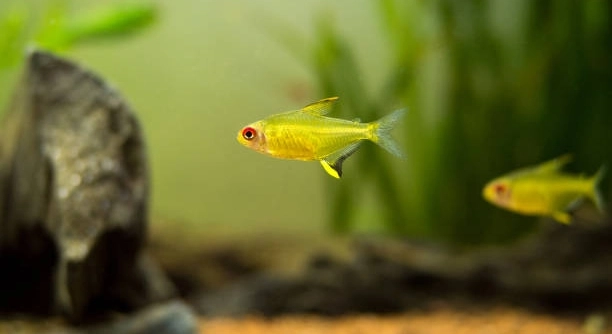
Do you ever notice your Lemon Tetra swimming slower than usual on warm days? Their vibrant yellow bodies may hide subtle signs of stress when the water becomes too hot, affecting their health and activity levels.
Lemon Tetras thrive in water temperatures between 72°F and 78°F. Temperatures consistently above 80°F can cause stress, increase susceptibility to disease, and shorten their lifespan. Maintaining stable, moderate temperatures is essential for their overall well-being.
Knowing the ideal range for your fish helps prevent health issues. We will explore how temperature impacts Lemon Tetras and ways to keep them comfortable.
Signs Your Lemon Tetra Is Too Hot
When the water temperature rises above what Lemon Tetras can comfortably handle, they begin showing clear signs of stress. You might notice them swimming near the surface more often, gasping for air, or staying hidden behind plants. Their usually bright yellow coloration may start to fade, signaling that they are uncomfortable. Rapid gill movement is another indicator, as their bodies attempt to cope with the excess heat. Some fish may even display erratic swimming patterns or lethargy, refusing to eat normally. Stress from high temperatures weakens their immune system, making them more prone to illness. Even minor temperature fluctuations can cause discomfort if repeated often, so consistent monitoring is crucial. Simple steps like using a thermometer, adjusting room temperature, or adding cooling measures can help maintain a stable environment. Keeping the water within the proper range ensures your Lemon Tetras remain active, healthy, and display their natural colors vividly.
Monitoring their behavior closely is essential to detect early signs of stress. Immediate action can prevent long-term health issues.
Maintaining optimal water temperature not only reduces stress but also supports regular feeding habits and normal activity levels. Lemon Tetras are sensitive, so even a small rise above 78°F can cause noticeable discomfort. Regularly testing the water with a reliable thermometer and making gradual adjustments helps avoid shocking the fish. For aquariums without built-in temperature control, using fans, coolers, or partially replacing tank water with slightly cooler water can be effective. Consistent observation allows you to respond before the fish suffer serious consequences. Proper tank placement away from direct sunlight and heat sources also contributes to a more stable environment. By keeping temperatures steady, you encourage natural schooling behavior, vibrant colors, and strong immune function, which all contribute to a longer, healthier life for your Lemon Tetras.
How to Prevent Overheating
Using a thermometer is the easiest way to monitor your aquarium temperature and detect rises early.
To prevent overheating, start by placing the tank away from direct sunlight and heat-emitting appliances. Use fans or cooling devices if necessary, and avoid overcrowding the tank, as more fish generate extra heat. Regular water changes with slightly cooler water can stabilize the temperature, especially during hot seasons. Consider adjusting the room’s air conditioning or using aquarium-specific chillers if temperatures consistently exceed safe levels. Maintaining proper filtration and circulation ensures water does not stagnate and heat is evenly distributed. Observing the fish daily helps catch any temperature-related stress quickly. Planning ahead for seasonal changes and keeping temperature logs can make managing your tank easier and more predictable. Consistently maintaining these practices keeps Lemon Tetras healthy, active, and visually vibrant, while reducing stress and preventing potential disease outbreaks caused by high heat.
Ideal Water Conditions for Lemon Tetras
Keeping water parameters stable is key to their well-being. Temperature, pH, and hardness should remain consistent to avoid stress and maintain natural behavior.
Lemon Tetras prefer slightly acidic to neutral water with a pH around 6.5 to 7.5. Soft to moderately hard water supports their health, while sudden changes can trigger stress responses. Regular testing helps ensure parameters remain stable. Avoid using tap water without treatment, as chlorine and heavy metals can harm the fish. Maintaining proper filtration and gentle water flow creates a comfortable environment and reduces temperature spikes. Consistent care encourages vibrant colors and active schooling behavior, which are signs of healthy, happy fish.
Water quality affects more than comfort; it influences immune function and growth. Feeding schedules and diet work best in stable conditions, and fish are less likely to show stress behaviors like hiding or erratic swimming. Proper aeration and circulation help maintain oxygen levels, particularly in warmer water, where oxygen availability naturally decreases. Balancing all parameters supports their long-term health, prevents disease, and allows you to enjoy their natural, lively movements in the tank every day.
Temperature Fluctuations and Their Effects
Sudden temperature changes are more harmful than slightly high temperatures. Rapid shifts cause immediate stress and weaken immunity.
When water warms quickly, Lemon Tetras’ metabolism accelerates, leading to increased oxygen demand. If oxygen levels cannot keep up, fish may gasp at the surface or become lethargic. Repeated fluctuations can disrupt feeding habits, growth, and natural coloration. Cold water drops can also trigger shock, making fish more susceptible to infections. Maintaining steady temperatures avoids these issues and supports normal behavior. Installing a reliable thermometer, adjusting heating devices gradually, and monitoring seasonal room temperature variations all contribute to stability. Regular checks allow immediate intervention before problems escalate. Consistent temperature management keeps the fish active, reduces disease risk, and ensures proper schooling patterns are maintained naturally in the tank.
Common Mistakes That Raise Tank Temperature
Placing the tank near direct sunlight or heating vents can quickly raise water temperature. Overcrowding the aquarium also generates extra heat, stressing Lemon Tetras.
Using inadequate filtration or failing to circulate water properly can create hot spots. Ignoring seasonal temperature changes often leads to unsafe conditions for the fish.
Equipment to Maintain Safe Temperatures
Aquarium heaters with thermostats and reliable thermometers are essential tools. Fans or chillers can help stabilize temperatures during hot weather. Regular maintenance ensures these devices function correctly and consistently. Using timers for heaters or cooling equipment adds an extra layer of control, preventing sudden spikes or drops.
Adjusting Water Temperature Gradually
Rapid changes can shock Lemon Tetras and trigger stress or illness. Always adjust temperatures slowly over several hours.
Keeping water stable protects their health, supports normal activity, and preserves their vibrant coloration naturally.
FAQ
What is the maximum temperature Lemon Tetras can handle?
Lemon Tetras can tolerate water up to 78°F comfortably. Temperatures above 80°F are stressful and may cause health problems. Even short periods of higher heat can weaken their immune system, reduce activity, and affect feeding habits. Maintaining water within the recommended range is crucial for their long-term health.
How do I know if my Lemon Tetra is too hot?
Signs include slower swimming, gasping at the surface, hiding more than usual, and faded coloration. Rapid gill movements or erratic swimming are also indicators. Observing your fish daily helps catch these signs early and allows you to act before serious problems develop.
Can Lemon Tetras survive short periods in warmer water?
They may tolerate brief spikes, but repeated or prolonged exposure above 80°F increases stress, reduces immune function, and raises the risk of disease. Even minor overheating can cause long-term effects on growth and behavior. Stability is more important than occasional short-term tolerance.
What can I do to lower water temperature?
Move the tank away from direct sunlight and heat sources, increase water circulation, or use fans to cool the water. Partial water changes with slightly cooler water can help reduce temperature gradually. Aquarium chillers are an option for consistently hot climates. Avoid sudden temperature drops, which can also stress fish.
Does overcrowding affect water temperature?
Yes, more fish generate additional heat and reduce oxygen availability. Overcrowding increases stress, worsens water quality, and can make minor temperature fluctuations more dangerous. Keeping the number of Lemon Tetras appropriate for your tank size helps maintain a stable and healthy environment.
Can plants and decorations impact water temperature?
Dense plants and decorations can slightly reduce circulation and create warm or cool spots. Ensuring good water flow and strategically placing ornaments helps maintain consistent temperature and oxygen levels throughout the tank. Healthy plants can also provide shade, helping buffer small temperature increases.
Are some heaters safer than others for Lemon Tetras?
Heaters with built-in thermostats and automatic shutoff are the most reliable. They prevent overheating by keeping water within the set range. Submersible heaters evenly distribute heat and reduce the risk of hot spots. Always test and monitor the heater to ensure it works properly before leaving fish unattended.
What happens if water stays too hot for too long?
Prolonged high temperatures can lead to weakened immunity, stunted growth, and susceptibility to diseases. Fish may stop eating, show erratic swimming, or hide excessively. Over time, chronic stress can shorten their lifespan significantly. Preventing sustained heat is much easier than treating its consequences.
How do I maintain stable temperature during seasonal changes?
Monitor room temperature and adjust heaters or cooling methods gradually. Avoid placing the tank near windows, radiators, or air vents. Partial water changes and the use of fans or chillers help buffer natural seasonal fluctuations. Regular checks with a thermometer keep conditions consistent and safe.
Can I keep Lemon Tetras with other fish in warmer water?
Compatibility depends on the temperature tolerance of all species. If other fish require warmer water, it may put Lemon Tetras at risk. Always choose tank mates with similar temperature preferences to ensure all fish thrive and avoid unnecessary stress or disease.
How important is oxygenation in warmer water?
Warmer water holds less oxygen, making proper aeration critical. Using filters, air stones, or circulation devices prevents oxygen depletion, reduces stress, and ensures Lemon Tetras remain active and healthy even when temperatures rise slightly.
Do diet and feeding change in warmer water?
High temperatures increase metabolism, so fish may eat more, but overfeeding can harm water quality. Maintaining stable feeding schedules and appropriate portions supports health while preventing water pollution, which could worsen heat-related stress.
How often should I check the temperature?
Daily checks are recommended, especially during hot weather or when room temperatures fluctuate. Regular monitoring allows quick adjustments before water becomes unsafe. Using a reliable thermometer and keeping a small log can make this task simple and effective.
Is it safe to use a fan on the tank?
Yes, fans help reduce water temperature gradually and increase surface evaporation. Position them carefully to avoid splashing and stress. They are a cost-effective method to keep water cooler without sudden temperature drops.
Can Lemon Tetras adapt to slightly higher temperatures over time?
They may tolerate minor increases temporarily, but prolonged exposure above 78°F is harmful. Adaptation is limited, and chronic stress can compromise health. Consistently maintaining proper temperatures is always the best approach for their safety and well-being.
What’s the most effective way to prevent overheating in summer?
Combine multiple strategies: keep the tank out of direct sunlight, use fans or chillers, monitor room temperature, and perform gradual water changes if needed. Proper placement, stable equipment, and daily checks ensure Lemon Tetras stay healthy even during hot months.
How does temperature affect breeding?
Water that is too warm can inhibit spawning, reduce egg viability, and stress adults. Maintaining stable, moderate temperatures supports normal breeding behavior, healthy egg development, and survival of fry. Sudden temperature changes can interrupt mating patterns and harm offspring.
Are there warning signs I should never ignore?
Lethargy, faded colors, gasping, and erratic swimming are immediate warnings. Ignoring these signs allows stress to escalate, increasing the risk of disease or death. Early intervention by adjusting water temperature and improving conditions is crucial for recovery.
How long does it take for Lemon Tetras to recover from heat stress?
Recovery depends on the severity and duration of exposure. Minor stress may resolve in a few days with stable temperatures, but prolonged overheating can take weeks or may cause permanent damage. Immediate corrective measures improve the chances of a full recovery.
Can water conditioners help during temperature changes?
Water conditioners do not directly regulate temperature, but they reduce stress from toxins, chlorine, and heavy metals, which can worsen the impact of heat. Using them during temperature adjustments helps protect the fish’s health while you stabilize the environment.
How can I track temperature effectively?
Digital thermometers with alerts, combined with manual checks, provide reliable monitoring. Keeping a log of daily readings helps detect trends or sudden changes. Accurate tracking allows early intervention, preventing prolonged exposure to harmful temperatures and ensuring a safe habitat for Lemon Tetras.
Maintaining the proper water temperature is one of the most important aspects of caring for Lemon Tetras. These fish thrive in temperatures between 72°F and 78°F, and keeping the water within this range ensures they remain healthy, active, and visually vibrant. Temperatures that are too high can quickly cause stress, weaken the immune system, and make the fish more susceptible to illness. Even minor fluctuations can have an impact, so consistent monitoring is essential. Using a reliable thermometer and checking the tank daily helps prevent issues before they become serious. Gradual adjustments to temperature, whether cooling or warming the water, protect the fish from sudden shocks that can affect their overall health and behavior.
In addition to temperature, maintaining stable water conditions plays a key role in the well-being of Lemon Tetras. Proper pH levels, water hardness, and oxygen availability all contribute to their comfort and long-term health. Overcrowding, poor filtration, and placement near heat sources can increase water temperature and reduce oxygen levels, putting extra stress on the fish. Implementing a simple routine that includes regular water testing, partial water changes, and proper equipment maintenance ensures the tank environment remains stable. By paying attention to these details, you can prevent stress-related behaviors such as hiding, erratic swimming, or reduced feeding. Consistency in these practices makes the tank a safe and comfortable space for Lemon Tetras to thrive.
Finally, observing the fish closely is one of the most effective ways to ensure they remain healthy. Watching for signs like faded coloration, slower swimming, or increased surface activity helps detect temperature-related stress early. If you notice any unusual behavior, taking action immediately by adjusting water temperature or improving circulation can prevent long-term problems. Using tools like fans, chillers, or thermostatic heaters can help maintain stable temperatures, especially in warmer climates. Providing a balanced diet, keeping the tank clean, and ensuring proper aeration all support the fish’s overall health. Consistently following these steps creates a stable environment where Lemon Tetras can live comfortably, display their natural colors, and remain active, contributing to a thriving and visually appealing aquarium.

Hello,
If you enjoy the content that we create, please consider saying a "Thank You!" by leaving a tip.
Every little bit helps us continue crafting quality advice that supports the health, happiness, and well-being of pets around the world, for pets of all shapes, sizes, and species.
We really appreciate the kindness and support that you show us!