
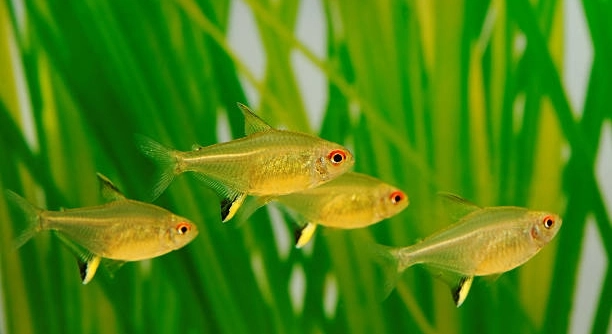
Lemon tetras are small, colorful fish that bring life to any freshwater tank. Their delicate colors shine brightest with the right lighting, which can also support plant growth and create a natural, healthy environment for them.
Proper lighting in lemon tetra tanks is essential for both fish health and aesthetic appeal. Using full-spectrum LED lights with controlled intensity ensures optimal color display, reduces stress, and promotes balanced plant growth, creating a stable and visually pleasing aquatic environment.
Adjusting light duration and placement can make a significant difference in your tank’s appearance and your fish’s well-being, encouraging a harmonious and lively underwater space.
Choosing the Right Light Spectrum
Selecting the right light spectrum for a lemon tetra tank is important. Tetras thrive under full-spectrum lights that mimic natural daylight. This type of lighting helps their yellow hues stand out while supporting plant photosynthesis. Avoid lights that are too blue or red, as they can distort colors and stress the fish. LED lights are often the best choice because they are energy-efficient, last longer, and produce less heat. It is also important to match the light spectrum to the plants in your tank. Low-light plants can survive under dimmer lights, but brighter light will help most tropical plants grow healthier. Observing your fish during different lighting conditions helps you notice stress or color changes. Consistent lighting schedules maintain the natural rhythm of the tank. Using a timer ensures lights are on and off at the same time daily, giving your lemon tetras a balanced environment and improving overall tank health.
Full-spectrum LED lights improve both plant growth and fish coloration while being energy-efficient and safe for long-term tank use.
Balancing light intensity is key. Too bright lighting may encourage algae growth and stress fish, while too dim lighting can dull their colors. Adjusting light placement, such as keeping lights a few inches above the water surface, can prevent harsh glare. Observing how plants and fish react allows for fine-tuning.
Light Duration and Scheduling
Maintaining a proper lighting schedule is critical for tank stability. Lemon tetras need consistent day and night cycles.
Most tanks benefit from 8–10 hours of light daily. Using a timer automates this schedule, reducing guesswork and stress on fish. Avoid sudden changes in light duration, as it may cause erratic behavior or color fading. Gradually adjusting the schedule when necessary keeps fish comfortable. Consistent light and dark periods also control algae growth. Overexposure to light can lead to excessive algae, making maintenance harder. Combining proper intensity with the right duration ensures plants flourish while fish remain healthy. Observing your tank over a few weeks allows you to adjust the schedule based on plant growth and fish activity. This simple routine maintains a stable and appealing aquarium environment, enhancing your lemon tetras’ natural beauty and vitality over time.
Avoiding Overly Bright Lights
Too much light can stress lemon tetras, causing hiding or color fading. Bright lights may also accelerate algae growth, making the tank harder to maintain.
Maintaining moderate light intensity is essential. Placing lights too close to the water surface can create glare and uncomfortable conditions for fish. Observing your tetras’ behavior helps determine the right brightness. If fish stay near shaded areas, the lighting may be too strong. Adjusting light height or using dimmers can help balance the intensity. Plants also respond differently; some may need brighter light, while others thrive in lower levels. Finding a balance supports both fish comfort and plant growth.
Algae control becomes easier with proper light management. Overly bright or constant light promotes algae blooms, which compete with plants for nutrients. Rotating lighting schedules, dimming when necessary, and using moderate intensity helps maintain clean water. Observing plant health and fish behavior together ensures the environment is neither too harsh nor too dim.
Choosing Light Placement
Proper light placement enhances both aesthetics and fish health. Lights should be centered and evenly distributed across the tank.
Positioning lights correctly prevents dark spots where plants struggle and fish avoid activity. Lights should be high enough to reduce glare but low enough to penetrate water effectively. Adjustable stands or brackets allow fine-tuning based on tank size and depth. Observing how light spreads across the substrate helps determine optimal placement. Balancing light coverage ensures all plants receive adequate exposure while fish enjoy comfortable swimming areas.
Shadows and reflections matter for lemon tetras. Uneven lighting can create stress zones or encourage hiding. Evenly placed lights provide a natural environment, supporting normal behavior and coloration. Consider tank decorations and plant height when placing lights, as tall plants may cast shadows over smaller species. Using reflective backgrounds or positioning lights slightly forward improves distribution. Adjusting lights seasonally or after tank rearrangements ensures consistent coverage. Proper placement also minimizes energy waste and enhances overall visual appeal, creating a healthy, vibrant, and low-stress environment for both fish and plants.
Using Timers for Consistency
Timers help maintain a regular light schedule, reducing stress for lemon tetras. Consistent day and night cycles support natural behavior and plant growth.
Setting lights to turn on and off automatically prevents accidental overexposure. It also keeps the tank routine stable, which benefits fish and plants alike.
Avoiding Light Flicker
Flickering lights can disturb tetras and make them anxious. Stable lighting is essential for comfort and healthy tank conditions.
Using high-quality LEDs or well-maintained fluorescent bulbs reduces flicker. Regularly checking for loose connections or aging tubes ensures a steady light output, preventing unnecessary stress in the aquarium environment.
Adjusting Light for Plant Growth
Balancing light intensity and duration supports aquatic plants while keeping tetras healthy. Strong light encourages photosynthesis, while moderate schedules prevent algae overgrowth.
Monitoring Fish Behavior
Observing how lemon tetras react to lighting helps adjust intensity and placement. Signs of stress or hiding indicate a need for changes.
FAQ
What is the best type of light for lemon tetra tanks?
Full-spectrum LED lights are the most suitable for lemon tetra tanks. They provide a balanced light that highlights the fish’s yellow color while supporting plant growth. LEDs are energy-efficient, produce minimal heat, and last longer than traditional fluorescent bulbs. Using the right spectrum avoids color distortion and stress.
How many hours should the lights be on each day?
Most lemon tetra tanks do well with 8 to 10 hours of light daily. Using a timer ensures consistency and prevents overexposure. Gradually adjusting the schedule if needed avoids shocking the fish and helps control algae growth. Consistent lighting maintains the natural day-night cycle.
Can too much light harm my fish?
Yes, overly bright or prolonged lighting can stress lemon tetras, causing them to hide or lose coloration. Excessive light also encourages algae growth, which competes with plants for nutrients. Moderating intensity and using timers helps protect both fish and plants.
Should I dim my lights at times?
Dimming lights can be beneficial, especially if plants are low-light species or fish appear stressed. Adjustable LED systems make this easier. Gradual dimming during the morning or evening simulates natural light changes, keeping the tank more comfortable.
Where should I place the lights above the tank?
Lights should be centered and evenly distributed, high enough to reduce glare but low enough for adequate water penetration. Observing how light spreads over plants and swimming areas helps determine the best placement. Adjusting for taller plants or decorations ensures even coverage.
How do I prevent algae with proper lighting?
Maintaining moderate intensity and limiting light duration reduces algae growth. Avoid leaving lights on for too long, rotate schedules, and balance plant density. Evenly distributed light ensures plants outcompete algae for nutrients. Cleaning and maintenance complement lighting control.
Can flickering lights affect lemon tetras?
Yes, flickering lights can make tetras anxious and disrupt natural behavior. Using high-quality LEDs or properly maintained fluorescent bulbs eliminates flicker. Regular checks for loose connections or worn tubes prevent sudden disturbances in the tank.
Is natural sunlight okay for the tank?
Direct sunlight is not recommended as it can overheat the water and trigger algae blooms. Indirect natural light can supplement artificial lighting, but relying solely on sunlight makes controlling intensity and duration difficult. Artificial lights provide consistent, safe conditions.
Do different plants require different lighting?
Yes, low-light plants survive under dimmer conditions, while most tropical plants need moderate to high light. Matching lighting to plant needs ensures healthy growth and prevents algae from overtaking slower-growing species. Adjust placement and intensity based on plant types.
How can I tell if my fish are stressed by the lighting?
Signs include hiding, dull coloration, erratic swimming, or reduced activity. Observing fish during different lighting conditions helps identify issues. Adjusting light intensity, placement, or schedule can alleviate stress and create a more balanced environment.
Are LED lights better than fluorescent lights for tetras?
LEDs are generally superior due to energy efficiency, longevity, and reduced heat production. They also offer adjustable intensity and spectrum options, making it easier to fine-tune conditions for both fish and plants. Fluorescent lights still work but require more maintenance.
Should I adjust lighting seasonally?
Seasonal adjustments can help simulate natural cycles and account for plant growth or tank rearrangements. Slight changes in intensity or duration support fish well-being and plant health without shocking the aquarium environment.
Is it necessary to have a timer?
Timers are highly recommended. They maintain a consistent schedule, reduce the risk of overexposure, and support natural day-night cycles. Automated lighting helps prevent human error and contributes to a stable, stress-free environment for lemon tetras.
How do I balance plant needs and fish comfort?
Monitor plant growth and fish behavior together. Adjust light intensity, duration, and placement to support photosynthesis while avoiding overly bright areas that stress fish. Combining dimmable LEDs with proper scheduling often achieves the best balance for a healthy tank ecosystem.
Can colored lights be used?
Colored lights can enhance the appearance of tetras temporarily but are not recommended for long-term use. They may distort natural colors and affect plant photosynthesis. Full-spectrum white lighting remains the safest and most effective option for overall tank health.
Final Thoughts
Lighting is one of the most important aspects of keeping a healthy lemon tetra tank. Proper lighting not only highlights the fish’s natural yellow colors but also supports the growth of aquatic plants. Choosing the right type of light, such as full-spectrum LEDs, ensures both fish and plants thrive. These lights are energy-efficient, last longer, and produce less heat, which helps maintain a stable environment. Positioning the lights correctly above the tank is also essential. Lights should be evenly spread, high enough to prevent glare, and low enough to penetrate the water effectively. Observing the tank regularly allows adjustments to placement, intensity, or duration, keeping the environment balanced and comfortable for your fish.
Maintaining a consistent lighting schedule is equally important. Lemon tetras benefit from a predictable day-night cycle, which reduces stress and encourages natural behavior. Using a timer is an easy way to ensure the lights turn on and off at the same time each day. Generally, 8 to 10 hours of light is sufficient for most tanks, but the exact duration may vary depending on plant needs. Dimming lights during morning or evening hours can also help simulate natural conditions and reduce stress. Overly bright or extended lighting can cause algae growth, which competes with plants for nutrients and can make the tank harder to maintain. Balancing light intensity, duration, and placement ensures both the plants and fish remain healthy and vibrant.
Monitoring fish behavior and plant health is the best way to determine if the lighting setup is effective. Signs of stress in lemon tetras, such as hiding, fading color, or erratic swimming, may indicate adjustments are needed. Similarly, slow plant growth or algae buildup can signal that intensity or duration needs to be modified. Taking the time to observe and make small changes helps create a stable, visually pleasing tank. Proper lighting supports the entire ecosystem in the aquarium, from fish comfort to plant vitality. With the right setup, your lemon tetra tank can become a healthy, lively, and attractive space that brings enjoyment and satisfaction without constant worry.

Hello,
If you enjoy the content that we create, please consider saying a "Thank You!" by leaving a tip.
Every little bit helps us continue crafting quality advice that supports the health, happiness, and well-being of pets around the world, for pets of all shapes, sizes, and species.
We really appreciate the kindness and support that you show us!